
Are you ready to fall in love with one of the most stunning plants around? The passion plant is a favorite among gardeners worldwide, and for good reason. Not only does it bring a touch of tropical charm to any room or garden, but it’s also relatively low-maintenance and easy to care for – perfect for beginners! But what sets this plant apart from others is its unique ability to thrive with proper attention. Whether you’re a seasoned green thumb or just starting out, mastering the art of passion plant care can take your gardening game to the next level.
In this article, we’ll delve into the ins and outs of passion plant care, covering everything from propagation techniques to advanced methods for keeping your plant happy and healthy. By the end of this guide, you’ll be equipped with the knowledge you need to coax the most vibrant blooms and lush foliage out of your very own passion plant. So let’s get started on this journey into the wonderful world of passion plants!
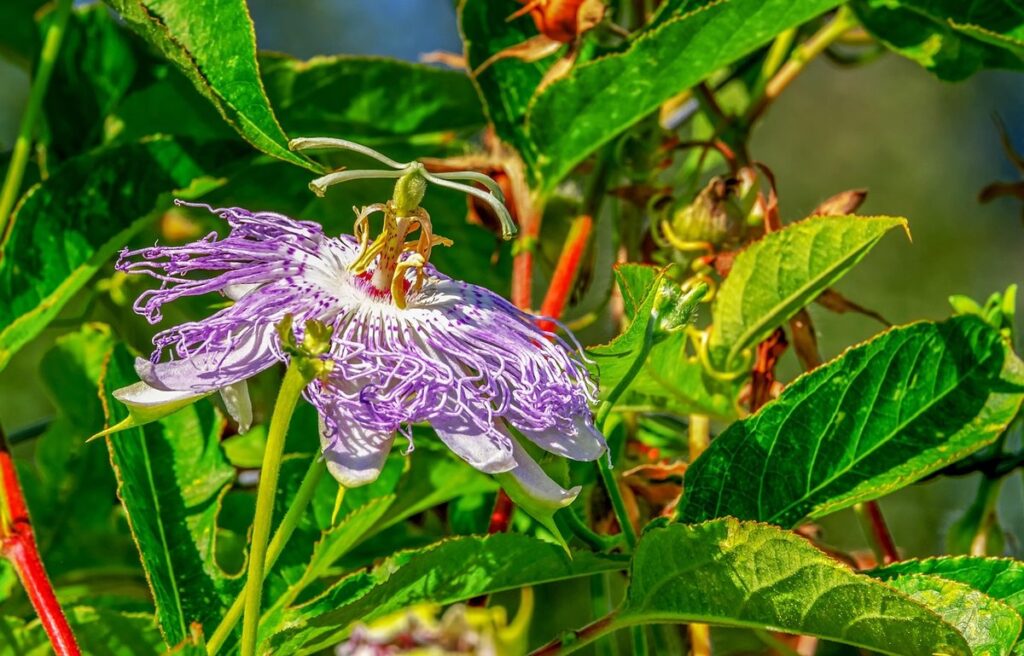
Introduction to the Passion Plant
Let’s start by getting familiar with one of the most unique and fascinating houseplants out there: the passion plant. This section will give you a solid foundation on its basics, perfect for beginners and experienced plant enthusiasts alike.
What is a Passion Plant?
The passion plant species, also known as Gynura aurantiaca, is native to Southeast Asia and has been a popular choice among ornamental plant enthusiasts for its unique appearance and low-maintenance requirements. Originating from the tropical regions of Malaysia and Indonesia, this species has adapted well to indoor conditions, making it an ideal choice for home gardeners.
One reason why passion plants have gained popularity is their vibrant foliage, which features deep green leaves with bright orange or red highlights on the underside. This striking contrast adds a touch of exotic charm to any room, making it a favorite among plant enthusiasts who appreciate its aesthetic appeal.
As an ornamental plant, the passion plant is relatively easy to care for and can thrive in a variety of conditions, including low-light environments. Its adaptability and unique appearance have contributed significantly to its widespread popularity, with many gardeners incorporating it into their indoor gardens and home decor.
History of the Passion Plant
The passion plant has a rich history that spans over 1,000 years, originating from the tropical regions of South America. The first recorded mention of the passion plant dates back to the Aztecs and Incas, who revered it for its unique flowers and medicinal properties. In fact, the Incas used the plant’s juice to treat various ailments, including fever and rheumatism.
As European explorers began to venture into the New World, they discovered the passion plant and were fascinated by its intricate flowers, which resembled a crown of thorns. This led to its introduction in Western cultures during the 16th century. The plant quickly gained popularity among botanists and horticulturists for its exotic appearance and ease of cultivation.
In many Asian societies, the passion plant is considered a symbol of good fortune and prosperity, often used in traditional medicine and rituals. Its unique flowers are also prized for their beauty and fragrance, making it a popular choice among gardeners and flower enthusiasts worldwide.
Identifying and Choosing the Right Passion Plant Variety
When it comes to growing passion plants, selecting the right variety is crucial for success. This section will walk you through identifying and choosing the perfect variety for your needs.
Types of Passion Plants
When it comes to choosing the right passion plant variety, you’ll be delighted to know that there’s a wide range of types to choose from. Each one has its unique characteristics, growth habits, and requirements, making some more suitable for certain climates or spaces than others.
One popular type is Passiflora caerulea, also known as the blue passion flower. This evergreen climber produces stunning blue-purple flowers in the summer months and can grow up to 10 feet tall. It’s a great choice for those who want to add some tropical flair to their gardens or indoor spaces.
Another variety worth mentioning is Passiflora incarnata, commonly known as maypop. This plant is native to North America and produces edible fruit that’s rich in vitamins and minerals. It’s a versatile option that can thrive in zones 5-9 and makes for an excellent choice for those who want to grow their own passion fruits.
Last but not least, there’s Passiflora edulis, the most widely cultivated species of passion plants. This plant is renowned for its delicious purple fruit, which is packed with antioxidants and nutrients. It’s a popular choice among gardeners due to its adaptability to various climates and ability to grow well in containers.
Whether you’re a seasoned gardener or just starting out, there’s a passion plant type that’s perfect for your needs. Take the time to research each variety, consider your climate, space constraints, and personal preferences before making an informed decision about which one to bring home.
Factors to Consider When Selecting a Passion Plant
When selecting a passion plant variety for home or outdoor cultivation, there are several key factors to consider. First and foremost, think about the climate and environment where you plan to keep your passion plant. Some varieties thrive in warm, humid conditions, while others prefer cooler temperatures.
Consider the amount of light your space receives, as well as any nearby plants that may compete for resources. Passion plants can be sensitive to strong winds and frost, so choose a variety that’s suitable for your local climate.
Think about the mature size of the plant and whether it will fit in its designated space. Some passion varieties can grow quite large, while others remain compact and bushy. Finally, consider the care requirements of each variety, including watering, fertilization, and pruning needs. For example, some passion plants require more frequent watering than others.
Ultimately, choosing a passion plant that’s well-suited to your environment will ensure it thrives and brings joy to your space for years to come.
Propagation and Growing Conditions
To successfully grow a thriving passion plant, you’ll want to understand its specific needs for propagation and optimal growing conditions. Let’s dive into the details of how to create an ideal environment.
Propagation Methods
Propagation methods are an essential part of cultivating passion plants. There are several ways to propagate these beautiful plants, and each method has its own advantages.
You can start by planting seeds, which is a great way to create new varieties or share them with friends. However, this method can be time-consuming as it takes around 6-8 months for the seedlings to mature. Another option is using stem cuttings, which are taken from mature plants and rooted in water or soil. This method is faster than seeds and produces more consistent results.
Division is another effective way to propagate passion plants. It involves separating the rhizomes of a mature plant into smaller sections, each with its own set of roots. This method works best for plants that have outgrown their containers and need to be repotted.
Regardless of the method you choose, it’s essential to use clean tools and sterilize the cuttings or division area to prevent the spread of diseases. With proper care and attention, your propagated passion plant will thrive in no time.
Ideal Growing Conditions
Passion plants are relatively easy-going when it comes to their environment, but they still have some specific requirements that need to be met for optimal growth. When providing the ideal growing conditions for your passion plant, keep in mind that it prefers bright, indirect light. Direct sunlight can scorch its leaves, so placing it near an east- or west-facing window is perfect. If you’re planning to grow your passion plant outdoors, choose a spot with partial shade.
The ideal temperature range for passion plants is between 65°F to 75°F (18°C to 24°C). They prefer warmer temperatures during the day and cooler temperatures at night. A humid environment also promotes healthy growth; aim for a relative humidity of 50-60%. You can increase the humidity around your plant by placing it on a tray filled with water and pebbles or using a humidifier.
When it comes to soil, passion plants prefer well-draining potting mix that’s rich in organic matter. Avoid using regular garden soil, as it tends to be too dense for these plants. A potting mix specifically designed for tropical plants will work perfectly. Water your plant thoroughly when the top inch of the soil feels dry to the touch, and make sure not to overwater, which can lead to root rot.
Care and Maintenance Tips
To keep your passion plant thriving, it’s essential to establish a regular care routine that includes tasks like pruning, repotting, and pest control. This section will walk you through each of these steps.
Watering and Humidity Requirements
Passion plants thrive in environments with balanced watering and humidity levels. To achieve this, water your passion plant when the top 1-2 inches of soil feel dry to the touch. This usually occurs once a week during spring and summer months but can be less frequent during fall and winter.
It’s essential to avoid overwatering, which can lead to root rot and other problems. Check for signs like yellowing leaves or water droplets on the leaves, indicating that your plant needs more time to dry out between waterings.
Maintaining optimal humidity levels is also crucial. You can use a humidifier near your passion plant if necessary. Alternatively, group plants together to create a microclimate that retains moisture in the air. Average room humidity levels typically range from 40-60%. However, passion plants prefer slightly higher humidity, around 50-70%.
A consistent temperature between 65°F (18°C) and 75°F (24°C) will also help maintain optimal humidity levels.
Fertilization and Pruning
Fertilizing your passion plant is crucial for promoting healthy growth, as these plants are heavy feeders. They thrive in nutrient-rich environments, which can be achieved by using a balanced fertilizer once a month during the growing season (spring and summer). You can also use a fertilizer that’s specifically formulated for indoor plants or tropical plants, as these will provide the necessary micronutrients.
However, be cautious not to over-fertilize your passion plant, as this can cause more harm than good. When fertilizing, make sure to follow the instructions on the package and start with small amounts to avoid burning the roots. A general rule of thumb is to dilute the fertilizer to half the recommended strength.
Pruning your passion plant is equally important for maintaining its overall health and appearance. Remove any dead or dying leaves or stems to prevent the spread of disease and encourage new growth. Cut back long vines or branches to maintain a bushy shape, but avoid cutting too much at once, as this can stress the plant. Regular pruning will also help control pests like mealybugs, whiteflies, and spider mites, which are common problems with passion plants.
Common Problems and Pests
One of the most frustrating things about passion plants is dealing with common problems and pests that can affect their health, so let’s tackle these issues head-on together.
Recognizing Signs of Disease or Pest Infestation
As a passion plant enthusiast, it’s essential to be aware of the potential problems that can affect your beloved plants. Regular monitoring is key to catching diseases and pests early on, preventing them from spreading and causing irreparable damage.
Common diseases affecting passion plants include root rot, leaf spot, and crown rot. Root rot is often caused by overwatering or poor drainage, resulting in roots suffocating in excess moisture. Leaf spot can be identified by small, circular lesions on the leaves that turn yellow or brown as they spread. Crown rot occurs when the plant’s stem and roots are exposed to too much moisture, causing a soft, mushy crown.
Mealybugs, spider mites, and scale insects are common pests that feed on passion plants’ sap. Mealybugs appear as white, cottony patches on the leaves or stems, while spider mites leave behind fine webbing. Scale insects look like small, brown bumps on the plant’s surface. Inspect your passion plant regularly for these signs, and take action promptly to prevent infestations from getting out of control.
Keep in mind that mealybugs can lay up to 600 eggs at a time, so it’s crucial to address the problem quickly. If you notice any unusual growths or discoloration on your passion plant, gently inspect the affected area with a magnifying glass and research treatment options specific to the issue you’ve identified.
Prevention and Treatment Measures
To keep your passion plant healthy and thriving, it’s essential to implement prevention measures against diseases and pests. One of the most common issues is root rot, which can be caused by overwatering. To prevent this, ensure good air circulation around your plant, and repot it in a well-draining mix if you notice waterlogged soil.
Regularly inspect your plant for signs of pests like mealybugs, spider mites, or scale. If you catch the issue early, you can treat it with insecticidal soap or neem oil. For more severe infestations, consider applying systemic pesticides, but always follow the product’s instructions and take necessary safety precautions.
To prevent fungal diseases, maintain a consistent watering schedule, and avoid getting water on the leaves to reduce the risk of leaf spot or powdery mildew. Keep your plant in bright, indirect light, but avoid direct sunlight, which can exacerbate fungal growth. Prune any affected areas immediately to contain the issue and promote healthy growth.
Monitor your passion plant closely for signs of stress or decline, and address potential issues promptly to prevent further damage.
Advanced Techniques for Passion Plant Enthusiasts
For those passionate about pushing their passion plant care skills to the next level, we’ve got you covered with expert tips on more complex propagation and pruning techniques.
Training and Pruning Techniques
When it comes to training and pruning passion plants, enthusiasts can get creative with unique growth patterns or support heavy blooms. By mastering these techniques, you’ll be able to coax out the plant’s natural beauty.
To promote a weeping habit, gently tie the stems of your passion plant to a trellis using soft material like twine or fishing line. This will encourage the stems to grow downwards, creating a stunning cascade effect. For a more dramatic look, top-prune the tips of the longest stems, allowing lateral growth to take over and produce an abundance of blooms.
Pruning is also essential for maintaining shape and promoting air circulation within the plant. Regularly remove lower leaves that are prone to yellowing or die-off, as these can become a breeding ground for pests and diseases. Also, trim back long vines during the dormant season to control their spread and encourage new growth from the base of the plant.
Keep in mind that passion plants respond well to pinching and trimming tips, so don’t be afraid to experiment with different techniques to achieve your desired aesthetic. With practice, you’ll develop a keen eye for spotting when and where pruning is necessary, ensuring your passion plant stays healthy and thriving.
Hybridization and Breeding
Hybridizing passion plants allows you to combine desirable traits from different varieties, resulting in new and exciting plant types. To begin hybridization, start by selecting two parent plants with the characteristics you want to pass on to the offspring. This may include factors such as flower color, bloom size, leaf shape or even growth rate.
When choosing parent plants, consider their genetic makeup and how they will interact when crossed. Research the specific traits of each variety to ensure compatibility and predictability in your desired outcome. For example, if you want to create a passion plant with vibrant purple blooms, choose two parents known for their ability to produce these colors.
Once you have selected your parent plants, use techniques such as hand pollination or self-pollination to facilitate the cross-pollination process. Monitor and record the growth patterns of the offspring, allowing you to track which traits were successfully passed on from each parent. This knowledge will help refine your breeding program over time, ultimately leading to more successful hybridizations.
Conclusion and Future Prospects
Now that you’ve learned how to care for your passion plant, let’s take a look at what the future holds for these unique and intriguing plants.
Recap of Key Points
In this comprehensive guide to passion plant care and cultivation, we’ve covered essential topics that will help you become a successful grower. Let’s recap the key points to ensure you don’t miss anything crucial.
Key takeaways for beginners include understanding the correct temperature range (between 65°F to 75°F) and providing the right amount of light – partial shade to full sun, depending on your location and climate. We also discussed the importance of watering schedules, allowing the top inch of soil to dry out between waterings to prevent root rot.
In terms of nutrient requirements, passion plants need a balanced fertilizer applied during the growing season (spring-fall) for optimal growth. Pruning is another critical aspect – regular trimming encourages bushy growth and prevents legginess. To propagate new passion plants, you can use leaf or stem cuttings in water or soil.
Additionally, we covered common pests and diseases to watch out for, such as mealybugs and root rot caused by overwatering. By following these tips and guidelines, you’ll be well-equipped to care for your passion plant and enjoy its vibrant blooms for years to come.
Final Thoughts on Passion Plants
As you’ve reached the end of this comprehensive guide, we hope you’re excited to start cultivating passion plants in your own home. These unique and fascinating plants have captured the hearts of many with their intriguing blooms and adaptable nature. But what makes them truly special? Beyond their aesthetic appeal, passion plants offer a multitude of benefits that can enhance our lives.
By nurturing these plants, you’ll not only be surrounded by a touch of tropical beauty but also contribute to a cleaner environment. Passion plants are natural air purifiers, capable of removing pollutants like formaldehyde and benzene from the air. They’re also low-maintenance, making them an ideal choice for busy individuals or those new to plant parenthood.
As you continue on your passion plant journey, remember that these plants thrive on interaction. Share stories, ask questions, and learn from fellow enthusiasts in online forums or local plant communities. By doing so, you’ll not only deepen your connection with the plant but also become part of a vibrant network of passionate horticulturists.
Frequently Asked Questions
Can I grow passion plants indoors year-round, or do they require a break during winter?
While passion plants can tolerate some indoor conditions, they still benefit from a period of cooler temperatures (around 50-60°F) and reduced watering during the winter months. This mimics their natural tropical environment and allows them to prepare for new growth in spring.
How often should I fertilize my passion plant, and what type of fertilizer is best?
Fertilize your passion plant once a month with a balanced, water-soluble fertilizer (20-20-20). You can also use a fertilizer specifically formulated for indoor plants or those with high phosphorus content to promote blooming. Dilute the fertilizer according to the manufacturer’s instructions to avoid burning the roots.
Can I propagate my passion plant by leaf cuttings, and what are the chances of success?
Yes, you can propagate your passion plant using leaf cuttings. This method is relatively easy and effective, with a high success rate (around 70-80%). To increase your chances of success, make clean cuts on the leaves just above a node, remove lower leaves, and place the cutting in a glass of water or a propagation tray filled with a well-draining mix.
Are passion plants susceptible to pests like spider mites, mealybugs, or scale?
Yes. Passion plants can be affected by various pests, including spider mites, mealybugs, and scale. Regularly inspect your plant for signs of infestation (e.g., white cottony patches, yellowing leaves) and treat promptly with insecticidal soap or neem oil according to the manufacturer’s instructions.
Can I grow passion plants in a shaded area, or do they require direct sunlight?
While passion plants can tolerate partial shade, they generally prefer bright, indirect light. Direct sunlight can cause scorching of the leaves and reduce blooming potential. East- or west-facing windows are ideal for growing passion plants indoors. If you’re growing outdoors, provide filtered sunlight or dappled shade to prevent leaf damage.