
Hollyhocks are a stunning addition to any garden, with their towering spikes of colorful flowers that can reach up to 10 feet tall. If you’re looking to grow these beautiful plants, you’ve come to the right place. With our comprehensive guide, you’ll learn everything you need to know about growing, caring for, and propagating hollyhocks. From choosing the perfect variety to understanding their ideal growing conditions, we’ve got it covered. We’ll also share expert tips on troubleshooting common problems that may arise, so you can enjoy a healthy and thriving hollyhock plant in your garden. Whether you’re an experienced gardener or just starting out, this guide is packed with valuable information to help you grow these gorgeous plants successfully.
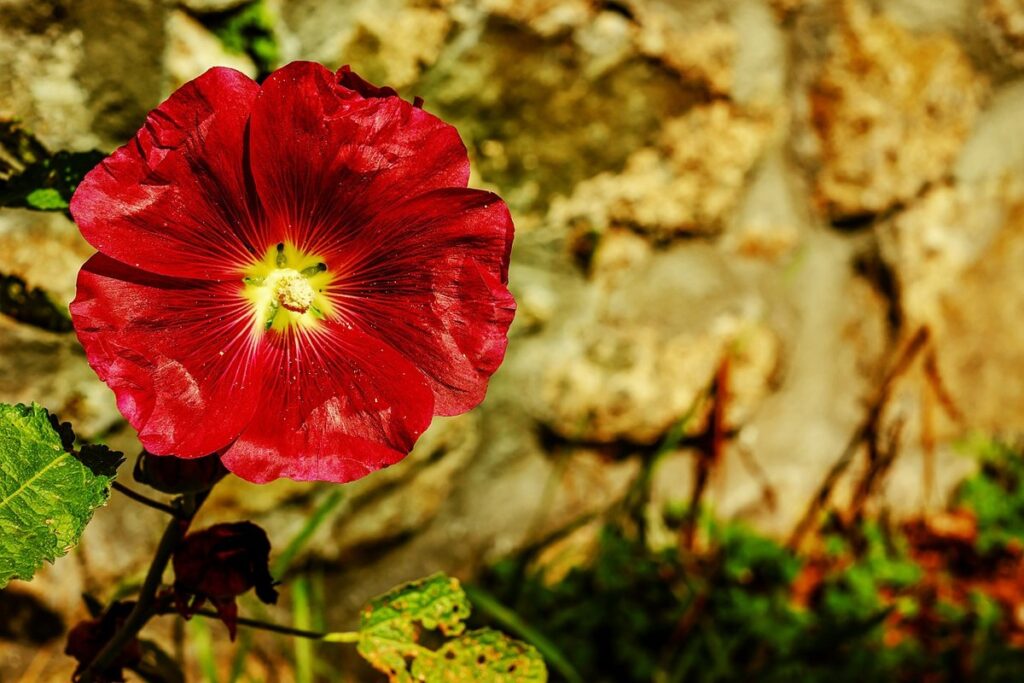
What is a Hollyhock Plant?
To get started on your hollyhock journey, let’s first explore what makes these stunning plants so special and how they fit into your garden landscape.
Description and History
Hollyhock plants have been a staple in gardens for centuries, and it’s not hard to see why. These towering flowers have captured the hearts of gardeners with their vibrant colors and statuesque presence. The history of hollyhocks dates back to ancient times, when they were cultivated by the Greeks and Romans for their ornamental value.
In fact, the name “hollyhock” is derived from the old English words “holein” and “hoc,” which refer to the plant’s hollow stems. This unique characteristic has made hollyhocks a popular choice among gardeners seeking to add a dramatic touch to their gardens.
Over time, hollyhocks have undergone significant changes through selective breeding, resulting in an array of colors, including red, pink, yellow, and white. These gorgeous flowers can grow up to 6 feet tall, making them a striking addition to any landscape design. Whether you’re a seasoned gardener or just starting out, hollyhock plants offer a low-maintenance yet high-reward option for adding visual interest to your outdoor space.
Types of Hollyhocks
When it comes to choosing the perfect hollyhock variety, you’ll find that there’s a wide range of options to suit every taste and garden style. One of the most popular types is single-flowered hollyhocks, which feature elegant, classic blooms with five petals in shades ranging from pure white to deep crimson. These varieties are often favored for their simple yet striking appearance.
Double-flowered hollyhocks take this concept a step further by boasting intricate blooms with layers of delicate petals. These varieties create a romantic, vintage look that’s perfect for cottage gardens and whimsical arrangements. If you’re looking for something truly unique, consider exploring the many varieties that feature unusual flower shapes, such as peony-like blooms or ruffled, pom-pom-style flowers.
In addition to these main categories, there are countless hybrids and cultivars to discover. Some popular examples include ‘Nigra’, a striking variety with dark maroon flowers, and ‘Centurion’, which boasts vibrant red blooms with yellow centers. By selecting the right type of hollyhock for your garden, you’ll be able to enjoy these stunning plants at their fullest potential.
Choosing the Right Variety
When it comes to growing hollyhocks, selecting the right variety is crucial for achieving the desired height, bloom time, and overall performance. This section will walk you through the process of choosing a variety that fits your needs.
Considerations for Your Garden
When selecting a hollyhock variety, it’s essential to consider several factors that will impact its growth and overall health. First and foremost, think about the mature height of the plant. Hollyhocks can grow quite tall, ranging from 6-18 feet, so make sure you have enough space for them in your garden. If you’re planting in a small or confined area, look for compact varieties that are bred to be shorter.
Another crucial consideration is the growth habit of the variety. Some hollyhock plants have a more upright growth habit, while others are more spreading and tend to self-seed. If you want a more controlled appearance in your garden, choose a variety with an upright growth habit. Disease resistance is also vital to consider, especially if you live in an area prone to rust or other foliage diseases.
Be sure to check the specific characteristics of each variety you’re considering and choose one that fits your needs and space constraints. This will ensure a beautiful display of hollyhocks in your garden without any maintenance headaches.
Popular Varieties for Beginners
If you’re new to growing hollyhocks, it’s essential to choose a variety that’s easy to grow and maintain. Some popular beginner-friendly options include ‘Nigra’, ‘Halo’, and ‘Spring Celebrid’.
These varieties have been bred specifically with beginners in mind, making them perfect for those who want to dip their toes into growing hollyhocks. ‘Nigra’ is a striking variety that produces deep purple-black flowers with a subtle sheen to them. It’s relatively compact, reaching heights of around 4-5 feet, making it ideal for smaller gardens or containers.
‘Halo’, on the other hand, boasts bright pink and white bi-colored blooms that add a pop of color to any garden. This variety is also known for its robust growth habit, producing tall stalks with minimal maintenance required. ‘Spring Celebrid’ is another great option for beginners, offering vibrant red flowers with golden centers. With these varieties, you can’t go wrong – they’re perfect for adding some drama and flair to your garden without the fuss of more delicate hollyhock varieties.
Growing Conditions for Hollyhocks
To ensure your hollyhock plants thrive, it’s essential to choose a location with well-draining soil and full sun, where they can grow up to 6 feet tall.
Sunlight and Soil Requirements
When it comes to growing hollyhocks, providing them with the right amount of sunlight and soil conditions is crucial for their survival. Hollyhocks are not picky about light, but they do require a significant amount of direct sunlight to thrive. Ideally, they should receive full sun for at least 6 hours a day, although partial shade can be tolerated in warmer climates.
When it comes to soil, hollyhocks prefer well-draining soil with a pH between 6.0 and 7.0. If your soil is heavy clay or prone to waterlogging, you may need to take steps to improve its drainage by adding organic matter such as compost or sand. A slightly acidic to neutral soil pH is ideal for hollyhocks, as this will allow them to absorb the nutrients they need to grow strong and healthy.
To ensure your hollyhock’s soil is suitable, test it using a DIY kit or consult with a local nursery expert. If necessary, amend the soil with lime to raise the pH if it’s too low or sulfur to lower it if it’s too high. By providing your hollyhocks with optimal sunlight and soil conditions, you’ll be well on your way to growing these stunning plants in your garden.
Planting and Spacing Tips
When planting hollyhocks from seed, make sure to sow them about 1/8 inch deep and 12-18 inches apart. This will give the seedlings room to grow without overcrowding, which can lead to disease and pest issues. If you’re transplanting seedlings, space them 24-36 inches apart to allow for proper air circulation.
It’s also essential to consider the mature height of the hollyhock plant when planting. Tall varieties can reach up to 8 feet high, so be sure to leave enough space between rows and plants to accommodate their growth. Planting in a staggered pattern or creating a raised bed with good drainage will also help to prevent root rot and other issues associated with overwatering.
Keep in mind that hollyhocks prefer full sun to partial shade and well-draining soil, which makes them ideal for garden beds with good air circulation. Avoid planting hollyhocks in low-lying areas where water may collect, as this can lead to fungal diseases and root rot. By following these simple spacing and planting tips, you’ll be well on your way to growing healthy and thriving hollyhock plants.
Caring for Hollyhocks
To keep your hollyhock plants thriving, it’s essential to understand their specific care needs, from watering and fertilization to pruning and pest control. Let’s dive into these details together.
Watering and Fertilization Needs
Watering is essential for hollyhocks, especially during their first year of growth. During hot and dry spells, ensure they receive at least 1 inch of water per week. Aim to water deeply once a week instead of shallowly every other day, encouraging the roots to grow deep into the soil.
As hollyhocks are drought-tolerant plants, overwatering can lead to weak and leggy growth. Avoid watering during the night or early morning when the sun is just rising, as this allows any excess moisture to evaporate quickly, minimizing the risk of fungal diseases. Mulching around the base of the plant also helps retain soil moisture and suppress weeds.
Regular fertilization promotes lush foliage and vibrant blooms in hollyhocks. Feed your plants with a balanced fertilizer (10-10-10) during spring when new growth begins, following the instructions on the label for application rates. Avoid overfertilizing, as this can damage your plant’s roots and lead to weak flowers. Also, take note of any local soil conditions that may affect nutrient availability and adjust fertilization accordingly.
Pruning and Support Requirements
Pruning hollyhocks is essential to maintaining their structure and promoting more blooms. After they finish blooming in mid-summer, cut back the flower stalks to about 6 inches from the ground. This will allow the plant’s energy to focus on re-growth rather than seed production.
To prevent toppling in strong winds or when laden with heavy flowers, provide support for your hollyhocks using stakes or a trellis. These supports should be placed as soon as the plants reach about 1-2 feet tall. Remove any weak or spindly growth from around the plant to maintain its shape and promote better air circulation.
You can also prune individual stems to encourage bushy growth and prevent legginess. Simply remove any long, weak growth tips, and trim back the plant’s foliage by one-third in late winter or early spring before new growth begins. This will help control the plant’s height and encourage more blooms throughout the growing season.
Common Problems and Pests
As you nurture your hollyhock plants, you may encounter some unwanted visitors or common issues that can affect their growth. This section will help you identify and tackle these problems effectively.
Dealing with Powdery Mildew and Other Issues
As you tend to your hollyhock plants, you may encounter some common issues that can affect their health and appearance. One of the most significant problems you’ll face is powdery mildew, a fungal disease that causes a white, powdery coating on leaves. This can be devastating if left unchecked, as it weakens the plant’s ability to thrive.
To prevent powdery mildew, ensure good air circulation around your plants by providing sufficient space between them and removing any nearby weeds or debris. Regularly inspect your hollyhocks for signs of the disease, such as yellowing leaves or white patches on the stem. If you notice any issues, treat the affected area with a fungicide specifically designed to combat powdery mildew.
Other pests like aphids can also infest your hollyhocks, causing curled or distorted leaves and stunted growth. Slugs and snails may also target your plants, leaving behind holes in leaves and flowers. To manage these issues, use neem oil or insecticidal soap to control aphid populations, while physical barriers like copper tape can deter slugs and snails. Regular monitoring of your plants will help you catch any problems early on, ensuring you can take swift action to prevent further damage.
Prevention and Treatment Strategies
Hollyhocks are prone to various issues that can impact their growth and health. To prevent and treat these problems, it’s essential to be aware of the common pests and diseases they attract.
Aphids, whiteflies, and spider mites often infest hollyhock leaves, causing damage and stunted growth. To control them, use neem oil or insecticidal soap according to the product’s instructions. Prune affected areas to prevent the pests from spreading further.
Root rot is another common issue caused by overwatering or poor drainage. Inspect your soil regularly, and ensure it drains well before planting. If you notice any soft spots on the stem, remove the affected part, and treat with a fungicide if necessary.
Regularly inspect your plants for signs of pests or diseases, and take action promptly to prevent these issues from spreading. By adopting these prevention and treatment strategies, you can keep your hollyhock plants healthy and thriving throughout their growth cycle.
Propagation and Division
Now that you’ve got a healthy hollyhock plant, it’s time to learn how to propagate and divide it to share its beauty with friends and family. This process is easier than you think!
Methods for Sharing Your Hollyhocks
When it comes to sharing your beautiful hollyhocks with friends and family, there are two effective methods: seed propagation and division of established plants.
Seed propagation is a great way to share hollyhocks as it allows you to produce multiple plants from a single packet of seeds. To start the process, gather fresh hollyhock seeds in late summer or early fall when the seed pods are dry and brittle. You can also purchase seeds from a reputable supplier. Sow the seeds directly into a well-draining seed starting mix, about ¼ inch deep and keep them warm until germination occurs.
Alternatively, you can propagate new plants by dividing established hollyhock roots in the spring when they’re dormant. Carefully dig up the entire plant, gently separating the roots with your fingers or a blunt instrument to create sections. Replant each section, making sure the crown is above soil level and water thoroughly. This method will give you healthier, more robust plants that are less prone to pests and diseases.
By using either of these methods, you’ll be able to share your stunning hollyhocks with others while also expanding your own plant collection.
Tips for Successful Division
Dividing mature hollyhock clumps can be a bit tricky, but with the right techniques, you’ll be rewarded with healthy new growth. Start by selecting a section of the clump that has around 3-5 stems and some roots attached. Dig carefully around this section to loosen the soil without damaging any of the roots.
When lifting the divided section out of the ground, gently tease apart any tangled roots using your fingers or a blunt instrument like a chopstick. This will help prevent the new growth from becoming pot-bound too quickly. Next, trim back the stems to about 6 inches from the base, just above a leaf node. This encourages new growth and helps the plant redirect its energy towards establishing itself.
Make sure each division has at least one growing point (the point where the stem meets the roots) to ensure regrowth occurs quickly. Plant the divided sections in well-draining soil with full sun to partial shade conditions, water regularly, and you’ll be enjoying vibrant blooms within a few months.
Frequently Asked Questions
Can I grow hollyhocks in containers?
Yes, you can grow hollyhocks in containers if you choose compact varieties that are bred for container growing. Make sure the container is at least 12-18 inches deep and has good drainage holes to accommodate the plant’s taproot.
How often should I water my hollyhock plants during hot weather?
Hollyhocks require consistent moisture, especially when they’re in bloom. Water them deeply once or twice a week, depending on the weather conditions. However, avoid overwatering, which can lead to root rot and other problems.
Can I propagate hollyhocks from seed?
Yes, you can propagate hollyhocks from seed. Start by collecting seeds from your mature plants in late summer or early fall. Sow them indoors 6-8 weeks before the last frost date in your area, and then transplant the seedlings outside when they’re about 6 inches tall.
What’s the best way to support hollyhock stems?
You can use bamboo stakes or wooden stakes to support the heavy flower spikes of hollyhocks. Simply drive the stake into the soil next to the plant, tie the stem to the stake using soft material like twine or wire, and make sure not to damage the stem.
Can I grow hollyhocks in full shade?
No, hollyhocks require at least 6 hours of direct sunlight per day to thrive. They will still produce some flowers in partial shade, but the blooms may be less vibrant and the plant’s overall growth may suffer. If you want to grow hollyhocks in a shadier location, consider using a variety that’s bred for shade tolerance.