
Aloe vera is one of those amazing plants that just keeps on giving. Not only do its gel-filled leaves soothe burns, calm skin irritations, and moisturize dry patches, but it’s also a low-maintenance beauty to have around the house. If you’re an avid aloe vera fan or looking for ways to expand your plant family, you’ll love learning how to propagate aloe vera cuttings. This ancient succulent has been prized for its medicinal properties for centuries, and with a little know-how, you can easily multiply it using various methods like leaf cutting propagation, stem cutting propagation, and root cutting propagation. In this article, we’ll dive into the expert tips on soil, potting, watering, and sanitation to ensure your new cuttings grow strong and healthy.
Understanding Aloe Vera Cuttings
When growing aloe vera cuttings, it’s essential to understand their unique characteristics and requirements for successful propagation. In this next part of our guide, we’ll dive into the specifics of aloe vera cuttings.
What Are Aloe Vera Cuttings?
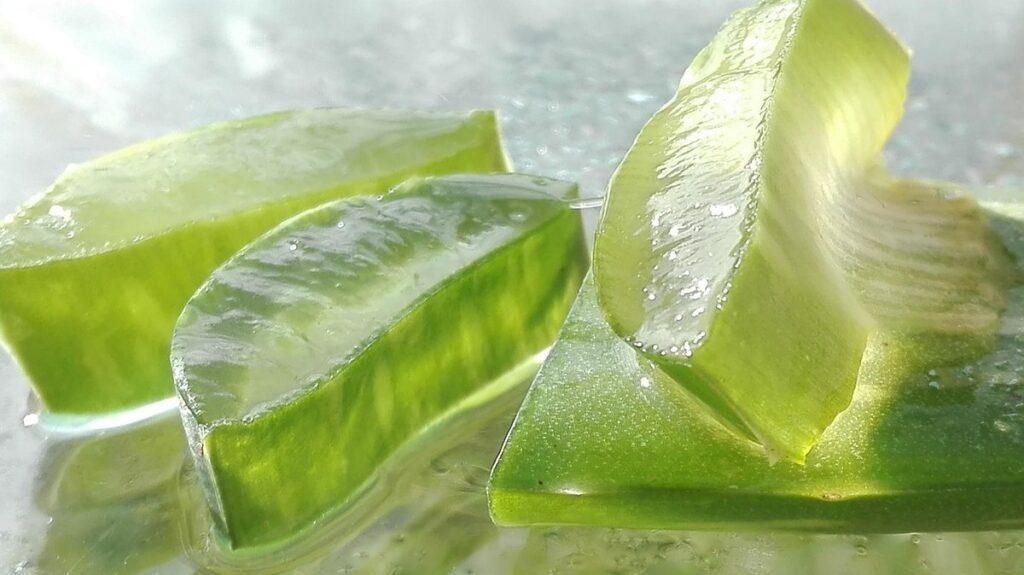
Aloe vera cuttings are small sections of the plant that can be used for propagation. They’re essentially tiny pieces of the parent plant that are taken and grown into new, mature plants. The purpose of aloe vera cuttings is to multiply and reproduce the plant, allowing you to share it with friends or expand your own collection.
Aloe vera cuttings have several benefits when it comes to plant propagation. For one, they allow for rapid reproduction, enabling you to quickly increase your plant count. This can be especially useful if you’re looking to harvest a large number of aloe vera plants for use in skincare products or other purposes. Additionally, using aloe vera cuttings reduces the risk of disease transmission, as the new plants are grown from healthy tissue.
To get started with growing aloe vera cuttings, look for mature leaves that have at least an inch of stem attached. This will give you the best chance of success when propagating. Simply snip off the leaf and allow it to dry out for a day or two before planting in well-draining soil. Keep in mind that not all aloe vera species are suitable for propagation via cuttings, so be sure to research your specific variety beforehand.
Types of Aloe Vera Cuttings
When it comes to growing aloe vera cuttings, you’ll want to choose the right type for optimal success. There are three primary types of aloe vera cuttings: leaf cuttings, stem cuttings, and root cuttings.
Leaf cuttings are by far the most popular choice among aloe vera enthusiasts. This method involves cutting off individual leaves from the mother plant, allowing them to dry out for 3-5 days to form a callus over the wound. After that, you can place the leaf in a pot filled with well-draining soil and water sparingly until roots develop.
On the other hand, stem cuttings require more maintenance but have a higher success rate. You’ll need to carefully remove the top 2-3 inches of the mother plant’s stem, making sure each node has at least one leaf. Place the cutting in a pot filled with moistened soil and maintain high humidity until roots appear.
Root cuttings are relatively rare and typically only used for propagation purposes. This method involves digging up the entire root system of the mother plant and separating it into individual sections. Each section can then be potted and cared for as a new plant.
When to Take Aloe Vera Cuttings
When it comes to taking aloe vera cuttings, timing is everything. You want to take them at the right moment to ensure they root and grow well. The ideal time to take aloe vera cuttings depends on several factors: plant age, seasonality, and environmental conditions.
For mature aloe plants (at least 2-3 years old), spring and summer are the best seasons for taking cuttings. During this period, the plant is actively growing, and the cutting will have a higher chance of rooting successfully. Avoid taking cuttings in fall or winter when the plant is dormant. You can identify the right time by checking if the plant has at least three to four new offsets (baby plants) around its base.
Another important factor is environmental conditions. Take cuttings when the temperature is consistently above 65°F (18°C), and there’s moderate humidity. Avoid taking cuttings in extremely hot or cold environments, as this can cause stress to the cutting and reduce rooting success. With these factors in mind, you’re ready to take aloe vera cuttings at the right time for optimal growth.
Preparation for Successful Propagation
To successfully propagate aloe vera cuttings, it’s essential to properly prepare them before planting, which involves some key steps you’ll want to follow carefully.
Soil and Potting Requirements
When it comes to providing the right environment for your aloe vera cuttings to thrive, soil and potting requirements are crucial. Aloe vera prefers well-draining soil that is slightly acidic to neutral in pH level. Aim for a pH range of 6.0 to 7.0, as this will allow the roots to absorb essential nutrients.
For potting, choose containers with good drainage holes to prevent waterlogged soil. Terracotta pots are ideal as they allow excess moisture to escape, but make sure to add a layer of impermeable material like plastic or ceramic at the bottom to prevent water from seeping into the soil. You can also use plastic or fiber pots, but ensure they have adequate drainage holes.
In terms of moisture needs, aloe vera cuttings prefer dry to medium moisture levels. Water sparingly until roots develop, then gradually increase watering as the plant grows. Avoid overwatering, which can lead to root rot and other problems. A general rule is to water when the top 1-2 inches of soil feel dry to the touch. By providing the right balance of soil and potting conditions, you’ll be well on your way to successfully propagating aloe vera cuttings.
Watering and Humidity Tips
Watering aloe vera cuttings requires a delicate balance. Overwatering can lead to root rot, while underwatering may cause the cutting to dry out and perish. As a general rule of thumb, water your cuttings sparingly, allowing the soil to dry out slightly between waterings. Aim for a frequency of once every 7-10 days during the first few weeks after propagation.
The ideal amount of water will depend on the size of the pot and the moisture level in the air. As a starting point, give each cutting about 1/4 cup of water per 6-inch pot. Monitor your cuttings’ response to this initial watering schedule and adjust as needed. Keep an eye out for signs of overwatering, such as soft, mushy leaves or black spots on the stem.
Maintaining optimal humidity levels is crucial for successful propagation. Aim for a relative humidity (RH) between 40-60%. You can achieve this by placing your cuttings on a tray filled with water and pebbles or using a humidifier nearby. This will help prevent moisture loss through transpiration, allowing the cutting to focus its energy on developing roots and shoots.
Sterilization and Sanitation Techniques
When handling aloe vera cuttings, it’s crucial to maintain a sterile environment to prevent the spread of disease and pests. To start, wash your hands thoroughly with soap and water before touching the cuttings. Next, prepare a sterilization solution by mixing 9 parts water with 1 part bleach in a clean container. Dip the cut ends into the solution for about 10-15 seconds, then gently shake off any excess liquid.
After sterilizing, transfer the cuttings to a sanitized propagation tray or pot filled with a well-draining mix. To sanitize your tools, soak them in the same bleach solution for at least 30 minutes before rinsing thoroughly with water. This will prevent cross-contamination and ensure healthy growth.
Regularly inspect your cuttings for signs of pests, such as mealybugs, spider mites, or scale. If you notice any infestations, treat the affected area immediately using insecticidal soap or neem oil according to the product’s instructions. By following these simple steps, you’ll create a clean environment for your aloe vera cuttings to thrive in.
Propagation Methods for Aloe Vera Cuttings
Now that you’ve successfully rooted your aloe vera cutting, it’s time to learn how to multiply your plant through various propagation methods. We’ll walk you through each step of these techniques.
Leaf Cutting Propagation
To propagate aloe vera using leaf cuttings, you’ll need to follow these steps. Start by selecting healthy leaves from mature aloe vera plants with at least two inches of stem attached to the base of the leaf. Remove the lower third of each leaf, making sure not to damage the remaining tissue.
Next, allow the cut ends to dry out for 1-3 days to form a callus over the wound. This helps prevent root rot and promotes healthy rooting. Once the calluses have formed, plant the leaves about an inch deep in well-draining potting mix, watering gently but thoroughly.
Water sparingly after planting as the roots develop. The ideal temperature for aloe vera propagation is between 65-75°F (18-24°C), with humidity levels above 50%. Transplant the new plants into individual pots once they’ve developed their own root systems, usually within 4-6 weeks.
Keep the soil consistently moist but not waterlogged during this period. Aloe vera cuttings can take several months to mature and develop full-growth potential.
Stem Cutting Propagation
When it comes to propagating aloe vera using stem cuttings, this method is a popular choice among enthusiasts and growers. The process involves cutting sections from the mature plant’s stem, allowing them to develop roots, and eventually transplanting them into individual pots.
To prepare for stem cutting propagation, choose healthy mother plants with thick, fleshy stems. Cut 3-4 inch segments, making sure each piece has at least one node (the joint where a leaf meets the stem). Remove any lower leaves that will be submerged in soil to prevent rot and minimize moisture loss.
For rooting, place the cut sections on a paper towel or cloth surface, allowing them to air dry for 1-3 days to form a callus. This will help reduce water loss and promote root development when transferred to moist conditions. Dip the cut ends into a rooting hormone powder or liquid to stimulate growth. Plant them in well-draining potting mix, keeping the soil consistently moist but not waterlogged.
Once roots have developed (typically 1-2 weeks), transplant the rooted sections into individual pots with a balanced fertilizer and continue normal care practices.
Root Cutting Propagation
To propagate aloe vera using root cuttings, you’ll need to focus on stimulating root growth while keeping the top part of the cutting intact. First, prepare the cutting by removing any remaining flowers or buds. This will help redirect energy towards developing roots.
Next, remove a portion of the stem, ideally with a node (where leaves meet the stem), and cut about 1-2 inches below it. Allow the cut end to dry out for 3-5 days to form a callus. This step is crucial in preventing rot and promoting root development.
Plant the cutting in well-draining soil, ensuring the node is buried while keeping the top part of the stem above the surface. Water sparingly until roots develop, as overwatering can lead to rot. Aftercare involves providing bright indirect light and maintaining a consistent temperature between 65-75°F (18-24°C). It may take several weeks for roots to establish themselves, but with proper care, you should start seeing new growth within 2-3 months.
Common Challenges and Solutions
Growing aloe vera cuttings can be tricky, but we’ve got you covered when it comes to common mistakes and their easy solutions. Let’s tackle these challenges head-on!
Overwatering and Underwatering
When it comes to growing aloe vera cuttings, proper watering is crucial. However, many enthusiasts encounter common challenges related to overwatering and underwatering. Recognizing the symptoms of these issues can help you address them promptly.
Overwatering typically manifests as soft or mushy leaves, which can be prone to rotting. This is often caused by too much water being retained in the soil, leading to root decay. If left unaddressed, overwatering can result in root damage and even kill your aloe cutting. To prevent this, ensure good drainage in your pot and avoid getting water on the leaves.
On the other hand, underwatering symptoms include wrinkled or brittle leaves that may drop off easily. This is usually due to inadequate moisture levels in the soil, causing stress to the plant. However, some experts recommend allowing aloe vera cuttings to dry out slightly between waterings, as this can promote healthy root growth.
To strike the right balance, check your cutting’s soil moisture by gently sticking your finger into the soil up to the first knuckle. Water only when the top inch of soil feels dry to the touch. Adjust your watering schedule based on temperature fluctuations and seasonal changes in humidity levels.
Root Rot and Pests
When growing aloe vera cuttings, it’s essential to be aware of potential problems that can arise. One common issue is root rot, which occurs when the roots of the cutting become waterlogged and start to decay. This can happen if you overwater your plants, or if they are exposed to too much moisture.
To prevent root rot, make sure to water your cuttings sparingly until they have developed a strong root system. You can also repot them in well-draining soil to help excess moisture escape. If you notice symptoms of root rot, such as yellowing leaves or soft spots on the stem, remove any affected areas and treat the plant with a fungicide.
Another problem that may affect your aloe vera cuttings is pests like mealybugs, spider mites, or scale. These tiny insects can suck the sap from the plant, causing damage and discoloration. To prevent infestations, keep an eye out for any signs of pests and treat your plants with insecticidal soap or neem oil if necessary. Regularly inspecting your cuttings and taking prompt action will help you maintain healthy, thriving aloe vera plants.
Advanced Techniques for Aloe Vera Cuttings
Now that you’ve mastered the basics of aloe vera cuttings, let’s dive into some more advanced techniques to take your plant propagation skills to the next level.
Layering and Grafting
For more experienced growers, layering and grafting offer exciting possibilities for propagating aloe vera cuttings. These advanced techniques allow you to take advantage of beneficial parent plants, enhance the chances of successful propagation, and create new, desirable characteristics in your offspring.
Layering involves bending or looping a stem down to the ground, where it will root. This can be done by attaching the stem to a rock, stick, or other support with wire or a twist-tie, allowing the roots to develop while still attached to the mother plant. To layer an aloe vera cutting, select a mature, healthy parent plant and choose a strong, upright stem with several leaves. Bend the stem down gently, securing it in place with a small amount of twine or wire, then wait for roots to appear – usually within 1-3 months.
Grafting involves attaching a stem piece from one plant to the root system of another. This technique is useful when you want to combine the benefits of two different plants, such as disease resistance and desirable growth characteristics. For aloe vera grafting, use a sharp knife or scalpel to remove a small section of bark from both the stem piece and the rootstock, then attach the two together using a gentle twisting motion, ensuring they fit snugly against each other. Keep the grafted area consistently moist during the first few weeks after grafting, until new growth appears.
Using Root Stimulants and Hormones
Using root stimulants and hormones can significantly enhance rooting and promote healthy growth in aloe vera cuttings. When it comes to encouraging new roots to develop, these substances play a crucial role. Root stimulants contain ingredients that mimic the effect of plant hormones such as auxins and cytokinins which stimulate cell division and promote root development.
Some popular root stimulant products include Clonex and Rootone, while hormone-based options like liquid rooting powders are also widely used. To use these products effectively, make sure to follow the manufacturer’s instructions for application rates and timing.
Using hormones in combination with root stimulants can have a significant impact on the success of your aloe vera cutting propagation. However, it is essential to note that overuse or misuse of these substances can cause more harm than good, leading to weak or deformed roots. Begin by applying a small amount of product to your cuttings and monitor their response before adjusting as needed.
In general, it’s recommended to use root stimulants 24-48 hours after taking the cutting, allowing for some initial healing time to occur.
Conclusion: Optimizing Aloe Vera Cuttings Success
Now that you’ve learned how to propagate and care for your aloe vera cuttings, it’s time to bring everything together with some final tips on optimizing their success.
Recap and Key Takeaways
As we conclude our ultimate guide to growing aloe vera cuttings, let’s recap the essential tips and techniques for successful propagation. To grow healthy aloe vera plants from cuttings, remember that patience is key – it can take anywhere from 2-6 weeks for roots to develop.
A crucial step in successful propagation is preparing the mother plant. Make sure to choose healthy, disease-free leaves with a small stem attached to increase chances of root growth. Remove any lower leaves and trim the leaf to about an inch above the node, creating a clean wound that will heal quickly and promote rooting.
It’s also vital to provide optimal conditions for your cuttings to thrive. Ensure they receive plenty of indirect sunlight (avoid direct sun which can cause scorching) and maintain a consistent temperature between 65-75°F (18-24°C). Water sparingly, allowing the soil to dry out slightly before rehydrating.
By following these steps and tips outlined in this guide, you’ll be well on your way to successfully growing aloe vera cuttings. Remember to monitor your plants closely for signs of healthy growth and adjust your care routine accordingly.
Future Directions and Research Opportunities
As you’ve mastered the art of growing aloe vera cuttings, it’s exciting to think about what the future holds for this propagation method. Emerging trends and ongoing research are shaping the way we approach aloe vera cultivation, and there are many opportunities to explore.
One area that’s gaining attention is genetic improvement through selective breeding and hybridization. By combining desirable traits such as faster growth rates, higher yields, or improved disease resistance, researchers aim to create more resilient and productive aloe vera varieties. For example, scientists have already successfully bred aloe vera hybrids with increased cold tolerance, opening up possibilities for cultivation in regions previously too chilly.
Another promising area of research is the use of biotechnology to enhance propagation efficiency. Advances in tissue culture techniques and plant gene editing tools could revolutionize the way we produce aloe vera cuttings, reducing reliance on conventional methods and increasing consistency.
Frequently Asked Questions
Can I propagate aloe vera cuttings during any time of the year?
Yes, aloe vera cuttings can be propagated throughout the year, but it’s essential to consider the plant’s natural growth cycle and climate conditions. Propagating in spring or summer months can lead to faster growth, while fall and winter may require more attention due to reduced light.
What’s the best method for rooting aloe vera cuttings: leaf cutting, stem cutting, or root cutting?
The choice of propagation method depends on your personal preference and the specific needs of your plant. Leaf cutting is ideal for beginners, as it requires minimal equipment and allows for rapid root development. Stem cutting and root cutting methods are more advanced and may require specialized tools.
How can I prevent overwatering when propagating aloe vera cuttings?
Overwatering is one of the most common mistakes when propagating aloe vera cuttings. To avoid this, make sure your propagation medium has excellent drainage, water sparingly until roots develop, and monitor the plant’s moisture levels regularly.
Can I use root stimulants or hormones to enhance rooting success with aloe vera cuttings?
Yes, using root stimulants or hormones can increase rooting success rates. However, it’s essential to choose products specifically designed for cacti and succulents, as they tend to be more sensitive to chemical treatments.
How long does it take for an aloe vera cutting to mature into a full-grown plant?
The time it takes for an aloe vera cutting to mature depends on factors like propagation method, care, and environment. Generally, you can expect leaf formation within 2-4 weeks after rooting, with the plant reaching maturity in about 6-12 months.
Can I propagate aloe vera cuttings from offsets or baby plants?
Yes, offsets or baby plants can be used for propagation, but they require special care to ensure healthy development. Offsets should be separated from the parent plant as soon as possible and given their own potting mix, water, and light conditions.