
Are you ready to take your outdoor space to the next level? A beautiful, lush lawn is just within reach with our comprehensive thyme lawn guide. But before we dive into the nitty-gritty details, let’s talk about why thyme is an excellent choice for a low-maintenance lawn. Not only does it require less water and care than traditional grass lawns, but it also boasts a host of other benefits – from repelling pests to adding fragrance to your outdoor space.
In this ultimate guide, we’ll cover everything you need to know to plant, care for, and maintain a stunning thyme lawn. We’ll explore the different varieties of thyme available, share expert tips on planting techniques, and discuss how to troubleshoot common issues that may arise. By the end of this article, you’ll be well-equipped to create a beautiful, thriving thyme lawn that will be the envy of your neighbors.
Choosing the Right Thyme Variety
When it comes to planting a thyme lawn, choosing the right variety is crucial for success. Let’s dive into the different types of thyme and how to pick the best one for your needs.
Section 1.1: Types of Thyme for Lawns
When it comes to choosing the right thyme variety for your lawn, there are several options to consider. Creeping thyme (Thymus serpyllum) is a popular choice, as it’s a low-growing, spreading groundcover that can form a lush, weed-suppressing mat of tiny leaves. It’s perfect for areas with heavy foot traffic, and its small size makes it ideal for lawns with uneven terrain.
Woolly thyme (Thymus lanuginosus), on the other hand, is a taller, more upright variety that produces woolly, grayish foliage and pink flowers in summer. While not as dense as creeping thyme, it’s still an excellent option for lawns where you want a bit of texture and visual interest.
Lemon thyme (Thymus x citriodorus) is another popular choice, with its bright green leaves bearing the distinctive scent of lemon. It’s relatively fast-growing and can form a dense mat, but be aware that it may require more maintenance than creeping or woolly thyme to keep it looking its best.
When selecting a thyme variety for your lawn, consider factors like growth habit, foliage color, and flowering times. By choosing the right type of thyme for your specific needs, you’ll create a beautiful, low-maintenance lawn that’s perfect for outdoor entertaining or simply enjoying nature.
Section 1.2: Considering Climate and Soil Conditions
When choosing the right thyme variety for your lawn, it’s essential to consider the climate and soil conditions where you live. Thyme is a versatile herb that can thrive in various environments, but some types perform better than others.
Firstly, think about the temperature range in your area. If you live in a hot and dry climate, opt for drought-tolerant thyme varieties like ‘Elfin’ or ‘Pink Chintz’. These varieties have adapted to withstand high temperatures and can tolerate neglect. On the other hand, if you live in an area with cooler winters, consider ‘Silver Posie’ or ‘English Garden’, which are more resistant to frost.
Soil type is another crucial factor to consider. Thyme prefers well-draining soil with a pH between 6 and 7. If your soil is heavy clay or sandy, choose thyme varieties that can tolerate these conditions. For instance, ‘Creeping’ thyme is an excellent option for areas with poor drainage.
Lastly, ensure the thyme variety you select receives sufficient sunlight. Most thyme varieties require at least six hours of direct sunlight per day. If your lawn receives dappled shade or partial sun, choose a thyme variety that can tolerate these conditions, such as ‘Lemon’ or ‘Orange’. By considering climate, soil type, and sunlight requirements, you’ll be able to select the best thyme variety for your lawn, ensuring it thrives with minimal maintenance.
Preparing Your Lawn for Thyme Planting
Before you start planting thyme, it’s essential to prepare your lawn by removing any debris and weeds that could compete with your new thyme plants. This will give them a healthy head start.
Section 2.1: Lawn Preparation Essentials
Before planting thyme on your lawn, it’s essential to prepare the soil to ensure optimal growth and establishment of the herb. Weeds can be a significant threat to young thyme plants, so it’s crucial to remove them before planting. Use a weeding fork or hand-weeders to carefully pull out weeds from the area where you plan to plant thyme. For larger areas, consider using a mulching mower or string trimmer to make the process more efficient.
Aerating the soil is also vital for thyme growth. Thyme prefers well-draining soil and can be susceptible to root rot if it’s too dense. Use a fork or aerator to loosen the top 8-10 inches of soil, allowing air and water to penetrate deeper into the roots. If your lawn has heavy clay or sandy soils, you may need to adjust the pH levels. Most thyme varieties prefer a slightly acidic to neutral soil pH between 6.0 and 7.0. Use a soil testing kit to determine your lawn’s current pH level and take corrective measures if necessary.
By taking these essential steps in preparing your lawn for thyme planting, you’ll be creating an ideal environment for the herb to thrive. This will also reduce the risk of pests, diseases, and other common problems associated with thyme cultivation.
Section 2.2: Thyme Planting Techniques
When it comes to planting thyme seeds or seedlings in your lawn, there are several techniques to keep in mind for successful growth. For direct sowing of thyme seeds, prepare a well-draining soil with a pH between 6.0 and 7.0, as thyme prefers slightly acidic to neutral conditions.
Sow the seeds about 1/8 inch deep and 12-18 inches apart, covering them with a thin layer of soil. Keep the soil consistently moist during the first few weeks after sowing until germination occurs. For seedlings, space them 12-18 inches apart, depending on the variety. Dig individual holes for each seedling, making sure not to damage the roots.
Water your thyme plants thoroughly after planting and keep the soil consistently moist throughout the growing season. Mulch around the plants to retain moisture and suppress weeds, but avoid piling mulch directly against the stems to prevent rot. By following these techniques, you can establish a thriving thyme lawn that requires minimal maintenance and provides long-lasting fragrance and beauty.
Thyme Lawn Care and Maintenance
To keep your thyme lawn looking its best, regular care and maintenance are crucial. In this section, we’ll dive into the specific needs of a healthy thyme lawn.
Section 3.1: Watering and Irrigation Strategies
Watering thyme lawns requires a delicate balance between providing enough moisture and avoiding overwatering. Thyme is drought-tolerant, but it still needs regular watering to thrive. Aim to water your thyme lawn once or twice a week during the growing season, depending on weather conditions.
To ensure proper depth, use a soaker hose or a drip irrigation system to deliver water directly to the roots of the plants. Avoid overhead sprinklers that can lead to overwatering and promote fungal diseases. Water in the morning or early afternoon when the sun is not too intense, allowing the leaves to dry out before nightfall.
Be cautious not to underwater thyme, as this can cause stress and make it more susceptible to pests and diseases. Monitor soil moisture by inserting a finger into the soil up to the knuckle; if the soil feels dry, it’s time to water. Aim for about 1-2 inches of water per week, either from rainfall or irrigation.
By following these watering strategies, you’ll be able to keep your thyme lawn healthy and thriving throughout the growing season.
Section 3.2: Fertilization and Pruning Practices
Thyme lawns require careful fertilization to promote healthy growth and prevent disease. The ideal time for fertilizing thyme is during its active growing season, typically from spring to early summer. A balanced fertilizer with a ratio of 10-10-10 (nitrogen-phosphorus-potassium) is suitable for thyme lawns. You can also use an organic fertilizer like compost or manure tea, which will provide essential nutrients without burning the roots.
When fertilizing your thyme lawn, be cautious not to over-fertilize, as this can lead to weak growth and increased susceptibility to pests and diseases. A good rule of thumb is to apply a light layer (about 1/4 inch) of fertilizer in early spring and another application in late summer.
In addition to fertilization, regular pruning is essential for maintaining the shape of your thyme lawn, promoting new growth, and preventing disease. Prune your thyme lawn regularly during the growing season by removing any dead or damaged leaves and stems. This will encourage bushy growth and prevent the formation of bare spots. Use sharp pruning tools to minimize damage to the plant and avoid over-pruning, which can stress the plant and lead to disease.
Common Thyme Lawn Problems and Solutions
As a thyme lawn owner, you’re likely familiar with some of the common issues that can arise, from pests and diseases to uneven growth and bare spots. In this section, we’ll tackle these problems head-on.
Section 4.1: Identifying Pests and Diseases
Thyme lawns are susceptible to various pests and diseases that can cause damage and affect their appearance. One common issue is nematodes, microscopic worms that feed on thyme’s roots, causing stunted growth and yellowing leaves. To identify nematode infestations, look for symptoms such as distorted or stunted growth, and inspect the soil for tiny white specks.
Fungal infections are another concern, particularly during periods of excessive moisture. These can manifest as powdery mildew, leaf spot, or root rot. Regularly inspect your thyme lawn for signs of fungal activity, such as black spots on leaves or a cottony growth on stems.
Insect infestations, including aphids and whiteflies, can also cause damage to your thyme lawn. These pests feed on sap, causing curled or distorted leaves. To manage these issues, practice good gardening hygiene, such as removing weeds and debris that can harbor pests, and use organic pest control methods whenever possible.
Section 4.2: Addressing Soil Erosion and Compaction
Soil erosion and compaction are two common issues that can affect thyme lawns. Soil erosion occurs when topsoil is washed away by water, leaving behind a layer of compacted soil. This can be due to heavy rainfall, poor drainage, or even overwatering. Compaction, on the other hand, happens when soil particles are pressed together, making it difficult for roots to grow and air to penetrate.
To address these issues, it’s essential to implement measures that promote soil stability and prevent erosion. One way is to use mulch or compost to cover the soil surface, preventing water from running off and washing away topsoil. Additionally, avoid overwatering, as this can lead to excessive runoff and erosion. You can also install a French drain system to direct water away from the thyme lawn.
To prevent compaction, try to minimize foot traffic on your lawn, especially during peak growing seasons. If you must walk on the lawn, use stepping stones or boards to distribute weight evenly. Aerate your thyme lawn annually to loosen compacted soil and promote root growth. By addressing these common problems proactively, you can maintain a healthy and thriving thyme lawn.
Benefits of Thyme Lawns: Wildlife Support and Maintenance Benefits
A thyme lawn not only looks beautiful, but it also provides vital support to local wildlife, from bees to butterflies and even rabbits. We’ll explore these benefits in more detail below.
Section 5.1: Wildlife-Friendly Habitat Creation
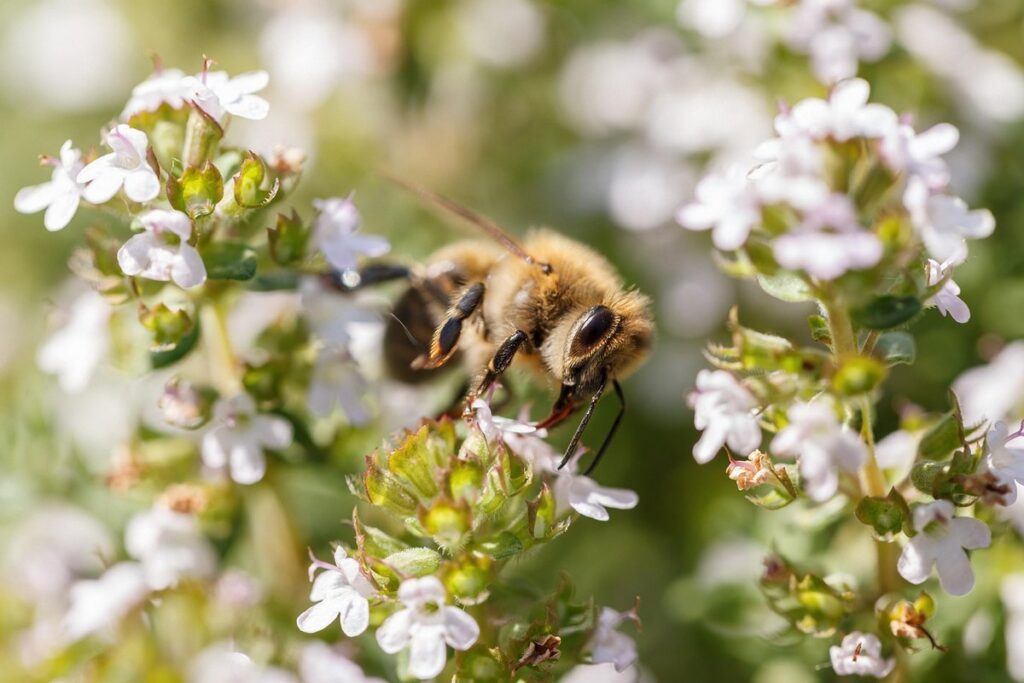
Creating a wildlife-friendly habitat is one of the greatest benefits of having a thyme lawn. These low-maintenance lawns provide a diverse and thriving ecosystem that attracts beneficial insects, pollinators, and other wildlife. By planting thyme as a groundcover, you’re creating a haven for bees, butterflies, and other pollinators.
Thyme is an excellent choice for attracting these beneficial creatures due to its ability to attract pollinators and provide food sources for them. The flowers of the thyme plant are rich in nectar and pollen, making it an attractive option for bees, wasps, and butterflies. By planting a diverse mix of thyme species, you can create a dynamic ecosystem that supports a wide range of wildlife.
To take your thyme lawn to the next level, incorporate native plants and flowers that provide additional food sources and shelter for wildlife. Some excellent options include lavender, rosemary, and coneflower. These plants will not only add visual interest but also support the local pollinator population.
Section 5.2: Low-Maintenance Advantages
One of the most significant advantages of thyme lawns is their low-maintenance requirements. Unlike traditional grass lawns, thyme lawns are extremely hardy and can thrive with minimal care. They require less watering, mowing, and fertilizing, making them an excellent choice for busy homeowners or those who want to reduce their environmental footprint.
Thyme lawns also have a natural weed-suppressing ability, reducing the need for herbicides and other chemicals. This is because thymes release oils that prevent weeds from germinating, creating a self-sustaining ecosystem. Additionally, thyme lawns can tolerate foot traffic, making them ideal for areas with high pedestrian activity.
To make the most of your thyme lawn’s low-maintenance advantages, be sure to plant it in well-draining soil and provide regular watering during its first year. After that, simply prune the thyme plants once a year to maintain shape and encourage new growth. With these simple steps, you can enjoy a beautiful, eco-friendly lawn with minimal upkeep.
Thyme Lawn Design Ideas and Inspiration
Transforming your outdoor space into a beautiful thyme lawn is easier than you think, and we’re excited to share some stunning design ideas to get you started. From simple to show-stopping, these concepts will inspire your next gardening project.
Section 6.1: Creating Thyme-Themed Gardens
When it comes to incorporating thyme into your garden design, the possibilities are endless. One of the most creative ways to do this is by creating a thyme-themed garden that showcases the beauty and fragrance of these versatile herbs. Here are some design ideas to get you started:
For a beautiful border, plant thyme along with other low-maintenance herbs like rosemary or oregano. The key is to choose plants with similar growing conditions and maintenance requirements to ensure a harmonious blend. For example, pair creeping thyme with purple coneflower for a striking combination that attracts pollinators.
In containers, thyme thrives as a groundcover or spiller. Train it to cascade over the sides of hanging baskets or planters for a lovely display. Combine thyme with other herbs like basil or mint for a fragrant and visually appealing container garden.
Consider incorporating thyme into your lawn design by using it as a groundcover, replacing traditional grasses in areas that receive full sun to partial shade. This low-maintenance approach saves water and reduces mowing needs, making it an attractive option for busy gardeners.
Section 6.2: Companion Planting Strategies
When it comes to designing a thyme lawn, companion planting is an excellent way to create visually appealing and beneficial plant combinations. By pairing thyme with other plants that share similar growing conditions and requirements, you can enhance the overall health and appearance of your lawn.
Some popular companion plants for thyme include rosemary, lavender, and oregano. These Mediterranean herbs not only complement thyme’s fragrance but also attract pollinators and help to repel pests. For example, pairing thyme with marigold can deter nematodes and other pests that target thyme roots.
When selecting companion plants, consider the mature size of each plant and leave enough space for them to spread out. A general rule of thumb is to plant companion herbs 6-12 inches apart from one another. By combining thyme with other herbs in this way, you can create a lush, fragrant lawn that’s perfect for cooking and entertaining.
Conclusion: Tips for Successful Thyme Lawn Establishment
Now that you’ve completed planting your thyme lawn, it’s essential to establish good habits to ensure its success. Regular watering is crucial, especially during hot summer months. Aim to provide about 1-2 inches of water per week, either through rainfall or irrigation. To prevent overwatering, which can lead to root rot and other issues, make sure the soil drains well before and after planting. Additionally, maintain a consistent mowing height of around 2-3 inches to encourage healthy growth and prevent weeds from taking over. Fertilize your thyme lawn lightly in early spring with a balanced fertilizer to promote healthy development. By following these simple tips, you’ll be on your way to enjoying a lush and fragrant thyme lawn for years to come. With proper care, this low-maintenance lawn alternative will thrive in even the most challenging conditions.
Frequently Asked Questions
Can I mix different types of thyme to create a unique lawn design?
You can definitely experiment with blending different varieties of thyme to achieve a one-of-a-kind look for your lawn. This approach is often referred to as “companion planting.” However, keep in mind that combining multiple thyme species may affect their growth rates and flowering patterns. It’s essential to choose thymes with similar growing conditions and maintenance requirements.
How do I ensure my thyme lawn receives adequate sunlight?
Thyme lawns generally require at least 6 hours of direct sunlight per day to thrive. If your area experiences partial shade, consider supplementing with grow lights or selecting thyme varieties that are more tolerant of shade. Additionally, pruning regularly can help maintain a healthy density and encourage new growth.
What’s the best time to plant thyme for optimal establishment?
In regions with mild winters, you can plant thyme lawns year-round. However, in areas with harsh winters, fall (August or September) is an excellent time for planting thyme, as the cooler temperatures and reduced watering needs promote healthy root development during the dormant season.
How do I control weeds in my new thyme lawn?
Weeds are less likely to compete with thyme when it’s properly established. To maintain a weed-free thyme lawn, make sure to water regularly (about 1-2 inches per week) and apply a balanced fertilizer annually. Regular pruning also helps keep the thyme mat dense, reducing opportunities for weeds to take hold.
Can I use thyme lawns in areas with heavy soil erosion or compaction?
While thyme is more tolerant of compacted soil than traditional grasses, it’s still essential to address any underlying issues before planting. Consider using geotextiles or other erosion-control measures to stabilize the soil and prevent further damage. Thyme can then help reinforce the soil structure and create a stable growing environment.