
Are you worried about your beautiful lemon tree struggling through UK winters? Many gardeners in the UK are unsure how to care for their citrus trees during the cold months, and it’s easy to see why. Lemon trees require a delicate balance of warmth, sunlight, and protection from frost, which can be challenging to replicate in our temperate climate.
In this article, we’ll explore the essential tips and techniques you need to know to keep your lemon tree thriving year-round. We’ll discuss how to choose the right variety for your UK garden, pruning methods to promote healthy growth, and clever protection techniques to shield your tree from harsh winter conditions. By following our expert advice, you can revive damaged trees and ensure a bountiful harvest of juicy lemons come springtime.
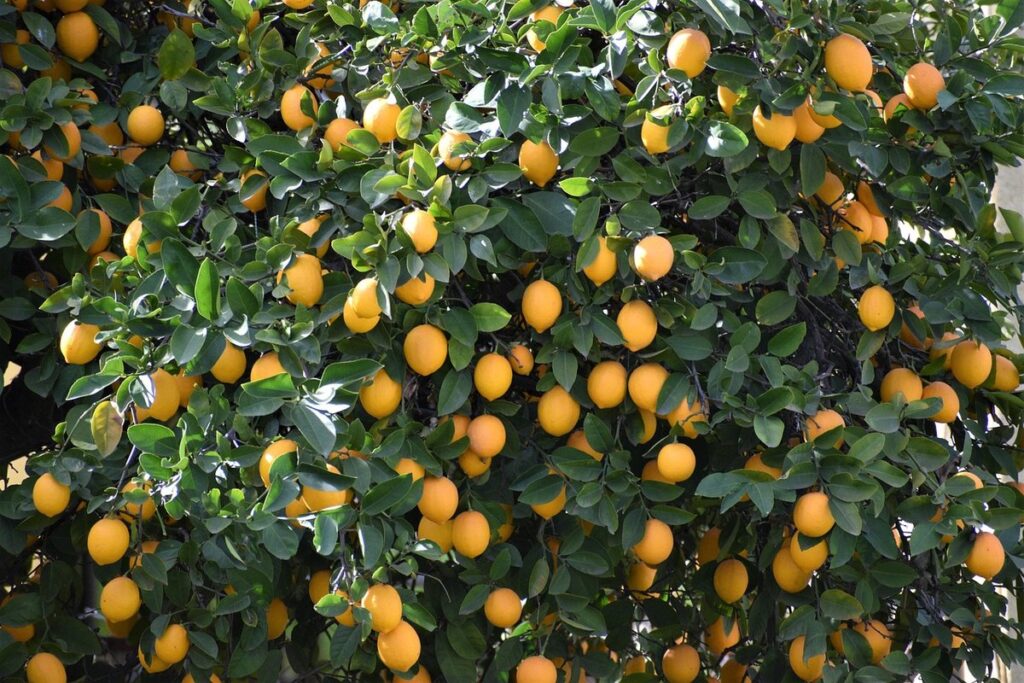
Choosing the Right Variety
When it comes to choosing a lemon tree for your UK garden, understanding its specific needs and characteristics is crucial. Selecting the right variety will ensure a healthy and thriving tree throughout the winter months.
Selecting a Cold-Hardy Lemon Tree
When selecting a cold-hardy lemon tree for your garden in the UK, it’s essential to focus on varieties that can tolerate frost and chilly winters. Some popular options include ‘Meyer’, ‘Ponderosa’, and ‘Yen Ben’ lemons, which are known for their resilience against cold temperatures.
These trees have been bred specifically to thrive in cooler climates and can withstand temperatures as low as -2°C to -5°C (28°F to 23°F). When choosing a tree from a nursery or garden center, look for one with a well-developed root system and a sturdy trunk. A healthy tree will also have vibrant green leaves and produce plenty of fresh growth.
When inspecting the tree, check for any signs of damage or disease. Make sure the tree is potted in a container that’s at least 30cm deep to accommodate its taproot. Finally, choose a tree with a compact or dwarf variety to ensure it fits well within your garden space. By selecting the right cold-hardy lemon tree, you’ll be able to enjoy fresh lemons even during the UK’s coldest winter months.
Understanding Lemon Tree Rootstocks
When selecting a lemon tree for winter care in the UK, it’s essential to consider the rootstock, as it plays a significant role in determining the tree’s hardiness and ability to withstand harsh winters. Popular rootstocks like Rangpur and Yuzu are often used due to their vigour and cold tolerance.
Rangpur rootstock, for instance, is a hybrid of Citrus limon and Fortunella margarita, which provides excellent cold hardiness and adaptability to UK climates. This makes it an ideal choice for gardeners looking for a lemon tree that can tolerate frosty winters. On the other hand, Yuzu rootstock is a Japanese citrus variety known for its high acid content and aromatic flavour. While it’s less tolerant of extreme cold, it excels in warmer conditions.
When choosing between these options, consider your specific climate and soil type. If you live in an area prone to harsh winters, Rangpur might be the better choice. However, if you’re looking for a more fragrant and acidic variety, Yuzu could be worth exploring. Research local nurseries or online suppliers that offer rootstocks suitable for UK conditions, ensuring your lemon tree receives the best possible start in life.
Preparing Your Lemon Tree for Winter
As winter approaches, it’s essential to prepare your lemon tree for the cold months ahead by protecting it from frost and ensuring its continued health.
This section will walk you through the steps to get your lemon tree ready for the UK’s chilly winters.
Pruning and Shaping
Pruning and shaping your lemon tree is an essential part of winter preparation. As the temperatures drop, your tree will benefit from a good prune to maintain its health and promote new growth come spring. Start by cutting back any overgrown branches that are touching other trees or structures, as these can be damaged by snow and ice.
Remove any deadwood you find, making sure to cut at a 45-degree angle just above a bud or lateral branch. This will help prevent water from collecting on the exposed wood and reduce the risk of disease. Don’t worry too much about maintaining the tree’s natural shape – it’s better to focus on removing weak growth and promoting healthy development.
When pruning, be mindful that this can stress your tree, making it more susceptible to cold damage. However, a well-timed prune can also help the tree focus its energy reserves for winter survival. Aim to prune your lemon tree in late autumn or early winter, when the risk of frost is reduced, and give it plenty of time to recover before spring growth begins.
Mulching and Protection from Frost Damage
Mulching around the base of your lemon tree is an essential step in preparing it for winter. This simple yet effective technique helps to regulate soil temperature, retain moisture, and suppress weeds that can compete with your tree for water and nutrients. Use a thick layer (around 5-7 cm) of organic mulch such as wood chips or bark to cover the area around the trunk, extending outwards by about 60 cm.
In addition to mulching, protecting your lemon tree from frost damage is crucial during winter. Frost can cause irreparable damage to young trees and even kill mature ones if severe enough. To prevent this, wrap or cover your tree with a breathable sheet or fleece, ensuring it’s not too tight and leaves space for growth. Bring potted lemons under cover or move them to a frost-free area, such as a garage or conservatory.
When using protective covers, ensure they allow for air circulation to prevent moisture buildup and potential diseases. It’s also essential to remove any covers during warmer days to let your tree ‘breathe’. By combining mulching with protection from frost damage, you’ll give your lemon tree the best chance of surviving the harsh UK winter conditions.
Providing Adequate Care During Winter Months
Now that we’ve covered protection from frost and cold temperatures, let’s discuss the specific care your lemon tree will need to thrive during the UK winter months. This includes regular pruning and monitoring for pests and diseases.
Watering and Irrigation
Watering and irrigation are crucial aspects of lemon tree care during winter months in the UK. When it comes to watering, it’s essential to strike a balance between keeping the soil moist and preventing overwatering. A good rule of thumb is to water your lemon tree once a week, but this can vary depending on weather conditions.
During winter, the days are shorter, and the temperature is cooler, which means the tree’s water needs decrease significantly. However, if you’re using a greenhouse or indoor space with controlled climate, you may need to adjust your watering schedule accordingly. It’s also crucial to check the soil moisture by inserting a finger into the soil up to the knuckle; if it feels dry, it’s time for a drink.
Proper soil preparation is equally important. Use a well-draining potting mix that retains moisture but prevents waterlogged soil. This will help prevent root rot and ensure your lemon tree receives the right amount of water during winter.
Fertilizing for Winter Health
When it comes to maintaining your lemon tree’s health during the winter months in the UK, fertilizing plays a crucial role. As the temperatures drop and daylight hours decrease, your tree will require less nitrogen-rich fertilizers, which can promote excessive growth that may not have time to harden off before winter.
Instead, opt for micronutrient-based fertilizers that provide essential minerals like iron, zinc, and magnesium. These nutrients will help strengthen your tree’s immune system and prepare it for the challenging conditions ahead. Consider using a balanced fertilizer (e.g., 10-10-10 NPK) with added micronutrients to ensure your tree receives all the necessary nutrients.
For organic options, look into using compost or well-rotted manure, which are rich in beneficial microbes that can aid in nutrient uptake and soil structure improvement. A general rule of thumb is to fertilize lightly every 4-6 weeks during winter, as over-fertilization can damage your tree’s roots and lead to unnecessary stress. By providing the right balance of nutrients, you’ll be supporting your lemon tree’s resilience and promoting a healthy recovery come springtime.
Protecting Your Lemon Tree from Pests and Diseases
As a lemon tree owner, it’s essential to protect your tree from pests and diseases that can thrive during winter, causing damage to your valuable citrus plant. In this section, we’ll cover common threats and provide practical tips for prevention and management.
Common Winter Pests and How to Control Them
As the winter months approach in the UK, lemon trees become more vulnerable to pests that thrive in cooler temperatures. Among the common culprits are aphids, whiteflies, and spider mites, which can cause significant damage to your tree’s health.
Aphids are small, soft-bodied insects that feed on sap, causing curled or distorted leaves. Whiteflies, on the other hand, are tiny flying insects that suck sap from leaves, resulting in yellowing or stunted growth. Spider mites are microscopic arachnids that spin fine webs and feed on sap, leaving behind a fine dust.
To recognize signs of infestation, look for these pests on the undersides of leaves, stems, or on nearby soil. If you notice any of these signs, act quickly to prevent further damage. To control aphids, whiteflies, and spider mites:
* Use neem oil or insecticidal soap to repel and kill these pests.
* Regularly inspect your tree for any signs of infestation.
* Maintain good hygiene by washing your hands before handling your tree.
* Avoid overwatering, which can attract these pests.
Preventing Fungal Diseases in Winter
As winter sets in, lemon trees in the UK are more susceptible to fungal diseases like root rot and leaf spot. These conditions thrive in damp, cool environments, making winter an ideal breeding ground for them. To prevent these issues from arising, it’s crucial to implement proper hygiene practices and cultural adjustments.
Firstly, ensure that your lemon tree is situated in a well-ventilated area, away from any waterlogged soil or standing water. This will discourage the growth of fungal spores that thrive in moist environments. Regularly inspect your tree for signs of disease, such as yellowing leaves or softening bark, and address them promptly.
To maintain healthy roots, avoid overwatering during winter when the tree is dormant. Instead, reduce watering to once a fortnight, allowing the soil to dry slightly between waterings. This will prevent root rot from taking hold. Additionally, prune any dead or diseased branches to minimize the risk of fungal diseases spreading throughout the tree.
By following these guidelines and staying vigilant, you can significantly reduce the risk of your lemon tree contracting fungal diseases during winter.
Reviving Your Lemon Tree After a Harsh Winter
If your lemon tree has suffered from the harsh UK winter, don’t worry – we’ve got you covered. In this section, we’ll share expert tips to revive and restore your citrus beauty back to health.
Identifying Signs of Stress or Damage
As you inspect your lemon tree after a harsh winter, it’s essential to identify signs of stress or damage. One of the first things to look out for is yellowing leaves. This can be a sign that your tree has been subjected to cold temperatures, frost, or prolonged periods of drought. Check the undersides of leaves, as this is often where you’ll find telltale white spots caused by fungal infections.
Dropped fruit is another indication that your lemon tree may be struggling. If your tree was producing well before winter but now seems barren, it could be due to root damage or lack of nutrients. Inspect the trunk and branches for any visible cracks, splits, or scarring – these can be signs of structural damage caused by wind or snow.
If you notice any of these issues, don’t panic! Your lemon tree is likely to recover with proper care. Begin by pruning any damaged or diseased branches, followed by a thorough fertilization and repotting in well-draining soil. Monitor your tree closely for the next few weeks, making adjustments as needed to ensure it receives optimal conditions for growth and recovery.
Recovery Strategies for Damaged Trees
If you’re reading this, it’s likely that your lemon tree has fallen victim to the harsh UK winter and is now struggling to recover. Don’t worry, there are ways to revive a damaged lemon tree, but the key lies in recognizing the extent of the damage and taking prompt action.
Before we dive into the recovery strategies, let’s consider how to assess the damage. Check for dead or dying branches by gently tugging on them – if they come off easily, it’s likely that the cold has caused irreparable harm. Remove any dead wood as soon as possible to prevent further decay and encourage new growth.
Repotting your lemon tree may be necessary if the roots have been damaged due to waterlogged soil or frost heave. Choose a well-draining potting mix and repot in early spring, when the risk of frost has passed. Pruning is also essential for promoting healthy regrowth – remove any weak or diseased branches, and cut back overgrown stems to encourage bushy growth.
It’s also time to adjust your care practices. Move your tree to a brighter location with more consistent temperatures between 12-18°C (54-64°F). Water sparingly but regularly, making sure not to let the soil dry out completely. With patience and proper care, you can help your lemon tree recover from the winter’s chill and thrive once again.
Conclusion
By following this comprehensive guide on lemon tree winter care in the UK, you’ll be well-equipped to protect your citrus plant from the harsh winter months. Remember, consistency is key – stick to a regular watering schedule and keep an eye out for any signs of cold stress or frost damage. If possible, bring your lemon tree indoors to provide extra protection against extreme temperatures. Don’t forget to repot your tree in the spring when it’s back outside, taking advantage of the warmer weather to promote healthy growth.
Keep an eye on your tree’s condition over the winter months and be prepared to take action if necessary. With proper care, your lemon tree should thrive come springtime, providing a bountiful harvest of juicy lemons for years to come.
Frequently Asked Questions
Can I protect my lemon tree from frost damage if it’s not a cold-hardy variety?
Yes, while cold-hardy varieties are more resilient to frost, you can still take steps to protect your non-cold-hardy lemon tree. Bring potted trees indoors or move them to a sheltered location during extreme cold snaps, and cover the soil with mulch to insulate the roots.
How often should I water my lemon tree in winter, considering the reduced sunlight?
In winter, reduce watering to once every 4-6 weeks, as the tree is dormant. However, if you’re using a greenhouse or indoor setup, ensure the soil isn’t too dry by checking it regularly. Watering too little can cause root damage, while overwatering may lead to root rot.
What are some signs of stress or damage in my lemon tree that I should be aware of during winter?
During winter, look out for yellowing leaves, brittle branches, and reduced leaf growth. These symptoms indicate the tree is struggling with cold temperatures, lack of sunlight, or inadequate care. Address these issues promptly to prevent further damage.
Can I still fertilize my lemon tree in winter, even though it’s dormant?
Yes, you can fertilize your lemon tree during its dormant period (winter) using a balanced, citrus-specific fertilizer. This will provide essential nutrients for the tree’s growth and development when it awakens from dormancy come springtime.
How do I know if my lemon tree is getting enough protection from frost damage during extreme cold snaps?
Monitor your tree’s condition closely by checking for signs of frost damage, such as blackened leaves or branches. If you’re using a covering or mulch, inspect the soil and plant regularly to ensure it’s not waterlogged or frozen solid.