
Growing your own citrus fruits indoors can be a game-changer for any plant enthusiast, but it requires some know-how to succeed. If you’re thinking about bringing a lemon tree into your home, you’ve probably already realized that choosing the right variety is just the beginning. With so many options available, from compact dwarf varieties like ‘Dwarf Washington’ to more vigorous options like ‘Meyer’, selecting the perfect tree for your space and lifestyle can be daunting.
In this article, we’ll take a closer look at everything you need to know to grow a healthy indoor lemon tree. From providing optimal lighting and temperature conditions to mastering watering and fertilizing techniques, we’ll cover it all. We’ll also dive into the world of pruning, exploring how to keep your tree bushy and productive year-round. By the end of this post, you’ll have all the expert tips and tricks needed to turn your indoor space into a thriving citrus haven.
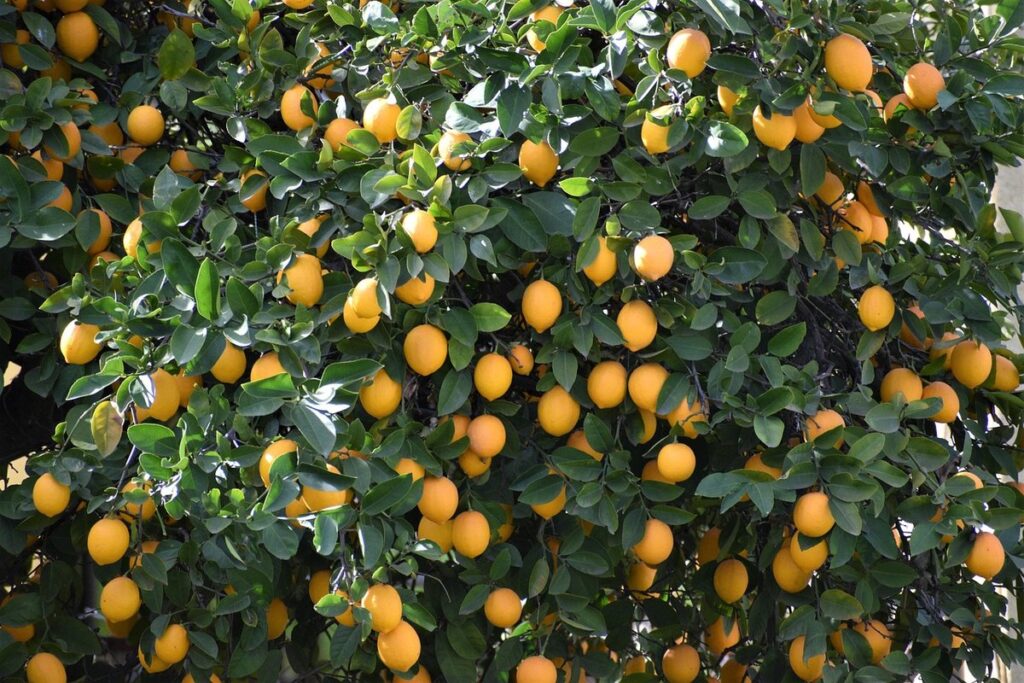
Choosing the Right Variety
With so many varieties to choose from, selecting the right lemon tree for your indoor space can be overwhelming. Let’s break down the key factors to consider when making your decision.
Understanding Lemon Tree Types
When it comes to growing an indoor lemon tree, choosing the right variety is crucial for its success. There are several types of lemon trees suitable for indoor growing, and understanding their characteristics will help you select the perfect one for your space.
Dwarf varieties are a popular choice for indoor gardens due to their compact growth habit. They produce full-sized lemons but on smaller branches, making them ideal for small spaces or containers. Some popular dwarf varieties include ‘Dwarf Washington’ and ‘Dwarf Meyer’. These trees typically grow to be around 6-10 feet tall and wide.
Another option is the ‘Ponderosa’ lemon tree, which is known for its vigorous growth and high fruit production. While it can grow quite large if left unpruned, regular maintenance can keep it under control. It’s a great choice for indoor growers who want to harvest plenty of lemons throughout the year.
When selecting an indoor lemon tree variety, consider factors such as space constraints, climate, and desired level of care. Researching different types and their needs will ensure you find a tree that thrives in your specific environment. By choosing the right variety, you’ll be well on your way to growing a happy and productive indoor lemon tree.
Selecting a Healthy Nursery Plant
When selecting a nursery plant for your indoor lemon tree, it’s essential to choose one that is healthy and free from stress or pests. A stressed or infested plant can lead to reduced growth, poor fruiting, and even death.
Start by inspecting the leaves and stems of the plant carefully. Look for any signs of pests such as whiteflies, mealybugs, spider mites, or scale insects. Check the undersides of leaves, where pests tend to hide. Also, examine the soil for any signs of root rot or fungal diseases.
Avoid plants with yellowing or droopy leaves, as this can indicate nutrient deficiencies or overwatering. A healthy plant should have dark green, glossy leaves and a robust stem. If you notice any damage or discoloration on the trunk or branches, it’s best to choose another plant.
Remember, investing in a healthy nursery plant will save you time, money, and hassle in the long run. By selecting a robust and pest-free plant, you’ll be giving your indoor lemon tree the best chance to thrive and produce an abundance of fresh lemons.
Lighting and Temperature Requirements
To ensure your indoor lemon tree thrives, it’s essential to provide the right lighting conditions, which can range from bright indirect light to partial shade.
Providing Adequate Light
When it comes to providing adequate light for your indoor lemon tree, it’s essential to understand its specific requirements. Lemon trees thrive in bright, sunny conditions, but they can tolerate a range of light levels, depending on the stage of growth and the variety.
For optimal growth, most indoor lemon trees prefer 4-6 hours of direct sunlight per day. However, if you’re unable to provide this much direct sunlight, you can still grow a healthy tree with 12-14 hours of indirect sunlight. East- or west-facing windows are ideal for this purpose, as they offer gentle, indirect light throughout the day.
To supplement natural light, consider using grow lights. These can be especially helpful during winter months when daylight hours are shorter. Aim to provide your lemon tree with a mix of direct and indirect light to promote healthy growth and fruit production. Place the tree 3-4 feet away from any window or grow light source to prevent scorching of leaves.
Maintaining Optimal Temperature
When it comes to maintaining an indoor lemon tree, temperature plays a crucial role in its overall health and productivity. Lemon trees prefer temperatures between 65°F (18°C) and 75°F (24°C), with optimal growth occurring at around 70°F (21°C). However, it’s essential to note that these temperatures can vary slightly depending on the season.
In the winter months, lemon trees typically require a bit more warmth, with a minimum temperature of around 55°F (13°C) to prevent damage from cold snaps. Conversely, during the summer months, you’ll want to keep your tree away from direct sunlight and heat sources to prevent scorching. If you live in a region with extreme temperatures, consider investing in a thermostat or temperature-controlled environment to maintain a consistent temperature.
Keep in mind that sudden changes in temperature can stress your tree, making it more susceptible to pests and diseases. To minimize this risk, try to keep the temperature as stable as possible, adjusting gradually to any seasonal fluctuations. By maintaining an optimal temperature range, you’ll be well on your way to growing a thriving and productive indoor lemon tree.
Watering and Humidity Needs
To keep your indoor lemon tree thriving, it’s essential to understand its watering and humidity needs, which can vary greatly depending on climate and environment. Get these basics right for a healthy and productive tree.
Understanding Watering Schedules
To create an effective watering schedule for your indoor lemon tree, it’s essential to consider two critical factors: soil moisture and humidity levels. You can’t just rely on a one-size-fits-all approach, as the needs of your tree will change depending on these variables.
First, let’s talk about soil moisture. Check the top 1-2 inches of soil daily by sticking your finger into it or using a moisture meter. If the soil feels dry to the touch, it’s time to water. But how much? A general rule is to provide enough water so that the soil is moist but not waterlogged. Overwatering can lead to root rot, which is detrimental to your tree.
Humidity levels also play a significant role in watering schedules. Indoor lemon trees prefer a humid environment, typically above 50%. If your home’s humidity level is lower than this, consider investing in a humidifier to maintain an optimal climate for your tree. Remember that the ideal watering schedule will vary depending on factors like temperature, light exposure, and pot size.
As a general guideline, water your indoor lemon tree once a week during spring and summer months when it’s actively growing. During fall and winter, when growth slows down, reduce watering to every 10-14 days. Adjust these intervals based on your specific climate and the tree’s response to its environment.
Maintaining Proper Humidity Levels
Maintaining proper humidity levels is crucial for the overall health and well-being of your indoor lemon tree. Indoor spaces tend to be drier than outdoor environments, which can cause stress to the plant’s leaves and hinder its ability to absorb nutrients through photosynthesis.
To monitor humidity levels, you can invest in a hygrometer, which will give you an accurate reading of the moisture content in the air. Alternatively, you can use your fingers to gauge the humidity – if the air feels dry or static-y, it’s likely too low for your tree.
For optimal growth, indoor lemon trees prefer a humid environment with a relative humidity of 50-60%. To achieve this, you can place the pot on a tray filled with water and pebbles or use a humidifier nearby. As a general rule of thumb, mist your tree’s leaves lightly every 1-2 weeks to supplement natural moisture. By maintaining proper humidity levels, you’ll encourage healthy growth, prevent pests, and enjoy an abundance of fresh lemons from your indoor tree.
Fertilization and Pruning Techniques
To keep your indoor lemon tree thriving, it’s essential to understand proper fertilization and pruning techniques. Learn how to give your tree the nutrients and care it needs to flourish indoors.
Fertilizing Indoor Lemon Trees
Fertilizing indoor lemon trees is crucial for their growth and productivity. When it comes to choosing fertilizers, you have a range of options available, including organic and synthetic choices.
For an indoor lemon tree, look for a balanced fertilizer with a ratio of 10-10-10 (nitrogen-phosphorus-potassium). These are readily available at most gardening stores or online. Organic options like fish emulsion and seaweed extract can also be used, but they may require more frequent application.
To apply fertilizer correctly, start by diluting it to half the recommended strength to avoid burning your tree’s roots. Water your lemon tree thoroughly before fertilizing, then spray the diluted fertilizer directly on the soil around the trunk. Avoid over-fertilizing, as this can damage the tree’s roots and lead to disease. A good rule of thumb is to fertilize every 2-3 months during the growing season (spring and summer).
Some popular organic options for indoor lemon trees include E.B. Stone Organics Citrus & Fruit Tree Food and Miracle-Gro Organic Choice Indoor Plant Food. Always follow the instructions on the label, and adjust your application schedule based on your tree’s specific needs.
Pruning Techniques for Healthy Growth
Pruning is an essential aspect of maintaining healthy growth and promoting fruit production in indoor lemon trees. When done correctly, pruning can help control the size of the tree, encourage bushy growth, and even stimulate more citrus fruits to form.
To shape your indoor lemon tree, start by removing any dead or damaged branches, which will prevent the spread of disease and promote healthy growth. Then, focus on reducing the height of the tree by cutting back overgrown branches by about one-third. This will not only make it easier to maintain but also allow more sunlight to reach the leaves.
Some other key pruning techniques for indoor lemon trees include:
* Tip pruning: removing the growing tips to encourage branching and a fuller appearance
* Thinning: selectively removing select branches to improve air circulation and reduce overcrowding
* Pinching: gently pinching back shoots to encourage side growth
Regular pruning will also help your tree produce more lemons, as it encourages the formation of new fruiting wood. By pruning regularly, you can keep your indoor lemon tree healthy, productive, and looking its best all year round.
Pest Control and Common Issues
As you tend to your indoor lemon tree, you may encounter unwanted visitors – pests and common issues that can harm its growth. We’ll address these problems head-on in this section.
Identifying Common Pests
As you tend to your indoor lemon tree, it’s essential to be aware of common pests that can cause damage and stress to your plant. Some of the most common culprits include mealybugs, spider mites, scale insects, and aphids.
Mealybugs are small, white, cottony creatures that feed on sap, causing curled or distorted leaves. If you notice a sticky substance on your tree’s leaves or stems, it may be a sign of an infestation. To treat mealybugs, gently remove them with a soft-bristled brush and spray the tree with neem oil.
Spider mites are tiny, spider-like creatures that suck sap from leaves, causing yellowing or bronzing. Look for fine webbing on the undersides of leaves as a sign of infestation. Treat spider mites by spraying the tree with water daily for several days to dislodge them, and then treat with neem oil.
Scale insects resemble small, brown bumps on stems or leaves and feed on sap. To remove scale, soak the affected area in soapy water, making sure to wear gloves to avoid getting pricked by sharp scales.
Addressing Nutrient Deficiencies
When it comes to indoor lemon tree care, nutrient deficiencies can be a major issue. These trees require a balanced diet of nutrients to thrive, and deficiencies can manifest in various ways. To diagnose a nutrient deficiency, look for common symptoms such as yellowing leaves, stunted growth, or reduced fruit production.
Some of the most common nutrient deficiencies in indoor lemon trees include:
• Nitrogen (N) deficiency: causes yellowing leaves, particularly on younger shoots
• Phosphorus (P) deficiency: affects root development and flowering
• Potassium (K) deficiency: leads to leaf scorch and reduced fruit quality
To address these issues, use a well-balanced fertilizer specifically formulated for citrus trees. Follow the product’s instructions carefully, as over-fertilization can be detrimental to your tree’s health.
Regular soil testing will also help you identify any nutrient deficiencies early on. Adjust your fertilization schedule accordingly to ensure your indoor lemon tree is receiving all the necessary nutrients for optimal growth and fruit production. By staying vigilant and making adjustments as needed, you’ll be able to provide your tree with a healthy environment for years to come.
Propagating and Transplanting Indoor Lemon Trees
When it’s time to expand your indoor lemon tree family, learn how to propagate new trees from cuttings and seedlings, as well as transplant existing ones into larger pots.
Propagation Methods for Indoor Lemon Trees
When it comes to propagating indoor lemon trees, you have several methods to choose from. One popular method is stem cutting propagation, where you take a 4-6 inch stem section from the mother plant and root it in water or a rooting hormone. This method works best during the spring season when the tree is actively growing. Make sure to remove lower leaves, leaving only two sets of leaves at the top, to prevent bacterial growth.
Another method is air-layering, which involves making an incision on the stem just above a node and applying a rooting hormone or moistened sphagnum moss to stimulate root growth before transferring it to soil. This technique is often used for indoor citrus trees that are already mature. Keep in mind that air-layering can be more challenging than stem cutting, but with proper care, you can achieve successful results.
Remember to choose healthy stems and follow the right watering techniques to increase your chances of success.
Transplanting Techniques for Healthy Growth
When transplanting an indoor lemon tree into a new container or location, it’s essential to do so with care to minimize stress on the plant. This process can be a bit tricky, but by following some simple steps, you’ll be able to successfully relocate your citrus companion.
Start by choosing a new pot that is only slightly larger than the current one, as lemon trees prefer to have their roots somewhat restricted. Select a well-draining potting mix and gently remove the tree from its old container. Take note of the root system – if it’s circling or growing out of the drainage holes, now’s the time to trim them back.
Place the tree in its new home, making sure not to pack too much soil around the roots. Water thoroughly after transplanting, but avoid overwatering, which can lead to root rot and other issues. With proper care, your indoor lemon tree should thrive in its new location, producing a bountiful harvest of fresh lemons for years to come.
To ensure a smooth transition, consider acclimating your tree to the new environment before transplanting. This involves gradually exposing it to outdoor conditions over the course of 7-10 days to prevent shock.
Frequently Asked Questions
How often should I fertilize my indoor lemon tree?
Yes, it’s essential to fertilize your indoor lemon tree regularly for optimal growth. A balanced citrus fertilizer (10-10-10 NPK) applied every 1-2 months during the growing season (spring-fall) is recommended. Dilute the fertilizer according to the manufacturer’s instructions and avoid over-fertilizing, as this can cause more harm than good.
Can I propagate my indoor lemon tree from a single leaf?
No, it’s challenging to propagate an indoor lemon tree from a single leaf, as citrus trees typically require stem cuttings or air-layering for successful propagation. However, you can try taking a 4-6 inch stem cutting from your existing tree and rooting it in a glass of water or a propagation medium.
How do I address common pests like mealybugs and spider mites on my indoor lemon tree?
Identifying the pest is crucial to effective treatment. For mealybugs, use neem oil or insecticidal soap according to the product’s instructions. To control spider mites, increase humidity levels around your tree (over 50%) and treat with a miticide if necessary.
Can I grow multiple lemon trees in a small indoor space?
Yes, but consider the mature size of each variety and provide enough space for proper air circulation and sunlight penetration. Dwarf varieties like ‘Dwarf Washington’ are ideal for compact spaces, while more vigorous options may require a larger area to accommodate their growth.
How do I know if my indoor lemon tree is receiving sufficient light?
Observe your tree’s foliage color and density. If the leaves appear pale or weak, it might be due to insufficient light. Move the tree closer to a sunny window or supplement with grow lights to ensure adequate light levels (at least 4-6 hours of direct sunlight).