
Growing your own apple tree can be one of the most rewarding experiences for any gardening enthusiast. Not only do you get to enjoy the satisfaction of watching your tree thrive, but you also get to reap the benefits of fresh homegrown apples right in your backyard. Whether you’re a seasoned gardener or just starting out, cultivating a healthy apple tree requires attention to detail and expert knowledge on proper care techniques.
In this ultimate guide, we’ll walk you through everything you need to know about growing a thriving apple tree, from selecting the perfect variety to pruning and harvesting your apples. We’ll cover expert tips on caring for your tree, including how to choose the right soil and climate conditions for optimal growth. By following our advice, you can enjoy fresh, juicy apples all season long, straight from your own backyard orchard.
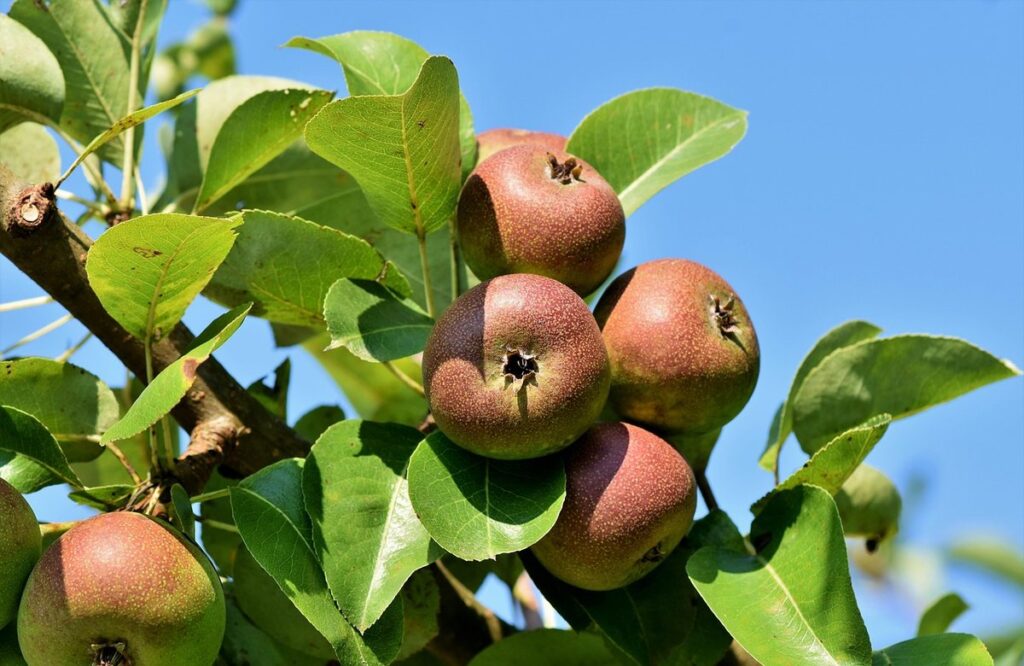
Introduction to Apple Trees
Let’s start by learning the basics of apple trees, including their history and types, which will give you a solid foundation for growing your own tree. You’ll be amazed at how much variety exists within this popular fruit tree!
Brief History of Apple Trees
Apple trees have a rich history that spans thousands of years, from their domestication in Central Asia to their widespread cultivation across the globe. The origins of the modern apple tree date back to around 4000 BCE, where archaeologists have discovered evidence of apple cultivation in present-day Kazakhstan and Uzbekistan.
As agriculture developed, apple trees were selectively bred for desirable traits such as flavor, texture, and disease resistance. This process of domestication allowed for a diverse range of apple varieties to emerge, many of which are still enjoyed today. The Romans played a significant role in spreading apple cultivation throughout Europe, introducing new varieties and techniques.
The Columbian Exchange in the 16th century brought European apple varieties to the Americas, where they thrived in the New World’s temperate climates. Today, there are over 7,500 known apple varieties worldwide, with many more being developed through ongoing breeding programs. By understanding the history of apple trees, you can better appreciate their incredible diversity and adaptability – essential knowledge for growing a healthy and thriving tree in your own backyard!
Importance of Apple Trees in Modern Times
Apple trees have become an essential part of modern times, extending their significance beyond just providing fresh fruit. They play a vital role in supporting local economies and ecosystems. Apple production is a significant contributor to the global economy, with many countries relying on it as a major source of revenue.
For instance, apple cultivation generates over $25 billion annually in the United States alone, creating jobs and stimulating economic growth in rural areas. Furthermore, apple trees support biodiversity by providing habitats for various wildlife species, such as bees and butterflies, which are essential pollinators.
In addition to their economic benefits, apple trees also contribute to environmental conservation. They help maintain soil quality, prevent erosion, and conserve water. Moreover, apple trees can be integrated into permaculture designs, promoting sustainable agriculture practices. When grown properly, an apple tree can produce fruit for up to 50 years or more, making it a worthwhile investment for many gardeners and farmers.
Choosing the Right Apple Tree Variety
When it comes to growing a healthy apple tree, selecting the right variety is crucial. With so many options available, how do you choose the perfect one for your backyard?
Factors to Consider When Selecting a Variety
When selecting an apple tree variety, it’s essential to consider several key factors that will determine its success in your specific climate and environment. First and foremost, think about the temperature fluctuations in your area. Some varieties are more tolerant of extreme cold or heat than others, so choose a variety that can thrive in your region’s climate.
Next, consider the type of soil you have on your property. Apple trees prefer well-draining soil with a pH between 6.0 and 7.0. If your soil is heavy clay or sandy, you may need to amend it before planting an apple tree. Some varieties are more adaptable than others, but generally, it’s best to choose a variety that matches the characteristics of your soil.
Lastly, think about when you want to harvest your apples. Apple trees can produce fruit anywhere from late summer to early winter, depending on the variety and climate. If you’re looking for an early harvest, consider varieties like ‘Red Delicious’ or ‘Gala’. For a later harvest, try ‘Honeycrisp’ or ‘Fuji’.
Popular Apple Tree Varieties for Beginners
When starting out with apple tree growing, it’s essential to choose varieties that are easy to manage and produce abundant fruit. For beginners, I recommend the following popular apple tree varieties: ‘Red Delicious’, ‘Gala’, and ‘Granny Smith’. These trees are known for their disease resistance, hardiness, and consistent yields.
‘Golden Delicious’ is another excellent choice for beginners, offering a sweet flavor and long storage life. Its growth habit is relatively compact, making it perfect for smaller spaces or orchards with limited room to grow. Another benefit of ‘Red Delicious’ and ‘Gala’ trees is their ability to produce fruit within two to three years after planting, whereas other varieties may take four to five years.
If you’re looking for a more traditional apple tree experience, consider the ‘Granny Smith’. This variety produces large, green apples with a tart flavor. Keep in mind that it may require more maintenance due to its larger size and potential for disease susceptibility. When choosing your apple tree, ensure it’s grafted onto a suitable rootstock to optimize growth and fruit production.
These varieties are not only easy to care for but also provide a high yield of delicious apples. By selecting one or more of these beginner-friendly options, you’ll be well on your way to growing a healthy and productive apple tree.
Planting and Caring for an Apple Tree
When it comes to growing a healthy apple tree, proper planting and care are essential for its success. Let’s dive into the nitty-gritty of planting and caring for your new tree.
Preparing the Soil for Your Apple Tree
Before planting an apple tree, it’s essential to prepare the soil for optimal growth and fruit production. To do this, start by testing the pH levels of your soil using a soil testing kit or by sending a sample to a laboratory. Apple trees prefer a slightly acidic to neutral soil pH, ranging from 6.0 to 7.0.
If your soil test reveals that it’s too alkaline or acidic, you’ll need to add lime to raise the pH or sulfur to lower it. Be cautious not to overdo it, as this can lead to nutrient deficiencies and other problems. Additionally, consider getting a comprehensive soil test to determine the levels of essential nutrients like nitrogen, phosphorus, potassium, and magnesium.
To improve your soil’s fertility, incorporate 2-3 inches of compost or well-rotted manure into the top 6-8 inches of the soil. This will not only add beneficial microbes but also retain moisture and suppress weeds. If your soil is heavy clay or sandy, mix in some organic matter to improve its structure and drainage.
Watering and Mulching Techniques for Apple Trees
Watering and mulching are two critical practices that can make all the difference in the health and productivity of your apple tree. When it comes to watering, it’s essential to strike a balance between providing enough moisture for the tree’s growth and avoiding overwatering, which can lead to root rot and other problems. A general rule of thumb is to water young trees when the top 2-3 inches of soil feel dry to the touch, while mature trees require about 1 inch of water per week.
Mulching around your apple tree is another crucial aspect of proper care. Organic mulch like wood chips or bark can help retain moisture in the soil, suppress weeds, and regulate soil temperature. For young trees, a 2-3 foot radius of mulch can provide adequate coverage, while mature trees may require more extensive mulching.
To make efficient use of water, consider installing a drip irrigation system or soaker hose to deliver water directly to the roots. Avoid overhead watering, which can lead to evaporation and waste. Regularly inspect your tree’s soil moisture levels to adjust your watering schedule accordingly. By following these simple techniques, you’ll be well on your way to growing a healthy and thriving apple tree.
Pruning and Training Your Apple Tree
Proper pruning and training of your apple tree is crucial for its overall health, fruit production, and structural integrity. Let’s dive into the techniques you’ll need to master.
Benefits of Regular Pruning for Apple Trees
Regular pruning is an essential practice for maintaining healthy and productive apple trees. By pruning regularly, you promote healthy growth by removing diseased or damaged branches, which can help prevent the spread of disease to other parts of the tree. This also allows air and light to reach all areas of the tree, encouraging new growth.
Pruning also plays a crucial role in increasing fruit production. By thinning out branches, you increase the amount of sunlight that reaches the remaining fruiting wood, leading to better pollination and a higher yield. Regular pruning can also help control the tree’s shape and size, making it easier to harvest and manage. In addition, pruning reduces disease susceptibility by removing any weak or compromised tissue that could be vulnerable to pests and diseases.
For example, if you notice a few branches with signs of disease or damage, prune them immediately to prevent the issue from spreading. Make clean cuts just above a bud or lateral branch, using sharp, sterile pruning tools to minimize the risk of infection. By incorporating regular pruning into your apple tree care routine, you’ll be rewarded with healthier, more productive trees that thrive for years to come.
Pruning Techniques for Different Apple Tree Shapes
Pruning apple trees into various shapes can be an intimidating task, but with practice and patience, you’ll be able to create a stunning addition to your garden. Whether you’re aiming for an espalier against a wall or a standard tree form, the techniques remain similar.
For espalier training, focus on selecting 2-3 main branches that will serve as the framework for your apple tree’s shape. Prune these branches to promote horizontal growth, ensuring they are spaced about 6-8 inches apart. As new growth emerges, gently weave in smaller shoots and train them to grow outward from the central trunk.
For a standard tree form, prune during the dormant season (winter or early spring) to maintain a balanced shape and promote fruiting wood. Remove any crossing or rubbing branches, as well as weak or diseased growth. Thin out the center of the tree to allow for proper air circulation and sunlight penetration. This will encourage healthy growth and maximize your apple harvest.
Some key considerations when pruning apple trees include maintaining 12-18 inches of space between branches for easy maintenance, removing any water sprouts that may appear on the trunk or main limbs, and monitoring for pests and diseases that can be exacerbated by poor pruning practices.
Managing Pests and Diseases in Your Apple Tree
As you nurture your apple tree, it’s essential to know how to identify and manage common pests and diseases that can damage its health and fruit production. This section will walk you through the most common issues.
Common Pests Affecting Apple Trees
Apple trees are susceptible to various pests that can cause significant damage if left unchecked. One of the most common pests affecting apple trees is aphids. These tiny insects feed on sap, causing curled or distorted leaves and stunted growth. To control aphid infestations, use neem oil or insecticidal soap as a foliar spray. You can also introduce natural predators like ladybugs or lacewings to your orchard.
Codling moths are another significant pest affecting apple trees. The caterpillars feed on fruit, causing lesions and scarring. To prevent infestations, cover your trees with fine mesh or row covers during peak moth activity. You can also use Bt (Bacillus thuringiensis) as a biological pesticide.
Spider mites are tiny arachnids that feed on sap, causing yellowing leaves and defoliation. To control spider mite infestations, maintain high humidity around your trees by misting regularly or using mulch to retain moisture. Regularly inspect your trees for signs of pests and take action promptly to prevent infestations from getting out of hand.
Recognizing and Treating Apple Tree Diseases
Recognizing and treating diseases is an essential part of maintaining healthy apple trees. Powdery mildew, scab, and fire blight are three common diseases that can affect apple trees.
Powdery mildew is characterized by a white, powdery coating on the leaves and stems. It thrives in warm temperatures and high humidity. To treat powdery mildew, remove infected areas with pruning shears and disinfect tools. Apply fungicides specifically labeled for powdery mildew control.
Scab appears as black spots or patches on the leaves and fruit. It’s often accompanied by a yellowing of the leaves and premature drop of fruit. Scab is more prevalent in wet weather conditions. Remove infected areas, improve air circulation around the tree, and apply fungicides to treat scab.
Fire blight is identified by the presence of cankers or blackened tissue on the branches and trunk. It’s often spread through bee pollination. Prune infected areas and disinfect tools regularly to prevent fire blight from spreading. Apply copper-based bactericides specifically labeled for fire blight control.
Regularly inspect your apple tree for signs of disease, and take prompt action if you notice any unusual growths or discoloration. Early detection is key to preventing the spread of disease in your orchard.
Harvesting and Storing Your Homegrown Apples
Once you’ve carefully tended your apple tree, it’s time to harvest its delicious fruit and store them properly to enjoy throughout the year. This section will walk you through the best practices for picking and storing your homegrown apples.
When and How to Harvest Apples for Optimal Flavor and Texture
When it comes to harvesting apples from your homegrown tree, timing is everything. The ideal time to pick apples depends on several factors, including the apple variety, weather conditions, and desired level of ripeness.
To determine when your apples are ready for harvest, start by checking their color, texture, and sweetness. For most varieties, a ripe apple will be firm but yield to pressure, have a sweet aroma, and display a vibrant color that matches its expected hue (e.g., red, green, or yellow). Avoid picking apples when they’re too green, as this can result in a tart flavor. Instead, wait until the skin is fully colored.
Regularly inspect your apple tree’s fruit to catch the optimal harvesting time. For many varieties, September and October are prime months for harvest, but check the specific variety you’ve planted for its expected ripening period.
Storage Methods for Preserving Freshly Harvested Apples
When it’s time to harvest your homegrown apples, you’ll want to make sure they stay fresh for as long as possible. Proper storage is crucial to maintaining the quality and flavor of your apples. Here are some effective storage methods to keep your freshly harvested apples fresh:
Store them in a cool, dry place: A temperature range between 32°F (0°C) and 40°F (4°C) is ideal for storing apples. Avoid direct sunlight, heat sources, or areas with high humidity. Your basement or pantry is an excellent choice, but make sure to keep them away from strong-smelling foods as apples can absorb odors easily.
Use specialized containers: Consider investing in a fruit keeper or a ventilated container specifically designed for storing apples. These containers allow for air circulation, which helps prevent moisture buildup and spoilage.
Monitor the storage area’s humidity levels: Apples don’t like dry air either! Keep the relative humidity between 80% to 90% to maintain optimal storage conditions.
Check on your stored apples regularly: Regular inspections will help you identify any issues before they become major problems.
Conclusion and Future Growth Opportunities
Now that you’ve successfully grown a healthy apple tree, let’s take a closer look at what to expect from your harvest and how you can plan for future growth.
Recap of Key Takeaways for Growing Healthy Apple Trees
As we conclude our journey through growing a healthy apple tree, let’s recap the essential knowledge you’ve gained along the way. By now, you should have a solid understanding of what it takes to cultivate a thriving and productive apple tree.
Choosing the right variety was just the beginning – you learned how to select a disease-resistant and climate-suited apple tree for your specific region. This decision will not only ensure your tree’s success but also minimize the risk of pest and disease issues down the line.
When planting, you discovered the importance of proper soil preparation, including pH balancing and adequate watering. You also learned about the ideal spacing between trees to promote air circulation and prevent disease spread.
Pruning is a crucial aspect of apple tree maintenance – it not only encourages healthy growth but also promotes fruiting. By regularly pruning your tree, you’ll be able to control its shape, remove diseased branches, and increase sunlight penetration.
Effective pest management involves identifying common pests like aphids, codling moths, and spider mites, and implementing integrated pest management (IPM) strategies that minimize chemical use. This includes introducing beneficial insects, practicing good sanitation, and using targeted pesticides when necessary.
Finally, harvesting your apple crop requires patience and attention to detail. By understanding the optimal harvest time for your specific variety and following proper handling techniques, you’ll be able to enjoy a bountiful and delicious apple harvest.
In summary, growing a healthy apple tree demands attention to variety selection, soil preparation, pruning, pest management, and harvesting practices. By incorporating these key takeaways into your orchard management routine, you’ll be well on your way to cultivating a thriving and productive apple tree that brings joy and abundance for years to come.
Frequently Asked Questions
What are the ideal climate conditions for growing an apple tree?
Apple trees generally thrive in temperate climates with cool winters and warm summers. They require a specific chill hour requirement, which varies by variety, typically between 600-1,200 hours. It’s essential to research the specific climate requirements for your chosen variety to ensure optimal growth.
How often should I water my apple tree during its first year?
Young apple trees need consistent moisture, especially during their first year. Water your tree at least once a week, or more frequently during hot and dry spells. However, be cautious not to overwater, as this can lead to root rot and other problems.
Can I grow multiple varieties of apple trees together in the same orchard?
Yes, growing multiple varieties of apple trees can enhance pollination and pest resistance. It’s recommended to plant at least two compatible varieties, taking into account factors like bloom time, cross-pollination requirements, and disease susceptibility.
How do I know if my apple tree is receiving enough sunlight?
Apple trees generally require full sun to produce well, meaning they need at least six hours of direct sunlight per day. If your tree appears stunted or lacks vigor, it may be due to insufficient sunlight. Consider pruning surrounding trees or structures to allow for more sunlight.
What are some common mistakes to avoid when planting an apple tree?
Some common mistakes include planting a tree too deeply, which can lead to root rot and other issues. Additionally, avoid over-pruning your tree’s roots, as this can damage the delicate tissue and affect its ability to absorb water and nutrients.