
Growing your own fruit trees can be a rewarding experience, but it doesn’t have to break the bank. Propagating a fig tree from a cutting is a cost-effective and efficient way to multiply these delicious trees. If you’re eager to grow your own productive fig tree but don’t know where to start, this guide has got you covered. With the right techniques and knowledge, you’ll be well on your way to growing a thriving tree that produces an abundance of fresh fruit. In this step-by-step guide, we’ll take you through the process of choosing the right variety, preparing the cutting, rooting, and caring for your young sapling. By following these simple tips, you can have your very own fig tree up and running in no time, providing you with a bountiful harvest for years to come.
Choosing the Right Fig Variety
When growing a fig tree from a cutting, choosing the right variety is crucial for success. This section will guide you through selecting the perfect fig tree cultivar for your needs and climate.
Selecting a Hardy and Productive Variety
When selecting a fig tree variety to grow from a cutting, it’s essential to choose one that thrives in your climate and produces well in your region. This will ensure a healthy and productive tree, giving you years of delicious fruit.
Consider popular varieties like ‘Brown Turkey’ or ‘Black Jack’, which are known for their hardiness and productivity. These trees can tolerate cooler temperatures and produce multiple crops per year, making them ideal for gardeners in temperate climates. If you live in an area with mild winters and hot summers, look for varieties like ‘Violette de Bordeaux’ or ‘Kadota’, which excel in warm conditions.
When selecting a variety, think about the space you have available, your desired fruit size and flavor profile, and any specific growing challenges in your area. For example, if you have limited space, choose a compact variety that won’t outgrow its container.
Understanding Fig Tree Hardiness Zones
When growing a fig tree from a cutting, it’s essential to choose a variety that thrives in your local climate. To do this, you need to determine the hardiness zone of your area. The USDA Plant Hardiness Zone Map is a reliable resource for finding out what zone you’re in. This map divides the country into 11 zones based on average annual extreme minimum temperatures.
Consulting the map will give you an idea of which fig tree varieties are suitable for your region. For example, if you live in Zone 7 or warmer, you can grow a variety like ‘Brown Turkey’ or ‘Black Jack’, which are known to tolerate warmer climates. However, if you’re in Zone 5 or colder, opt for varieties like ‘Violette de Bordeaux’ or ‘Chicago Hardy’, which are more tolerant of cooler temperatures.
When selecting a fig tree cutting, make sure it’s from a variety that’s specifically bred for your zone. This will ensure the tree has the best chance to thrive and produce fruit in your local conditions. By choosing the right variety for your hardiness zone, you’ll be well on your way to growing a healthy and productive fig tree from a cutting.
Preparing the Cutting
Before you start rooting your cutting, it’s crucial to prepare it correctly. This involves removing lower leaves and trimming the stem to encourage healthy growth and promote root development.
Taking Cuttings from Mature Fig Trees
When to Take Cuttings from Mature Fig Trees
Mature fig trees are an excellent source of healthy cuttings for propagation. The ideal time to take cuttings is during the dormant season, which typically falls between late winter and early spring. This allows you to avoid taking cuttings when the tree is actively producing new growth, reducing the risk of contamination or disease.
To identify healthy stem sections, look for areas with a diameter of around 10-12 inches (25-30 cm) and a length of about 6-8 feet (1.8-2.4 meters). Avoid taking cuttings from weak or damaged stems, as these may not produce viable roots. Instead, opt for sturdy branches with a smooth bark and plenty of nodes.
When selecting cuttings, choose those that are semi-hardwood, meaning they are neither too soft nor too hard to the touch. Cuttings taken during this time will have a higher success rate in rooting and developing into new trees.
Cleaning and Sterilizing Tools
When working with plant material like cuttings for your fig tree, it’s crucial to maintain proper sanitation to prevent the spread of diseases and pests. This step is often overlooked, but it’s essential for a successful propagation process.
To clean your pruning tools, start by washing them in warm soapy water, paying extra attention to any crevices or areas where debris might accumulate. Then, rinse thoroughly with clean water to remove any soap residue. Next, dip the blades of your tools in a solution of 1 part bleach to 9 parts water for 10-15 minutes. This will help kill any bacteria or fungal spores that may be present.
After sanitizing, dry your tools completely with a lint-free cloth to prevent any moisture from interfering with the healing process. You can also soak your tools in a disinfectant solution specifically designed for gardening tools. By following these steps, you’ll ensure your pruning tools are clean and sterile, reducing the risk of contamination and promoting healthy growth on your fig tree cutting.
Rooting the Cutting
Now that you’ve got a cutting, it’s time to prepare it for rooting. This is where most people get stuck, but don’t worry, we’ll walk you through it step by step.
Creating a Clean Cut and Preparing for Root Development
To increase the chances of successful rooting, you’ll need to make a clean cut on the stem section and prepare it for root development. Start by cutting a section from the current season’s growth using sharp, sterile pruning shears or a razor blade. Cut at a 45-degree angle just above a node – this will help promote new growth.
Next, remove any lower leaves that would be submerged in water when placed in the rooting medium. This is crucial to prevent rot and ensure the cutting has access to oxygen. Leave two to three sets of leaves on the top section, as these will continue to photosynthesize and provide energy for root development.
Now, prepare the cut end by gently rubbing it with a small amount of rooting hormone powder or liquid. Follow the product’s instructions for application rates and timing. Finally, place the cutting in a rooting medium like water or a propagation tray filled with a well-draining mix. Keep the environment humid and provide indirect light to promote root development.
Rooting Media Options: Soil, Water, or Air
When it comes to promoting healthy root development for your fig cutting, the choice of rooting media is crucial. Traditionally, gardeners use a mixture of soil and perlite or vermiculite to provide excellent drainage and aeration. However, you can also experiment with other options like water and air.
Using water as a rooting medium is often associated with hydroponic systems. While it’s true that water supports root growth by providing a continuous supply of nutrients, there are some limitations to consider. For instance, the absence of oxygen in water can lead to root rot, especially if not managed properly. Nevertheless, with careful monitoring and maintenance, water can be an effective rooting medium.
In terms of air, it’s essential to understand that fig cuttings require a humid environment to develop roots. Mist propagation or even misting systems work wonders by maintaining the desired humidity levels without drowning your cutting in excess moisture. By utilizing either a well-draining potting mix or these unconventional methods, you can encourage healthy root development and increase your chances of successfully growing a new fig tree from a cutting.
Air-pruning techniques also benefit from using an airy rooting medium like coco coir or sawdust mixed with soil. These porous materials allow for excellent aeration while minimizing waterlogging risks.
Planting and Care
Now that you’ve successfully rooted your fig cutting, it’s time to learn how to plant and care for it properly. This is where patience and attention to detail come into play.
Transplanting the Fig Sapling into a Container or Garden Bed
When transplanting your rooted fig sapling into a container or garden bed, it’s essential to handle the process with care to minimize stress and promote healthy growth. First, choose a location that provides full sun and has well-draining soil. If you’re transplanting into a container, select one that is at least 14-16 inches deep to accommodate the fig tree’s extensive root system.
Dig a hole in the garden bed or fill the container with a mix of compost and well-draining potting soil. Gently remove the sapling from its temporary pot or tray, taking care not to damage any roots. Plant the sapling at the same depth as it was initially rooted, making sure the graft union (if applicable) is above the soil level.
Water the sapling thoroughly after planting and maintain a consistent moisture level in the first few weeks. Mulch around the base of the tree to retain moisture and suppress weeds. It’s also crucial to monitor for pests and diseases that can be detrimental to your fig tree’s health, such as root rot or fungal infections caused by overwatering.
As you’re transplanting into a garden bed or container, make sure to provide support for the sapling using stakes if necessary. Watering regularly will encourage new growth, and pruning in the spring and summer months will help control its size and promote fruit production.
Providing Optimal Growing Conditions for Your Young Fig Tree
Providing optimal growing conditions is crucial for your young fig tree to establish itself and thrive. Fig trees require sufficient sunlight to undergo photosynthesis and produce energy-rich nutrients. Place the cutting in a location that receives direct sunlight for at least six hours a day, but be cautious not to expose it to extreme temperatures or intense heatwaves.
Watering should also be carefully managed. Young fig trees prefer moist soil, especially when they’re actively growing. Water your tree gently but thoroughly, making sure the top inch of soil feels damp to the touch. However, avoid overwatering, as this can lead to root rot and other problems. A good rule of thumb is to water your fig tree when the top 1-2 inches of soil feel dry.
Nutrient-rich soil is also essential for healthy growth. Use a balanced, water-soluble fertilizer (diluted according to the manufacturer’s instructions) once a month to provide your young fig tree with the necessary nutrients. This will promote vigorous growth and encourage it to develop a strong root system.
Monitoring Progress and Addressing Common Issues
Now that you’ve planted your fig tree cutting, it’s essential to keep a close eye on its progress and be prepared to tackle any potential issues that may arise. This section will help you monitor your tree’s growth and address common problems that can occur.
Signs of Healthy Growth and Development
As you nurture your young fig tree from a cutting, it’s essential to recognize signs of healthy growth and development. A thriving young tree will exhibit several key characteristics that indicate its progress is on track.
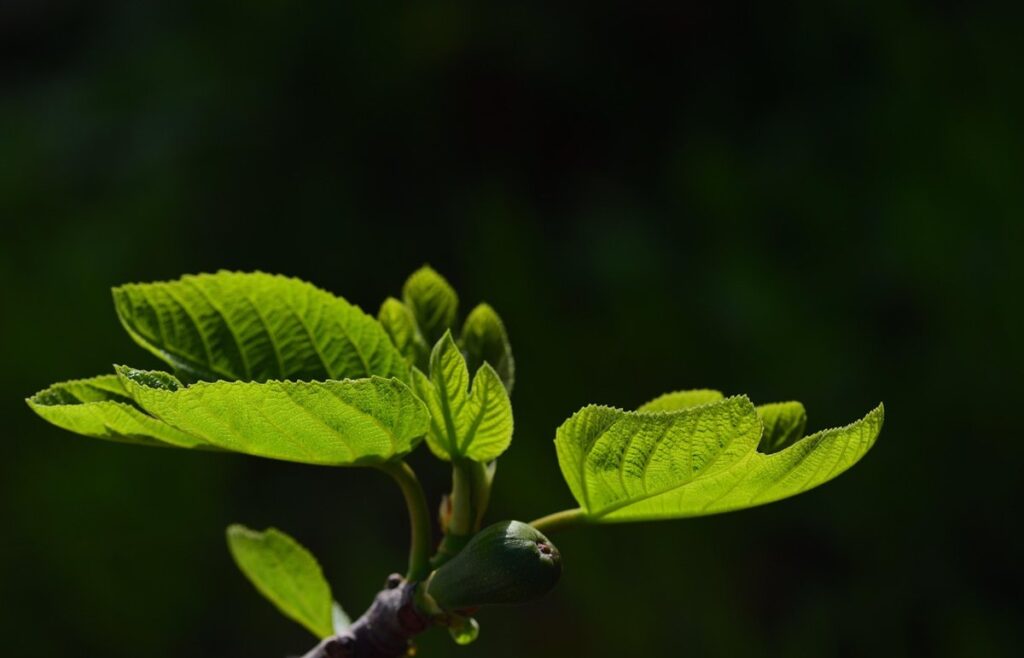
Firstly, look for an increase in leaf expansion. New leaves should unfurl and grow larger, reaching their full size within 1-3 months after rooting. The leaves will be a vibrant green color and have a smooth texture. As the tree grows, you may notice new leaves emerging from the tips of branches, which is a sign that the tree is developing its canopy.
Another critical aspect of healthy growth is root establishment. Check for roots growing out of the drainage holes in your pot by gently lifting the tree. A well-rooted fig tree will have a robust network of fine roots. You can also check the soil moisture and adjust your watering schedule as needed to ensure the tree has enough water to support its growth.
Regularly inspecting your young fig tree for these signs will give you confidence in its ability to thrive and ultimately produce delicious fruit.
Troubleshooting Common Problems Such as Pests or Diseases
As you nurture your young fig tree from a cutting, it’s not uncommon to encounter some unwanted visitors – pests and diseases that can hinder its growth. Keep an eye out for aphids, mealybugs, and spider mites, which thrive on the sap of young trees. These pesky insects can be controlled with neem oil or insecticidal soap applied at the first sign of infestation.
Fungal infections, like root rot, and bacterial blight are other potential issues to watch for. Overwatering is a common culprit behind these problems, so ensure you’re not drowning your tree in water. If you notice yellowing leaves or wilting branches, it may be a sign that the roots are rotting. Prune affected areas immediately and repot the tree in well-draining soil.
Regular inspections will help you catch any issues early on. Check for white powdery patches (fungal infections) or dark, water-soaked spots (bacterial blight). If you’re unsure about the cause of the problem, consult with a local nursery or gardening expert for guidance. With prompt attention and proper care, your young fig tree will be back on track in no time.
Propagation Tips and Variations
Now that you’ve successfully rooted your cutting, it’s time to focus on propagation tips and variations for optimal growth. We’ll explore different techniques to boost your tree’s health and yields.
Alternative Methods for Propagating Fig Trees: Layering, Grafting
If you’re looking for alternative methods to propagate fig trees beyond using cuttings, you have two primary options: layering and grafting. Both techniques involve creating a new plant from an existing one, but they work in different ways.
Layering is a process where a stem or branch of the parent tree is bent down and buried under soil while still attached, allowing roots to form on the buried section before being cut and potted as a separate plant. This method has several advantages: it’s relatively easy to do, reduces the risk of shock to the new plant, and can produce more vigorous growth. However, layering may not be suitable for all fig tree varieties, and you’ll need some time and space to accommodate the process.
Grafting, on the other hand, involves joining a piece of stem from one tree (called the scion) onto the root system of another tree (the rootstock). This technique can combine desirable traits from two different trees, such as disease resistance or improved fruit quality. While grafting offers numerous benefits – including faster growth rates and increased yields – it does require more skill and equipment than layering.
When choosing between these methods, consider your experience level, available space, and specific goals for the new tree. Both techniques have their own unique advantages, making them viable alternatives to propagating fig trees from cuttings.
Encouraging Fruit Production and Tree Health Through Regular Pruning
Regular pruning is essential for maintaining a healthy and productive fig tree. When you’re growing a fig tree from a cutting, it’s especially crucial to prune regularly to encourage strong growth and fruit production. Pruning not only helps remove dead or diseased branches but also promotes air circulation, which is vital in preventing fungal diseases that can affect the tree.
To promote fruit production, focus on pruning the current season’s growth during its dormant period. This will help control the tree’s vigor and direct energy towards producing fruit rather than leaves. Remove any weak or crossing branches to create an open center system, allowing sunlight to penetrate to all areas of the tree. By pruning regularly, you’ll encourage your fig tree to produce a bountiful harvest, with some varieties yielding up to 200 pounds of fruit per year.
Frequently Asked Questions
Can I grow a fig tree from a cutting indoors, even if it’s not the best climate for outdoor growth?
Yes, you can still grow a fig tree from a cutting indoors with proper care and attention to its needs. However, ensure your indoor environment mimics the natural climate conditions required by the specific fig variety you’ve chosen. This might include providing supplemental lighting, maintaining optimal temperatures (around 65-75°F/18-24°C), and ensuring adequate humidity.
What’s the ideal time for taking cuttings from mature fig trees, considering factors like temperature and sap flow?
The best time to take cuttings from mature fig trees is during their dormant season, typically between late winter and early spring. This period allows you to avoid disrupting the tree’s active growth or interrupting its natural sap flow cycles, which can make cutting more challenging.
How often should I water my rooted fig cutting after transplanting it into a pot or garden bed?
It’s essential to maintain consistent moisture levels for your newly transplanted fig sapling. Water when the top 1-2 inches of soil feels dry, but avoid overwatering which can lead to root rot. For the first few weeks, water every other day if necessary, then gradually reduce frequency as the tree adjusts and becomes more drought-tolerant.
Can I propagate multiple cuttings from a single mature fig tree at once, or is there an optimal number per session?
Yes, you can take multiple cuttings from a single mature fig tree, but it’s recommended to limit this to 3-5 cuttings for each propagation session. This allows the tree to recover adequately and minimizes stress on its root system. Over-propagating can lead to reduced success rates and weakened parent trees.
What are some common pests or diseases that might affect my newly propagated fig sapling, and how do I prevent them?
Common issues include scale insects, mealybugs, and fungal infections such as root rot. To prevent these, ensure your cuttings and rooting medium are clean and sterile. Regularly inspect your plants for signs of infestation or disease and take action promptly if you notice any problems.