
Are you tired of watching your beautiful garden get ravaged by hungry deer? You’re not alone! Deer-resistant gardens are becoming increasingly popular as people look for ways to protect their outdoor spaces from these pesky critters. But what exactly makes a garden deer-resistant, and how can you create one in your own yard?
In this article, we’ll dive into the world of deer behavior and explore why they’re attracted to certain plants in the first place. We’ll also cover some expert tips on selecting unappealing plants that deer tend to avoid, as well as various deterrent methods you can use to keep them at bay. From repelling sprays to fencing options, we’ll show you how to create a deer-resistant garden that’s both beautiful and effective in keeping those unwanted visitors away.
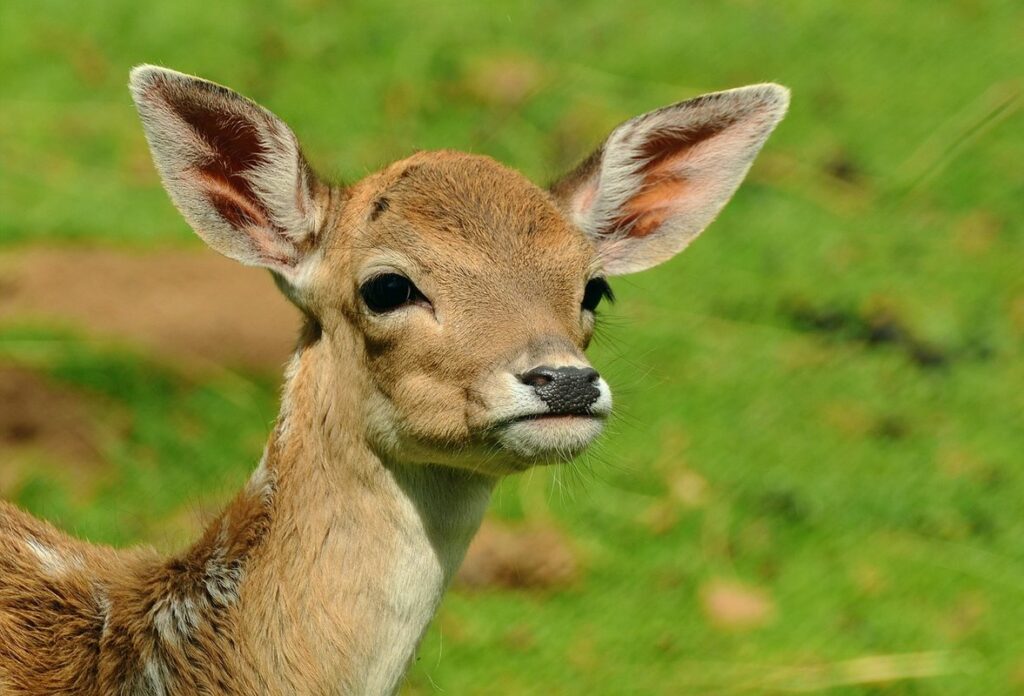
Understanding Deer Behavior and Preferences
To create a deer-resistant garden, it’s essential to understand what draws deer to certain plants and how their behavior can impact your landscaping choices. By grasping these key insights, you’ll make informed decisions about what to plant.
Recognizing Deer Attractants in Your Yard
Deer are attracted to yards with readily available food sources, and identifying these attractants is crucial when growing a deer-resistant garden. Common food sources for deer include plants with high nutritional value, such as fruits, vegetables, and nuts. Deer also seek out plants with tender shoots and leaves, like alfalfa, clover, and soybeans. Trees and shrubs with succulent berries are another favorite among deer.
In addition to food sources, water features can also draw deer into your yard. A pond or birdbath can be a magnet for these animals, especially during hot summer months when they need to stay hydrated. Sheltered areas, such as wooded edges or brush piles, provide deer with protection from harsh weather and predators. Deer often travel in herds, so if one deer finds food, water, or shelter in your yard, others are likely to follow.
By understanding what deer look for in a location, you can take steps to discourage them from frequenting your garden. Consider removing any high-value food sources, such as bird feeders or pet food bowls, and replacing them with deer-resistant alternatives.
Identifying Deer-Prone Plants in Your Garden
When it comes to growing a deer-resistant garden, understanding which plants are most appealing to these herbivores is crucial. Deer tend to target plants that are high in protein, fiber, and other nutrients, so let’s dive into the types of plants they love to munch on.
Deer particularly enjoy leafy greens like clover, alfalfa, and plantain, as well as fruits and vegetables like apples, berries, and peas. They also have a strong affinity for ornamental plants like hostas, daylilies, and coneflowers, which are often high in fiber and nutrients.
If you’re not sure whether a specific plant is deer-prone, consider the following: does it have broad leaves or tender shoots? Are its flowers showy and fragrant? If so, it’s likely to be on a deer’s shopping list. Take note of plants that fit this description and either avoid planting them in your deer-resistant garden or take extra precautions to protect them from these voracious eaters.
To give you a better idea, here are some common deer-prone plants: perennials like hostas and daylilies, shrubs like azalea and rhododendron, and trees like oak and pine.
Designing a Deer Resistant Garden Layout
To create a deer-resistant garden layout, we’ll focus on designing a space that minimizes temptation and incorporates plants unappealing to these hungry creatures. This approach requires thoughtful planning and intentional plant selection.
Creating a Barrier to Protect Plants from Deer Grazing
When it comes to designing a deer-resistant garden layout, creating a physical barrier between the deer and your plants is essential. One of the most effective methods for doing so is by installing fencing around your garden.
The type of fencing material you choose will depend on several factors, including the size of your garden, the height of the deer in your area, and your budget. For example, if you’re looking to enclose a small vegetable patch or flower bed, a 3-foot high wooden picket fence may be sufficient. However, for larger areas or properties with higher deer populations, consider installing a 6-8 foot high metal or plastic mesh fence.
You can also get creative with your fencing design by using natural elements like bamboo or willow branches to create a visually appealing barrier. Additionally, incorporating physical barriers around specific plants, such as roses or perennials, can provide extra protection from deer grazing. When installing fencing, be sure to bury the bottom 12 inches underground to prevent deer from easily jumping over it.
By implementing these simple and effective barrier methods, you can safeguard your garden and enjoy a bountiful harvest free from deer damage.
Using Plant Selection and Arrangement to Deter Deer
When it comes to creating a deer-resistant garden layout, incorporating plants that are less appealing to deer is a great starting point. Deer tend to favor lush, green foliage and flowering plants, so selecting plants with strong scents or unpleasant tastes can help deter them. Consider using plants like lavender, rosemary, and daffodils, which are known to repel deer.
Another strategy is to arrange your plants in a way that makes it difficult for deer to access them. Planting tall perennials or shrubs along the perimeter of your garden can create a physical barrier that deer are less likely to jump over. You can also plant deer-resistant plants in clusters, making it harder for them to navigate through the garden.
Additionally, consider creating a “deer highway” by planting a strip of deer-friendly plants near the edge of your property. This will encourage deer to feed on these plants instead of your prized perennials and shrubs. By combining these strategies, you can create a beautiful and functional deer-resistant garden that minimizes damage from these unwanted visitors.
Choosing Deer Resistant Plants and Flowers
When selecting plants for a deer-resistant garden, consider species that are known to be unpalatable to deer, such as boxwood and lavender. These options can help minimize damage.
Native Plants That Deer Typically Avoid
When it comes to creating a deer-resistant garden, incorporating native plants that deer tend to avoid can be a game-changer. These plants have evolved over time to develop characteristics that deter deer from feeding on them, making them perfect for gardens plagued by these furry visitors.
Plants with strong scents are often unappealing to deer, so consider adding some aromatic species like lavender (Lavandula spp.), yarrow (Achillea millefolium), or bee balm (Monarda didyma) to your garden. These plants not only repel deer but also attract pollinators and add beauty to your landscape.
Other native plants with bitter tastes that deer tend to avoid include milkweed (Asclepias spp.), joe-pye weed (Eutrochium maculatum), and black-eyed Susan (Rudbeckia hirta). These plants are not only deer-resistant but also provide a vital source of food for monarch butterflies and other beneficial insects.
When selecting native plants, be sure to choose species that are suitable for your region’s climate and soil type. This will ensure their success in your garden and reduce the likelihood of deer damage.
Ornamental Plants That Repel Deer through Their Appearance
When it comes to choosing deer-resistant plants, some ornamental options are more effective at repelling these unwanted visitors than others. Certain plants have a naturally unappealing appearance that can deter deer from feeding on them. Take lavender and rosemary, for instance. These herbs not only add fragrance and texture to your garden but also possess a strong, pungent scent that’s unpleasant for deer.
Daffodils are another great example of ornamental plants that repel deer through their appearance. Their bright flowers and tall stalks make them an eye-catching addition to any landscape. Deer tend to avoid these bulbs because they associate the bitter taste with discomfort. You can plant daffodil bulbs in clusters or along borders, where they’ll bloom early in spring before deer are active.
When selecting ornamental plants for your deer-resistant garden, consider how their appearance and scent may impact local wildlife. Keep in mind that while these plants may repel deer, they won’t prevent them from entering your property entirely. A combination of plant selection and other deterrents can be the most effective way to protect your garden.
Additional Strategies for a Deer Resistant Garden
If you’ve already incorporated deer-deterrent plants into your garden, there are still more ways to discourage these unwanted visitors from making themselves at home. Let’s explore some additional strategies for a truly deer-resistant oasis.
Using Repellents to Deter Deer from Your Garden
When it comes to growing a deer-resistant garden, using repellents can be an effective way to deter these unwanted visitors. There are many commercial and homemade options available, each with its own unique formula and method of application.
Commercial repellents come in the form of sprays, granules, and powders that contain ingredients like hot peppers, garlic, and predator scents. These products can be applied directly to plants or around the perimeter of your garden. For example, commercial products like Repellent Granules by Liquid Fence are specifically designed to repel deer and can be sprinkled around plantings.
For those looking for a more DIY approach, homemade repellents can be made using common household items like hot peppers, soap, and vinegar. Mix equal parts water and hot sauce in a spray bottle, add a few drops of dish soap, and spray directly on plants or around the garden. This solution is easy to make and can provide an affordable alternative to commercial products.
When using repellents, it’s essential to reapply regularly as their effectiveness may wane over time. Additionally, consider combining repellents with other deer-resistant strategies like fencing, plant selection, and noise-making devices for optimal results.
Encouraging Predator Presence in Your Yard
Encouraging natural predators like owls, hawks, and foxes to inhabit your yard can be an effective way to deter deer populations and minimize damage to your garden. These birds of prey play a crucial role in regulating wildlife populations, and by attracting them to your yard, you can create a more balanced ecosystem.
To encourage predator presence, consider creating a wildlife-friendly environment by incorporating native plants, trees, and shrubs that provide shelter, food, and nesting sites for these predators. For example, planting oak or pine trees can attract owls and hawks, while installing a brush pile or rock outcropping can provide habitat for foxes.
It’s also essential to maintain a diverse landscape with varying heights and textures, which will make it more attractive to predators seeking food or shelter. By creating a predator-friendly environment, you can reduce the likelihood of deer visits to your garden and minimize damage caused by these herbivores.
Maintenance Tips for a Deer Resistant Garden
To keep your deer-resistant garden thriving, it’s essential to implement regular maintenance practices that deter these unwanted visitors and promote healthy plant growth.
Regularly Monitoring and Adjusting Your Deer Deterrents
Regularly monitoring and adjusting your deer deterrents is crucial to maintaining an effective barrier against these persistent creatures. As plants grow and mature, their attractiveness to deer may change, requiring adjustments to your defense strategy. Start by regularly inspecting your garden for signs of deer activity, such as nibbled leaves or snapped stems.
Take note of which plants are being targeted the most, and consider replanting with more resistant varieties or adding additional deterrents like fencing, repellents, or motion-activated sprinklers. For example, if you find that your prized rose bushes are under attack, consider replacing them with deer-resistant alternatives like coneflowers or black-eyed Susans.
Don’t be afraid to get creative and adapt your strategy as needed. Keep a record of what works and what doesn’t, so you can fine-tune your approach over time. Remember, it’s an ongoing process, but one that will ultimately pay off with a deer-free garden that continues to thrive. Regular adjustments will keep your defense systems in top shape and ensure the beauty and bounty of your garden remain intact.
Addressing Any Damage or Loss Due to Deer Grazing
Deer grazing can be devastating to even the most carefully planned and maintained garden. If you’ve taken steps to deter deer from visiting your garden but still find yourself dealing with damage, don’t worry – it’s not the end of the world! Addressing the damage caused by deer grazing is an essential part of maintaining a deer resistant garden.
First things first: assess the extent of the damage. Walk through your garden and take note of which plants have been affected, how severe the damage is, and whether any other areas of the garden may be at risk. This will help you prioritize repairs and replanting efforts.
Once you’ve assessed the damage, it’s time to repair fencing – a crucial step in preventing future deer grazing. Inspect your fencing for any gaps or weaknesses that may have allowed the deer to access your garden in the first place. Make any necessary repairs to ensure that your fence is sturdy and secure. This may involve reinforcing existing fencing with additional posts or wire mesh, or replacing sections of damaged fencing altogether.
When it comes to replanting damaged areas, choose plants that are deer-resistant to begin with – this will save you time and effort in the long run. Select a mix of plants with different growth habits and heights to create a more diverse and resilient garden ecosystem. Finally, consider adding some physical deterrents like row covers or individual plant protectors to safeguard your new plantings from future deer grazing.
Conclusion: Achieving a Thriving Deer Resistant Garden
Now that you’ve learned how to grow a deer-resistant garden, let’s discuss what it takes to maintain one and keep those pesky deer at bay for good.
Reviewing Key Takeaways from This Guide
As you conclude this journey to growing a deer-resistant garden, it’s essential to review the key takeaways from this comprehensive guide. By now, you should have a solid understanding of what it takes to create a thriving landscape that withstands the challenges posed by these majestic yet destructive creatures.
Let’s revisit some of the crucial points we’ve covered: selecting the right plants, using physical barriers and repellents, designing an effective garden layout, and implementing maintenance strategies. You’ve learned how to choose deer-resistant species, such as shrubs like Hydrangea and Nandina, perennials like Bee Balm and Catmint, and bulbs like daffodils and hyacinths.
You also know that physical barriers like fencing and mesh can be an effective deterrent, while repellents containing hot peppers or garlic can help protect your plants. Moreover, you’ve discovered the importance of designing a garden layout that minimizes deer access points and incorporates natural barriers like rocks and wood mulch.
To create a comprehensive plan for your own deer-resistant garden, consider the following practical steps:
* Take inventory of your existing plants and identify those that are susceptible to deer damage
* Research local deer-resistant plant species suitable for your climate and region
* Incorporate physical barriers and repellents into your garden design
* Develop a regular maintenance schedule that includes pruning, watering, and monitoring for signs of deer activity
* Continuously evaluate and adjust your strategy as needed based on observations and feedback from fellow gardeners.
By following these steps and implementing the strategies outlined in this guide, you’ll be well on your way to creating a beautiful and resilient deer-resistant garden that brings joy and satisfaction for years to come.
Frequently Asked Questions
Can I still use native plants if they’re known to be deer favorites?
Yes, while native plants are often preferred by deer, there are many species that are naturally unappealing or less attractive to these animals. Researching and selecting native plants with a low deer preference can help create a thriving yet deer-resistant garden.
How do I know if my current plants are attracting deer?
Keep an eye out for signs of deer grazing, such as nibbled leaves or stems, and observe your yard during peak deer activity hours (usually dawn and dusk). Identify the specific plants that seem to be most appealing to deer and consider replacing them with deer-resistant alternatives.
Are there any natural repellents I can use instead of commercial sprays?
Yes, certain natural ingredients like garlic, hot pepper spray, and predator urine have been shown to repel deer. You can also try planting deer-repelling plants alongside your desired garden features or incorporate physical barriers like fencing to keep deer out.
Can I mix deer-resistant plants with others that are more attractive to deer?
While it’s best to create a predominantly deer-resistant garden, mixing in some plants that are less appealing to deer can help balance the landscape and make it more visually interesting. Just be sure to research the specific needs and deer resistance of each plant you add.
What if I already have deer damage to my plants – how do I address the issue?
Begin by removing any remaining debris and assessing the extent of the damage. Then, consider repairing or replacing damaged plants with deer-resistant alternatives. Implement deterrents like repellents, fencing, or physical barriers to prevent future damage and maintain a healthy, thriving garden.