
Are you growing ground cherries but struggling to get the most out of your crop? You’re not alone! Ground cherries are a favorite among gardeners, but they can be finicky and susceptible to pests. That’s where companion planting comes in – a simple yet powerful technique that pairs specific plants together to boost yields and minimize problems.
In this article, we’ll explore the world of ground cherry companion plants and show you how to choose the right friends for your fruiting friends. We’ll cover the basics of preparing your soil, avoiding common mistakes, and introducing beneficial companions that will maximize your harvests while keeping pests at bay. By following our expert tips, you’ll be on your way to a more productive and stress-free ground cherry garden in no time!
Understanding Ground Cherries and Their Growing Needs
Before we dive into companion planting, let’s take a closer look at what ground cherries are all about and how to provide them with optimal growing conditions.
What are Ground Cherries?
Ground cherries are a unique and fascinating crop that deserves attention for its remarkable characteristics and benefits. For those unfamiliar with this fruit, let’s start from the beginning: what exactly is a ground cherry? A ground cherry is a type of small, yellow or red berry that grows on a bushy plant (Physalis pruinosa) native to Central America. Its appearance can be easily confused with tomatoes or other Solanaceae family members due to its similar fruit and leaf morphology.
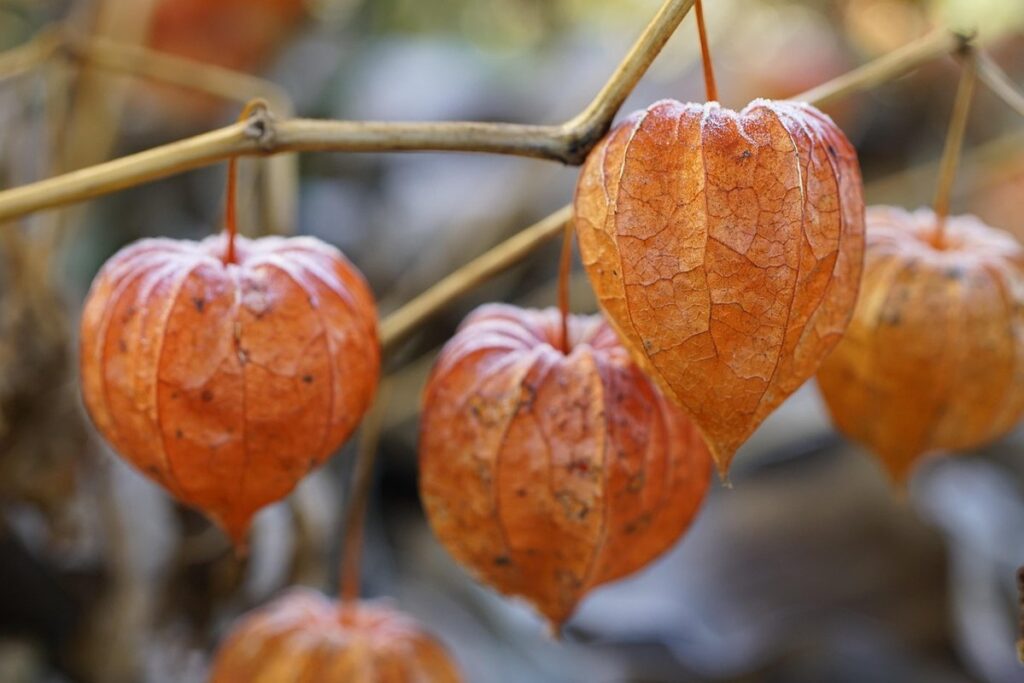
One of the most distinctive features of ground cherries is their papery husk, which covers the fruit and turns brown as it ripens. This natural packaging makes ground cherries a low-maintenance crop for home gardeners. Moreover, they are relatively disease-resistant and drought-tolerant, adding to their appeal. In terms of nutritional benefits, ground cherries are an excellent source of vitamins A and C, potassium, and fiber, making them an attractive addition to salads or desserts.
Ground cherries have a sweet and slightly tart taste, often described as a combination of pineapple and strawberry flavors. They can be eaten raw, cooked, or used in jams and preserves – the possibilities are endless! If you’re new to growing ground cherries, consider starting with a few plants to get familiar with their growth habits and harvesting needs before introducing them into your companion planting strategy.
Choosing the Right Variety for Your Garden
When selecting ground cherry varieties for your garden, there are several factors to consider. Disease resistance is a crucial aspect to think about, especially if you live in an area prone to pests and diseases that can affect ground cherries. Look for varieties like ‘Red Malbec’ or ‘Yellow Pear’ which have shown good resistance to powdery mildew and anthracnose.
Growth habits are another important consideration. Some ground cherry varieties are compact and bushy, while others are vining and require more space. If you’re short on garden space, a compact variety like ‘White Perfection’ might be the way to go. On the other hand, if you have plenty of room to spare, a vining variety like ‘Red Strawberry’ can produce more fruit.
Finally, consider when you want your ground cherries to be ready for harvest. Some varieties ripen in as little as 60 days, while others take up to 100 days or more. If you’re looking for an early crop, try ‘Yellow Pear’, which typically ripens in mid-summer.
Preparing the Soil for Optimal Growth
When growing ground cherries, it’s essential to prepare the soil for optimal growth. This starts with understanding the ideal pH level and nutrient requirements for these plants. Ground cherries prefer a slightly acidic to neutral soil pH, ranging from 6.0 to 7.0. If your soil is too alkaline or acidic, amend it accordingly with lime or sulfur.
In addition to pH balance, ground cherries require well-draining soil rich in organic matter. Aim for at least 5% organic content by incorporating compost or well-rotted manure into the soil. This will not only improve drainage but also provide essential nutrients and microorganisms that support healthy plant growth.
To further enhance soil structure, consider adding perlite or vermiculite to improve aeration and water retention. These amendments can help alleviate common issues like root rot and nutrient deficiencies, setting your ground cherry plants up for success. By taking the time to prepare the soil correctly, you’ll be well on your way to growing healthy, productive ground cherries that thrive alongside their companion plants.
Companion Planting Basics: Why it Matters
When choosing companion plants for your ground cherry, it’s essential to understand how certain species can impact its growth and health. We’ll break down why companion planting matters in this critical part of growing delicious and healthy ground cherries.
The Science Behind Companion Planting
Companion planting is a centuries-old technique that’s been used by gardeners to enhance crop growth, reduce pests and diseases, and promote biodiversity in gardens. But what exactly happens when we plant certain species together? At the most basic level, companion plants release chemicals into the soil or air that either attract or repel insects, fungi, and other organisms.
For example, marigolds release a chemical called pyrethrum, which deters nematodes and other pests that can harm ground cherries. Similarly, basil’s fragrance repels aphids and mites, making it an excellent companion for these plants. Some plants even improve soil health by fixing nitrogen or adding beneficial microbes to the soil.
When we plant a diverse mix of species together, we’re creating a mini-ecosystem that promotes resilience and adaptability in our gardens. By incorporating ground cherry companion plants like borage, nasturtiums, or oregano into your garden, you’ll not only enjoy a more abundant harvest but also create a thriving ecosystem that’s less susceptible to pests and diseases.
Common Benefits of Companion Planting
When you incorporate companion plants into your garden, you can expect to reap numerous benefits. One of the most significant advantages is improved yields. By planting certain companions with ground cherries, such as basil and mint, you can increase the overall productivity of your garden. For instance, basil repels pests that target ground cherries, like aphids and whiteflies, thereby reducing damage and promoting healthier growth.
Companion plants also boost your garden’s resistance to diseases. Marigold and nasturtiums are known to release chemicals that prevent fungal diseases from taking hold in the soil, making them excellent companions for ground cherries. Moreover, these beneficial relationships can enhance ecosystem services by attracting beneficial insects like bees and butterflies, which pollinate flowers and contribute to a balanced garden environment.
To make the most of companion planting with ground cherries, choose varieties that complement each other in terms of growth habits and requirements. Plant different species together to create a diverse ecosystem that’s less susceptible to pests and diseases.
Companion Plants for Ground Cherries: A Selection Guide
When selecting companion plants for your ground cherry patch, it’s essential to choose varieties that complement their unique needs and characteristics. We’ll explore some top picks for a thriving ground cherry garden.
Cool-Season Companions
When it comes to cool-season companions for ground cherries, you’re looking for plants that thrive in cooler temperatures and can complement their growth patterns. Lettuce, spinach, and radishes are excellent choices for this role.
These three plants have different growth habits but share a common trait: they all mature quickly, typically within 20-30 days of sowing. This characteristic makes them ideal companions for ground cherries, which often take around 60-90 days to produce fruit.
For instance, lettuce and spinach can be planted alongside ground cherry seedlings as soon as the weather warms up in early spring or late summer/early fall. Their rapid growth won’t compete with the ground cherries’ development, and they’ll provide a delicious harvest before the ground cherries begin producing their own fruit.
Radishes are another excellent option. They can be planted around the base of ground cherry plants to repel pests like cucumber beetles and other damaging insects that might target your ground cherries. Plus, radishes’ taproots will break up compacted soil, promoting healthy drainage and aeration for the ground cherry roots.
Warm-Season Companions
If you’re growing ground cherries and want to make the most of your garden space, consider planting warm-season companions that thrive in similar climate conditions. Tomatoes, peppers, and eggplants are excellent choices for ground cherry companion plants. These vegetables share similar temperature requirements and can benefit from each other’s growth.
Tomatoes and ground cherries have a symbiotic relationship – tomatoes provide shade for the smaller, more delicate ground cherry plants, protecting them from intense sunlight. In return, ground cherries help to repel pests that target tomatoes, such as aphids and whiteflies. Peppers, on the other hand, can benefit from the soil enrichment provided by ground cherries’ extensive root system.
Eggplants, like tomatoes and peppers, also thrive in warm weather conditions similar to those required for ground cherry plants. By planting these vegetables alongside your ground cherries, you can create a diverse and resilient garden ecosystem that reduces the need for external fertilizers or pest control measures.
Incompatible Plants to Avoid Nearby Ground Cherries
When growing ground cherries, it’s essential to know which plants should be kept at a distance to avoid competition for nutrients and other issues, so let’s explore those incompatibles.
The Enemy of Companion Planting: Avoid These Interlopers
When it comes to companion planting with ground cherries, there are some interlopers you’ll want to avoid. These plants can either hinder the growth of your ground cherries or be negatively affected by them. Let’s take a look at a few examples.
The Brassica family, which includes broccoli, cauliflower, and kale, should be kept at bay when planting with ground cherries. These plants are known to attract pests that target ground cherry crops, such as aphids and whiteflies. If you’re looking to incorporate these vegetables into your garden, consider separating them from your ground cherries by at least 20 feet.
Another plant to steer clear of is potatoes. They can harbor diseases like late blight, which can spread to nearby plants, including ground cherries. To avoid the risk of contamination, keep your potato and ground cherry patches far apart – ideally in separate beds or containers.
Some plants, on the other hand, might look healthy but be affected by ground cherry’s strong scent. For example, certain varieties of mint can become leggy and sparse when planted near ground cherries due to the plant’s overpowering aroma. Keep an eye out for any unusual growth patterns or discoloration in your companion plants if you’re unsure about their compatibility with ground cherries.
Understanding Why Some Combinations Don’t Work
When it comes to growing ground cherries, knowing which companion plants to pair with them and which to avoid is crucial for a healthy and thriving harvest. However, some plant combinations can be detrimental to each other’s growth, leading to reduced yields or even the demise of one or both plants.
One reason why some combinations don’t work is because they compete for the same nutrients in the soil. For example, if you pair ground cherries with plants like tomatoes or peppers, you may notice a decrease in the ground cherry’s yield. This is because these plants have similar nutrient requirements and can deplete each other of essential micronutrients.
Another reason why some combinations don’t work is due to pest-attracting properties. Some plants are more susceptible to pests than others, and if you pair them with ground cherries, it can lead to infestations that harm the entire crop. For instance, planting marigolds or nasturtiums alongside ground cherries may attract nematodes, which can damage the roots of both plants.
To avoid these issues, observe your plants’ growth patterns and adjust their spacing accordingly. A general rule is to keep competitive plants at least 12-18 inches away from each other, ensuring that neither plant is outcompeting the other for resources.
Tips for Successful Companion Planting with Ground Cherries
When companion planting with ground cherries, it’s essential to choose plants that not only complement their flavor but also help prevent pests and diseases from affecting your harvest. Let’s explore some winning combinations.
Integrating Companion Plants into Your Garden Layout
When designing a garden layout that incorporates companion plants and ground cherries, it’s essential to create a harmonious balance between these beneficial relationships. Start by grouping plants with similar growing requirements together, such as sun-loving herbs like basil and mint alongside your ground cherry patch. This will not only optimize space but also facilitate pollination and pest control.
For example, if you’re planting ground cherries in a north-facing bed, consider adding tall companion plants like sunflowers or corn to provide shade and support for the smaller ground cherry plants. Alternatively, plant low-growing companions like creeping thyme or marjoram around the base of your ground cherry bushes to create a weed-suppressing barrier.
Remember to leave sufficient space between each plant group to ensure proper air circulation and prevent overcrowding. A general rule of thumb is to maintain at least 12-18 inches of space between companion plants and 2-3 feet between larger plants like sunflowers or corn. By thoughtfully designing your garden layout, you’ll create a thriving ecosystem that benefits from the synergies between ground cherries and their companion plants.
Maintenance Strategies for Optimal Growth
To ensure optimal growth and success of your ground cherry-companion plant pairings, regular care tasks are essential. Watering is one of the most critical aspects of companion planting with ground cherries. Aim to provide about 1-2 inches of water per week, either through rainfall or irrigation. Be mindful not to overwater, as this can lead to root rot and other problems.
Pruning is another crucial task in maintaining healthy plants. Regular pruning encourages bushy growth, promotes fruiting, and helps prevent pest issues. Remove any dead or diseased leaves or stems, and thin out the plant to allow for better air circulation. This will not only improve the overall health of your ground cherry plants but also encourage companion plants to thrive.
Regularly inspect your plants for signs of pests or diseases. Keep an eye out for common issues like aphids, whiteflies, or powdery mildew. If you notice any problems, take action promptly with organic pest control methods or fungicides as needed. By staying on top of these regular care tasks, you’ll be well on your way to a thriving and productive ground cherry-companion plant garden.
Conclusion: Embracing the Power of Companion Planting with Ground Cherries
Now that you’ve learned how to choose and pair ground cherries with complementary plants, let’s talk about putting it all into practice in your garden.
Recap of Key Takeaways
Companion planting with ground cherries is more than just a beneficial practice – it’s essential for optimal growth and yield. By strategically pairing ground cherries with compatible plants, you can create a thriving ecosystem that boosts flavor, repels pests, and attracts pollinators.
Some key takeaways from this comprehensive guide include:
* Choosing the right companion plants to enhance ground cherry growth, such as the beneficial effects of mint on pest control
* Understanding how certain plants, like nasturtiums, act as decoy plants to draw away aphids and other pests
* Utilizing plants with different growth habits to create a diverse canopy, reducing soil erosion and improving overall air circulation
* Incorporating nitrogen-fixing plants, like beans, to enrich the soil and promote healthy root development
To implement these strategies in your garden, start by identifying areas where companion planting can make the greatest impact. Select a mix of plants that provide mutual benefits and consider their mature sizes to ensure proper spacing.
Encouragement to Experiment and Adapt
As you continue to explore the wonderful world of companion planting with ground cherries, remember that every garden is unique, and what works for one plot may not work for another. Don’t be afraid to experiment and adapt your pairings to suit your specific growing conditions, climate, and soil type.
Take note of what thrives in your garden, and what doesn’t quite make the cut. Keep a gardening journal or log to record your observations, noting which plants seemed to benefit from each other’s presence, and which struggled despite being paired together. This will help you refine your companion plant pairings over time.
For example, if you’ve noticed that your ground cherries are susceptible to pests in your area, try pairing them with a natural pest-repellent like basil or mint. On the other hand, if you’re looking to create a more efficient watering schedule, consider combining plants with similar water requirements, such as pairing ground cherries with tomatoes.
Remember, companion planting is an art that requires patience and observation. By embracing this process and adapting your pairings based on your unique garden’s needs, you’ll unlock the full potential of your ground cherry plants and create a thriving, harmonious ecosystem.
Frequently Asked Questions
How can I integrate companion plants with my existing ground cherry garden layout?
Integrating companion plants is relatively simple, especially if you’re already familiar with your garden’s layout. Start by selecting a few companion plants that complement the growth habits and requirements of your ground cherries (e.g., tall companions for shade, spreading ones for weed suppression). Plant them together in groups or clusters, allowing enough space for air circulation and easy access for maintenance. As you gain experience, experiment with different combinations to optimize your results.
What if I have limited space – can I still grow companion plants alongside ground cherries?
Yes! Compact or dwarf varieties of companion plants are perfect for small gardens or containers. Consider planting nitrogen-fixing beans, marigolds, or chives near ground cherries in containers or raised beds to maximize the benefits without sacrificing valuable garden space.
Can I use companion plants as a substitute for pesticides and fungicides?
Not entirely, but they can significantly reduce the need for chemical interventions. Companion plants often repel pests or attract beneficial insects that prey on unwanted species. However, you may still need to employ targeted pest control methods if infestations are severe or persistent.
How long before I see benefits from using companion plants with my ground cherries?
The benefits of companion planting can manifest relatively quickly – within a few weeks to a few months after introduction. This timeframe depends on factors like the specific companion plant, its health, and the overall garden environment. Monitor your plants’ responses closely, making adjustments as needed.
Can I use companion plants with other types of fruits or vegetables alongside ground cherries?
While some companion plants are universally beneficial across various crops, others have specific preferences or requirements for certain species. Research the specific needs of each plant variety to ensure harmonious coexistence and optimal growth conditions.