
As a greenhouse owner, you’re likely no stranger to the joys of year-round growing. But have you ever considered expanding your garden into the colder months? Winter gardening in a greenhouse is a game-changer for anyone who wants to keep their greenspace productive and thriving 365 days a year. With the right crop selection, heating options, and pest management strategies, you can enjoy a bountiful harvest even when the temperatures outside are plummeting.
In this article, we’ll share expert tips and tricks for growing a successful winter garden in your greenhouse. We’ll cover everything from choosing hardy, cold-tolerant crops to selecting the most efficient heating systems and implementing effective pest management techniques. By the end of this post, you’ll be equipped with all the knowledge you need to grow a lush and productive winter garden that will keep on giving all season long.
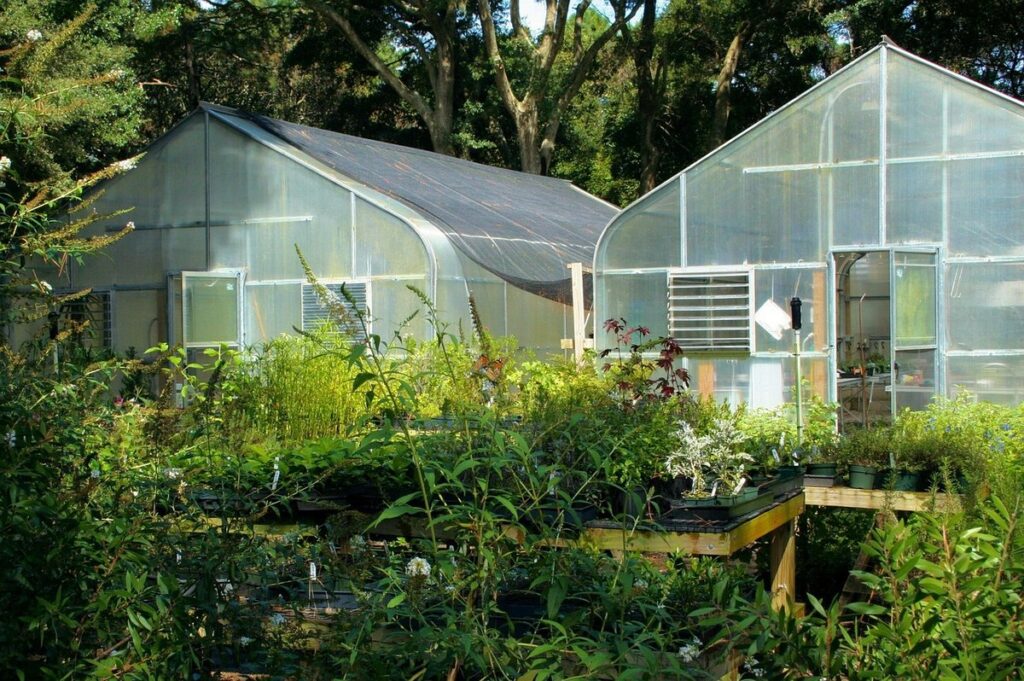
Planning Your Winter Garden
Before you start planting, let’s talk about creating a plan for your winter garden that will bring you joy and bountiful harvests all season long. We’ll cover key considerations to get you started.
Choosing the Right Greenhouse Type
When it comes to choosing the right greenhouse type for winter gardening, you have several options to consider. One popular choice is a cold frame, which provides excellent protection from harsh winds and extreme temperatures. These structures are typically made of wood or metal frames covered with glass or polycarbonate panels. Cold frames are ideal for extending the growing season in mild winters but may not be suitable for areas with prolonged subzero temperatures.
Hoop houses, on the other hand, offer more flexibility and can be used to create a warm microclimate for your plants. These structures consist of a series of connected hoops covered with plastic or polyethylene film, which allows for ventilation and easy access. Hoop houses are suitable for both cold and temperate climates but may not provide complete protection from extreme weather conditions.
Polytunnels are another option for winter gardening, offering excellent protection from wind, frost, and pests. These structures consist of a series of parallel wires covered with polyethylene film or glass, providing a durable and low-maintenance solution. Polytunnels are ideal for areas with harsh winters but may require additional heating systems to maintain optimal temperatures.
Ultimately, the right greenhouse type for you will depend on your specific climate, available space, and budget. Consider factors such as temperature fluctuations, wind exposure, and sunlight requirements when making your decision. With the right choice, you can create a thriving winter garden that produces an abundance of fresh produce year-round.
Assessing Climate and Microclimate
When planning your winter greenhouse garden, it’s essential to understand and assess both your climate and microclimate. This will help you determine the best greenhouse options for your area, ensuring a bountiful harvest despite the cold temperatures.
Start by evaluating your local climate. Look at the average temperature fluctuations during winter months, including any extreme cold snaps or warm spells. Research frost patterns in your region to determine when and how long frosts typically last. This information will help you choose the right greenhouse model, insulation type, and heating options for your specific needs.
Consider your microclimate as well – the unique combination of climate and local conditions that affect your garden. Factors like wind direction, proximity to bodies of water, and surrounding topography can significantly impact temperature fluctuations in your greenhouse. For example, if you live near a large body of water, you may experience more moderate winters due to the moderating effect of the ocean.
To accurately assess your microclimate, take note of any natural or man-made features that could influence temperatures within your greenhouse. This might include nearby trees, buildings, or even local topography. By understanding both your climate and microclimate, you’ll be better equipped to select a greenhouse design that will thrive in your specific conditions.
Setting Winter Gardening Goals
Setting realistic goals for your winter garden is crucial to achieving a bountiful harvest. Before you start planning, take some time to think about what you want to grow and when. Consider the types of crops that thrive in cooler temperatures, such as Brussels sprouts, kale, and broccoli. These cool-season crops are perfect for a greenhouse winter garden because they mature quickly and can tolerate frost.
To determine how much space you need, calculate the mature size of each plant variety. For example, if you’re growing a vining crop like spinach or lettuce, make sure to provide enough vertical support. A general rule of thumb is to allow at least 12-18 inches of space between plants and 2-3 feet of width for larger varieties.
Consider your greenhouse’s climate control system and how it will affect the temperature and humidity levels inside. This will help you choose crops that are adapted to those conditions and ensure a healthy, productive harvest. By setting clear goals and planning carefully, you’ll be well on your way to enjoying a winter garden that’s bursting with fresh produce.
Preparing Your Greenhouse for Winter
Before the cold weather sets in, it’s essential to prepare your greenhouse for winter by taking a few simple steps to protect your plants and equipment. Let’s take a look at how to do just that.
Insulation and Ventilation
When it comes to greenhouse winter gardening, proper insulation and ventilation are crucial for maintaining a stable temperature. This is especially important during cold snaps when temperatures can drop significantly, causing damage to plants and structures.
To insulate your greenhouse effectively, consider using materials such as bubble wrap, foam board, or reflective foil on the north-facing walls. These materials help retain heat by minimizing heat loss through radiation and conduction. You can also use thermal curtains or blackout shades to reduce heat loss at night.
Designing an efficient ventilation system is equally important for maintaining a stable temperature. Aim to provide a minimum of 1-2 square feet of ventilation area per square foot of greenhouse space. This will allow for air exchange while minimizing heat loss. Use automatic openers and closers to regulate airflow, ensuring that vents are closed during cold spells and opened when it’s warm.
By investing in proper insulation and designing an efficient ventilation system, you’ll be able to maintain a stable temperature within your greenhouse, protecting your plants from harsh winter conditions and ensuring a bountiful harvest.
Heating Options for Your Greenhouse
When it comes to maintaining a comfortable temperature inside your greenhouse during winter, having reliable heating options is crucial. You can choose from electric heaters, propane heaters, and solar-powered systems, each with its own set of advantages and disadvantages.
Electric heaters are convenient to install and use, but they can be costly to operate, especially if you have a large greenhouse. They’re also not the most energy-efficient option, using around 3-5 kilowatt-hours (kWh) per hour. On the other hand, propane heaters offer more heat for your money but require fuel storage and ventilation, which adds complexity.
Solar-powered systems are an eco-friendly choice, harnessing the sun’s energy to warm your greenhouse during the day and retaining that warmth at night. However, they’re often more expensive upfront and may not provide enough heat on extremely cold days.
When selecting a heating option for your greenhouse, consider factors like space requirements, fuel costs, and safety precautions. For instance, ensure you have proper ventilation to avoid carbon monoxide buildup from propane heaters or electric generators.
Watering Systems and Drainage
When it comes to maintaining a healthy greenhouse during winter, efficient watering systems and drainage methods are crucial. A good watering system ensures that plants receive adequate moisture without waterlogged soil, which can lead to root rot and other issues.
One of the best options for greenhouse watering systems is a drip irrigation system. This type of system delivers water directly to the roots of the plants, reducing evaporation and runoff. Additionally, it’s easier to install and maintain than traditional sprinkler systems. For example, a study by the University of California found that drip irrigation can reduce water consumption by up to 30% in greenhouse settings.
Proper drainage is also essential to prevent waterlogged soil. A good drainage system should include features such as slope, swales, or French drains to direct excess water away from plants. You can also use materials like gravel or sand to improve soil permeability and facilitate water movement. By implementing a well-designed watering system and drainage method, you’ll be able to provide your greenhouse plants with the right amount of moisture during winter.
Winter Crop Selection and Planting
When it comes to a successful winter greenhouse garden, choosing the right crops to plant is crucial. Selecting varieties that thrive in cooler temperatures will ensure a bountiful harvest.
Cool-Season Crops
When it comes to cool-season crops, there are several varieties that thrive during the winter months. These crops are perfect for a greenhouse winter garden, as they can tolerate cooler temperatures and even some frost. Some popular cool-season crops include broccoli, kale, spinach, and carrots.
Broccoli is one of the most popular cool-season crops, and it’s easy to see why. It’s packed with nutrients and can be harvested in as little as 50 days. When planting broccoli, make sure to space the seeds 2-3 inches apart and keep the soil consistently moist. Kale is another favorite among winter gardeners, with its hardy leaves able to withstand temperatures as low as 20°F (-7°C). Plant kale seeds 1-2 inches deep and 12-18 inches apart for optimal growth.
When it comes to spinach, plant seeds directly into the greenhouse soil in late fall or early winter. Sow them 2-3 inches apart and keep the soil moist but not waterlogged. Carrots are another cool-season crop that do well in a greenhouse environment. Plant seeds ¼ inch deep and 1-2 inches apart for the best results.
Keep in mind that most cool-season crops require a period of cold temperatures to induce flowering or leaf production. In a greenhouse, you can simulate this by covering the plants with row covers or bringing them outside on chilly nights. By following these tips, you’ll be able to enjoy a bountiful harvest of cool-season crops right through the winter months.
Warm-Season Crops in Greenhouses
While it may seem counterintuitive to grow warm-season crops like tomatoes and peppers during the winter months, a greenhouse can provide an ideal environment for these heat-loving plants. By extending the growing season, you can enjoy a bountiful harvest of your favorite summer vegetables even when the temperature outside drops.
When selecting varieties for cooler temperatures, look for cultivars that are specifically bred to perform well in temperatures between 40-60°F (4-15°C). For example, some popular tomato varieties for cooler climates include ‘Early Girl’, ‘Patio’, and ‘Tumbler’. These compact plants produce smaller fruit but mature faster than larger varieties.
Peppers also thrive in greenhouses during the winter. Look for sweet pepper varieties like ‘Bell Boy’ or ‘California Wonder’, which can tolerate light frosts and cooler temperatures. To ensure optimal growth, maintain a consistent temperature between 60-70°F (15-21°C) and provide adequate ventilation to prevent fungal diseases.
Keep in mind that even with protection from the cold, warm-season crops will still require regular care and maintenance to thrive. Make sure to provide sufficient light, water, and nutrients to support their growth.
Companion Planting Strategies
Companion planting is an age-old technique that can significantly enhance crop yields and reduce pests in your greenhouse winter garden. By strategically pairing plants together, you can create a harmonious ecosystem that promotes healthy growth and minimizes the need for pesticides.
For example, planting marigolds alongside tomatoes can deter nematodes and other pests that target these popular crops. Basil and mint are natural pest repellents that can be planted near vegetables like cucumbers and carrots to keep them safe from aphids and other unwanted visitors. Onions and garlic are also great companions for many plants as they repel aphids, spider mites, and other insects.
Some beneficial plant combinations for winter gardening include:
• Planting radishes with spinach or lettuce to repel cucumber beetles
• Pairing dill with cucumbers and tomatoes to improve growth and flavor
• Growing nasturtiums alongside cabbage and kale to deter aphids and whiteflies
Remember, the key is to choose plants that have different growing requirements and will not compete for resources. By carefully selecting companion plants, you can create a thriving greenhouse winter garden that’s full of life and bounty.
Managing Pests and Diseases
As you tend to your greenhouse plants, unwanted pests and diseases can quickly become a problem; let’s explore how to manage them effectively for a healthy harvest.
Common Greenhouse Pests
When it comes to greenhouse winter gardening, pests can be just as much of a challenge as cold temperatures. Some common culprits that target crops during this time are aphids, whiteflies, and spider mites. These tiny insects feed on plant sap, causing damage to leaves, stems, and flowers.
Aphids are often found in colonies on the undersides of leaves, while whiteflies tend to congregate near infested areas, sucking sap from plants. Spider mites, however, are more difficult to spot, as they weave fine webs between branches. To control these pests, consider organic methods like introducing beneficial insects – such as ladybugs or lacewings that prey on aphids and whiteflies.
Integrated pest management (IPM) strategies also come into play during winter months. Monitor your greenhouse regularly for signs of infestation, using sticky traps to catch whiteflies and yellow traps to capture aphids. Regularly pruning plants can help reduce the likelihood of spider mite infestations. Keep in mind that chemical pesticides should be used as a last resort due to potential harm to beneficial insects and humans alike.
Winter Disease Prevention
As we delve into the world of greenhouse winter gardening, it’s essential to focus on preventing diseases that can spread quickly in a controlled environment. Winter months are particularly conducive to fungal and bacterial pathogens, which can wreak havoc on your prized crops.
Sanitation practices should be at the forefront of your disease prevention strategy. Ensure you disinfect all tools, irrigation equipment, and even the greenhouse itself regularly using a solution of 1 part bleach to 10 parts water. Remove any infected plants or debris from the greenhouse immediately, as these can serve as breeding grounds for pathogens.
Crop rotation is also crucial in preventing disease buildup. Rotate your crops seasonally, and consider grouping similar types together to reduce the risk of cross-contamination. For example, if you have a history of fungal infections with your tomato crop, rotate it out and plant something new like lettuce or herbs instead.
Biological controls can be an effective way to manage pathogens without relying on chemical fungicides. Consider introducing beneficial microorganisms such as Trichoderma or Bacillus subtilis into the soil to help combat fungal and bacterial diseases naturally. By implementing these simple yet effective strategies, you’ll significantly reduce the risk of disease outbreaks in your greenhouse this winter.
Tips for Successful Greenhouse Maintenance
To ensure a thriving winter harvest, keep your greenhouse well-maintained by following these essential tips to prevent damage and promote healthy growth.
Regular Cleaning and Inspection
Regular cleaning and inspection are crucial to maintain optimal growing conditions within your greenhouse. Just like our homes need regular dusting and vacuuming, greenhouses require regular maintenance to ensure the health and productivity of your plants.
Start by inspecting your greenhouse for any signs of pests or diseases. Check for aphids, whiteflies, and spider mites on leaves and stems. Look for powdery mildew, leaf spot, or root rot on plants. If you notice any issues, treat them promptly with organic pest control methods or fungicides.
Regular pruning is also essential to promote healthy growth and prevent disease spread. Prune your plants during the dormant season (usually winter) to encourage new growth in the spring. Remove dead, diseased, or damaged branches to maintain air circulation and prevent fungal diseases from taking hold.
Fertilize your plants regularly with a balanced, water-soluble fertilizer according to the manufacturer’s instructions. Repot your plants every 6-12 months to refresh the soil and provide a larger pot if necessary. By following these regular maintenance tasks, you’ll be able to identify potential problems early on and keep your greenhouse running smoothly throughout the winter season.
Monitoring Temperature and Humidity
Monitoring temperature and humidity levels is crucial to maintaining an optimal environment for your winter crops. You can use a thermometer to track the temperature inside the greenhouse. For most vegetables and fruits, temperatures between 60°F (15°C) and 75°F (24°C) are ideal during the day, with some crops requiring cooler night temperatures.
Humidity levels also play a significant role in greenhouse maintenance. To measure humidity, you can use a hygrometer. The ideal humidity range varies depending on the crop: 50-60% for most vegetables, while strawberries prefer 70-80%.
To maintain these optimal conditions, consider installing climate control systems or passive ventilation techniques like opening roof vents or using foggers to increase humidity levels. For example, if you’re growing strawberries, which require high humidity, you can install a misting system that releases water droplets into the air.
Regularly checking temperature and humidity levels will help prevent common issues like frost damage or root rot. By monitoring these conditions closely, you’ll be able to make necessary adjustments and ensure a healthy crop for your winter harvest.
Record Keeping and Planning Ahead
Accurate record keeping is essential for monitoring the performance of your winter garden and making informed decisions for future seasons. Start by noting down details such as temperature fluctuations, water usage, and pest management strategies used throughout the season.
Consider implementing a simple spreadsheet to track progress, including crop yields, harvest dates, and any challenges encountered. This will enable you to identify areas where improvements can be made and refine your greenhouse winter gardening techniques accordingly.
For planning ahead, consider a crop rotation strategy that minimizes soil exhaustion and pest buildup. Schedule maintenance tasks such as pruning, repotting, and cleaning the greenhouse during off-season periods when plants are dormant. Allocate time slots for each task to ensure timely completion, allowing you to maximize space utilization and maintain productivity throughout the year.
By implementing these measures, you’ll be able to refine your techniques, reduce waste, and enjoy a more bountiful harvest in subsequent seasons. Remember to review and update your records regularly to stay on track and adapt to changing conditions.
Frequently Asked Questions
How can I ensure my winter garden stays productive throughout the entire season?
Conduct regular temperature checks to identify any potential issues, and make adjustments as needed to maintain optimal conditions for your crops. This might involve adjusting heating systems or adding supplemental lighting to extend daylight hours.
What are some common pests that target greenhouse gardens in winter, and how can I manage them?
Some common pests during the colder months include aphids, whiteflies, and spider mites. Implement integrated pest management strategies, such as introducing beneficial insects, practicing good hygiene, and using targeted pesticides only when necessary.
Can I grow warm-season crops like tomatoes and peppers in my greenhouse during winter?
While it’s technically possible to grow these crops year-round in a greenhouse, their productivity may decrease during the colder months. Consider growing cool-season alternatives, such as broccoli or kale, which thrive in cooler temperatures.
How often should I water my winter garden, and what are some signs of overwatering?
Water your greenhouse plants when the top 1-2 inches of soil feel dry to the touch. Overwatering can lead to root rot and other issues; monitor for symptoms like yellowing leaves or a musty smell.
What’s the ideal temperature range for my greenhouse during winter, and how can I maintain it?
The ideal temperature range varies depending on your specific crops, but generally falls between 40°F (4°C) and 60°F (15°C). Use heating systems, insulation, and ventilation to regulate temperatures and maintain a stable environment.