
If you’re among the millions of garden enthusiasts who’ve invested in a greenhouse, you know how crucial it is to maximize natural light and optimize energy efficiency. But have you ever stopped to think about your roof’s design? A well-thought-out greenhouse roof can make all the difference between a lush, thriving oasis and a bland, underutilized space. With so many innovative materials and designs available today, choosing the right one for your garden can be overwhelming. In this article, we’ll explore cutting-edge greenhouse roof ideas that not only enhance natural light but also prioritize sustainability and energy efficiency. From modern glazing options to creative ventilation systems, we’ll dive into the top trends and must-try solutions to take your greenhouse to the next level.
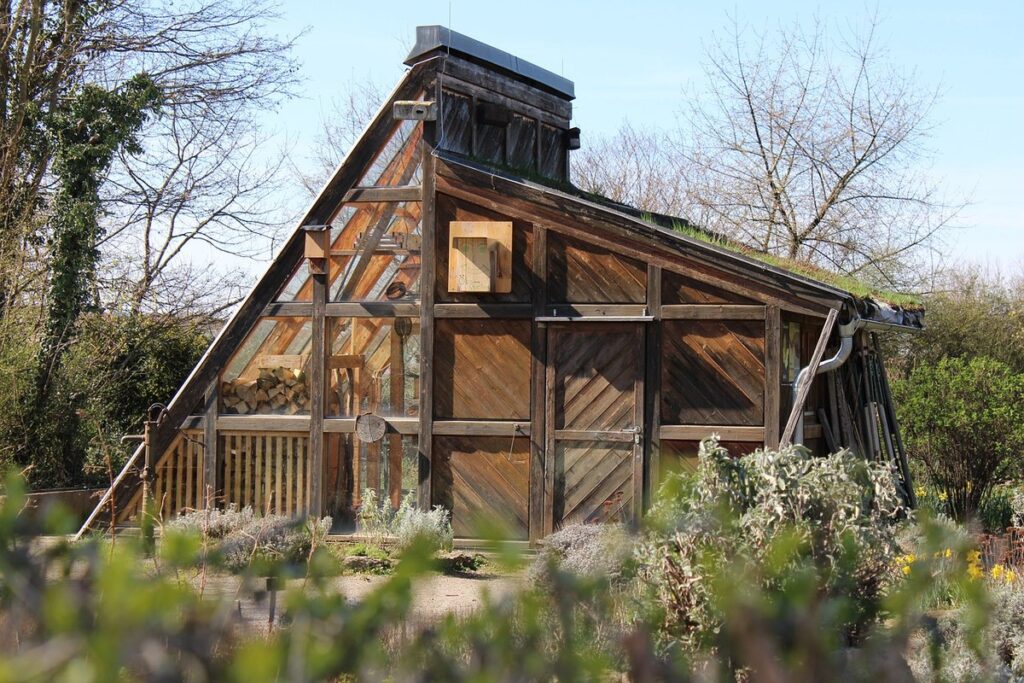
Designing the Perfect Greenhouse Roof
When it comes to designing a greenhouse roof, selecting the right materials and style can be just as crucial as choosing the plants that will thrive inside. Let’s explore some top picks for creating the perfect roof.
Benefits of Different Materials
When it comes to selecting materials for your greenhouse roof, you have several options to consider. Glass roofs offer excellent natural light transmission and provide a clear view of the surroundings. However, they can be heavy and prone to breakage.
Polycarbonate and acrylic roofs are popular alternatives to glass due to their durability and affordability. These materials are impact-resistant and can withstand harsh weather conditions. Polycarbonate sheets are often used for larger greenhouses, while acrylic is suitable for smaller structures. Metal roofs, on the other hand, are lightweight and can be made from recyclable materials.
In terms of energy efficiency, polycarbonate and acrylic roofs tend to retain heat better than glass due to their higher R-values. However, metal roofs can provide excellent insulation when properly sealed and ventilated. Ultimately, the choice of material depends on your budget, climate, and desired level of natural light transmission. Be sure to research local building codes and regulations before making a final decision.
When comparing costs, polycarbonate sheets tend to be more affordable than glass or acrylic. However, their durability may not justify the initial savings over time. Metal roofs can also be cost-effective in the long run due to their low maintenance requirements.
Considerations for Glazed Roofs
When it comes to designing a glazed roof for your greenhouse, there are several key considerations to keep in mind. One of the most significant challenges is managing thermal expansion and contraction. As the temperature fluctuates, glass panels can expand and contract, which can lead to gaps and leaks if not properly accounted for. To mitigate this issue, you can use specialized glazing systems that accommodate for thermal movement.
Condensation management is another crucial aspect of glazed roofs. If the air inside the greenhouse becomes too humid, condensation can form on the glass panels, reducing light transmission and creating an ideal environment for mold and mildew growth. To prevent this, ensure good ventilation within your greenhouse and consider using dehumidification systems or fog-free coatings.
Regular maintenance is also essential to extend the lifespan of your glazed roof. Clean the glass regularly to prevent dirt buildup and ensure optimal light transmission. Inspect the glazing system for any signs of wear or damage and address issues promptly to prevent costly repairs down the line. By carefully considering these factors, you can create a durable and efficient glazed roof that enhances your greenhouse’s performance while minimizing its environmental impact.
Alternative Roof Options for Small Spaces
When working with limited space, it can be challenging to design a greenhouse roof that’s both functional and visually appealing. However, there are several alternative options available that cater specifically to compact or small greenhouses.
One innovative approach is incorporating curved or domed shapes into the roof design. These unique profiles allow for more efficient use of space while also providing additional headroom inside the greenhouse. A well-designed curved or domed roof can create a stunning visual effect, making your greenhouse stand out in your garden.
When it comes to materials, polycarbonate and acrylic are excellent choices for small greenhouses. Not only do they offer superior light transmission, but they’re also more durable than traditional glass. Additionally, these materials are often lighter and easier to install, reducing the overall weight and structural demands on the greenhouse frame. Consider combining a curved or domed roof with polycarbonate or acrylic panels for an optimal solution that balances aesthetics with functionality.
Maximizing Natural Light and Insulation
To get the most out of your greenhouse, you’ll want to strike a balance between letting natural light pour in and keeping warmth inside – let’s explore how.
Understanding the Role of Roof Angle
When designing a greenhouse roof, it’s essential to consider the angle and slope of the structure. The roof’s orientation can significantly impact natural light transmission, heat retention, and water runoff.
The ideal roof angle for optimal sunlight exposure varies depending on your location and climate. In general, a 30-degree to 45-degree angle is recommended for most regions. This allows for maximum sunlight penetration while minimizing glare. In areas with intense sunlight, such as near the equator, a shallower angle (20-30 degrees) may be more suitable to prevent overheating.
A well-designed roof slope also plays a crucial role in water runoff. A 2:12 or 2.5:12 ratio is commonly used for greenhouses, ensuring that water flows off the roof without accumulating and causing damage.
When optimizing your greenhouse roof design, consider the following tips:
* Research local building codes and regulations regarding roof angles.
* Consult with a professional to determine the ideal angle for your specific climate.
* Ensure proper ventilation to prevent overheating or underheating.
Smart Glazing Solutions for Energy Efficiency
When it comes to maximizing natural light and insulation in your greenhouse, incorporating cutting-edge glazing technologies and materials can make a significant impact on energy efficiency. One of the most effective solutions is low-e glass, which reduces heat transfer by minimizing conduction and radiation between the interior and exterior environments. This technology can be used for walls, roofs, or even windows, making it an ideal choice for greenhouses.
Another innovative option is solar windows, which generate electricity while allowing natural light to pass through. These high-tech windows harness photovoltaic energy during daylight hours, reducing your reliance on external power sources and minimizing carbon emissions. Smart skylights are also gaining popularity, equipped with advanced sensors that automatically adjust their openness to regulate heat gain or loss.
By incorporating these smart glazing solutions into your greenhouse roof design, you can enjoy improved light transmission, reduced energy consumption, and a more sustainable garden environment. Consider integrating low-e glass, solar windows, or smart skylights into your next project for an eco-friendly and cost-effective approach to maximizing natural light and insulation in your greenhouse.
Passive Design Strategies for Insulation
When designing a greenhouse roof, it’s essential to incorporate passive design principles that maximize insulation and minimize energy consumption. Strategic roof shape and orientation play a crucial role in achieving this goal.
A well-designed greenhouse roof can be shaped to optimize solar gain during the winter months while minimizing heat loss during the summer. A south-facing slope, for instance, can capture abundant sunlight and heat, reducing the need for artificial lighting and heating systems. On the other hand, a north-facing slope is ideal for areas with intense summer sun, as it minimizes direct radiation and reduces heat gain.
Integrating thermal mass elements into your greenhouse roof design can also improve insulation. Thermal mass materials like concrete or brick absorb and release heat slowly, helping to regulate internal temperatures. By incorporating these materials into the roof structure, you can maintain a stable and comfortable growing environment with minimal energy input.
Effective ventilation is another critical aspect of passive design for insulation. Properly designed vents and fans ensure that hot air escapes during the day, reducing cooling loads and preventing overheating. In contrast, carefully sealed joints and insulation layers minimize heat loss through gaps and cracks, further enhancing the roof’s insulating capabilities. By balancing these elements, you can create a greenhouse roof that is not only aesthetically pleasing but also highly energy-efficient and sustainable.
Choosing the Right Roof Style for Your Greenhouse
When it comes to choosing a roof style for your greenhouse, there are several factors to consider that will impact both form and function. We’ll explore these options in more detail here.
Classic Gable and Pitched Roofs
A classic gable and pitched roof is a timeless choice for greenhouses, offering simplicity and cost-effectiveness. The design features two sloping sides that meet at a ridge, allowing rainwater to run off easily. This style is ideal for small to medium-sized greenhouses, as it provides ample space for plants while keeping the overall structure compact.
One of the key advantages of a gable roof is its ease of construction. It requires minimal materials and labor, making it an attractive option for DIY enthusiasts or those on a budget. However, this design can also lead to potential water accumulation if not properly pitched. To avoid this issue, ensure that your greenhouse’s roof pitch is at least 30 degrees to allow rainwater to flow freely.
When choosing a gable and pitched roof for your greenhouse, consider the following:
* Select materials with good drainage properties, such as asphalt shingles or corrugated metal.
* Regularly inspect your roof for signs of wear and tear, particularly after heavy rainfall events.
* Consider adding a slight overhang to the roof edges to prevent water from running off onto the surrounding area.
Contemporary Flat and Curved Roofs
When it comes to choosing the right roof style for your greenhouse, you may be interested in exploring modern, flat, or curved options that cater to unique architectural visions or specific climate requirements. These styles offer improved natural light transmission, allowing plants to thrive under their own natural illumination.
A flat roof is a popular choice for greenhouses, particularly those with large interior spaces. This style provides an expansive area for installing solar panels, which can generate electricity and power your greenhouse’s systems. Additionally, flat roofs allow for easy installation of irrigation systems, reducing water waste and ensuring efficient watering. For example, the Eden Project in Cornwall, UK, features a stunning flat roof design that maximizes natural light while maintaining a sleek appearance.
On the other hand, curved roofs offer an aesthetically pleasing alternative, providing better drainage during heavy rainfall events and minimizing snow accumulation on the roof surface. This style is ideal for areas with high precipitation or extreme weather conditions, ensuring your greenhouse remains structurally sound despite harsh climatic factors.
Hybrid Roof Designs for Versatility
When it comes to choosing a roof design for your greenhouse, you may be considering traditional styles like gable, hip, or flat roofs. However, hybrid roof designs can offer the ultimate versatility and adaptability for your sustainable garden. By combining elements from different styles, these innovative designs can accommodate various climates, plants, and user needs.
For example, a skylight-inspired roof design combines the benefits of natural light with the structural integrity of a gable roof. This type of roof features large panels or windows that allow for maximum sunlight penetration while providing support to the surrounding structure. Another option is the “green roof” hybrid design, which incorporates a living roof system on top of a flat or pitched roof. This not only provides insulation but also creates a habitat for local wildlife and helps with rainwater management.
By opting for a hybrid roof design, you can create a greenhouse that adapts to changing weather conditions and meets the specific needs of your plants and users. Whether you live in a region with intense sunlight or heavy rainfall, there’s a hybrid design out there to suit your climate and preferences.
Budget-Friendly and DIY Greenhouse Roof Ideas
For gardeners on a budget, we’ve got you covered with creative and cost-effective DIY solutions to transform your greenhouse roof into a stunning feature of your outdoor space. From repurposed materials to clever upcycling ideas, get inspired here!
Upcycled Materials and Repurposed Components
Repurposing materials for your greenhouse roof is not only budget-friendly but also an exciting way to give new life to old items. You can start by scouring local salvage yards, Habitat for Humanity ReStores, or online marketplaces for reclaimed wood and salvaged glass components.
For instance, you can repurpose old pallets into a unique and rustic greenhouse roof design. Simply disassemble the pallets, clean them thoroughly, and arrange them in a pattern that suits your greenhouse’s style. This not only saves money but also adds a touch of character to your garden.
Another creative way is to upcycle recycled plastic components. You can repurpose old plastic bottles or containers into a translucent panel for your greenhouse roof. Simply cut the plastic into desired shapes, clean them thoroughly, and assemble them into a functional panel that allows natural light to filter through.
When incorporating these materials into your design, keep in mind factors such as structural integrity, durability, and weather resistance. With a little creativity and resourcefulness, you can create a one-of-a-kind greenhouse roof that not only saves money but also reduces waste.
Simple and Affordable Glazing Options
When it comes to glazing options for your greenhouse roof, you don’t have to break the bank. Simple and affordable solutions are just around the corner. One of the most budget-friendly choices is polycarbonate sheets. These lightweight panels offer excellent insulation, UV protection, and can withstand various weather conditions.
For a DIY approach, consider repurposing old windows or acrylic panels from discarded materials. Clean and repair them as needed, then attach them to your greenhouse roof frame using suitable fasteners. This creative solution not only saves money but also reduces waste. If you’re looking for more traditional options, explore online marketplaces or local hardware stores for discounted polycarbonate sheets.
Before making a purchase, ensure the chosen material is compatible with your climate and meets your specific needs. A well-insulated greenhouse will maintain optimal temperatures, reducing heating costs and promoting healthy plant growth. With these simple glazing solutions, you can create a functional and eco-friendly greenhouse without overspending on expensive materials or labor.
Greenhouse Roof Makeovers for Renovations and Restorations
When it comes to revamping an existing greenhouse roof, careful consideration is essential to ensure both structural integrity and optimal growing conditions. Start by assessing the current state of the roof, taking note of any damage, cracks, or signs of wear. Evaluate the insulation needs of your specific climate; for example, if you live in a cold region, consider adding more insulation to prevent heat loss during winter.
For a budget-friendly makeover, repurpose existing materials whenever possible. For instance, reuse old greenhouse panels or replace them with recycled materials like reclaimed wood or plastic sheets. When selecting new materials, prioritize durability and sustainability; options include polycarbonate, fiberglass, or corrugated metal roofs. Labor requirements can be minimized by enlisting the help of friends and family or opting for DIY projects.
Before embarking on your renovation, ensure you have the necessary permits and follow local building codes to avoid any potential issues. A well-executed roof makeover not only protects your investment but also enhances the aesthetic appeal of your garden while promoting a healthy environment for plants to thrive in.
Maintaining and Repairing Your Greenhouse Roof
As you lovingly tend to your greenhouse, it’s essential to know how to properly maintain and repair your roof to ensure a long and healthy life for your plants. Regular checks will keep everything running smoothly.
Regular Maintenance Tasks and Checklists
Regular maintenance is key to extending the life of your greenhouse roof and ensuring it continues to provide optimal performance. To keep your roof in top condition, create a comprehensive schedule that includes regular inspections, cleaning, and repair work.
Start by setting aside time each month for a thorough inspection of the roof, checking for any signs of damage, wear, or aging materials. Clean debris from the surface and gutters, and inspect the glazing for any cracks or imperfections. If you notice any issues during this process, address them promptly to prevent further problems.
Additionally, schedule quarterly inspections to identify potential issues before they become major problems. Check for signs of water damage, mold growth, or pest infestations, and perform routine cleaning tasks such as washing the glazing with a mild detergent solution.
By staying on top of maintenance and addressing issues promptly, you’ll be able to extend the life of your greenhouse roof and keep it performing at its best. This will also help prevent costly repairs down the line and ensure your garden continues to thrive.
Emergency Repairs and Patch Jobs
If you find yourself facing an unexpected leak or damage to your greenhouse roof, it’s essential to act quickly to prevent further damage and protect your plants. In such situations, emergency repairs and patch jobs are often necessary. For temporary fixes, apply a high-quality waterproof sealant to the affected area. This will provide immediate protection from the elements, giving you time to assess the situation and plan for more extensive repairs.
In some cases, a simple repair might be all that’s needed. Inspect your roof’s structure carefully, looking for signs of wear or damage. If you identify any weak points, use a patching compound specifically designed for greenhouses to seal the gaps. Be sure to follow the manufacturer’s instructions and allow sufficient drying time.
To prevent future damage, inspect your greenhouse roof regularly and address any issues promptly. Consider implementing preventative measures such as replacing worn-out seals or upgrading to more durable materials. By taking proactive steps, you’ll be better equipped to handle unexpected repairs and ensure the longevity of your greenhouse.
Advanced Roof Repair Techniques for Complex Issues
When it comes to repairing complex issues with your greenhouse roof, you may need to employ more advanced techniques and materials. This could involve structural reinforcement to ensure the roof’s integrity is maintained.
In such cases, re-glazing or replacing entire sections of the roof might be necessary. You can opt for polycarbonate panels or glass replacements, depending on your specific needs and budget. Consider factors like durability, weight capacity, and weather resistance when making this decision.
For instance, if you’re dealing with a large greenhouse, structural reinforcement may require the use of steel frames or aluminum beams to provide additional support. In contrast, re-glazing can involve replacing individual panes or entire sections of glazing, depending on the extent of the damage.
Some greenhouse owners might choose to replace their roof entirely, opting for more energy-efficient and sustainable materials like triple-glazed glass or advanced poly film. Whatever your approach, it’s essential to assess the root cause of the issue before proceeding with repairs. This will help ensure that you address any underlying problems and avoid future complications.
Conclusion: Crafting a Perfect Greenhouse Roof for Your Garden
Now that you’ve explored various green roof ideas, let’s distill our findings into practical tips for crafting the perfect greenhouse roof for your garden.
Recap and Recommendations
As we conclude our exploration of greenhouse roof ideas, let’s recap the key takeaways and recommendations for choosing the perfect roof style, material, and design for your sustainable garden.
When selecting a greenhouse roof, it’s essential to consider your climate, budget, and performance requirements. If you live in an area with intense sunlight or harsh weather conditions, look for roofs with high UV protection and durability. For example, polycarbonate roofs are ideal for sunny climates as they allow maximum light transmission while providing excellent protection against extreme temperatures.
For a more budget-friendly option, consider using glass or acrylic roofs, which offer good insulation and can be recycled at the end of their life cycle. However, if you’re looking to maximize energy efficiency, explore options like fiberglass or ETFE (ethylene tetrafluorethylene) roofs, which provide excellent thermal insulation.
In terms of design, think about the aesthetic appeal and functionality you want to achieve. For example, a gable roof style can be more cost-effective than a hip roof but may require additional support for snow loads in areas with heavy winter conditions.
To ensure your greenhouse roof meets specific performance requirements, consider factors like ventilation, drainage, and maintenance access. Some key features to look out for include:
* Automatic vent openers that regulate temperature and humidity
* Sloped designs that allow rainwater to run off easily
* Easy-to-clean surfaces that reduce maintenance time
By considering these factors and weighing your options carefully, you can choose a greenhouse roof style, material, and design that meets your unique needs and preferences.
Frequently Asked Questions
Can I mix and match different roof materials for a unique look?
You can combine materials to achieve a distinct aesthetic, but consider factors like weight distribution, durability, and energy efficiency. For example, you could pair glass panels with polycarbonate or acrylic sections for a blend of style and functionality.
How do I choose the right roof angle for my greenhouse?
The ideal roof angle depends on your climate, available space, and desired level of natural light. Typically, a 30-45° pitch is suitable for most regions, but you may need to adjust based on factors like snow load or intense sunlight.
Can I install a greenhouse roof myself, or should I hire a professional?
While it’s possible to DIY certain aspects, more complex designs or installations might require expert assistance. Consider your level of comfort with roofing materials and the specific requirements of your project before deciding whether to tackle it solo or seek help from a pro.
What if I want to replace my existing greenhouse roof? Are there any budget-friendly options?
Yes! You can repurpose old materials, use second-hand glazing units, or opt for more affordable alternatives like polycarbonate or acrylic sheets. Additionally, consider DIY projects that reuse and recycle materials from your original roof.
How often should I inspect and maintain my greenhouse roof to prevent damage and ensure energy efficiency?
Regular inspections (at least bi-annually) will help identify potential issues before they escalate. Check for cracks, gaps, or signs of wear on glazing units, roof membranes, and other components. Schedule repairs promptly, and make adjustments as needed to optimize your greenhouse’s performance.