
As you carefully tend to your greenhouse, ensuring optimal growing conditions for your plants is crucial. One often overlooked aspect that significantly impacts energy efficiency, climate control, and crop health is proper greenhouse roof glazing. Good glazing can make all the difference in maintaining a stable internal environment, regulating temperature fluctuations, and protecting your crops from harsh weather conditions.
In this article, we’ll delve into the world of greenhouse roof glazing, exploring the various types available, including polycarbonate, glass, and acrylic options. We’ll also discuss the importance of proper installation and maintenance techniques to maximize energy efficiency and extend the lifespan of your glazing system. Whether you’re a seasoned gardener or just starting out, this guide will provide you with the knowledge and best practices for selecting, installing, and troubleshooting greenhouse roof glazing issues.
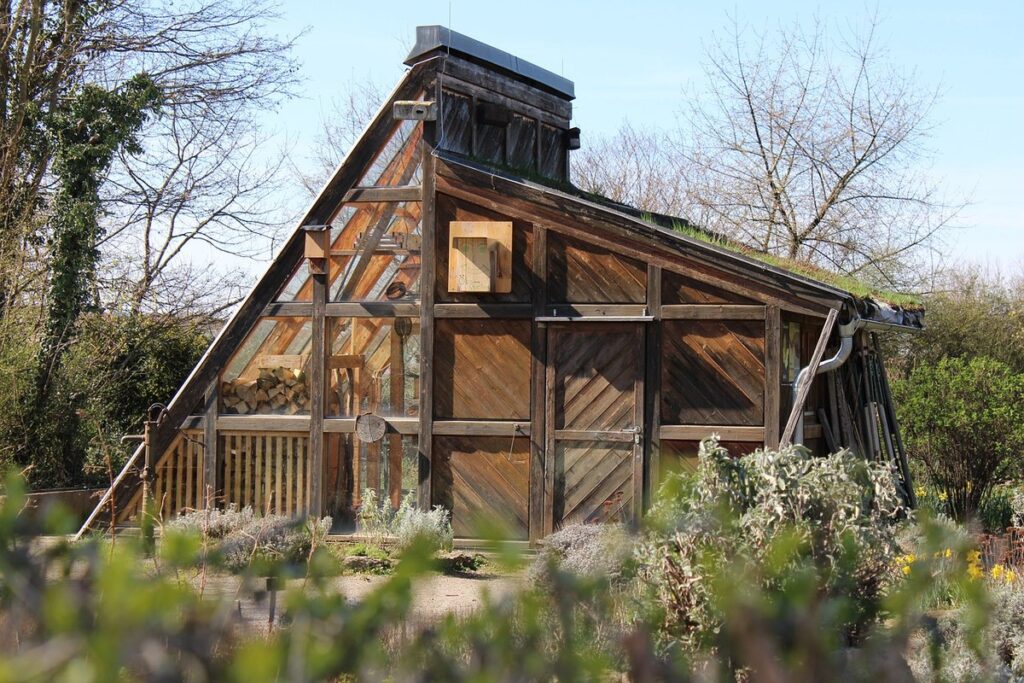
Understanding the Importance of Greenhouse Roof Glazing
When it comes to designing and building a greenhouse, selecting the right roof glazing is crucial for ensuring optimal light transmission, temperature control, and plant growth. Let’s dive into why this matters.
Benefits of Proper Glazing
Proper glazing plays a crucial role in ensuring the optimal functioning of your greenhouse. One of the most significant benefits of effective glazing is improved energy efficiency. This can be attributed to the ability to control temperature fluctuations, reducing heat loss during winter and minimizing heat gain during summer. For instance, double-glazed greenhouses have been shown to reduce heating costs by up to 30% and cooling costs by up to 25%. By maintaining a consistent internal climate, you can significantly minimize energy consumption.
Effective glazing also has a positive impact on crop health. By controlling the amount of light and heat entering the greenhouse, you can create an optimal environment for plant growth. This can lead to increased yields, improved fruit quality, and reduced stress on crops. For example, some growers have reported up to 20% increases in tomato yields by using high-performance glazing materials.
In addition, proper glazing allows for better climate control, which is essential for maintaining a healthy environment within the greenhouse. This can be achieved through various glazing techniques, such as shading, venting, and insulation. By understanding the benefits of effective glazing and incorporating it into your design, you can create an optimal growing environment that promotes healthy plant growth and reduces operational costs.
Common Challenges with Greenhouse Roof Glazing
When installing and maintaining greenhouses, several common challenges can arise with greenhouse roof glazing. One of the most significant issues is condensation buildup, which can lead to mold growth, reduced light transmission, and increased energy costs. This occurs when warm, humid air from inside the greenhouse meets the cooler glass surface, causing water droplets to form.
Heat loss is another concern, as it can compromise the overall efficiency of your greenhouse. This can be addressed by selecting glazing materials with high insulation values or using double-glazed systems. Additionally, ensure proper ventilation and shading strategies are in place to regulate internal temperatures.
Structural integrity concerns also arise when dealing with heavy roof glazing materials. Properly secure these materials to avoid damage from wind loads, snow, or other external factors. Regular inspections can help identify potential issues before they become major problems. By being aware of these common challenges and taking preventative measures, you can ensure your greenhouse’s roof glazing system operates efficiently and effectively.
Types of Greenhouse Roof Glazing Materials
When it comes to selecting the perfect glazing material for your greenhouse roof, you have a variety of options to consider, each with its own unique benefits and characteristics. Let’s explore the different types available.
Polycarbonate Glazing
Polycarbonate glazing is a popular choice for greenhouse roofs due to its unique combination of durability and cost-effectiveness. This material offers excellent impact resistance, making it ideal for areas prone to extreme weather conditions. Additionally, polycarbonate glazing allows for up to 92% light transmission, providing the necessary illumination for plant growth while minimizing heat loss.
One of the key advantages of polycarbonate glazing is its affordability compared to glass or acrylic alternatives. This makes it an attractive option for commercial greenhouses on a budget. For instance, a study by the University of California found that using polycarbonate glazing in their greenhouse reduced energy costs by up to 30%. However, it’s worth noting that polycarbonate glazing can be prone to scratches and UV degradation over time.
To ensure long-lasting performance, it’s essential to choose high-quality polycarbonate sheets with a minimum thickness of 8mm. Regular maintenance, such as cleaning and inspecting the glazing for any damage, is also crucial. By carefully selecting and caring for polycarbonate glazing, greenhouse owners can enjoy its numerous benefits while minimizing potential drawbacks.
Glass Glazing
Glass glazing offers numerous benefits for greenhouse roof design. One of its primary advantages is improved transparency, allowing growers to monitor crop health and adjust lighting levels as needed. Glass also reduces condensation, which can lead to mold growth and decreased yields. Furthermore, glass provides increased structural integrity compared to other materials, making it an excellent choice for greenhouses exposed to harsh weather conditions.
However, glass glazing has its drawbacks. It is a more expensive option than some other materials, such as polycarbonate or polyethylene. Additionally, glass is prone to breakage, which can be costly and time-consuming to repair. For example, a broken pane of glass may need to be replaced entirely, rather than simply repairing the damaged area.
Despite these drawbacks, many growers still opt for glass glazing due to its benefits. To minimize costs associated with glass glazing, consider using tempered or laminated glass, which are more resistant to breakage. You can also explore local suppliers and compare prices to find the best deal.
Measuring and Selecting the Right Greenhouse Roof Glazing
When it comes to choosing the right glazing for your greenhouse roof, measuring for optimal coverage is crucial, as well as selecting a material that suits your climate and budget.
Factors Influencing Glazing Selection
When selecting the right glazing material for your greenhouse roof, there are several key factors to consider. The climate you’re operating in plays a significant role, as different regions experience varying levels of sunlight, temperature fluctuations, and precipitation patterns. For example, if you live in an area with intense sunlight or high temperatures, you’ll want to opt for a glazing material that provides adequate UV protection and heat retention.
Similarly, the type of plants you’re growing will also influence your glazing selection. Some plants require more light than others, so a glazing material with higher transparency may be necessary. On the other hand, if you’re growing sensitive or tropical plants, you’ll want to choose a glazing material that filters out excessive sunlight and provides consistent temperatures.
Budget constraints are another essential consideration, as different glazing materials vary significantly in price. Additionally, your desired level of transparency will also impact your decision, with options ranging from high-clarity glass to more opaque polycarbonate panels. By weighing these factors, you can make an informed choice that meets the specific needs of your greenhouse and its inhabitants.
Measuring for Optimal Glazing Coverage
When measuring your greenhouse for optimal glazing coverage, it’s essential to consider the unique aspects of your structure. Start by taking precise measurements of the roof dimensions, including the length and width. Be sure to account for any obstructions or features that may affect the glazing installation.
To ensure accurate calculations, note the roof slope and angle, as these will impact the amount of glazing required. For example, a steeper roof slope may necessitate additional support for the glazing panels. Additionally, consider the shape of your greenhouse roof – whether it’s flat, pitched, or curved – as this will also influence the glazing coverage.
Use a tape measure to record the precise measurements, and take note of any irregularities in the roof surface. You can then use these measurements to determine the optimal glazing layout, taking into account factors such as ventilation requirements and structural support. By accurately measuring your greenhouse dimensions, you’ll be well on your way to achieving optimal glazing coverage and ensuring a healthy growing environment for your plants.
Installation and Maintenance Best Practices
To ensure a long-lasting and optimal performance of your greenhouse roof glazing, follow these key installation and maintenance tips to avoid common pitfalls. Proper setup is crucial for durability.
Preparing the Greenhouse Roof for Glazing
Preparing the greenhouse roof for glazing is an essential step to ensure a successful and long-lasting installation. Before you begin applying the glazing material, it’s crucial to give the roof a thorough cleaning. Remove any dirt, debris, or old sealants that may be present on the surface. Use a soft-bristled brush or a cloth to gently sweep away any loose particles.
Inspect the roof for any damage, such as cracks or holes. If you find any issues, now is the time to repair them before glazing. Make sure to use materials and techniques suitable for your greenhouse’s specific design and climate conditions. Apply a sealant if necessary, but only after ensuring that the surface is clean and dry.
A well-prepared roof will ensure a smooth and even glazing process. Take your time and do it right – a small mistake can lead to costly repairs or even compromise the structural integrity of your greenhouse. For example, a damaged roof panel may not seal properly, allowing water to seep in and cause damage over time. By following these simple steps, you’ll be well on your way to a successful glazing installation.
Safe Handling and Installation of Glazing Materials
When handling and installing glazing materials for your greenhouse roof, safety should be your top priority to prevent damage, breakage, or even injuries. Start by familiarizing yourself with the specific material you’re working with. For example, tempered glass is more prone to breakage than insulated glass units (IGUs), so handle it with extra care.
To minimize the risk of breakage during installation, ensure that your glazing materials are properly supported and secured in place. This can be achieved by using specialized brackets or clips designed specifically for greenhouse roofs. It’s also essential to follow the manufacturer’s instructions for any adhesives or sealants used during the process.
When handling fragile glazing materials like glass, it’s crucial to wear protective gear such as gloves, safety glasses, and a dust mask. To prevent damage from scratches or abrasions, store your glazing materials on a flat surface or in a designated storage area.
Remember to inspect your glazing materials before installation for any signs of damage or defects. This will not only ensure a successful installation but also avoid potential accidents down the line.
Troubleshooting Common Greenhouse Roof Glazing Issues
As you set up and maintain your greenhouse, unexpected issues can arise with your roof glazing. In this crucial troubleshooting guide, we’ll help you identify and solve common problems.
Identifying Causes of Condensation and Frost Damage
Condensation and frost damage are two of the most common issues affecting greenhouse roof glazing. These problems can be caused by inadequate ventilation, temperature fluctuations, and poor maintenance practices.
Inadequate ventilation is often the primary culprit behind condensation buildup. When warm air from inside the greenhouse meets cooler air outside, it can create a humid environment that encourages condensation to form on the glazing surface. This can lead to water droplets forming on the glass or plastic panels, causing visibility issues and potentially weakening the structural integrity of the glazing.
Temperature fluctuations also play a significant role in promoting condensation and frost damage. Sudden changes in temperature can cause the air inside the greenhouse to reach its dew point, leading to condensation formation. To mitigate this issue, it’s essential to maintain a consistent interior temperature, ideally between 65°F to 75°F (18°C to 24°C).
Poor maintenance practices can also exacerbate these problems. For instance, failing to clean the glazing surface regularly can lead to dirt and debris buildup, which can trap moisture and promote condensation.
To address these issues, ensure that your greenhouse is equipped with adequate ventilation systems, such as automatic roof openers or vents. Regularly inspect and maintain the glazing surface by cleaning it gently with a soft cloth and mild detergent. Additionally, consider using anti-fog coatings on the glass or plastic panels to reduce condensation formation.
Inspecting and Repairing Damaged Glazing
Inspecting damaged glazing is an essential step in maintaining optimal greenhouse performance. Over time, glazing can become worn, cracked, or discolored due to various factors such as weather conditions, pests, or manufacturing defects. It’s crucial to identify these issues early on to prevent further damage and ensure the integrity of your greenhouse.
When inspecting damaged glazing, start by visually examining the entire roof surface for any signs of wear or damage. Look for cracks, gaps, or discoloration that may be allowing water to seep in. Check for loose or missing fasteners that could compromise the seal. If you notice any issues, do not attempt to repair them yourself; instead, consult a professional glazier who can assess and repair or replace the damaged sections.
To prevent further damage, make it a habit to inspect your greenhouse roof regularly, ideally after every significant weather event. Regular maintenance will help prolong the lifespan of your glazing system and ensure your plants receive optimal growing conditions.
Upgrading or Replacing Existing Greenhouse Roof Glazing
If you’re considering upgrading or replacing your greenhouse roof glazing, it’s essential to understand the options available and how they can benefit your growing space. We’ll explore these alternatives in more detail below.
Assessing the Need for Upgrade or Replacement
If you’re considering upgrading or replacing existing greenhouse roof glazing, it’s essential to assess whether your current glazing is meeting your needs. One of the primary signs that indicate a need for upgrade or replacement is increased energy costs. If your heating and cooling bills are rising despite optimal growing conditions, it may be due to inefficient glazing allowing excessive heat loss or gain.
Another indicator is reduced crop yields, which can result from inconsistent temperatures, humidity levels, or light penetration. Check if your crops are experiencing damage due to frost, overheating, or inadequate ventilation. Structural concerns, such as cracks, water seepage, or weakened frame members, also necessitate replacement.
When evaluating your glazing’s performance, consider factors like age, usage, and maintenance history. Regular inspections can help identify early warning signs of degradation. For instance, inspect for cloudy or hazy panes that may compromise light transmission.
Selecting Replacement Materials and Contractors
When it’s time to upgrade or replace existing greenhouse roof glazing, selecting the right replacement materials and contractors is crucial for achieving desired performance improvements while staying within budget. Before making a decision, consider your budget constraints. Will you be opting for high-performance materials that may come with a higher price tag, or will you be looking for more affordable alternatives? It’s essential to weigh the costs against the benefits of improved energy efficiency and durability.
Consider what you want to achieve with your new glazing system. Do you need better insulation to reduce heat loss in winter and prevent overheating in summer? Are you looking to increase natural light transmission while maintaining structural integrity? Make a list of your desired performance improvements and prioritize them accordingly.
When selecting contractors, look for experience working on greenhouse projects similar to yours. Ensure they have a good understanding of the specific requirements for greenhouse roof glazing, including factors such as wind load, snow load, and condensation control. Ask about their warranty policies and ensure they can provide comprehensive support throughout the installation process.
Frequently Asked Questions
What are some common mistakes to avoid when selecting greenhouse roof glazing materials?
When choosing a glazing material, many gardeners overlook the importance of considering factors like UV resistance, durability, and thermal expansion. To ensure optimal performance, select materials that match your climate and plant requirements.
How often should I inspect my existing green house roof glazing for signs of damage or wear?
Regular inspections are crucial to maintaining a healthy greenhouse environment. Check your glazing at least twice a year, after extreme weather conditions, and following any significant changes in temperature fluctuations.
Can I use greenhouse roof glazing on non-traditional structures like polytunnels or cold frames?
Yes, many types of greenhouse roof glazing are suitable for various structures beyond traditional greenhouses. However, consider factors like structural integrity, climate, and plant requirements when selecting materials for these unique setups.
How can I minimize condensation and frost damage on my greenhouse roof glazing?
To prevent damage from moisture, ensure proper ventilation, maintain optimal temperature ranges, and use anti-fog coatings or dehumidifying systems. Regularly inspect your glazing for signs of condensation or frost and address issues promptly to prevent long-term damage.
What are some best practices for cleaning and maintaining greenhouse roof glazing?
Clean your glazing regularly with mild detergents and soft cloths, avoiding abrasive materials that can scratch surfaces. Also, maintain a clean environment around the greenhouse to reduce debris accumulation and facilitate efficient airflow.