
Are you considering building or upgrading your greenhouse? One crucial aspect to get right is choosing the right plastic sheeting. Greenhouse plastic sheeting is a critical component that protects your plants from harsh weather conditions, retains heat and moisture, and allows for optimal sunlight penetration. But with so many options available, selecting the perfect material can be overwhelming.
In this article, we’ll explore the benefits and uses of greenhouse plastic sheeting, covering high-quality materials to eco-friendly options. We’ll also delve into how to choose the right type of plastic sheeting for your specific needs, including factors such as durability, UV resistance, and ease of installation. Additionally, we’ll provide expert tips on installing and maintaining your plastic sheeting to extend its lifespan and ensure a thriving greenhouse environment. By the end of this article, you’ll be well-equipped to make an informed decision about your greenhouse’s plastic sheathing needs.
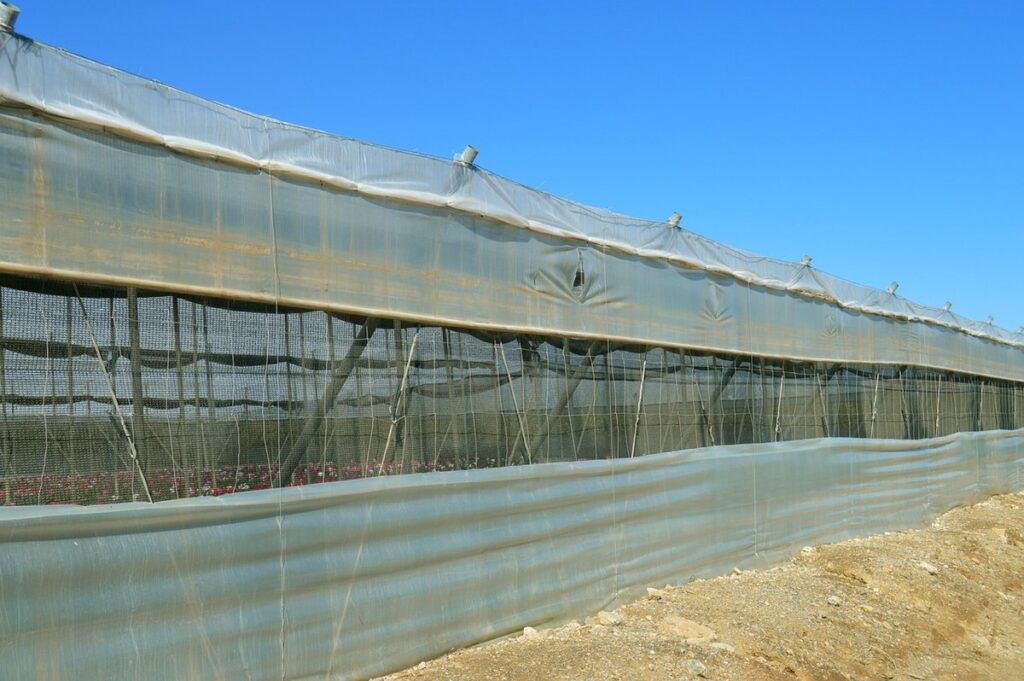
Introduction to Greenhouse Plastic Sheeting
If you’re new to using greenhouse plastic sheeting, this section is a great place to start as we explore its basics and fundamental applications. Let’s dive into the world of greenhouse plastic sheeting together.
What is Greenhouse Plastic Sheeting?
Greenhouse plastic sheeting is a specialized type of plastic material designed to provide a durable and long-lasting covering for greenhouses. Its primary purpose is to allow plants to thrive by protecting them from harsh weather conditions, such as intense sunlight, heavy rainfall, and extreme temperatures. Greenhouse plastic sheeting comes in various thicknesses, widths, and materials, including polyethylene (PE) and polypropylene (PP), each with its own set of benefits and drawbacks.
In various applications, greenhouse plastic sheeting serves multiple functions. For instance, it can be used as a cover for temporary or portable greenhouses, providing a quick and easy way to extend the growing season. It’s also used in permanent structures, such as hoop houses and cold frames, to improve crop yields and extend the harvest period. Additionally, greenhouse plastic sheeting is employed in nurseries and gardening centers to protect plants from pests and diseases while maintaining optimal humidity levels.
When selecting a greenhouse plastic sheeting material, consider factors like UV resistance, durability, and ease of installation. By understanding its uses and properties, gardeners can maximize their yields while minimizing the risk of damage or loss due to weather-related events.
Importance of High-Quality Plastic Sheeting for Greenhouses
When it comes to choosing plastic sheeting for your greenhouse, the quality of the material is paramount. High-quality plastic sheeting is essential for maintaining a healthy and productive growing environment. One key factor to consider is UV resistance – look for materials that can withstand prolonged exposure to sunlight without breaking down or becoming brittle.
Durability is another critical aspect to consider. A high-quality greenhouse plastic sheathing should be able to withstand various weather conditions, including extreme temperatures, heavy rainfall, and hail. You want a material that will provide long-lasting protection against the elements, ensuring your plants stay safe and healthy throughout the seasons.
Weatherability also plays a significant role in selecting the right plastic sheeting for your greenhouse. A well-designed sheathing should allow for optimal airflow while preventing excessive moisture buildup, which can lead to fungal diseases and other issues. By choosing high-quality materials that meet these criteria, you’ll be able to enjoy optimal growth rates, healthier plants, and a reduced need for repairs or replacements.
Types of Greenhouse Plastic Sheeting Available
When choosing a greenhouse plastic sheeting, you’ll want to consider which type will best meet your specific needs and climate. Let’s explore the different options available.
Film Options: LDPE, HDPE, and BOPP
When it comes to choosing the right plastic film for your greenhouse covering, you have several options to consider. One of the most popular types is Low-Density Polyethylene (LDPE), which offers a lightweight and flexible option that allows for easy installation and removal. LDPE films are also relatively inexpensive, making them a budget-friendly choice.
However, if you’re looking for a more durable and long-lasting option, High-Density Polyethylene (HDPE) might be the better choice. HDPE films are thicker and more resistant to punctures and tears, making them ideal for larger greenhouses or areas with heavy wind or weather conditions.
For smaller, more specialized applications, Bi-Oriented Polypropylene (BOPP) films may be the way to go. BOPP films offer a high level of clarity and transparency, making them perfect for greenhouses where visibility is crucial. They also tend to be more UV-stable than other types of plastic film, which can help prevent degradation over time.
Ultimately, the choice between LDPE, HDPE, and BOPP will depend on your specific greenhouse needs and preferences.
Reinforced and Coated Films for Enhanced Performance
When it comes to greenhouse plastic sheeting, using reinforced and coated films can take your growing season to the next level. These specialized materials offer a range of benefits that can improve the overall performance and lifespan of your greenhouse.
One key advantage is added strength and durability. Reinforced films often feature a woven or non-woven fabric layer that provides extra stability against wind pressure, extreme temperatures, and other environmental stressors. This means you can expect to see longer-lasting results with minimal damage from harsh weather conditions. Take for example, polypropylene-coated films which are known for their exceptional tensile strength and resistance to punctures.
Another benefit of coated films is improved UV protection. This is particularly important in regions where intense sunlight or direct UV radiation can cause plastics to degrade rapidly. Specialized coatings like silicon-based or acrylic finishes offer enhanced UV stability, preventing damage from the sun’s rays and maintaining your greenhouse’s structural integrity over time.
Choosing the Right Greenhouse Plastic Sheeting for Your Needs
When selecting a greenhouse plastic sheeter, it’s essential to consider factors such as durability, UV resistance, and budget to ensure you choose the right product for your needs. This helps extend its lifespan and keep your garden thriving.
Factors to Consider: Climate, Budget, and Space Constraints
When selecting a greenhouse plastic sheathing material, it’s essential to consider three crucial factors: local climate conditions, budget constraints, and available space. Local climate conditions play a significant role in determining the type of plastic sheeting you need. For example, if you live in an area with extreme temperatures, you’ll require a more durable and UV-resistant material that can withstand harsh weather conditions.
Consider your budget as well; different types of plastic sheeting vary significantly in price. Polyethylene film is a cost-effective option, but it may not provide the necessary durability for long-term use. On the other hand, polyvinyl chloride (PVC) film offers excellent UV protection and durability but comes with a higher price tag.
Lastly, assess your available space to determine the size of the greenhouse plastic sheathing you need. Larger greenhouses require more material, which can impact both budget and climate considerations. By carefully evaluating these factors, you’ll be able to choose the right greenhouse plastic sheeting for your specific needs and ensure optimal results for your plants.
Measuring and Calculating Material Requirements
When it comes to choosing the right greenhouse plastic sheeting for your needs, accurately measuring and calculating the amount of material required is crucial. This ensures you don’t end up with too little coverage, leaving gaps that compromise the integrity of your greenhouse, or too much, which can be a waste of resources.
To get started, measure the length and width of each wall in your greenhouse. For most standard greenhouses, consider adding 10-15% to your measurements to account for any irregularities or areas where plastic sheeting may need extra coverage. This is especially important if you have sloping roofs or walls with varying angles.
For example, a 12′ x 16′ greenhouse might require approximately 192 square feet of plastic sheeting. However, by adding the recommended percentage, this would become around 214-240 square feet. Be sure to factor in any door and window openings as well.
Installation and Maintenance Tips for Greenhouse Plastic Sheeting
To get the most out of your greenhouse plastic sheeting, it’s essential to follow some simple installation and maintenance tips to ensure its longevity. Let’s dive into these crucial steps now!
Preparation is Key: Cleaning and Preparing the Surface
When preparing to install greenhouse plastic sheathing, it’s essential to give your surface a thorough clean and dry. Dirt, grime, and other debris can interfere with the sheeting’s adhesion, causing it to peel or bubble over time. Start by power washing the area to remove any stubborn dirt or stains. This will also help to ensure that the surface is free of oils, waxes, or other substances that might compromise the adhesive.
Once the surface is clean, make sure it’s completely dry before installing the sheathing. Even a small amount of moisture can cause the plastic to stretch and lose its shape. If you’re installing in an area with high humidity or heavy rainfall, consider applying a specialized primer to enhance adhesion.
To guarantee a smooth installation process, inspect your surface for any imperfections or unevenness. Fill any holes or cracks with a patching compound, and sand the surface until it’s even. This will ensure that the plastic sheathing lies flat and adheres evenly, preventing wrinkles and bubbles from forming during installation.
Troubleshooting Common Issues: Tears, Punctures, and Condensation
Tears in the plastic sheeting can be caused by improper handling, excessive stretching, or poor storage. To avoid this issue, make sure to handle the sheets with care, and store them flat on a clean surface when not in use. If tears do occur, you can often repair them with heat-seal tape or a patch kit specifically designed for greenhouse plastic sheeting.
Punctures can be caused by sharp objects or extreme weather conditions. To prevent punctures, ensure that the area is clear of debris and install the sheeting with a generous overlap to minimize the risk of damage. If you do encounter a puncture, carefully remove any loose material surrounding the affected area, then apply heat-seal tape over the repair.
Condensation issues can arise from poor ventilation or high humidity levels inside the greenhouse. To mitigate this problem, ensure that your greenhouse has adequate ventilation through the use of roof vents and side windows. Regularly check and maintain the sheeting to prevent water accumulation, which can lead to mold and mildew growth.
Long-Term Performance and Durability of Greenhouse Plastic Sheeting
When choosing greenhouse plastic sheeting, it’s essential to consider its long-term performance and durability to ensure your investment lasts for years to come. We’ll explore what to expect from a high-quality product.
Factors Affecting Lifespan: UV Exposure, Wind Loads, and Temperature Extremes
When it comes to the long-term performance and durability of greenhouse plastic sheeting, several factors can affect its lifespan. One critical factor is UV exposure, as prolonged direct sunlight can cause the plastic to degrade over time. In areas with high levels of solar radiation, greenhouse owners may need to consider using specialized UV-stabilized plastics or applying a UV-blocking coating.
Wind loads also play a significant role in determining the lifespan of greenhouse plastic sheeting. High winds can cause the plastic to stretch and potentially tear, especially if it’s not properly secured. To mitigate this risk, greenhouse owners should ensure that their plastic sheeting is securely fastened using reinforced clips or straps.
Temperature extremes, whether hot or cold, can also impact the lifespan of greenhouse plastic sheeting. Extreme temperatures can cause the plastic to become brittle and prone to cracking, while repeated exposure to frost can lead to embrittlement. To minimize these risks, greenhouse owners should choose plastics with good thermal stability and consider using insulation to regulate temperature fluctuations.
In addition to these factors, other environmental conditions such as rainfall, hail, and debris accumulation can also affect the lifespan of greenhouse plastic sheeting. By understanding these potential stressors, greenhouse owners can take proactive steps to extend the life of their plastic sheeting and ensure optimal performance over time.
Strategies for Optimizing Long-Term Performance
To extend the life of greenhouse plastic sheeting and ensure optimal long-term performance, it’s essential to implement strategies that protect the material from degradation. One effective approach is applying a protective coating to the plastic sheathing. These coatings can shield the surface from UV rays, which are responsible for breaking down the plastic over time.
Regular maintenance schedules also play a crucial role in extending the lifespan of greenhouse plastic sheeting. A routine cleaning process should be established, focusing on removing dirt and debris that can accumulate and cause damage. Additionally, inspecting the sheathing regularly for signs of wear or tear allows for prompt repairs, preventing more extensive issues from arising.
By incorporating these measures into your greenhouse management plan, you can significantly prolong the life of the plastic sheeting, ensuring consistent performance and optimal growing conditions for your plants.
Environmental Impact and Sustainability Considerations
When using greenhouse plastic sheeting, it’s essential to consider its environmental impact and how you can make your growing practices more sustainable for future generations. We’ll explore these important factors in this section.
Eco-Friendly Options: Biodegradable and Recyclable Materials
When it comes to reducing the environmental impact of greenhouse plastic sheeting, opting for eco-friendly options is a great starting point. Many manufacturers now offer biodegradable and recyclable materials that can help minimize waste and promote sustainability.
Biodegradable greenhouse plastic sheeting, made from natural polymers like polylactic acid (PLA) or polyhydroxyalkanoates (PHA), breaks down easily in soil and air, reducing its carbon footprint. For instance, some companies use bioplastic additives derived from corn starch or sugarcane to create a more environmentally friendly product.
Recyclable greenhouse plastic sheeting is another option worth considering. These materials can be collected, sorted, and processed for reuse, significantly reducing the amount of waste sent to landfills. Some manufacturers are even using post-consumer waste, such as plastic bottles, to create new products.
When selecting an eco-friendly option, look for certifications like Compostable or Biodegradable Products Institute (BPI) certification. These labels ensure that the product meets rigorous standards for environmental sustainability. By choosing biodegradable or recyclable materials, you can reduce greenhouse gas emissions, conserve natural resources, and promote a more circular economy in your greenhouse operations.
Best Practices for Responsible Disposal and Recycling
When replacing or disposing of old greenhouse plastic sheathing, responsible disposal and recycling practices are crucial to minimize its environmental impact. As a green thumb, you’re likely aware that even seemingly disposable items can have a significant ecological footprint if not handled properly.
Before discarding your old plastic sheeting, take a closer look at the material itself. Many types of greenhouse plastics are made from polyethylene (PE) or polypropylene (PP), which can be recycled alongside other plastics. Check with local recycling facilities to see if they accept these materials and what specific guidelines they have for collection.
In addition to recycling, there are also options for responsible disposal. Some companies specialize in plastic waste management and can repurpose old sheeting into new products or dispose of it in an environmentally friendly manner.
To minimize the risk of greenhouse plastic ending up in landfills, consider donating gently used materials to local gardening communities or online marketplaces catering to gardeners. This not only reduces waste but also gives your old sheeting a second life in supporting other green initiatives.
Frequently Asked Questions
Can I use greenhouse plastic sheeting for other outdoor applications besides greenhouses?
While greenhouse plastic sheeting is specifically designed for greenhouses, its durability and versatility make it suitable for other outdoor uses such as covering patios, decks, or even creating a DIY greenhouse. However, consider factors like weather resistance, UV stability, and ease of installation when choosing the right type of plastic sheathing for your specific needs.
How do I ensure proper ventilation while using greenhouse plastic sheeting?
Proper ventilation is crucial to prevent overheating and maintain optimal growing conditions within your greenhouse. Consider installing vents or windows that can be opened manually or automatically to regulate temperature and humidity levels. You can also use fans to circulate air and enhance cooling efficiency.
What’s the best way to store and handle greenhouse plastic sheeting before installation?
To extend the lifespan of your plastic sheathing, it’s essential to store and handle it properly. Keep rolls away from direct sunlight, moisture, and extreme temperatures. When transporting or storing rolls, ensure they are kept clean and dry, and avoid folding or creasing the material excessively.
Can I use eco-friendly greenhouse plastic sheeting for large-scale commercial greenhouses?
While eco-friendly options like biodegradable and recyclable materials are available, their suitability for large-scale commercial applications depends on factors such as budget constraints, production volumes, and local regulations. Research and assess the feasibility of using eco-friendly materials in your specific context before making a decision.
How often should I inspect and replace greenhouse plastic sheeting?
Regular inspections and maintenance are crucial to extend the lifespan of your plastic sheathing. Inspect the material for signs of wear, tears, or damage at least twice a year, depending on climate conditions and usage patterns. Replace damaged sections promptly to prevent further deterioration and maintain optimal growing conditions within your greenhouse.