
As a greenhouse grower, you’re constantly on the lookout for ways to protect your crops from pests. Integrated pest management (IPM) is a crucial aspect of maintaining healthy and thriving plants in a controlled environment like a greenhouse. The good news is that with the right strategies, you can minimize pesticide use while maximizing crop yields. In this article, we’ll delve into proven techniques and best practices for IPM in greenhouses. We’ll explore non-chemical controls like physical barriers and biological pest control methods, as well as chemical treatments when necessary. You’ll also learn how to keep accurate records of your pest management efforts to refine your approach over time. By the end of this article, you’ll be equipped with the knowledge needed to tackle common greenhouse pests effectively and sustainably.
Understanding Greenhouse Pests
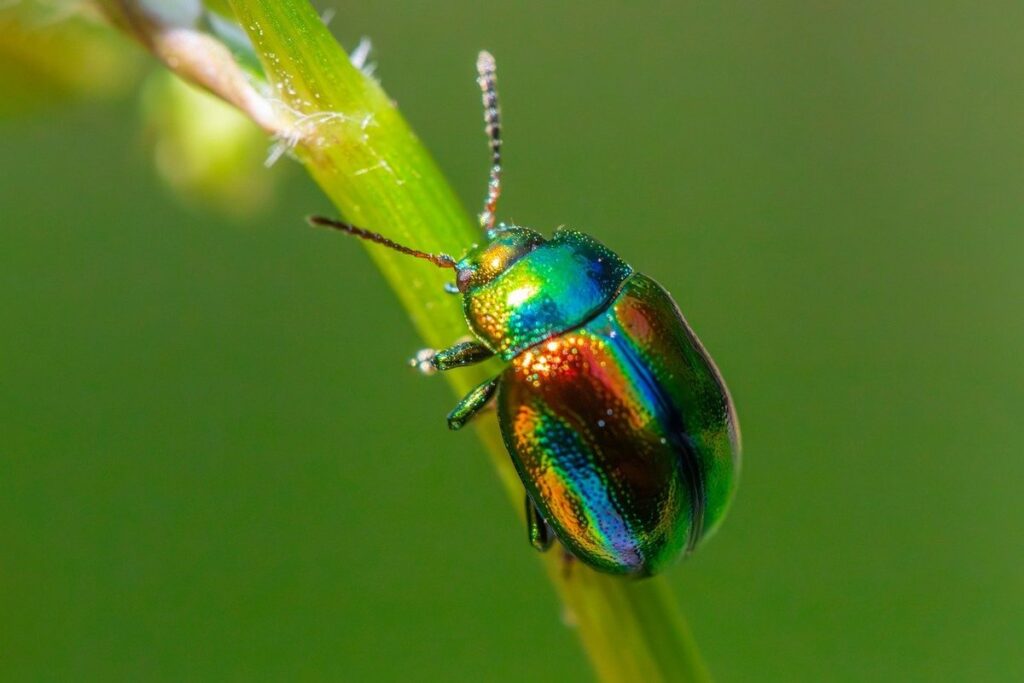
Greenhouse pests can be frustrating and costly, so let’s dive into some common types of pests you might encounter, from spider mites to aphids.
Common Types of Pests Found in Greenhouses
As a greenhouse manager, it’s essential to be aware of the most common pests that can infest your greenhouses. These pests can cause significant damage to your crops, leading to reduced yields and compromised plant health.
Insects are one of the primary types of pests found in greenhouses. Some common insects include aphids, whiteflies, spider mites, mealybugs, and thrips. These tiny insects can multiply quickly, making them a major concern for greenhouse growers. For example, a single aphid colony can consist of thousands of individuals, causing significant damage to plants through feeding and transmitting diseases.
Diseases are another common pest issue in greenhouses. Fungal diseases such as powdery mildew, downy mildew, and botrytis can be devastating if left unchecked. Bacterial diseases like bacterial leaf spot and soft rot can also cause significant damage to crops.
Weeds are also a type of pest that can infest greenhouses. Weeds can compete with crops for water, nutrients, and light, reducing yields and plant health. Some common weeds found in greenhouses include clover, dandelion, and plantain.
To manage these pests effectively, it’s crucial to implement integrated pest management (IPM) strategies that combine cultural, physical, biological, and chemical controls. Regular monitoring of your greenhouse environment and crops is key to early detection and prevention of pest infestations.
Factors Contributing to Pest Infestations
When it comes to managing pests in greenhouses, understanding the underlying factors that contribute to infestations is crucial. These factors can be broadly categorized into three main areas: environmental, cultural, and managerial.
Environmental conditions play a significant role in pest infestations. For instance, climate fluctuations can lead to changes in temperature and humidity levels, making it easier for pests to thrive. Greenhouse owners should strive to maintain a stable climate, ideally between 18-24°C (64-75°F) with relative humidity levels between 40-60%. This range is optimal for most plants and helps prevent pest populations from exploding.
Cultural practices also have an impact on pest infestations. Poor sanitation, overcrowding, and inadequate crop rotation can all contribute to the problem. Regular cleaning of equipment, removal of weeds, and implementation of a robust monitoring program are essential in identifying potential issues early on.
Managerial factors, such as lack of communication between growers and other stakeholders, can also exacerbate pest infestations. It’s vital for greenhouse owners to maintain open lines of communication with their teams and external partners to ensure that all parties are aware of any potential risks or issues. This collaborative approach helps prevent the spread of pests and ensures a proactive response when problems arise.
Regular monitoring of these factors, combined with effective management strategies, can help minimize pest infestations in greenhouses. By understanding the interplay between environmental, cultural, and managerial factors, growers can take a more holistic approach to pest management, reducing the reliance on chemical controls and promoting a healthier growing environment.
Integrated Pest Management (IPM) Strategies
Effective integrated pest management (IPM) strategies are crucial for maintaining a healthy and thriving greenhouse environment, minimizing chemical use and environmental impact. Let’s explore some practical IPM techniques together.
Benefits of IPM for Greenhouse Managers
As a greenhouse manager, adopting an Integrated Pest Management (IPM) approach can bring numerous benefits to your operation. By incorporating IPM strategies into your pest management plan, you can reduce chemical usage while maintaining healthy crops and ecosystems.
One of the primary advantages of IPM is its ability to minimize pesticide applications. This not only reduces environmental harm but also decreases operational costs associated with purchasing and applying chemicals. For instance, a study by the USDA found that IPM programs in greenhouses resulted in a 70% reduction in pesticide use. By adopting IPM, you can reduce your chemical footprint while maintaining crop yields.
Additionally, IPM enhances sustainability by promoting balanced ecosystems within your greenhouse. This approach encourages the growth of beneficial organisms that prey on pests, reducing the need for chemical interventions. Furthermore, IPM fosters a culture of continuous monitoring and improvement, allowing you to fine-tune your pest management strategies over time. By adopting this holistic approach, you can optimize crop yields while minimizing environmental impact.
Essential Components of an Effective IPM Plan
A well-designed IPM plan is crucial for effective greenhouse pest management. At its core, an IPM plan consists of three essential components: monitoring and detection methods, threshold levels, and control measures.
Monitoring involves regularly tracking pest populations, using techniques such as visual inspections, sticky traps, and pheromone traps to detect early signs of infestation. This helps identify the type and severity of pest issues before they become major problems. Threshold levels refer to the point at which pest populations begin to cause significant damage or economic loss; these levels vary depending on the specific crop and pest.
Control measures are implemented once thresholds have been reached, aiming to minimize harm while reducing chemical usage. Methods may include introducing natural predators or parasites, adjusting greenhouse conditions (temperature, humidity, light), using physical barriers or traps, and applying targeted pesticides when absolutely necessary. For example, growers might integrate sticky traps with yellow traps to capture aphids near the crop’s base, or release beneficial wasps that prey on pests like whiteflies.
To create an effective IPM plan, growers should establish clear monitoring protocols, set realistic threshold levels based on their specific greenhouse conditions and crops, and implement a combination of control measures tailored to each pest issue. By doing so, they can minimize losses while promoting sustainable greenhouse management practices.
Non-Chemical Control Methods
In addition to chemical controls, there are several non-chemical methods you can use to manage pests in your greenhouse, such as cultural and physical controls. Let’s explore these alternatives together.
Cultural Controls: Pruning, Irrigation, and Temperature Management
When it comes to non-chemical control methods, cultural controls offer a proactive approach to preventing pest infestations in greenhouses. By implementing simple yet effective practices, growers can significantly reduce the risk of pests taking hold.
Pruning is an essential aspect of cultural control. Regular pruning not only promotes healthy plant growth but also removes any weak or damaged areas that may attract pests like aphids and whiteflies. For instance, pruning away infested branches can prevent the spread of disease and minimize the risk of re-infestation. To prune effectively, focus on removing around 20-30% of the plant’s foliage to encourage new growth and a balanced canopy.
Irrigation management is another crucial factor in cultural control. Overwatering can create an ideal environment for pests like fungus gnats and spider mites, while underwatering can stress plants, making them more susceptible to infestation. Aim to maintain consistent moisture levels by adjusting watering schedules based on factors like temperature, humidity, and plant species.
Temperature management is also vital in preventing pest infestations. Most pests thrive in temperatures between 65°F-75°F (18°C-24°C), which is often the optimal range for plant growth. By maintaining temperatures above or below this range, growers can create an environment that’s less conducive to pest development. For example, raising the temperature to 80°F (27°C) can help control aphid populations.
By incorporating these cultural controls into your greenhouse management routine, you’ll be well on your way to creating a healthier and more resilient crop environment – one that’s better equipped to resist pests without relying on chemical pesticides.
Biological Controls: Introduction of Beneficial Organisms
Biological controls offer an innovative approach to managing pest populations in greenhouses. By introducing beneficial organisms such as ladybugs and lacewings, growers can create a balanced ecosystem that naturally regulates pest numbers. These beneficial insects prey on common greenhouse pests like aphids, whiteflies, and spider mites, reducing the need for chemical pesticides.
When selecting beneficial organisms for your greenhouse, consider factors such as climate, crop type, and pest species present. Ladybugs are effective against soft-bodied pests, while lacewings target a broader range of insects. Introduce the beneficial insects at the right time to maximize their effectiveness – typically during the pest’s active growth phase.
To integrate biological controls into your greenhouse management plan:
* Identify areas with high pest activity and introduce beneficial organisms accordingly.
* Maintain optimal growing conditions for both crops and beneficial insects, such as temperature and humidity levels.
* Monitor pest populations regularly to ensure the beneficial insects are controlling the pest numbers effectively.
Chemical Control Methods
When it comes to managing pests in greenhouses, chemical control methods can be a crucial part of your strategy. Let’s explore some effective options for using chemicals safely and responsibly.
Choosing the Right Pesticide for the Job
When it comes to choosing the right pesticide for the job in greenhouses, there are several factors to consider. The first step is to identify the specific pest you’re dealing with and its life cycle. This will help you determine which active ingredients are most effective against that particular pest.
For example, if you’re managing aphids, a common greenhouse pest, you may want to consider using pesticides containing neonicotinoids or pyrethroids. These active ingredients have been shown to be highly effective in controlling aphid populations.
However, it’s also important to consider the formulation and application method of the pesticide. For instance, if you’re dealing with a delicate crop, such as seedlings, you may want to opt for a water-based formulation that can be applied using a spray tank. On the other hand, if you’re managing pests on mature plants, a dust or granular formulation may be more effective.
Ultimately, the key is to choose a pesticide that balances efficacy with safety and minimize the risk of resistance development in pest populations. By carefully selecting the right active ingredients, formulations, and application methods, you can effectively manage greenhouse pests while minimizing harm to your crops and the environment.
Precautions and Safety Measures for Pesticide Application
When handling pesticides in greenhouses, safety should always be the top priority. This is crucial not only for protecting the people working with these chemicals but also for safeguarding the environment and maintaining a healthy crop.
Before applying pesticides, make sure you’ve read the label carefully to understand the product’s concentration, recommended application rates, and any specific guidelines for use in greenhouse settings. Wear personal protective equipment (PPE) such as gloves, safety glasses, and a mask to prevent exposure to chemicals. Ensure that your work area is well-ventilated to avoid inhaling fumes.
It’s also essential to choose pesticides carefully, opting for those with lower toxicity profiles or Integrated Pest Management (IPM)-compatible products. Always follow the product’s instructions for application rates and timing to minimize drift and runoff. Additionally, consider using safer alternatives like neem oil or insecticidal soap whenever possible.
Regularly cleaning your equipment and washing your hands after handling pesticides is also vital in preventing cross-contamination.
Record Keeping and Monitoring
Proper record keeping is crucial for identifying pest management patterns and areas of improvement, allowing you to adjust your strategy as needed. Effective monitoring techniques will also be explored in this section.
Importance of Accurate Pest Management Records
Accurate pest management records are crucial for maintaining a healthy greenhouse environment. Monitoring data and control measures implemented play a vital role in understanding pest dynamics and making informed decisions to prevent future outbreaks. By keeping meticulous records, you can analyze trends and patterns that may indicate pest pressure.
Maintaining accurate records also facilitates communication with stakeholders, including employees, suppliers, and regulatory authorities. This is particularly important when it comes to reporting pesticide usage or managing Integrated Pest Management (IPM) strategies. Regular record-keeping allows for timely adjustments to be made in response to emerging threats.
To establish a robust record-keeping system, consider implementing the following best practices: digitize records using software or apps; allocate specific personnel responsible for data entry and maintenance; ensure that records are reviewed regularly and updated accordingly; store physical copies securely and offsite for backup purposes.
Regular Monitoring and Adaptation of IPM Plans
Effective IPM planning is just the first step in managing pest populations in greenhouses. To ensure that these plans remain effective over time, it’s essential to regularly monitor and adapt them. Pest populations can fluctuate due to various factors such as changes in weather, crop growth stages, or introduction of new pests.
To stay on top of this, greenhouse managers should establish a monitoring schedule that includes regular checks for pest signs and symptoms. This could be daily, weekly, or monthly, depending on the specific needs of your operation. Some common methods used for monitoring include:
* Visual inspections: Checking plants for visible signs of pests such as eggs, larvae, or adult insects.
* Trapping: Using sticky traps or pitfall traps to capture insects and identify species.
* Sensor technology: Utilizing sensors that detect changes in temperature, humidity, or CO2 levels that may attract pests.
Regular monitoring allows you to track the effectiveness of your IPM plan and make adjustments as needed. This might involve rotating pesticides, introducing biological control agents, or implementing cultural controls such as pruning or sanitation. By adapting your IPM plan over time, you can maintain optimal pest management and protect your crops from damage.
Conclusion: Putting It All Together
As you’ve learned effective strategies and best practices for managing pests in your greenhouse, it’s time to put it all together. Start by conducting regular monitoring and inspections of your plants and greenhouses to catch potential pest issues early on. This will help prevent infestations from getting out of hand and reduce the need for chemical controls.
By implementing integrated pest management (IPM) techniques, such as introducing beneficial insects and using physical barriers, you can minimize harm to the environment while still protecting your crops. Remember to also maintain a clean and organized greenhouse, removing weeds and debris that can attract pests. By taking these steps, you’ll be well on your way to successfully managing pests in your greenhouse.
Frequently Asked Questions
What are some signs that I need to implement Integrated Pest Management (IPM) strategies in my greenhouse?
Signs of pest infestations can be subtle, but common indicators include yellowing leaves, stunted growth, and visible pests on plants. If you notice any of these symptoms, it’s essential to monitor your crops closely and implement IPM strategies before the issue escalates.
How often should I inspect my greenhouses for signs of pest infestations?
Regular monitoring is critical in preventing pest infestations. Schedule regular inspections at least once a week, checking for pests on plants, and monitoring temperature and humidity levels. Be sure to examine hard-to-reach areas, like under benches and near irrigation systems.
What are some common mistakes greenhouse managers make when implementing IPM strategies?
Common mistakes include relying too heavily on chemical controls and failing to maintain accurate records of pest management efforts. Avoid these pitfalls by adopting a holistic approach to IPM, incorporating non-chemical controls and regular monitoring into your management plan.
How can I choose the right biological control method for my greenhouse?
Selecting the right beneficial organism depends on the specific pest you’re trying to control. Research different options, considering factors like climate, crop type, and pest species. Some common beneficial organisms include lady beetles, lacewings, and parasitic wasps.
Can I use a single pesticide to control multiple types of pests?
No, using a single pesticide for multiple pest types can lead to resistance development and unintended consequences. Instead, choose targeted pesticides that address specific pest issues, and always follow label instructions carefully to minimize the risk of harm to beneficial organisms and the environment.