
As gardeners and farmers, we’re constantly on the lookout for ways to give our crops an extra boost without harming the environment. One key area of focus is fertilizers – and more specifically, greenhouse organic fertilizers that are making waves in the industry. These natural alternatives to synthetic chemicals can improve crop yields, promote healthy plant growth, and even reduce your farm’s environmental footprint. But with so many types on the market, from compost-based to manure-based options, it can be tough to know where to start. In this article, we’ll explore the benefits of greenhouse organic fertilizers in detail, covering everything from their eco-friendly credentials to the best ways to use them in your greenhouse or farm setting. Whether you’re a seasoned pro or just starting out, you won’t want to miss this inside look at the world of organic fertilizers.
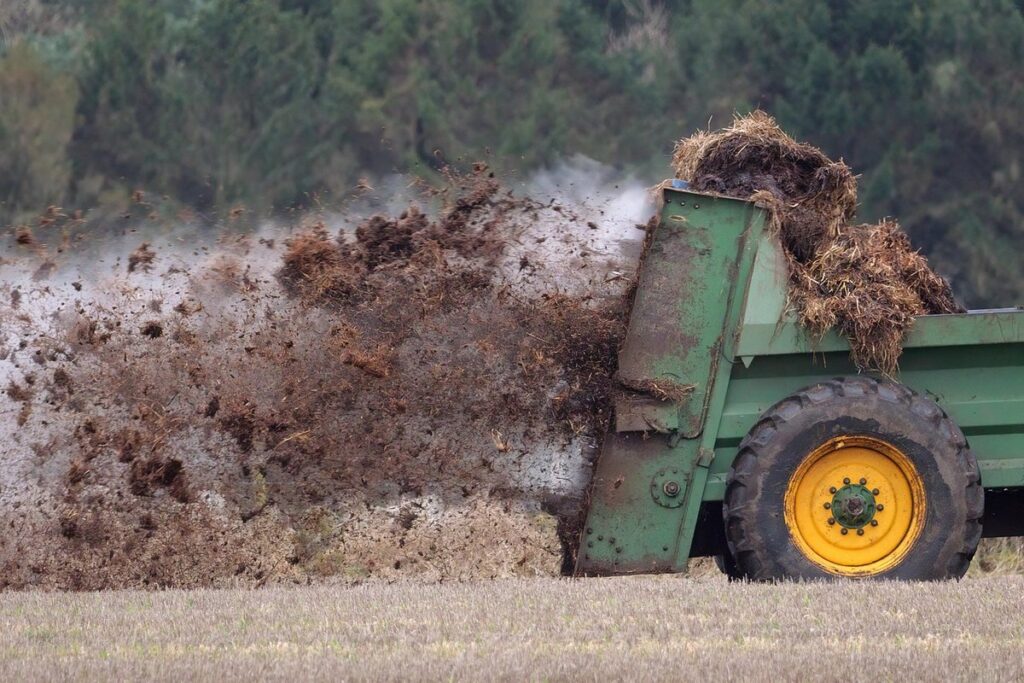
Understanding the Importance of Organic Fertilizers
Now that we’ve explored what makes greenhouse organic fertilizers special, let’s dive into why they’re so crucial for healthy plants and sustainable gardening.
Reducing Chemical Dependence in Greenhouses
Using chemical fertilizers in greenhouses may seem like a convenient solution for boosting plant growth and productivity. However, these chemicals can have devastating effects on soil health, plant development, and the environment as a whole.
Chemical fertilizers deplete soil nutrients, leading to decreased fertility over time. This is because they provide quick fixes rather than addressing underlying nutrient deficiencies. As a result, farmers often end up relying on even more chemical applications to compensate for the lost productivity. This vicious cycle perpetuates soil degradation and contaminates the surrounding ecosystem.
Furthermore, chemical fertilizers can pollute water sources and harm beneficial microorganisms in the soil. For instance, nitrates from synthetic fertilizers have been linked to water pollution, posing risks to human health and aquatic life.
The shift towards organic alternatives is a step in the right direction for maintaining healthy greenhouse ecosystems. By adopting organic fertilizers, growers can promote balanced nutrient uptake, support beneficial microorganisms, and reduce their environmental footprint.
Enhancing Plant Health with Organic Nutrients
When you choose to use organic fertilizers in your greenhouse, you’re not just improving soil health – you’re also fostering a rich environment that promotes healthy plant growth. One of the key ways organic fertilizers do this is by providing essential micronutrients that plants need to thrive.
Micronutrients like iron, zinc, and boron may be present in small amounts in conventional fertilizers, but they often get washed out or become unavailable for plant uptake due to soil degradation. Organic fertilizers, on the other hand, are made from natural materials that retain these micronutrients, making them readily available for your plants.
Another way organic fertilizers promote healthy growth is by improving soil structure. When you use synthetic fertilizers, they can disrupt the delicate balance of microorganisms in the soil, leading to nutrient deficiencies and waterlogging issues. In contrast, organic fertilizers feed beneficial microbes that help break down complex nutrients into forms easily absorbed by your plants.
This leads to stronger root systems, better resistance to disease, and a more even uptake of essential nutrients. By choosing organic fertilizers for your greenhouse, you’re creating a soil environment that’s teeming with life – which ultimately translates to healthier, more resilient plants.
Types of Greenhouse Organic Fertilizers
Let’s dive into the different types of organic fertilizers commonly used in greenhouses, each offering unique benefits for your plants. From fish emulsion to compost tea, we’ll explore them all.
Compost-Based Fertilizers
Compost-based fertilizers are a rich source of nutrients for greenhouse crops. These fertilizers are produced by composting organic materials such as food waste, manure, and crop residues. The process involves breaking down these materials into a stable humus that is teeming with beneficial microbes.
The nutrient-rich composition of compost-based fertilizers makes them an attractive option for greenhouses. They release nutrients slowly over time, reducing the need for frequent applications. Compost-based fertilizers also improve soil structure and fertility, making it easier to maintain optimal growing conditions. Additionally, they promote healthy microbial populations in the soil, which can help prevent diseases and pests.
One of the most significant benefits of compost-based fertilizers is their environmental sustainability. They reduce waste disposal issues by utilizing organic materials that would otherwise end up in landfills or incinerators. By using compost-based fertilizers, greenhouses can minimize their carbon footprint while maintaining healthy crops. To get started with compost-based fertilizers, you’ll need to source high-quality compost and follow proper application guidelines to avoid over-fertilization.
Manure-Based Fertilizers
Manure-based fertilizers are an excellent choice for greenhouse growers looking to adopt organic practices. These fertilizers are made from animal manures such as cow dung, chicken droppings, or even fish waste, and they offer a rich source of nutrients that plants love.
One of the standout characteristics of manure-based fertilizers is their high nitrogen content. Nitrogen is an essential nutrient for plant growth, and it’s often in short supply in soil that’s been depleted by conventional farming practices. Manure-based fertilizers can help to replenish these stores and provide a natural boost to your crops.
Another benefit of using manure-based fertilizers is the potential for reducing waste. Animal farms generate massive amounts of manure every day, which would otherwise be discarded or stored in lagoons. By utilizing this material as fertilizer, farmers can reduce their environmental impact and create a closed-loop system that’s more sustainable and efficient.
When choosing a manure-based fertilizer, look for products that are rich in nitrogen (around 10-15%), phosphorus (around 2-3%), and potassium (around 1-2%). You should also check the pH level to ensure it’s suitable for your plants. Some popular options include composted cow manure, chicken litter, and fish emulsion.
Bone Meal and Other Animal-Derived Fertilizers
Bone meal and other animal-derived fertilizers are rich sources of essential nutrients for plants, making them an excellent choice for greenhouse growers. These natural fertilizers are derived from animal bones and other organic materials, such as fish bone meal, feather meal, and blood meal. One of the key benefits of these fertilizers is their slow-release properties, which provide a sustained supply of nutrients to plants over an extended period.
This nutrient-rich composition makes them particularly effective for promoting healthy root development, improving soil structure, and increasing crop yields. For example, bone meal is rich in phosphorus, calcium, and nitrogen, making it an excellent choice for promoting fruiting and flowering in plants. When used as part of a comprehensive fertilization program, animal-derived fertilizers can help reduce the need for synthetic fertilizers and promote more sustainable growing practices.
To use bone meal effectively, mix 5-10 pounds per 1,000 square feet into the soil at planting time or during the growing season. Be sure to follow the recommended application rates and timing to avoid over-fertilizing your plants. By incorporating animal-derived fertilizers into your greenhouse growing routine, you can create a more balanced and sustainable growing environment that promotes healthy plant growth and development.
Organic Fertilizer Production Methods
When it comes to creating a sustainable and eco-friendly greenhouse, understanding different organic fertilizer production methods is crucial for optimal plant growth and soil health.
These methods include composting, worm casting, and liquid fertilizer production, which we’ll dive into in more detail below.
Vermicomposting
Vermicomposting is an innovative method that harnesses the power of worms to convert organic matter into nutrient-rich fertilizer. This process involves maintaining a controlled environment where red wiggler worms break down food waste, manure, and other organic materials into a valuable compost. The advantages of vermicomposting are numerous; it increases soil fertility, improves water retention, and supports healthy microbial activity.
To start vermicomposting, you’ll need a worm bin with adequate ventilation and moisture control. Add a mix of “green” ingredients (food waste, manure) and “brown” materials (dried leaves, straw) to create an optimal carbon-to-nitrogen ratio. Red wiggler worms thrive in this environment, consuming the organic matter and producing castings rich in nitrogen, phosphorus, and potassium.
A successful vermicomposting system requires regular monitoring of temperature, moisture, and pH levels. Worms are sensitive to extreme conditions, so maintaining a stable environment is crucial. By following these guidelines, you can create a thriving worm population that converts waste into a valuable resource for greenhouse crops.
Bokashi Fertilizer Production
Bokashi fertilizers are a type of organic fertilizer that’s gained popularity among greenhouse growers due to its unique properties. To produce bokashi fertilizer, a mixture of microorganisms and other nutrients is added to food waste or other organic matter. This process allows the microbes to break down the materials into a rich nutrient-dense compost.
One of the key benefits of bokashi fertilizers is their ability to retain nutrients that would otherwise be lost during traditional composting processes. For example, studies have shown that bokashi fertilizer can retain up to 95% of nitrogen and phosphorus compared to only 50-60% in traditional composting. This retention helps reduce the need for synthetic fertilizers and promotes healthier soil ecosystems.
When producing bokashi fertilizer at home or in a greenhouse setting, it’s essential to maintain proper ratios of microorganisms to substrate materials. A general rule of thumb is to use one part of microorganism mixture to three parts of organic matter. By following this ratio, you can create an ideal environment for beneficial microbial populations to thrive and produce high-quality bokashi fertilizer.
Benefits of Using Organic Fertilizers in Greenhouses
Now that we’ve explored the different types of organic fertilizers, let’s dive into the benefits of using them in your greenhouse to create a healthier environment for your plants.
Improved Crop Yields and Quality
When using organic fertilizers in greenhouses, one of the most significant advantages is the improvement in crop yields and quality. Organic fertilizers are rich in nutrients that promote healthy plant growth, leading to higher yields and better fruit quality.
For instance, compost tea bags can increase yields by up to 20% compared to synthetic fertilizers. This is because organic fertilizers release their nutrients slowly over a longer period, reducing the risk of nutrient burn and allowing plants to absorb them more efficiently.
In addition to increased yields, organic fertilizers also enhance fruit quality. The slow release of nutrients helps prevent over-ripening, resulting in produce that’s not only more abundant but also more flavorful and visually appealing. This is particularly important for greenhouse-grown crops, where the risk of disease and pests can be higher due to controlled environments.
By using organic fertilizers, you can create a balanced ecosystem within your greenhouse, promoting healthy plant growth and reducing the need for chemical pesticides and fungicides.
Reduced Environmental Impact
Using organic fertilizers in greenhouses not only benefits plant health but also has a positive impact on the environment. One of the significant advantages is reduced chemical runoff, which can pollute nearby water sources and harm aquatic life. Unlike synthetic fertilizers that contain harsh chemicals, organic options are biodegradable and break down naturally in the soil.
This reduces the risk of leaching into groundwater, making it safer for local ecosystems. Soil pollution is also minimized as organic fertilizers promote healthy microbial activity, improving soil structure and fertility. For example, compost tea can increase beneficial microbe populations by up to 100%, enhancing nutrient uptake efficiency and reducing the need for synthetic additives.
To further reduce environmental impact, consider implementing integrated pest management (IPM) practices in your greenhouse. This holistic approach combines physical barriers, cultural controls, and biological agents to minimize chemical applications altogether. By adopting organic fertilizers and IPM strategies, you can significantly decrease greenhouse gas emissions, preserve soil health, and create a more sustainable growing environment for your plants.
Best Practices for Implementing Greenhouse Organic Fertilizers
To get the most out of your greenhouse organic fertilizers, it’s essential to implement them effectively by following some key best practices. Here are some simple yet crucial tips to keep in mind.
Soil Testing and Analysis
Conducting regular soil tests is crucial when implementing greenhouse organic fertilizers. It helps determine nutrient levels and pH, ensuring optimal fertilizer application and minimizing waste. A soil test typically involves collecting a sample from the soil at a depth of 6-8 inches, which is then sent to a laboratory for analysis.
The results will indicate the levels of nitrogen (N), phosphorus (P), potassium (K), and other essential micronutrients present in the soil. This information is used to identify areas where fertilizer application may be necessary, as well as potential deficiencies or excesses that could impact plant growth.
For instance, if a test reveals low phosphorus levels, you can adjust your fertilizer application accordingly. Organic fertilizers like fish bone meal or alfalfa meal are rich in phosphorus and can help replenish soil reserves.
To ensure accurate results, it’s recommended to conduct soil tests at least twice a year, during the spring and fall seasons when plant growth is most active. This will give you a comprehensive understanding of your soil’s nutrient profile and enable you to make informed decisions about fertilizer application.
Fertilizer Application Methods
When it comes to implementing greenhouse organic fertilizers, choosing the right application method is just as important as selecting the type of fertilizer. Different methods cater to specific needs and preferences, allowing you to tailor your approach to your unique situation.
One popular method is foliar sprays, which involve spraying a solution directly onto plant leaves. This technique provides immediate benefits, such as increased nutrient uptake and enhanced photosynthesis. For example, using a foliar spray of fish emulsion can give your crops an instant boost in growth. However, it’s essential to time these applications carefully, ensuring the plants are not under stress or experiencing extreme weather conditions.
Another method is drip irrigation systems, which deliver nutrients directly to the roots through a network of tubes. This approach conserves water and reduces waste, making it an efficient choice for large-scale operations. By combining organic fertilizers with precision drip irrigation, you can create a nutrient-rich environment that promotes healthy plant growth.
Broadcast applications involve spreading fertilizers evenly across the soil surface or planting beds. While this method is often quicker than others, it may lead to over- or under-application of nutrients if not done correctly. To avoid these issues, make sure to follow the recommended application rates and use a measuring tool to ensure accurate distribution.
Frequently Asked Questions
How do I know which greenhouse organic fertilizer is right for my crops?
Choose a fertilizer that matches your crop’s specific nutrient needs, such as compost-based or manure-based options. Consider factors like soil type, climate, and the level of nutrients required by your plants.
Can I use greenhouse organic fertilizers on all types of crops, including seedlings and young plants?
Yes, most greenhouse organic fertilizers are suitable for a wide range of crops, from seedlings to mature plants. However, always check the specific product label or consult with a gardening expert to ensure the best results for your unique growing conditions.
How long does it take to see noticeable improvements in plant health and growth after switching to greenhouse organic fertilizers?
Noticeable improvements can be seen within 2-6 weeks of regular fertilizer application. However, optimal results often require consistent use over several seasons, as these natural alternatives tend to work more slowly but sustainably.
Can I mix different types of greenhouse organic fertilizers together for a customized nutrient blend?
Yes, many farmers and gardeners successfully combine multiple fertilizers to create a tailored blend that suits their specific growing needs. However, start with small batches and monitor the effects on your plants before scaling up to ensure optimal results.
How do I incorporate soil testing and analysis into my greenhouse organic fertilizer routine for best results?
Conduct regular soil tests (at least every 3-6 months) to identify nutrient deficiencies or excesses. This data will help you refine your fertilizer application schedule, selecting the most suitable products for each specific need.