
As a greenhouse owner or operator, you’re likely no stranger to the challenges of water conservation and efficient crop management. One key solution that can make a significant impact is implementing an irrigation drip system specifically designed for greenhouses. Not only can these systems help reduce labor costs associated with manual watering, but they also conserve precious water resources while delivering exactly what your crops need – precisely controlled moisture levels. In this article, we’ll explore the ins and outs of greenhouse irrigation drip systems, covering design considerations, system selection, and maintenance tips to ensure you get the most out of this innovative technology. By learning how to implement a effective drip system, you can take your crop yields to the next level while doing right by the environment.
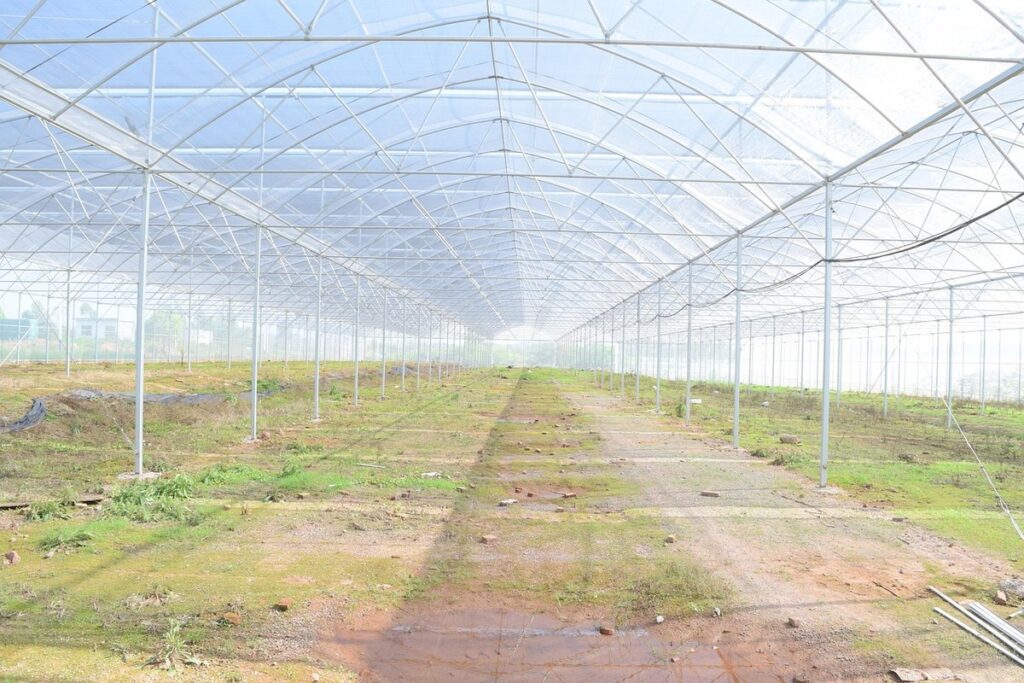
Benefits and Advantages of Greenhouse Irrigation Drips
Greenhouse irrigation drip systems offer numerous benefits, including reduced water waste and increased crop yields, but what specific advantages make them stand out? Let’s dive into the details.
Water Conservation and Efficiency
Water conservation and efficiency are critical components of modern greenhouse management. Greenhouse irrigation drip systems play a vital role in achieving these goals. By delivering water directly to the roots of plants, drips reduce evaporation, runoff, and other forms of water waste.
This targeted watering method allows for more precise control over moisture levels, which is particularly important during periods of drought or high temperatures. With drips, you can optimize your irrigation schedule to match the exact needs of each plant, minimizing the risk of under-watering or over-watering. This not only conserves water but also promotes healthy root growth and increased crop yields.
In fact, studies have shown that drip irrigation systems can reduce water consumption by up to 50% compared to traditional sprinkler systems. By implementing a well-designed greenhouse irrigation drip system, you can make significant strides in reducing your operation’s environmental footprint while simultaneously improving crop quality and increasing productivity.
Reduced Labor Costs and Increased Productivity
Implementing a greenhouse irrigation drip system can significantly reduce labor costs and boost overall productivity. One of the primary advantages of drip systems is their ability to minimize manual labor required for irrigation. This is because drip systems automate the watering process, eliminating the need for frequent checks and adjustments.
With a drip system in place, growers can focus on other critical tasks such as crop monitoring, pruning, and pest management. For instance, at a California greenhouse, implementing a drip system reduced water consumption by 40% and labor costs by 30%. This allowed the grower to redirect resources towards improving crop yields and expanding operations.
Drip systems also enable growers to schedule watering cycles in advance, eliminating the need for manual interventions during peak production periods. By automating irrigation tasks, growers can conserve time and energy, leading to increased productivity and efficiency. To maximize labor savings, growers should consider integrating drip systems with other automation technologies such as sensors and software that monitor water usage, soil moisture levels, and crop health.
Enhanced Crop Health and Yields
With precise watering provided by greenhouse irrigation drip systems, you can significantly enhance crop health and yields. One of the primary benefits is improved root development. When water is delivered directly to the roots, it reduces soil moisture levels, which encourages deep root growth. This leads to stronger, healthier plants better equipped to withstand environmental stresses.
By providing just the right amount of water, you reduce plant stress caused by overwatering or underwatering. This minimizes the risk of fungal diseases and pests that thrive in damp conditions. With reduced stress, your crops allocate more resources towards growth, resulting in higher quality produce.
To maximize these benefits, it’s essential to calibrate your irrigation system correctly. Regular monitoring of soil moisture levels and crop water requirements will help you adjust the drip rate as needed. For example, during hot summer months or periods of rapid growth, increase the water supply accordingly. Conversely, reduce the amount of water when plants are dormant or in cooler temperatures. By fine-tuning your irrigation schedule, you’ll unlock the full potential of your greenhouse crops and enjoy increased yields and better overall health.
Design and Installation Considerations
When designing a drip irrigation system for your greenhouse, consider factors such as tubing size, emitter spacing, and water pressure to ensure optimal performance. Proper installation is also crucial to prevent clogging and root damage.
System Components and Layout
A well-designed greenhouse drip system relies on several key components working together in harmony. At the heart of this network are the pipes that transport water from the main supply to the plants’ roots. It’s essential to choose pipes made from durable, UV-resistant materials like PVC or HDPE, which can withstand exposure to sunlight and extreme temperatures.
Emitters, also known as drippers, are the devices that release water directly onto the soil surrounding each plant. They come in various sizes and types, including drip tape, micro-tubing, and inline emitters. When selecting emitters, consider factors like flow rate, pressure drop, and compatibility with your system’s components.
Valves control the flow of water into the system, ensuring that plants receive just the right amount of moisture without wasting a single drop. A main valve, typically located near the water source, regulates overall system pressure, while smaller valves are often placed closer to the irrigation network for more precise control.
When designing your layout, think about accessibility and maintenance ease. Keep pipes exposed to prevent damage from overgrown plants or equipment malfunction. A well-planned setup should also account for potential leaks or issues by incorporating features like backflow prevention devices and a rain sensor to automatically shut off the system during excess moisture events.
Material Selection and Durability
When selecting materials for your greenhouse irrigation drip system, durability is crucial to ensure long-term performance and minimize maintenance needs. The harsh greenhouse environment, with its fluctuating temperatures, intense sunlight, and potential chemical exposure, can be unforgiving on equipment.
Choose materials that are specifically designed for outdoor use and resistant to corrosion, such as PVC or HDPE pipes, fittings, and tubing. Avoid using copper or galvanized steel, as they can corrode quickly in the presence of water and fertilizer chemicals.
Consider using UV-resistant components to prevent degradation from sunlight exposure. Some manufacturers also offer materials with built-in antifouling agents that help reduce algae growth and clogging risks. Regularly inspect your system for signs of wear and tear, and perform routine maintenance tasks like cleaning filters and checking tubing connections to maintain optimal performance. By selecting durable materials, you can ensure your greenhouse irrigation drip system operates efficiently and effectively over its lifespan.
Installing Drip Emitters and Tubing
Installing drip emitters and tubing is a crucial step in setting up an efficient greenhouse irrigation system. To begin, lay out the main water source and consider using a pressure regulator to maintain consistent flow rates throughout the system. Next, install the dripline or tubing, usually along the center of each bed or row, ensuring it’s buried about 6-8 inches deep to prevent damage from frost heaving.
Once the tubing is in place, attach drip emitters to the end of each section, typically spaced 12-18 inches apart. Use a barbed connector to secure them firmly to the dripline, and make sure not to overtighten, as this can cause damage to the tubing or emitter. Finally, run submains from the main water source to each bed or row, connecting them to the drip emitters via couplers. This will ensure even water distribution throughout the system.
Remember to check for leaks regularly by shutting off the water supply and pressurizing the system with a garden hose, allowing you to detect any weak spots in the tubing or connections.
Choosing the Right Greenhouse Irrigation Drip System
When it comes to selecting a drip irrigation system for your greenhouse, you need to consider factors such as water pressure, flow rate, and soil type. Let’s explore these key considerations in more detail.
Types of Drip Systems (Micro-Spray, Netafim, etc.)
When it comes to selecting a greenhouse irrigation drip system, understanding the various types available is crucial. You’ll find that each type has its unique features, benefits, and applications, making some more suitable for specific crops or climates than others.
Micro-Spray systems, for instance, are ideal for delicate plants like seedlings and orchids. These systems deliver a fine mist of water directly to the roots, minimizing evaporation and runoff. They’re also energy-efficient and can be easily integrated into existing irrigation setups.
Netafim systems, on the other hand, utilize a drip tape or tubing that releases water as it flows through, providing consistent moisture levels for crops like tomatoes and cucumbers. These systems are often used in large-scale commercial greenhouses due to their reliability and scalability.
Other types of greenhouse irrigation drip systems include drippers with built-in filters, which prevent clogging and extend the system’s lifespan, and sub-main dripper systems that allow for easier maintenance and adjustments.
Factors Influencing System Selection (Space, Budget, Climate)
When choosing a greenhouse irrigation drip system, growers must consider several key factors that will impact its performance and efficiency. Space constraints are a crucial consideration, as they will dictate the size and layout of the drip system. For example, if you have limited floor space or need to maximize vertical growth, a wall-mounted or trellis-style drip system may be the best choice.
Budget limitations also play a significant role in selecting an irrigation drip system. High-end systems with advanced features such as automatic shut-off valves and moisture sensors can provide optimal results but come at a higher price point. On the other hand, more affordable options may require manual adjustments or have limited functionality. Climate conditions are another essential factor to consider, as extreme temperatures or weather patterns can affect the performance of certain materials.
In areas with high humidity or frost-prone climates, for instance, systems made from durable and resistant materials like stainless steel or fiberglass may be a better choice than those using plastic components. By considering these factors, growers can select an irrigation drip system that meets their specific needs and optimizes water use in the greenhouse.
Considerations for Specialized Crops and Greenhouse Types
When choosing a greenhouse irrigation drip system, it’s essential to consider the unique needs of specific crops and different types of greenhouses. For example, tomatoes require a higher water volume than cucumbers due to their larger size and high transpiration rates. To accommodate these needs, you may need to adjust the dripper spacing or flow rate in your irrigation system.
Hoop houses and glasshouses also present distinct challenges when it comes to greenhouse irrigation drip systems. Hoop houses, with their more open structures, require a higher degree of precision to prevent overwatering, which can lead to root rot and other diseases. In contrast, glasshouses with high ceilings may require larger drippers to ensure proper water distribution.
Consider the specific growing requirements for your crops and adjust your drip system accordingly. For instance, if you’re growing cucumbers or strawberries, which prefer consistent moisture levels, a more frequent watering schedule may be necessary. On the other hand, plants like lettuce or herbs, which are more drought-tolerant, can thrive with less frequent waterings. By tailoring your irrigation system to meet the needs of specific crops and greenhouse types, you’ll optimize efficiency, reduce waste, and promote healthy plant growth.
Troubleshooting and Maintenance Tips
If you’re experiencing issues with your greenhouse irrigation drip system, don’t worry – we’ve got you covered with practical troubleshooting and maintenance tips to get back on track. These expert recommendations will help resolve common problems quickly and efficiently.
Common Issues and Solutions
As you work with greenhouse irrigation drip systems, it’s not uncommon to encounter common issues that can affect their performance. One of the most frequent problems is clogging, which can be caused by mineral buildup, debris accumulation, or incorrect water pressure. To resolve this issue, make sure to regularly flush the system with clean water and use a filter to prevent sediment from entering the lines.
Another common problem is uneven watering patterns, which can lead to under-watered or over-watered plants. This often occurs when the drip emitters are not properly spaced or calibrated. To ensure even distribution, it’s essential to follow the manufacturer’s guidelines for emitter spacing and adjust as needed based on your specific greenhouse conditions. Additionally, consider investing in a pressure regulator to maintain consistent water pressure throughout the system.
In some cases, drips may fail to activate due to low water pressure or electrical issues. Troubleshoot by checking the pump operation, inspecting the tubing for kinks or damage, and verifying that the power supply is stable.
Regular Maintenance Schedule and Tasks
To ensure your greenhouse irrigation drip system runs smoothly and efficiently, it’s essential to establish a regular maintenance schedule. This will help prevent common issues like clogged drippers, faulty sensors, and decreased water pressure.
Firstly, check the system daily for signs of malfunction or blockages. Inspect the drip tubing for any visible kinks or damage, which can reduce water flow or even cause leaks. Regularly clean filters and screens to prevent debris buildup, and replace worn-out parts as needed.
Here’s a suggested maintenance schedule:
* Daily: Check for blockages and inspect the system
* Weekly: Clean filters and screens, check water pressure
* Bi-Weekly: Inspect drip emitters and adjust flow rates if necessary
* Monthly: Perform a thorough inspection of the entire system
By sticking to this schedule and addressing potential issues promptly, you’ll be able to identify problems before they become major headaches. Regular maintenance will also help prevent costly repairs and ensure optimal water distribution throughout your greenhouse.
Improving System Performance Through Data Analysis and Monitoring
When it comes to maintaining an efficient and effective greenhouse irrigation drip system, data analysis and monitoring play a crucial role. By leveraging data from sensors and monitoring systems, you can gain valuable insights into the performance of your system, identify areas for improvement, and make informed decisions to optimize its operation.
For instance, by tracking water flow rates, pressure levels, and temperature fluctuations, you can detect potential issues before they lead to costly problems like water waste or crop damage. This allows you to take proactive measures to address these issues, such as adjusting water schedules, replacing worn-out components, or implementing precision irrigation techniques.
Some key metrics to focus on include:
• Water usage patterns: Identify periods of high demand and optimize watering schedules accordingly.
• System pressure: Ensure optimal pressure levels for efficient delivery of water and nutrients to plants.
• Temperature fluctuations: Monitor temperature swings to prevent stress on crops and maintain a stable growing environment.
By regularly reviewing this data, you can refine your system’s performance over time, reducing waste and increasing yields.
Frequently Asked Questions
How do I determine the best drip system layout for my greenhouse?
When designing your drip system, consider factors such as plant spacing, growth habits, and water requirements. A general rule of thumb is to space drippers 6-12 inches apart, depending on crop density and watering needs. It’s also essential to ensure that the main lines are easily accessible for maintenance and repairs.
What types of materials are suitable for greenhouse irrigation drip systems?
Select materials that are resistant to corrosion, UV degradation, and high water pressures. PVC (polyvinyl chloride) and PEX (cross-linked polyethylene) tubing are popular choices due to their durability, flexibility, and chemical resistance. Ensure the materials you choose meet local building codes and regulations.
Can I mix different types of crops with a single drip system?
Yes, it’s possible to accommodate various crop types within one drip system. However, consider factors such as water requirements, root depth, and space constraints when designing your layout. For instance, plants with deeper roots (like tomatoes) may need additional drippers or separate zones to prevent nutrient competition.
How often should I inspect and clean my greenhouse irrigation drip system?
Regular inspections and maintenance are crucial for optimal performance. Schedule a thorough cleaning every 6-12 months, depending on usage and environmental conditions. Check for signs of wear, blockages, and mineral buildup. Clean the system with mild chemicals and ensure proper flushing to prevent any damage or bacterial growth.
What should I do if my drip emitters are clogged or not delivering water?
Identify and address issues promptly to minimize crop stress and optimize water usage. First, inspect the drippers for blockages or kinking. If clogged, try flushing with a garden hose or replacing the affected sections. For more severe issues, consult your system’s manufacturer guidelines or contact a professional for assistance.