
Greenhouses are designed to create ideal conditions for plants to thrive, but they can also be breeding grounds for pests that can devastate crops. Chemical pesticides may provide quick fixes, but they often do more harm than good in the long run. That’s where beneficial insects come in – nature’s own pest control team. By attracting and retaining these helpful creatures, you can maximize your greenhouse yields while minimizing chemical use and reducing the risk of pests. But where do you start? In this article, we’ll explore the importance of integrated pest management (IPM) for greenhouses, discuss different types of beneficial insects to attract, and provide tips on creating a welcoming environment that retains these helpful creatures, ultimately leading to healthier plants and reduced chemical use.
Introduction to Greenhouse Beneficial Insects
Welcome to our exploration of the fascinating world of greenhouse beneficial insects, which play a crucial role in maintaining balanced ecosystems. Let’s dive into the wonderful benefits these tiny heroes bring to your garden.
Importance of Integrated Pest Management (IPM)
When it comes to maintaining a healthy and productive greenhouse, Integrated Pest Management (IPM) is an essential approach that benefits from the help of beneficial insects. IPM is not just about eliminating pests, but also about understanding their role in the ecosystem and finding ways to minimize harm while maximizing yields.
By adopting an IPM strategy, greenhouses can significantly reduce chemical use, which is a major concern for growers due to its potential impact on the environment, human health, and crop quality. In fact, studies have shown that a 50% reduction in pesticide use can lead to a 10-15% increase in yields. Beneficial insects play a crucial role in this process by naturally controlling pest populations, thereby reducing the need for chemical pesticides.
For example, introducing parasitic wasps into your greenhouse can help control aphid and whitefly infestations, while lacewings can prey on thrips and other soft-bodied pests. By leveraging these natural predators, growers can maintain a balanced ecosystem and promote sustainable practices that benefit both their crops and the environment. To implement an effective IPM strategy, consider monitoring pest populations regularly, identifying potential threats early, and introducing beneficial insects at strategic times to maximize their impact.
Types of Greenhouses and Their Unique Challenges
When it comes to cultivating beneficial insects in greenhouses, understanding the unique characteristics of different types of greenhouses is crucial. Glasshouses, for instance, offer excellent natural light and ventilation, making them ideal for rearing certain species like ladybugs and lacewings. However, their high humidity levels can foster the growth of fungal diseases that affect these insects.
Poly tunnels, on the other hand, provide a more controlled environment with adjustable climate conditions. This makes them suitable for insects like parasitic wasps that require specific temperature ranges to thrive. Nevertheless, poly tunnels’ open sides can compromise pest management efforts, allowing unwanted visitors to enter and disrupt beneficial insect populations.
Indoor greenhouses offer the most precise control over environmental factors but often lack natural light, which may necessitate supplemental lighting. This can be a challenge when raising insects like pollinators that rely heavily on UV radiation for navigation and feeding. To overcome these challenges, greenhouse managers must tailor their beneficial insect rearing strategies to the specific type of greenhouse they’re working with.
Understanding Beneficial Insects in Greenhouses
When it comes to maintaining a healthy and thriving greenhouse, understanding beneficial insects is crucial for minimizing pest problems and maximizing yields. Let’s dive into the world of these tiny helpers and explore their importance in the greenhouse ecosystem.
Characteristics and Benefits of Common Beneficial Insects
When it comes to managing pests in greenhouses, beneficial insects play a crucial role. Among the most popular and effective species are lacewings, ladybugs, parasitic wasps, and predatory mites. Each of these insects has unique characteristics that make them well-suited for greenhouse environments.
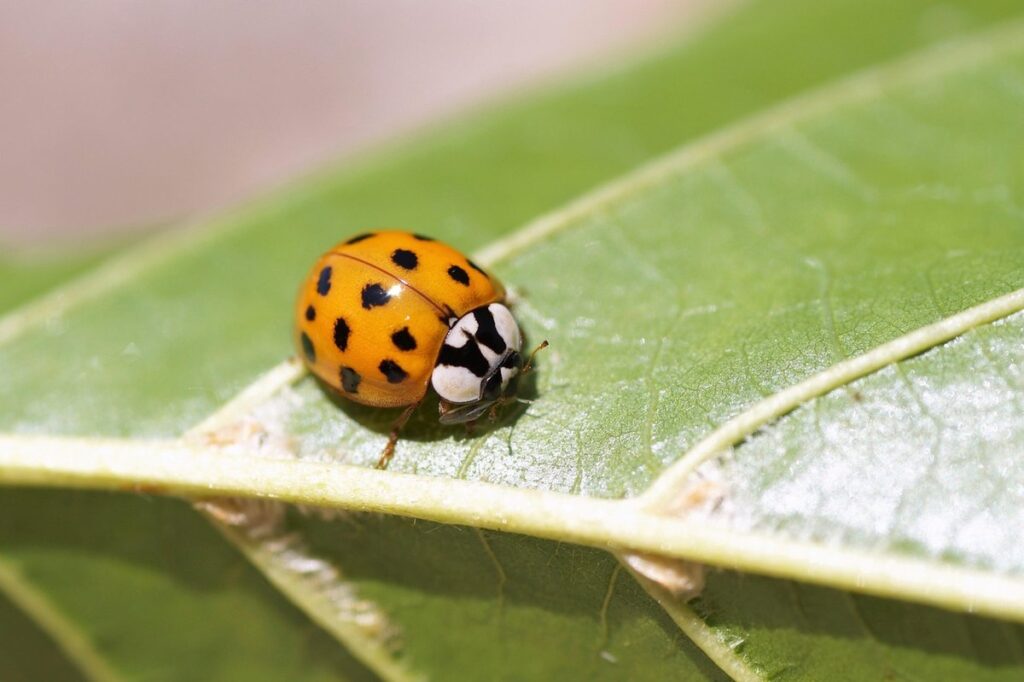
Lacewings, for instance, are voracious predators that feed on aphids, whiteflies, and other soft-bodied pests. They thrive in warm temperatures and high humidity, making them an ideal choice for greenhouses with tropical or subtropical plant species. Ladybugs, on the other hand, are known for their impressive appetites, consuming up to 60 eggs and larvae per day. These beneficial insects prefer cooler temperatures and can be released into greenhouses to control aphid populations.
Parasitic wasps, such as Trichogramma and Braconidae, are natural enemies of moth pests like caterpillars and beetles. They deposit their eggs inside the host’s body, where the larvae feed on the internal organs before emerging as adults. Predatory mites, specifically Phytoseiulus persimilis, prey on spider mites, reducing the risk of damage to crops. To ensure success with these beneficial insects, it’s essential to maintain optimal conditions, including temperature, humidity, and food availability.
Factors Influencing Beneficial Insect Performance
When it comes to creating an ideal environment for beneficial insects in greenhouses, several key factors come into play. Temperature and humidity levels are crucial as they significantly impact the insects’ activity, growth rate, and reproduction. Ideally, temperatures between 64°F to 85°F (18°C to 30°C) with a relative humidity of 40-70% are considered optimal for most beneficial insects.
Light exposure also plays a vital role in their performance. Some beneficial insects, like lacewings and ladybugs, require high light levels to be active, while others, such as parasitic wasps, prefer lower light conditions. Ensuring the presence of diverse food sources is essential, including nectar-rich flowers for adults and aphid colonies or other pest populations for larvae.
Access to clean water is also vital for beneficial insects’ survival. A shallow water source with rocks or twigs for perching can encourage them to visit the area. For example, research has shown that coccinellid beetles are more attracted to areas with fresh water sources, increasing their presence by up to 50%.
Attracting and Retaining Beneficial Insects
Attracting beneficial insects to your greenhouse is crucial, but it’s equally important to create an environment that retains them and encourages their populations to thrive. This section will explore strategies for achieving just that.
Creating a Beneficial Insect-Friendly Environment
When creating a beneficial insect-friendly environment within your greenhouse, it’s essential to provide an attractive and welcoming space for these valuable allies. Habitat creation is key, so consider incorporating features like shallow water sources, such as birdbaths or saucers, where beneficial insects can drink and lay eggs. Providing shelter in the form of native plants, rocks, or logs will also give them a safe haven to hide from harsh weather conditions and predators.
In terms of plant selection strategies, focus on including a mix of flowering plants that bloom at different times to provide a constant nectar source for adult beneficial insects. Some examples include marigolds, calendulas, and dill, which are all attractive to lacewings and hoverflies. Also, avoid using pesticides, as they can harm or kill beneficial insects.
Some other practical tips for creating an insect-friendly environment include reducing the use of mulch around plants and minimizing the number of tall plants that block sunlight. By incorporating these elements into your greenhouse design, you’ll be well on your way to attracting and retaining a diverse range of beneficial insects.
Introducing Beneficial Insects into the Greenhouse Ecosystem
Introducing beneficial insects into your greenhouse ecosystem can be a game-changer for maximizing yields and minimizing pests. When done correctly, it’s a win-win situation that benefits both the plants and the environment. To get started, you’ll need to choose which beneficial insects are best suited for your specific greenhouse conditions.
Consider introducing parasitic wasps, such as Trichogramma or Cotesia, which prey on common greenhouse pests like aphids, whiteflies, and caterpillars. Alternatively, lacewings can be introduced to control aphid and thrip populations. Ladybugs are another popular choice for greenhouses, as they feed on aphids, mealybugs, and scale insects.
When introducing beneficial insects, it’s essential to follow proper population management techniques. This includes releasing the right number of insects at the correct time to ensure they have sufficient food sources and suitable habitat conditions. Additionally, integrating beneficial insects with existing pest control measures is crucial for success. For example, you can release beneficial insects after using neem oil or insecticidal soap to reduce pest populations before introducing the beneficial insects.
When releasing beneficial insects, make sure to introduce them in a location that provides shelter and food sources. You can place beneficial insects near infested plants or in areas with high pest activity. Monitor their population growth and adjust your release strategy accordingly. With proper management, beneficial insects can become an integral part of your greenhouse ecosystem, providing long-term benefits without the need for chemical pesticides.
Managing Pests in Greenhouses with Beneficial Insects
Let’s talk about using beneficial insects to manage pests in greenhouses, a vital strategy for maintaining healthy crops and minimizing chemical use. We’ll explore how to effectively introduce these natural predators to your greenhouse ecosystem.
Biological Control Methods for Common Greenhouse Pests
When it comes to managing common greenhouse pests using beneficial insects, biological control methods offer an effective and environmentally friendly solution. One of the most popular methods is introducing natural predators that feed on specific pests. For example, Aphidius ervi, a parasitic wasp, is used to control aphid populations. These wasps lay their eggs inside the aphid’s body, where the larvae then feed on the aphid from the inside out.
Another effective method is using beneficial insects as biological pesticides. Ladybugs (Hippocampia convergens) are known for feeding on aphids, whiteflies, and spider mites, making them a popular choice for greenhouse pest management. Similarly, lacewings (Chrysopidae family) prey on these pests and their eggs, reducing the need for chemical pesticides.
When introducing beneficial insects into your greenhouse, it’s essential to identify the specific pest you’re targeting and choose the most effective biological control method. Research local suppliers or online resources to source the right species of beneficial insects for your needs. Proper introduction and maintenance are also crucial for successful biological control methods.
Case Studies: Successful Implementations of Beneficial Insects
Let’s take a closer look at some successful implementations of beneficial insect-based pest management strategies in greenhouses. In a study conducted by a leading greenhouse farm in California, they successfully implemented a ladybug-based system to manage aphid infestations. The results showed a 70% reduction in aphid populations and a corresponding increase in crop yields.
Similarly, a case study published in the Journal of Integrated Pest Management found that introducing lacewings to greenhouses reduced whitefly populations by up to 90%. These beneficial insects not only controlled pest populations but also had a positive impact on plant growth, leading to increased fruit size and quality. The key to success in these implementations was careful monitoring and introduction of the right beneficial insect species for specific pest problems.
For example, if you’re dealing with aphid infestations, introducing ladybugs or lacewings can be an effective solution. However, it’s essential to ensure that the beneficial insects are properly introduced and monitored to maximize their effectiveness. By doing so, greenhouse farmers can minimize pesticide use and create a more sustainable environment for plant growth.
Challenges and Limitations of Beneficial Insect Use
While beneficial insects can be a game-changer for greenhouses, it’s essential to understand their limitations and challenges in real-world applications. Let’s explore some of these difficulties together.
Potential Drawbacks and Considerations
While beneficial insects can be a valuable addition to your greenhouse, there are some potential drawbacks and limitations to consider. One of the main concerns is cost: while beneficial insects can save you money in the long run by reducing chemical use and increasing yields, they can also be more expensive than traditional pest control methods, at least initially.
Another consideration is space requirements: beneficial insects need a place to live and breed, which means you’ll need to allocate some area of your greenhouse specifically for their needs. This might be a challenge if your greenhouse is already at maximum capacity.
To get the most out of your beneficial insects, regular monitoring and maintenance are crucial. This includes checking the insects’ populations regularly, ensuring they have enough food and water, and taking steps to prevent the spread of pests or diseases. By keeping on top of these tasks, you can minimize potential drawbacks and maximize the benefits of using beneficial insects in your greenhouse.
In addition, it’s essential to choose the right beneficial insects for your specific needs and to introduce them at the right time. This will help ensure that they’re able to effectively control pests and improve yields without causing any unforeseen problems.
Emerging Trends and Future Directions
As researchers continue to explore the vast potential of beneficial insects, several emerging trends and future directions are gaining momentum. One area of ongoing investigation is the development of novel species for specific pest management challenges. For instance, parasitic wasps like Trichogramma spp. have shown promise in controlling aphid populations without harming other beneficial insects.
Another trend is the integration of precision agriculture techniques with beneficial insect use. This involves leveraging technologies such as drones and AI to monitor greenhouse conditions and optimize beneficial insect releases. By doing so, growers can maximize pest control while minimizing unnecessary insect applications.
The future of beneficial insect research also holds much promise in the realm of genetic engineering. Scientists are working to develop strains of beneficial insects that can withstand changing environmental conditions and adapt more effectively to different ecosystems.
As this field continues to evolve, growers will have access to a wider range of beneficial insect species, enabling them to tackle an array of pests with greater precision and efficacy.
Frequently Asked Questions
What are the key differences between an Integrated Pest Management (IPM) approach that relies on beneficial insects versus one that uses chemical pesticides?
The main difference lies in the philosophy behind each approach. Chemical-based IPM focuses on eliminating pests through toxic chemicals, whereas a beneficial insect-based approach aims to balance ecosystems by introducing helpful creatures to control pest populations naturally. This shift requires adopting new strategies for monitoring, controlling, and managing greenhouse conditions.
How do I know which types of beneficial insects are best suited for my specific greenhouse setup?
Consider the types of crops you’re growing, as well as the typical pests that target them. For example, if you’re cultivating cucumbers, attracting lacewings or parasitic wasps may be effective due to their predilection for aphids and whiteflies. Research local beneficial insect species and tailor your strategies accordingly.
Can I use beneficial insects alongside other pest control methods, such as chemical pesticides?
While it’s possible to combine approaches, doing so can lead to unintended consequences. Chemicals can harm or repel beneficial insects, undermining their effectiveness. To maximize the potential of beneficial insects, adopt a holistic approach and explore organic or integrated management strategies that minimize chemical use.
How do I ensure that my greenhouse environment remains conducive for beneficial insects throughout the growing season?
Regularly inspect your greenhouse for factors that might deter beneficial insects, such as temperature fluctuations, inadequate ventilation, or excessive moisture. Implement measures to regulate temperatures within a comfortable range (60-80°F), provide adequate air circulation and water availability, and maintain cleanliness to prevent attracting pests.
What are some common challenges I might encounter when introducing beneficial insects into my greenhouse ecosystem?
One potential issue is the initial establishment of beneficial insect populations. This may require an initial introduction of insects or providing sheltered areas for them to colonize. Another challenge lies in managing the balance between pest and beneficial insect populations – over-crowding can lead to competition for resources, while under-population can result in ineffective pest control.