
Are you tired of struggling with poor soil structure and weeds taking over your raised bed garden? You’re not alone! Many of us are looking for sustainable gardening practices that improve our yields while being gentle on the environment. That’s where green manure comes in – a simple yet powerful tool to take your raised beds to the next level. By incorporating green manure into your rotation, you can dramatically reduce pests and weeds, and enhance soil fertility. In this article, we’ll dive deeper into the benefits of using green manure in raised beds, including its impact on soil structure, crop yields, and overall garden health. We’ll also explore how to implement green manure effectively, so you can start seeing results right away.
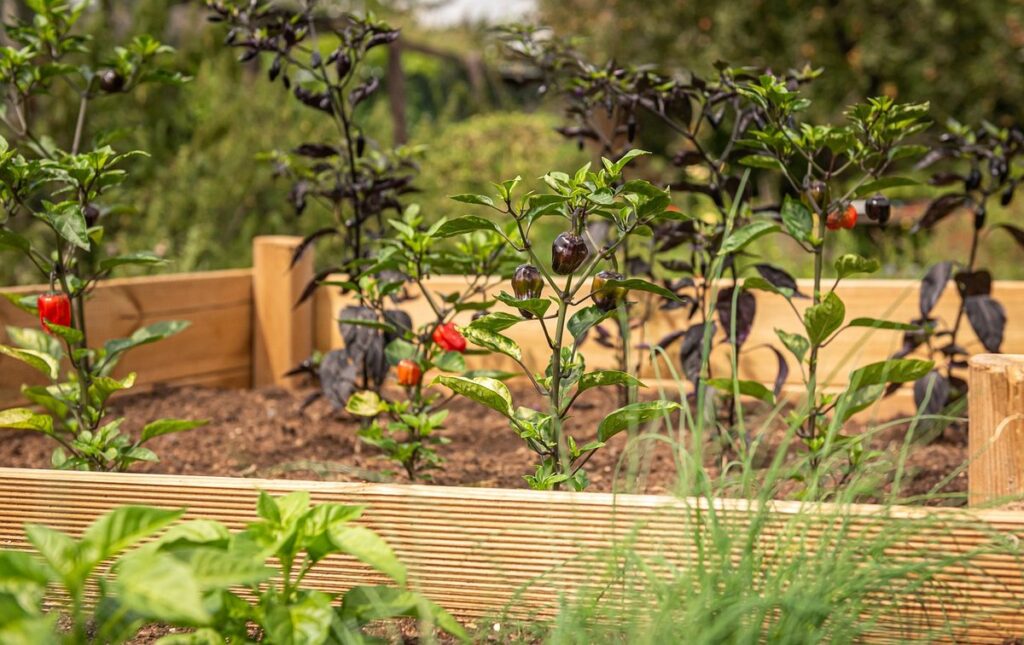
Benefits and Advantages of Using Green Manure in Raised Beds
Using green manure in raised beds can provide numerous benefits, from improved soil structure to enhanced biodiversity and increased crop yields. Let’s explore these advantages in more detail.
Improving Soil Structure and Fertility
Soil health is the backbone of any successful raised bed garden. When it comes to green manure, its benefits extend far beyond just adding nutrients – it can fundamentally transform the structure and fertility of your soil.
Green manure improves soil structure by increasing its water-holding capacity and aeration, which allows roots to grow deeper and more efficiently. The addition of organic matter from the decomposing plants feeds beneficial microorganisms, supporting their growth and diversity. This creates an ecosystem where microbes thrive, break down complex compounds, and release essential nutrients.
To incorporate green manure into your raised bed gardening routine, start by mixing it with existing soil or using it as a mulch between plantings. Be sure to choose varieties that suit your climate and growing conditions. Legumes like clover and beans are excellent choices for their nitrogen-fixing capabilities.
A well-designed green manure system can even help build the organic matter content of your raised bed, reducing the need for external fertilizers and improving overall soil resilience.
Reducing Weeds and Pests
One of the most significant advantages of using green manure in raised beds is its ability to outcompete weeds and reduce pest populations. Green manure plants are typically grown for a short period before being incorporated into the soil, which allows them to grow quickly and vigorously. This rapid growth can crowd out weeds, making it unnecessary to use herbicides or manual weeding methods. In fact, studies have shown that certain green manure crops can reduce weed pressure by up to 90%.
To further minimize pest populations, choose green manure plants that are resistant to common pests in your area. For example, if you’re growing green manure for a spring crop, consider using winter rye or oats, which are both natural deterrents to aphids and other insects. When incorporating the green manure into the soil, make sure to till it in thoroughly to avoid any potential weed seeds from germinating later on.
By adopting this approach, you can significantly reduce your reliance on chemical pesticides and herbicides, creating a healthier environment for your plants and reducing the risk of chemical runoff into local waterways.
Enhancing Crop Yields and Quality
Using green manure in raised beds can have a profound impact on the health and productivity of your plants. By incorporating legumes and other cover crops into your rotation, you’re essentially adding a natural boost to your soil’s fertility. This leads to healthier plants with increased resistance to pests and diseases, as well as improved nutrient uptake.
As a result, crop yields increase significantly, making it easier to harvest more fruit from your raised beds. But that’s not all – the quality of your produce also improves dramatically. With better access to nutrients, fruits are sweeter, juicier, and more flavorful, while vegetables boast enhanced color, texture, and aroma.
To get the most out of green manure in your raised beds, focus on selecting a diverse mix of cover crops that work well together. For example, planting a legume like clover with a non-legume like rye creates an ideal symbiotic relationship that benefits both plants. By incorporating green manure into your gardening routine, you’ll be rewarded with healthier, more bountiful harvests year after year.
Choosing the Right Green Manure Crops for Raised Beds
When selecting green manure crops for your raised beds, it’s essential to consider factors such as growth rate, maturity date, and suitability for your climate. This will help you choose the perfect crop for your needs.
Understanding the Different Types of Green Manures
When choosing green manure crops for your raised beds, it’s essential to understand the different types available. Green manures can be broadly classified into three categories: legumes, grasses, and broadleaf plants.
Legumes are perhaps the most well-known group of green manures. These plants have the ability to fix atmospheric nitrogen in the soil, making them an excellent choice for beds where vegetables like beans, peas, and corn will be grown. Examples of legume green manures include clover, beans, and lentils. For instance, red clover can thrive in poor soil conditions and provide a rich source of nitrogen when incorporated into the bed.
Grasses are another type of green manure that can be used to enrich raised beds. Cereal crops like rye and oats can be sown in the fall or early spring as a green manure crop, helping to suppress weeds and improve soil structure. Broadleaf plants like comfrey and alfalfa also belong to this category. Comfrey, for example, has a deep taproot that can bring up nutrients from deeper layers of soil, making it an excellent addition to raised beds.
Incorporating green manures into your raised bed gardening routine is relatively simple: sow the seeds in the fall or early spring, and then turn them under as soon as they begin to flower. This allows the plant material to break down quickly, providing nutrients for future crops.
Factors to Consider When Selecting a Green Manure Crop
When selecting a green manure crop for your raised bed garden, it’s essential to consider several key factors that will impact its success. Climate is one of the most critical considerations, as different crops thrive in various temperature and moisture conditions. For example, if you live in an area with hot summers, choose a green manure crop like sorghum or sun hemp, which can tolerate high temperatures and dry spells.
Soil type is another crucial factor to consider. If your raised bed has heavy clay or sandy soil, choose a crop that’s well-suited for those conditions. For example, clover is an excellent choice for clay soils, as it helps to break up the compacted soil structure. On the other hand, if you have light, sandy soil, opt for a legume like alfalfa, which will help retain moisture.
In addition to climate and soil type, also consider moisture levels in your raised bed garden. Some green manure crops require more water than others, so choose one that’s adapted to your local rainfall patterns or irrigation system. Finally, think about the specific needs of your raised bed garden, such as how much space you have available for the crop to grow.
You’ll also want to consider factors like maturity dates and growth habits when choosing a green manure crop. Some crops are better suited for fall incorporation, while others prefer to be grown in the spring or summer.
Preparing Raised Beds for Green Manure Crops
Before planting your green manure crop, it’s essential to prepare your raised beds by loosening the soil and removing any debris or weeds that may be present. Let’s dive into the steps you need to take.
Tilling and Soil Preparation
Preparation is key when it comes to establishing a thriving green manure crop in raised beds. To create an ideal environment for your green manure plants, you’ll want to start by preparing the soil through tilling and loosening. This process breaks up compacted soil, allowing roots to grow freely and improving drainage.
Begin by loosening the top 6-8 inches of soil using a fork or spade. If your raised bed has a hardpan layer, you may need to use a power tiller or a garden fork with a long handle to reach deeper into the soil. Be sure to remove any debris, rocks, and weeds that could interfere with root growth.
Next, incorporate organic matter like compost, well-rotted manure, or green waste into the loosened soil. Aim for 2-3 inches of material, depending on its density. Mix it in thoroughly using a spade or fork to ensure even distribution. Adjust your pH levels as necessary, following a soil test kit’s recommendations.
Planting Green Manure Crops
When planting green manure crops in raised beds, timing is crucial for optimal growth and nutrient cycling. Generally, green manure crops are planted in the spring or fall, depending on the specific crop and climate. For example, clover and winter rye thrive in cooler temperatures and can be planted as soon as the soil has cooled to around 50°F (10°C). In warmer climates, summer planting of green manure crops like sunflower and okra is more suitable.
When spacing green manure crops, consider their mature size. A general rule of thumb is to plant at a density that allows for good air circulation between plants. For smaller crops like radish and alfalfa, you can plant 1-2 inches (2.5-5 cm) apart. Larger crops like winter rye and oats can be planted 4-6 inches (10-15 cm) apart.
Plant green manure crops at a depth that is equal to or slightly deeper than the size of the seed. Water thoroughly after planting, and keep the soil consistently moist until germination occurs. For optimal nutrient cycling, aim for a mix of fast-growing and slow-growing green manure crops in your raised bed.
Integrating Green Manure into Your Raised Bed Gardening Schedule
Now that you know what green manure is and its benefits, let’s dive into how to incorporate it into your raised bed gardening schedule for a more sustainable harvest. We’ll explore practical tips on integrating this valuable crop rotation technique.
Planning Ahead: Scheduling Green Manure Crops
Planning green manure crops into your raised bed gardening schedule requires careful consideration of several factors. To maximize benefits and minimize disruptions to regular gardening activities, it’s essential to plan ahead. Start by determining the specific needs of each crop, including the optimal planting time, growth period, and harvest date.
Typically, green manure crops are planted in the early spring or late summer/early fall when temperatures are cooler. This allows them to mature before the next growing season begins. For example, clover can be planted in late winter/early spring for a spring crop, while ryegrass is often planted in the fall for a winter cover crop.
When scheduling green manure crops, consider the following: allocate space accordingly, ensure adequate soil preparation before planting, and plan for crop rotation to avoid depleting soil nutrients. It’s also crucial to choose green manure varieties that are suitable for your climate and available growing season. By planning carefully, you can integrate green manure into your raised bed gardening schedule without compromising the productivity of your garden.
Tips for Incorporating Green Manure into Existing Garden Routines
Incorporating green manure into your existing garden routine can seem daunting, but with some planning and creativity, it’s easier than you think. To start, consider the space-saving strategies that allow you to plant green manure alongside your crops without sacrificing valuable growing room. For example, you can intercrop green manure between rows of vegetables or use a companion planting approach where green manure is planted around the perimeter of your raised bed.
When it comes to efficient planting methods, think about using a “chop and drop” system. Simply chop down the green manure crop when it’s still young and then drop it onto the soil as mulch. This not only adds nutrients but also suppresses weeds and retains moisture in the soil. Alternatively, you can use a cover cropping approach where green manure is planted after harvesting your main crops, allowing for a quick turnaround between harvests. By incorporating these strategies into your garden routine, you’ll be well on your way to creating a sustainable gardening system that benefits both your plants and the environment.
Managing Green Manure in Raised Beds: Challenges and Solutions
Growing green manure in raised beds can be a challenge, especially when it comes to managing its spread and preventing overgrowth. Let’s explore some practical solutions for common problems you may encounter.
Common Challenges with Using Green Manure in Raised Beds
One of the key challenges you may encounter when using green manure in raised beds is overcrowding. If you’ve sown too many plants, they can compete with each other for resources like light, water, and nutrients. This can lead to weakened growth, reduced yields, or even plant disease. To avoid this issue, it’s essential to plan carefully before planting your green manure.
Another challenge is nutrient imbalances. Some green manure crops, such as clover or alfalfa, are high in nitrogen but low in phosphorus and potassium. If you use these crops too frequently, they can disrupt the soil’s natural balance, leading to deficiencies in essential nutrients. To mitigate this risk, rotate your green manure crops regularly and choose varieties that provide a balanced nutrient profile.
When using green manure in raised beds, be mindful of the space constraints. With their compact size, raised beds can quickly become overcrowded if not managed properly.
Solutions for Overcoming Common Green Manure Challenges
Overcoming common challenges with green manure in raised beds requires creativity and adaptability. One of the primary obstacles is crop rotation – ensuring that you’re not depleting the soil’s nutrients by planting the same crop repeatedly. To combat this, implement a 3-year crop rotation plan, where you dedicate one year to growing nitrogen-fixing legumes, followed by a season of heavy feeders like corn or tomatoes.
Companion planting is another key strategy for maximizing green manure benefits. Pair fast-growing crops like beans and peas with slower-growing plants like comfrey, which will help replenish soil nutrients as it grows. This synergy not only enhances crop yields but also reduces pest pressure through natural predator-prey relationships.
Integrated Pest Management (IPM) techniques are essential for maintaining a balanced ecosystem within your raised bed. By using physical barriers, introducing beneficial insects, and practicing good hygiene practices like removing weeds and debris, you can significantly reduce chemical pesticide use.
Monitoring Progress and Adjusting Your Approach
Now that you’ve planted your green manure, it’s essential to monitor its progress and make adjustments as needed to ensure a bountiful harvest in your raised bed. Let’s explore how to gauge success.
Measuring the Success of Green Manure in Raised Beds
Measuring the success of green manure in raised beds involves tracking changes in soil health, plant growth, and nutrient cycling. To monitor progress, take regular soil samples to assess improvements in structure, fertility, and microbial activity. Record observations on crop yields, diversity, and resilience – a good green manure crop will attract beneficial insects and pollinators.
Monitor the rate of decomposition by observing changes in carbon-to-nitrogen ratios and noting any shifts in nutrient availability. For instance, if your soil test reveals increased nitrate levels, it may indicate that the green manure is breaking down too quickly. Balance this by adjusting planting times or incorporating additional cover crops to regulate nutrient release.
In raised beds, a good indicator of success is the presence of earthworms – their burrows signal a healthy, well-balanced soil ecosystem. Take note of any significant changes in plant growth patterns, such as increased root depth or improved drought tolerance. By tracking these variables over time, you’ll gain valuable insights into how your green manure strategy is working and where adjustments need to be made.
Adapting Your Green Manure Strategy as Needed
As you monitor the progress of your green manure in raised beds, it’s essential to remain flexible and adapt your strategy as needed. This might involve adjusting crop selection or planting schedules based on observations and results. For instance, if a particular green manure crop is not performing well due to weather conditions or pests, it may be necessary to switch to a more resilient variety.
You can also use this opportunity to refine your understanding of the specific growing conditions in your raised beds. Are certain crops thriving in certain spots? Do you notice any patterns in soil quality or drainage? By paying attention to these details and making adjustments accordingly, you can optimize the effectiveness of your green manure strategy.
Consider implementing a “fail-safe” crop rotation plan, which involves planting multiple green manure crops with different growth habits and maturation times. This approach allows for flexibility and ensures continued soil fertility even if one crop fails or underperforms. Regularly assess your raised bed’s ecosystem and be willing to pivot when necessary – this willingness to adapt will help you achieve the best possible outcomes from your green manure efforts.
Frequently Asked Questions
Can I use green manure with raised beds that have poor drainage?
Yes, incorporating green manure can actually help improve soil structure and water-holding capacity, which can alleviate issues related to poor drainage. However, it’s essential to choose a green manure crop that is suitable for your specific climate and raised bed conditions. For example, you may want to opt for legumes like clover or beans, which are known for their ability to improve soil structure and fertility.
How long does it take to see the benefits of using green manure in my raised beds?
The timeframe for observing the effects of green manure can vary depending on factors such as soil type, climate, and specific crop selection. Generally, you may start noticing improvements in soil structure and reduced weed growth within 1-3 months after incorporating green manure into your rotation. For more significant benefits like enhanced biodiversity and increased crop yields, it’s best to plan for a minimum of 6-12 months.
What if I have limited space in my raised bed garden?
Even small spaces can benefit from the use of green manure! Consider using container gardening or vertical growing methods to make the most of your available space. Additionally, choose compact or dwarf varieties of green manure crops that are specifically bred for smaller spaces. This will allow you to maximize yields while minimizing waste and excess growth.
How do I integrate green manure into my existing raised bed garden routine without disrupting existing plants?
When incorporating green manure into an existing garden, it’s crucial to plan ahead and choose a crop that is compatible with your current layout and growing schedule. Consider planting green manure crops in between existing beds or using intercropping techniques to minimize space requirements. Be sure to also maintain good crop rotation practices to avoid depleting soil nutrients.
Can I use composted green manure, or do I need to incorporate it while still alive?
Both composted and living green manure can be beneficial, depending on your specific needs and goals. Composted green manure provides a more readily available source of nutrients but may not offer the same level of soil structure improvement as incorporating living plants. For long-term fertility and structure benefits, consider incorporating green manure crops while they are still alive, allowing them to decompose naturally in place.