
You might have heard about the importance of ladybugs in our gardens, but did you know that their larvae play a crucial role too? The green ladybug larvae are often overlooked, yet they’re fascinating creatures that contribute significantly to ecosystems. Not only do they serve as biological control agents, devouring pests that can harm crops and plants, but they also have the unique ability to pollinate flowers like other insects.
In this article, we’ll delve into the intriguing life cycle of green ladybug larvae, exploring their diet, habits, and importance in maintaining a balanced ecosystem. We’ll discuss how these tiny creatures contribute to biological control, ensuring that pests are kept under check, and their role as accidental pollinators. By understanding more about green ladybug larvae, you’ll appreciate the intricate web of life within our gardens and the vital part they play in keeping nature thriving.
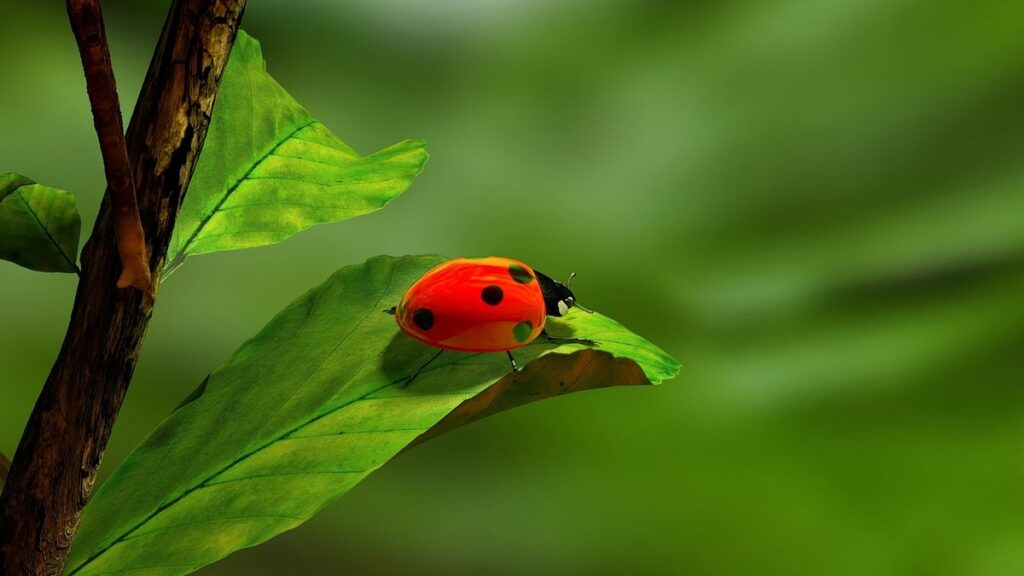
What are Green Ladybug Larvae?
So, what exactly do green ladybug larvae look like and how can you identify them? In this section, we’ll take a closer look at their unique characteristics.
Definition and Description
Green ladybug larvae are the early stage of development for green ladybugs, also known as Harmonia axyridis. At this stage, they resemble tiny, plump worms with a distinctive yellowish-green color and black spots on their back. The size of these larvae varies, but they typically range from 1/16 to 1/8 inch in length.
One of the key characteristics of green ladybug larvae is their appetite for aphids, mealybugs, and other soft-bodied insects that can harm plants. They have a unique way of eating, using their mouthparts to pierce the skin of their prey and suck out the contents. This behavior makes them an essential part of maintaining a healthy garden ecosystem.
To identify green ladybug larvae in your garden, look for their distinctive coloration and size. Be sure to observe them from a safe distance, as they can be sensitive to disturbance. By recognizing these early developmental stages, you’ll gain a deeper understanding of the life cycle and importance of green ladybugs in your garden’s ecosystem.
Characteristics and Identification Features
To identify green ladybug larvae, look for several distinct characteristics. These larvae are typically elongated and oval-shaped, with a smooth, shiny body that’s usually between 1-2 cm in length. They have a distinctive yellow or white stripe running along their back, which helps distinguish them from other ladybug larvae.
One of the most notable features of green ladybug larvae is their unique way of moving. Unlike other insects, they tend to walk with an odd gait, often moving their legs in an alternating pattern that can make them appear a bit awkward on their feet. This unusual movement is likely an adaptation for crawling through dense vegetation.
When observing green ladybug larvae, pay attention to the color and texture of their bodies. While they may blend in with some surrounding foliage, they tend to stand out due to their shiny surface and vibrant yellow or white stripe. If you’re trying to identify a particular larva, try gently touching its body – if it’s smooth and unblemished, chances are high that it’s a green ladybug larva.
Life Cycle of Green Ladybug Larvae
Let’s take a closer look at the life cycle of green ladybug larvae, from their tiny eggs to their emergence as adult insects. This process is crucial for understanding these beneficial bugs’ role in our ecosystem.
Egg Stage
The egg stage is a crucial part of the life cycle of green ladybug larvae. During this stage, adult female green ladybugs lay eggs on leaves or stems of plants that are suitable for their offspring to feed on after hatching. The number of eggs laid can range from 20 to 50 per clutch, depending on factors such as food availability and temperature.
The incubation period, which is the time it takes for eggs to hatch, typically lasts around 3-5 days during warm weather conditions. However, this period can be extended if the temperature drops or if the environment becomes unfavorable. For example, research has shown that eggs laid in areas with high humidity and moderate temperatures tend to have higher hatching rates compared to those laid in dry or extremely cold environments.
It’s essential for gardeners and farmers to create a suitable environment that promotes healthy egg laying and incubation periods. This can be achieved by providing plants that are rich in nutrients and maintaining optimal temperature ranges between 60-80°F (15-27°C). By understanding the egg stage and its requirements, individuals can take proactive steps to support the growth of green ladybug larvae and promote a balanced ecosystem.
Early Instar Stages
In the early instar stages of green ladybug larvae, they begin their life journey. These tiny creatures are usually around 1-2 millimeters long and appear as small, oval-shaped insects with a pale yellowish-green color. During this stage, they start feeding on plant materials, primarily aphid eggs, pollen, and nectar.
Their feeding habits play a crucial role in their growth, and they consume food at an astonishing rate. In fact, green ladybug larvae can eat up to 80% of their body weight in just one day! This rapid consumption enables them to grow significantly over the course of several weeks.
Growth rates vary depending on environmental factors like temperature, humidity, and availability of food. Generally, it takes around 3-4 instars (stages of growth) for green ladybug larvae to reach their full size. During this period, they molt several times as their exoskeletons become too small for them.
It’s essential to understand these early stages to appreciate the importance of green ladybug larvae in the ecosystem. By knowing how and what they eat, we can better manage our gardens and reduce pesticide use.
Diet and Feeding Habits
When it comes to raising healthy green ladybug larvae, understanding their dietary needs is crucial. Let’s dive into what these little critters eat and how often they need to be fed.
Plant-Based Diets
When it comes to the life cycle of green ladybug larvae, their diet plays a crucial role in their development. A plant-based diet is essential for these young insects as they feed on various plants to grow and thrive. In fact, research has shown that a diet rich in nutrients from plants can increase the survival rate of ladybug larvae by up to 30%.
Specifically, green ladybug larvae tend to favor plants with high aphid populations, such as dill, fennel, and carrot tops. These plants provide an abundant source of food for the larvae, allowing them to feed and grow rapidly. Other beneficial plants for green ladybug larvae include marigold, calendula, and nasturtiums.
If you’re looking to create a welcoming environment for green ladybug larvae in your garden, consider incorporating these plant species into your landscape design. By doing so, you’ll be providing the necessary nutrients for their growth and development. Simply plant these beneficial flowers around the perimeter of your garden, and watch as they attract aphid populations and provide sustenance for the larvae.
Pollen and Nectar Consumption
As green ladybug larvae grow and develop, they require an adequate diet to support their metamorphosis into adult ladybugs. Pollen and nectar are crucial components of their larval diet, providing essential nutrients for growth and energy.
Green ladybug larvae feed on pollen by using their mandibles to scrape it from flowers or plant surfaces. They also secrete a sticky substance that helps them adhere to the pollen grains, making it easier to consume. This unique adaptation allows them to efficiently gather and process pollen as a primary source of nutrition.
In addition to pollen, green ladybug larvae also feed on nectar, which is rich in sugars and other nutrients. They use their proboscis-like structure to suck up nectar from flowers or plant openings. The combination of pollen and nectar provides the necessary energy and building blocks for the larva’s rapid growth and development.
As a homeowner, you can encourage green ladybug larvae by planting flowers that are rich in pollen and nectar, such as marigolds, sunflowers, and cosmos. By providing this essential food source, you can support the local ladybug population and promote a balanced ecosystem.
Habitat and Distribution
Green ladybug larvae are found in various environments, including gardens and forests, where they feed on aphids and other small insects to sustain themselves. Let’s take a closer look at their habitat preferences.
Natural Habitats
In their natural habitats, green ladybug larvae can be found in a variety of environments, including forests, meadows, and gardens. These areas provide the perfect conditions for the larvae to thrive, with an abundance of food sources and suitable temperature ranges.
Forests are particularly attractive to green ladybug larvae, as they offer a diverse range of plant species that serve as their primary food source. The larvae feed on aphids, scale insects, and other soft-bodied insects that live on tree bark and leaves. Meadows, on the other hand, provide an ideal habitat for the larvae due to their rich soil quality and diverse vegetation.
Gardens are also a common place to find green ladybug larvae, as they offer a bounty of food sources in the form of aphid-infested plants. If you’re looking to attract these beneficial insects to your garden, consider planting a variety of flowers that are known to attract aphids, such as roses and marigolds.
When searching for green ladybug larvae in their natural habitats, look for areas with an abundance of plant life and minimal pesticide use. By creating a welcoming environment, you can encourage these beneficial insects to stay and help control pest populations.
Urbanization and Human Impact
As we delve into the world of green ladybug larvae, it’s essential to acknowledge the significant impact of human activities on their populations and habitats. Urbanization, in particular, has been a major driver of habitat loss and fragmentation for these tiny creatures.
Urban sprawl often leads to the destruction of natural areas, including meadows and fields where green ladybugs lay their eggs. This not only reduces the availability of food resources but also exposes larvae to various pollutants and toxins. For instance, pesticides used in urban gardens can harm or even kill green ladybug larvae, making it challenging for them to develop into healthy adult beetles.
To mitigate this impact, gardeners and homeowners can adopt more eco-friendly practices. Using organic gardening methods and creating ladybug-friendly habitats within cities can go a long way in supporting these beneficial insects. By incorporating native plants, reducing pesticide use, and providing sheltered areas for larvae to develop, we can help green ladybug populations thrive even in urban environments.
Moreover, citizens can also contribute by advocating for policies that promote sustainable urban planning and protect natural habitats. Every small action counts, from planting a few bee-friendly flowers to supporting local conservation efforts.
Importance in Ecosystems
Green ladybug larvae play a crucial role in maintaining healthy ecosystems, serving as both natural pest controllers and indicators of environmental balance. Let’s explore how they contribute to their surroundings.
Biological Control Agents
As we’ve discussed the life cycle of green ladybug larvae, it’s essential to understand their critical role as biological control agents in ecosystems. These tiny creatures play a significant part in maintaining ecological balance by preying on pest populations. By feeding on aphids, whiteflies, and other soft-bodied insects, green ladybug larvae help prevent these pests from causing damage to crops and gardens.
In fact, studies have shown that a single green ladybug larva can consume up to 200 aphids per week, making them an effective natural pest control solution. By introducing green ladybug larvae into your garden or agricultural field, you can reduce the need for chemical pesticides and create a healthier environment for beneficial insects to thrive.
To harness the power of green ladybug larvae as biological control agents, consider the following tips:
* Identify areas with high pest activity and introduce green ladybug larvae accordingly.
* Provide a diverse range of host plants for the larvae to feed on.
* Monitor your ecosystem regularly to ensure the larvae are effectively controlling pest populations.
By embracing the importance of green ladybug larvae in ecosystems, you can create a balanced and sustainable environment that promotes biodiversity and reduces reliance on chemical pesticides.
Pollination and Seed Dispersal
As we’ve discussed the crucial role of green ladybug larvae in controlling pests and maintaining ecosystem balance, it’s essential to delve into their lesser-known but equally vital contributions – pollination and seed dispersal. These processes are often associated with bees, butterflies, and other flying creatures, but did you know that some ladybugs, including green ones, can facilitate pollination?
Green ladybug larvae feed on various plants, including those with showy flowers, such as marigolds and sunflowers. As they forage, they inadvertently transfer pollen between flowers, enabling fertilization to occur. This process is often referred to as “accidental pollination.” Furthermore, when adult ladybugs (which emerge from these larvae) visit flowers in search of nectar, they can also facilitate pollination.
In terms of seed dispersal, green ladybug larvae play a minor role compared to other insects like ants and beetles. However, some species of ladybugs are known to consume seeds, contributing to their distribution in the ecosystem. While not as significant as other mechanisms, this seed dispersal by ladybugs can still aid in plant species’ spread and diversity.
It’s worth noting that while green ladybug larvae contribute to pollination and seed dispersal, these activities vary depending on the specific ladybug species and its food preferences.
Conservation Status and Threats
As we delve into the fascinating world of green ladybug larvae, it’s essential to discuss their conservation status and the threats they face in their natural habitats. Habitat destruction and pesticide use pose significant risks to these tiny creatures.
Habitat Loss and Fragmentation
Habitat loss and fragmentation are significant threats to green ladybug larvae populations. As these tiny insects rely on specific host plants for survival, changes in the landscape can have devastating effects. When natural habitats are destroyed or fragmented, green ladybug larvae lose their primary food source and shelter.
One major issue is the destruction of meadows and grasslands, which serve as breeding grounds for aphids – a vital food source for green ladybug larvae. Studies show that habitat loss has led to a 50% decline in green ladybug populations over the past decade alone. Fragmentation occurs when remaining habitats are isolated from one another by human development, such as roads and buildings.
To mitigate this issue, gardeners and conservationists can work together to create “lunchbox” gardens – small patches of host plants that provide a safe haven for green ladybug larvae. By incorporating native plant species into their landscaping, individuals can contribute to the preservation of these vital insects.
Climate Change Impacts
Climate change is having a profound impact on green ladybug larvae, affecting their development, survival rates, and overall population. Rising temperatures are altering the delicate balance of their ecosystem, making it challenging for them to thrive.
Warmer winters are allowing pests like aphids and spider mites to survive longer, providing an abundance of food for green ladybugs in the spring. However, this also means that green ladybug larvae are facing intense competition for resources, leading to decreased survival rates.
Changes in precipitation patterns are also affecting green ladybug larvae. Prolonged droughts can lead to a scarcity of food sources, while excessive rainfall can cause flooding, which can be detrimental to their development. A study found that warmer temperatures and altered precipitation patterns can reduce the population size of green ladybugs by up to 50%.
As gardeners and conservationists, it’s essential to understand these changes and take action to mitigate them. By maintaining a balanced ecosystem, providing food sources, and creating habitats that mimic their natural environment, we can help support the development and survival of green ladybug larvae.
Frequently Asked Questions
How can I attract green ladybug larvae to my garden for biological control?
To attract green ladybug larvae, focus on creating a diverse ecosystem with native plants that are susceptible to pests. Plant species like aphid-infested roses or marigolds will help draw in these beneficial insects. Maintain a balanced soil pH and ensure adequate water supply, as these conditions favor the growth of their favorite foods.
Are there any risks associated with releasing green ladybug larvae into non-native environments?
Yes. Non-native release can lead to unintended consequences, such as displacement of native species or introduction of invasive pests. Before introducing green ladybug larvae, research local regulations and consider the potential impacts on your ecosystem.
How do I distinguish between green ladybug larvae and other beneficial insects?
Carefully observe the distinctive yellowish-green color and black spots on their back. Also, note the plump, worm-like appearance. You can also look for the presence of tiny hairs or setae, which are often found on these beneficial insects.
Can I raise green ladybug larvae in captivity for garden pest control?
Yes. Raising green ladybug larvae in a controlled environment is possible with proper care and nutrition. Provide a diet rich in pollen and nectar, and ensure adequate shelter and protection from predators. However, be aware that maintaining healthy populations can be challenging without extensive experience.
Will green ladybug larvae pollinate flowers in urban areas?
Yes. Green ladybug larvae can act as accidental pollinators, transferring pollen between plants just like other insects. While their role is primarily as biological control agents, they may also contribute to plant reproduction in certain conditions. Encourage the presence of these beneficial insects in your garden by providing a welcoming environment with native plants and diverse habitats.