
Greenhouse ventilation is more than just a nicety – it’s an absolute must for maximizing crop yields and keeping your energy bills in check. Without proper airflow, greenhouses can become stifling hot and humid, leading to reduced growth rates, increased pest pressure, and even equipment damage. On the other hand, a well-designed ventilation system can make all the difference, allowing you to grow crops with optimal health and productivity while minimizing your environmental footprint.
In this article, we’ll dive into the world of greenhouse ventilation, exploring both natural and mechanical methods for keeping your growing space cool and fresh. We’ll discuss how to integrate these systems with other essential components like climate control, irrigation, and LED lighting to create a truly efficient and effective operation. By the end of this article, you’ll have the knowledge and tools needed to design an optimal greenhouse ventilation system that takes your yields – and your bottom line – to the next level.
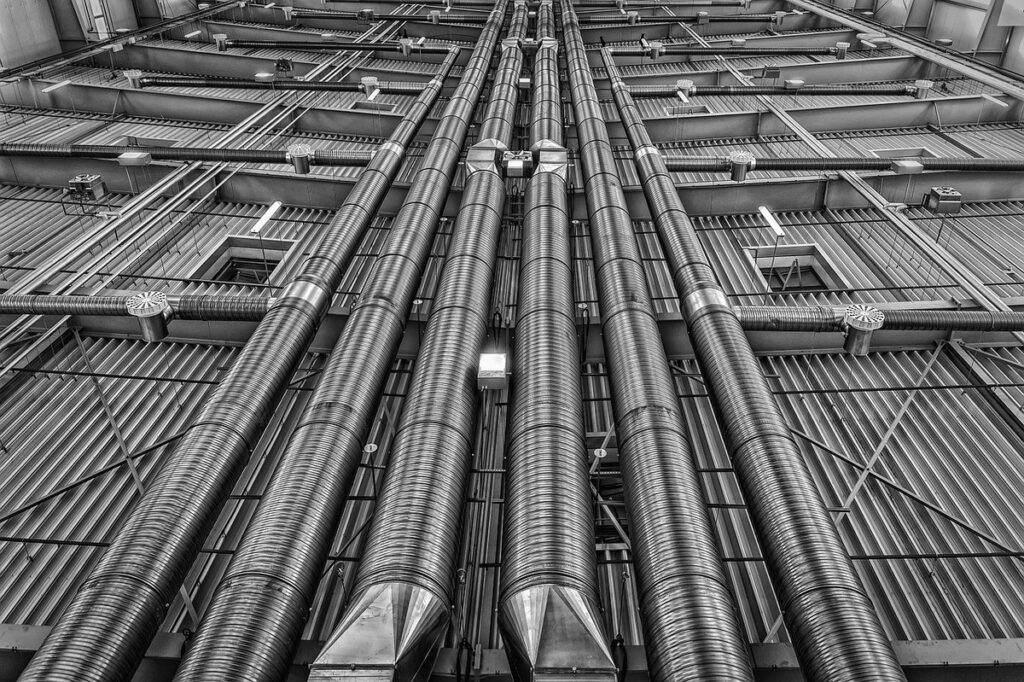
Importance of Greenhouse Ventilation
Effective greenhouse ventilation is crucial for maintaining a healthy and productive growing environment, which directly impacts crop yield and overall operation efficiency. This section explores the critical role of proper ventilation in your greenhouse setup.
Understanding the Role of Ventilation in Greenhouse Management
Proper ventilation is crucial in greenhouses because it plays a vital role in maintaining optimal growing conditions for plants. When we talk about greenhouse ventilation, we’re not just referring to the removal of stale air; it’s also about bringing in fresh oxygen and regulating temperature fluctuations. This process has a significant impact on plant health, energy consumption, and overall efficiency.
Plant growth thrives when there is adequate airflow within the greenhouse. Stale air can lead to reduced photosynthesis rates, which ultimately affects crop yield. In contrast, proper ventilation ensures that plants receive the optimal balance of CO2, temperature, and humidity they need to grow strong and healthy. For instance, in a study conducted by the University of California, it was found that CO2 levels above 800 ppm significantly boosted plant growth.
To maximize crop yield and energy efficiency, greenhouse managers can implement effective ventilation strategies such as automatic vents or fans. These technologies help regulate temperature fluctuations and maintain optimal air circulation within the greenhouse. By controlling the rate at which stale air is removed and fresh air is introduced, greenhouse managers can reduce the risk of overheating and minimize the need for supplementary lighting, thereby reducing energy consumption.
Incorporating smart sensors to monitor CO2 levels, temperature, and humidity allows managers to make data-driven decisions about ventilation rates. This data also enables them to optimize their irrigation schedules, reducing water waste and further boosting crop yields. By combining effective ventilation strategies with intelligent monitoring systems, greenhouse managers can create optimal growing conditions that result in healthier crops and significant cost savings on energy consumption.
Proper ventilation is not just a means of ensuring air quality within the greenhouse; it also affects crop yield directly. Studies have shown that CO2 levels above 800 ppm significantly boost plant growth, while stale air can reduce photosynthesis rates. To take advantage of these benefits, greenhouses must be equipped with efficient ventilation systems.
Maintaining optimal temperature and humidity conditions through effective ventilation is crucial for maximizing energy efficiency in greenhouses. By regulating temperature fluctuations, managers can minimize the need for supplementary lighting and reduce energy consumption. In fact, a study by the University of California found that a 1°C increase in temperature results in a 10% increase in plant growth rate.
To ensure optimal greenhouse performance, effective ventilation strategies must be implemented to regulate CO2 levels, temperature, and humidity. This includes incorporating smart sensors to monitor environmental factors and making data-driven decisions about ventilation rates. By combining intelligent monitoring with efficient ventilation systems, managers can create optimal growing conditions that result in healthier crops and significant cost savings on energy consumption.
A study conducted by the University of California found that CO2 levels above 800 ppm significantly boost plant growth. When we consider this alongside studies on temperature regulation, it’s clear that effective greenhouse ventilation plays a critical role in maximizing crop yield and reducing energy consumption.
When choosing ventilation strategies for greenhouses, managers should look for systems that can be integrated with smart sensors to monitor environmental factors. This allows for real-time adjustments to ventilation rates based on current conditions, ensuring optimal growing conditions are maintained at all times. By prioritizing effective ventilation management alongside other critical greenhouse functions like irrigation and lighting, managers can reap significant benefits in terms of crop yield and energy efficiency.
To further enhance the impact of greenhouse ventilation strategies, managers should also focus on optimizing temperature regulation within their facility. This includes integrating smart sensors to monitor temperature fluctuations and making data-driven decisions about cooling or heating requirements.
Optimizing air circulation through effective ventilation strategies is crucial for maintaining healthy plant growth in greenhouses. When combined with intelligent monitoring systems that track environmental factors like CO2 levels, temperature, and humidity, managers can create optimal growing conditions that result in healthier crops and reduced energy consumption.
In conclusion, proper greenhouse ventilation plays a critical role in maximizing crop yield and reducing energy consumption. By implementing effective ventilation strategies and integrating smart sensors to monitor environmental factors, managers can maintain optimal growing conditions that result in healthier crops and significant cost savings on energy consumption.
Factors Influencing Greenhouse Ventilation Needs
When it comes to determining greenhouse ventilation needs, several key factors come into play. Climate is one of the most significant considerations, as varying levels of temperature and humidity can impact the need for airflow. For instance, a tropical climate with high temperatures and humidity may require more frequent ventilation to prevent overheating and moisture buildup, whereas a temperate climate with milder conditions may necessitate less frequent ventilation.
Crop type is another critical factor in determining greenhouse ventilation requirements. Different crops have varying levels of transpiration, which affects the amount of moisture released into the air. For example, leafy greens like lettuce and spinach require more ventilation to prevent moisture buildup, whereas woody crops like tomatoes can tolerate higher humidity levels.
Building design also plays a significant role in determining ventilation needs. The size and layout of the greenhouse, as well as the type of glazing material used, can all impact airflow. For example, larger greenhouses with high ceilings may require more robust ventilation systems to ensure adequate air circulation, while smaller greenhouses with lower ceilings may be able to rely on natural convection currents for ventilation.
It’s essential to consider these factors when designing or upgrading your greenhouse ventilation system to maximize crop yield and energy efficiency. By understanding the unique needs of your climate, crops, and building design, you can create an optimized ventilation strategy that minimizes waste, reduces energy consumption, and promotes healthy plant growth.
Types of Greenhouse Ventilation Systems
When it comes to managing greenhouse conditions, selecting the right ventilation system is crucial for optimal crop growth and energy efficiency. Let’s explore the various types available for your consideration.
Natural Ventilation Methods
Natural ventilation techniques are an essential aspect of greenhouse ventilation systems. These methods harness natural airflow to regulate temperature and humidity levels within the greenhouse, thereby minimizing the need for mechanical cooling and heating.
One popular natural ventilation technique is the use of ridge vents. Ridge vents are installed at the peak of the greenhouse roof and allow hot air to escape while keeping cool air inside. They can be opened manually or automatically, depending on the design of the system.
Side vents also play a crucial role in natural ventilation. Typically located along the sides of the greenhouse, side vents provide an additional means for hot air to exit, helping to maintain optimal temperature and humidity levels. When used in conjunction with ridge vents, side vents can significantly improve airflow within the greenhouse.
Solar chimneys are another effective natural ventilation method that utilizes solar power to drive air circulation. These vertical structures absorb heat from the sun during the day, causing air to rise and be expelled through a vent at the top. This process creates a continuous flow of fresh air into the greenhouse, which can help reduce the risk of fungal diseases and other issues associated with stagnant air. By incorporating these natural ventilation techniques, growers can significantly improve their crop yields while reducing energy consumption.
Mechanical Ventilation Systems
Mechanical ventilation systems play a crucial role in maintaining optimal growing conditions within greenhouses. These systems use fans and blowers to circulate air, ensuring that plants receive the necessary oxygen while removing excess moisture and heat.
One common component of mechanical ventilation systems is exhaust fans, which remove stale air from the greenhouse. These fans are typically installed near the top or sides of the structure and can be controlled manually or automatically through temperature sensors and timers. By removing hot air, exhaust fans help to prevent overheating, which can damage plants and reduce yields.
Supply fans, on the other hand, introduce fresh air into the greenhouse. They are often used in conjunction with exhaust fans to create a circulation pattern that promotes healthy plant growth. Heat recovery ventilation units (HRVs) are another type of mechanical ventilation system that captures heat energy from exhausted air and transfers it back into the greenhouse.
When selecting mechanical ventilation systems, consider factors such as airflow rates, fan efficiency, and control options. Proper installation, maintenance, and calibration are also essential to ensure optimal performance and energy efficiency. Regularly inspect fans for dust buildup and clean them according to manufacturer guidelines to prevent decreased airflow and increased energy consumption.
Designing an Effective Greenhouse Ventilation System
When designing a greenhouse ventilation system, it’s crucial to consider factors such as temperature control and humidity management to prevent overheating and root rot. We’ll walk you through these essential considerations next.
Considerations for Optimal Ventilation
When designing an effective greenhouse ventilation system, there are several key considerations to keep in mind. One of the most critical factors is air exchange rates – the rate at which fresh air enters and stale air exits the greenhouse. This not only affects crop health but also energy efficiency. For example, a study by the University of California found that increasing air exchange rates from 0.5 to 1.5 times per minute resulted in a 20% increase in tomato yields.
To achieve optimal temperature control, consider using sensors and automated systems to monitor and adjust ventilation rates based on external weather conditions. This helps prevent overheating or underheating, which can be detrimental to plant growth. Humidity management is also crucial – high humidity levels can lead to fungal diseases and reduced crop yields. Aim for a relative humidity level between 40-60%. By carefully balancing these factors, you can create an optimal greenhouse environment that maximizes crop yield while minimizing energy consumption.
Integration with Other Greenhouse Systems
When designing an effective greenhouse ventilation system, it’s essential to consider integration with other critical systems, including heating, cooling, and irrigation. This holistic approach enables optimal crop growth while minimizing energy waste.
Integration begins by ensuring that your ventilation system is compatible with your heating and cooling systems. For instance, if you have a heat pump-based HVAC system, ensure that the ventilation controls are linked to the heat pump’s thermostat. This allows for seamless temperature regulation, preventing overheating during summer or underheating in winter.
In addition, integrate your irrigation system to optimize water usage. Some modern greenhouse systems come equipped with sensors that monitor soil moisture levels and adjust irrigation schedules accordingly. By integrating these systems, you can prevent overwatering, which can lead to reduced crop yields and increased energy consumption.
To achieve seamless integration, consider using a Building Management System (BMS) or a Greenhouse Management System (GMS). These platforms enable real-time monitoring and control of multiple systems from a single interface.
Benefits of Proper Greenhouse Ventilation
When it comes to maintaining a healthy and productive greenhouse environment, proper ventilation is key to avoiding heat stress and promoting optimal crop growth. Let’s explore the benefits that make it a crucial aspect of your greenhouse management.
Energy Savings and Efficiency Gains
Proper greenhouse ventilation is not only crucial for maintaining optimal growing conditions, but it also has a significant impact on energy efficiency. One of the most notable benefits of proper ventilation is reduced fuel consumption. When your greenhouse is well-ventilated, you can rely less on heating and cooling systems to regulate temperature, which means lower energy bills. In fact, studies have shown that adequate ventilation can reduce heating costs by up to 30% and cooling costs by as much as 40%.
By controlling temperature fluctuations, proper ventilation also helps extend the lifespan of your greenhouse’s mechanical equipment, further reducing maintenance and replacement costs over time. For instance, a well-ventilated greenhouse might see its HVAC system last 2-3 years longer than one that isn’t properly ventilated. Additionally, optimized airflow can even lead to reduced water consumption, as plants are less likely to develop fungal diseases caused by excessive moisture buildup.
By incorporating regular ventilation checks into your routine and investing in a high-quality ventilation system, you’ll not only be ensuring the health of your crops but also saving money on energy bills.
Improved Crop Yield and Quality
Proper greenhouse ventilation is not only essential for energy efficiency but also crucial for maximizing crop yields and quality. By maintaining optimal temperature control, humidity management, and air circulation, you can create an ideal environment for plants to thrive.
Better temperature control is critical in greenhouses, as fluctuations can lead to reduced yields and lower-quality crops. Optimal ventilation allows for precise regulation of temperature, preventing overheating during the day and minimizing heat loss at night. This enables seedlings to grow more robustly and mature crops to reach their full potential. For instance, a study on strawberry cultivation found that maintaining a consistent daytime temperature between 20-25°C (68-77°F) resulted in a 15% increase in yield compared to unregulated conditions.
Effective humidity management is equally important, as excessive moisture can lead to disease and pest issues. Proper ventilation ensures that the greenhouse atmosphere remains balanced, reducing the risk of fungal growth and promoting healthy plant development. By maintaining optimal air circulation, you’ll also reduce the likelihood of stagnation-related problems like leaf spot and powdery mildew.
By focusing on optimal temperature control, humidity management, and air circulation through proper ventilation, you can significantly improve crop yields and quality. This is especially crucial during critical growth stages, such as seed germination and fruit set. By investing in a well-designed ventilation system, you’ll be able to provide your plants with the ideal conditions for maximum growth and productivity.
Proper greenhouse ventilation not only enhances crop yields but also helps reduce energy consumption by minimizing the need for artificial cooling systems. This can lead to significant cost savings over time, making it an attractive investment for greenhouse operators seeking to optimize their operations.
Challenges and Limitations in Greenhouse Ventilation
While greenhouse ventilation is crucial for healthy crops, there are several challenges that can limit its effectiveness, including inadequate design and equipment failure. Let’s explore these common obstacles together.
Common Issues and Troubleshooting Tips
As you implement greenhouse ventilation systems to maximize crop yield and energy efficiency, you may encounter some common issues that can hinder optimal performance. One of the most frequent problems is inadequate airflow, which can lead to temperature fluctuations, reduced humidity control, and increased risk of pests and diseases.
To troubleshoot this issue, start by checking the system’s design and installation. Ensure that the ventilation fans are properly sized for your greenhouse size and climate. Next, inspect the ductwork and piping for any blockages or damage that could be restricting airflow. Regular maintenance tasks such as cleaning filters, lubricating moving parts, and inspecting belts can also help identify potential problems.
Another common issue is temperature control. If your greenhouse is experiencing temperature fluctuations, check the thermostat settings and ensure they are calibrated correctly. Additionally, consider installing a shading system or upgrading to a more advanced climate control system that integrates with your ventilation system.
Future Developments and Innovations
As we look to the future of greenhouse ventilation, several emerging trends and innovations are poised to revolutionize crop management and energy efficiency. Advanced sensors are being integrated into greenhouses to provide real-time monitoring of temperature, humidity, and CO2 levels. This data is then fed into AI-powered control systems that make precise adjustments to optimize growing conditions. For instance, a system like Sensirion’s SHTW4-C-SDPF sensor can detect even the slightest changes in temperature and humidity, allowing for more accurate climate control.
Another innovation on the horizon is the integration of IoT (Internet of Things) technology into greenhouses. This enables real-time monitoring and control from anywhere, reducing labor costs and increasing efficiency. For example, a Dutch greenhouse has implemented an IoT system that allows growers to monitor temperature, humidity, and light levels remotely. They can also receive alerts when conditions deviate from set parameters.
These emerging technologies have the potential to significantly improve crop yields and reduce energy consumption in greenhouses. By leveraging advanced sensors and AI-powered control systems, growers can create optimal growing conditions while minimizing waste and optimizing resource usage. As these innovations continue to evolve, it’s likely that we’ll see even more sophisticated solutions emerge to support sustainable greenhouse management.
Conclusion: Optimizing Greenhouse Ventilation for Success
Now that we’ve walked through the essential principles of greenhouse ventilation, let’s focus on optimizing your system for maximum success. This concludes our in-depth guide to creating a high-yielding and energy-efficient setup.
Recap of Key Takeaways
In conclusion to our discussion on greenhouse ventilation, let’s revisit the essential takeaways for optimizing this critical component of your growing operation. Proper ventilation is not just a nicety; it’s a necessity for maintaining healthy crops and reducing energy costs.
Proper ventilation helps prevent overheating, which can lead to significant losses in crop yield. By ensuring adequate air exchange, you’ll be able to maintain optimal temperature ranges that promote growth and development. This is crucial as temperatures above or below the ideal range can slow down or even kill your plants.
When designing your greenhouse ventilation system, consider factors like climate, crop type, and local building codes. Implementing a hybrid ventilation strategy – one that combines both natural and mechanical systems – can provide the most energy-efficient solution. Regular maintenance of your ventilation system is also crucial to ensure it continues to operate effectively over time. By keeping these key considerations top of mind, you’ll be well on your way to maximizing crop yields while minimizing energy costs.
Final Thoughts on Maximizing Efficiency and Productivity
As we conclude our exploration of greenhouse ventilation, it’s clear that this critical component plays a pivotal role in achieving optimal crop yields and energy efficiency. Properly managing the exchange of air within the greenhouse is essential for maintaining a healthy environment that supports plant growth and minimizes energy consumption.
To maximize efficiency and productivity, consider implementing regular maintenance schedules to ensure that your ventilation system operates at peak performance. This includes inspecting fans, filters, and other equipment to prevent clogs or damage. You can also adopt data-driven approaches by monitoring temperature, humidity, and CO2 levels to make informed decisions about when to adjust ventilation rates.
By prioritizing greenhouse ventilation, you’ll not only optimize crop yields but also reduce energy costs and minimize environmental impact. Don’t forget to explore the benefits of smart sensors, which can provide real-time insights into your greenhouse’s performance, allowing for more precise adjustments to maximize efficiency. By integrating these best practices into your operations, you’ll be well on your way to achieving green success.
Frequently Asked Questions
How can I prioritize my greenhouse ventilation needs based on the climate and location of my growing space?
Prioritize your greenhouse ventilation needs by considering factors like temperature, humidity, wind direction, and solar radiation. Assessing these environmental conditions will help you determine the optimal ventilation strategy for your specific location. For example, in hot and humid climates, mechanical ventilation systems may be more effective than natural methods.
What are some common issues I might encounter with my greenhouse ventilation system, and how can I troubleshoot them?
Common issues include inadequate airflow, poor insulation, or malfunctioning fans. To troubleshoot these problems, regularly inspect your system for blockages or damage, check temperature and humidity levels, and monitor fan performance. Consult manufacturer guidelines or seek professional advice if needed.
Can I use both natural and mechanical ventilation methods together in my greenhouse?
Yes, combining both natural and mechanical ventilation methods can provide optimal results. Natural methods like solar shading, windcatchers, and evaporative cooling can be complemented by mechanical systems like fans, vents, and dehumidifiers to enhance airflow and temperature control.
How do I integrate my greenhouse ventilation system with other essential components like climate control, irrigation, and LED lighting?
Integrate your greenhouse ventilation system by synchronizing it with your climate control, irrigation, and LED lighting systems through sensors, controllers, or automation software. This will allow for real-time monitoring and adjustments to maintain optimal growing conditions.
Are there any cost-effective ways to upgrade my existing greenhouse ventilation system without replacing it entirely?
Yes, consider upgrading individual components like fans, vents, or insulation instead of replacing the entire system. This can improve efficiency while minimizing costs. You can also explore DIY solutions or retrofitting options to optimize your current setup.