
If you’re as fascinated by these tiny, often-overlooked creatures as we are, then get ready to dive into the world of grass-tailed lizards and grey tree frogs! These two species may seem worlds apart, but they share a delicate balance in their ecosystems that makes them just as intriguing as any other animal. Found in diverse habitats ranging from arid deserts to lush forests, these tiny animals have adapted unique features that allow them to thrive in some of the most challenging environments on Earth.
But with increasing threats from habitat destruction and climate change, it’s essential we understand their conservation challenges and how we can contribute to protecting these incredible species. In this article, we’ll take you on a journey through the habitats, special features, and struggles faced by grass-tailed lizards and grey tree frogs. By the end of it, you’ll be equipped with the knowledge to make a positive impact on their survival.
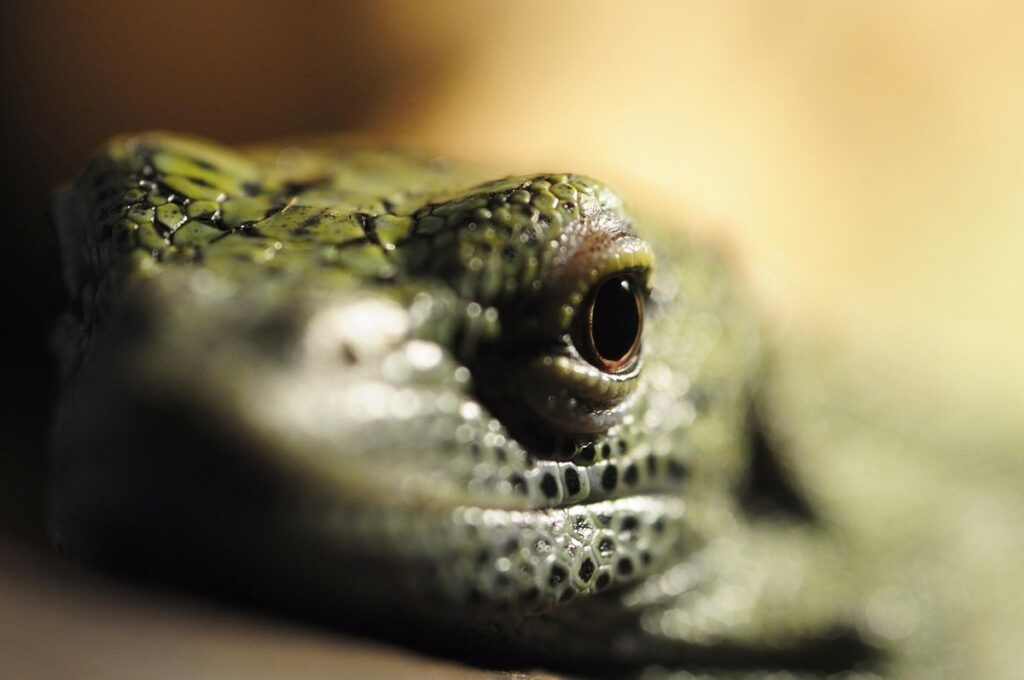
Introduction to Amphibians and Reptiles
Meet two of the most fascinating creatures you may not know exist: grass-tailed lizards and grey tree frogs, which belong to a diverse group of animals.
These animals are often misunderstood, but understanding their place in nature can be just as captivating as their unique characteristics.
What are Amphibians and Reptiles?
As we delve into the fascinating world of grass-tailed lizards and grey tree frogs, it’s essential to understand their place within the broader category of amphibians and reptiles. These two groups share many characteristics, but they also have distinct features that set them apart.
Amphibians, which include frogs like our featured grey tree frog, are primarily aquatic animals with smooth, moist skin. They undergo metamorphosis from a tadpole-like stage to a fully formed adult, typically losing their gills and developing lungs in the process. Amphibians often require water for reproduction, breathing, and feeding, making them well-suited to environments with access to a water source.
Reptiles, on the other hand, include lizards like our grass-tailed lizard friend, as well as snakes, turtles, and crocodiles. They have dry, scaly skin that helps to conserve moisture in arid environments. Reptiles do not undergo metamorphosis; instead, they hatch from eggs with developed limbs and lungs. This fundamental difference allows reptiles to thrive in a wider range of habitats, including deserts and tropical forests.
Understanding the characteristics and life cycles of amphibians and reptiles helps us appreciate the unique adaptations of grass-tailed lizards and grey tree frogs.
Importance of Studying Amphibians and Reptiles
Studying amphibians and reptiles is not only fascinating, but it’s also crucial for understanding our planet’s delicate ecosystems. These creatures play a vital role as both predators and prey, helping to maintain the balance of nature. Amphibians like grey tree frogs serve as a food source for birds, snakes, and other animals, while reptiles such as grass-tailed lizards help control insect populations.
Unfortunately, many amphibian and reptile species are facing significant threats due to habitat destruction, climate change, and human activities. For instance, the loss of forests and wetlands has led to declining populations of grey tree frogs, which in turn can have cascading effects on their ecosystems. By studying these animals, we can better understand the impact of our actions on the environment and take steps to mitigate harm.
As a result, conservation efforts are underway to protect amphibians and reptiles. For example, habitat restoration projects aim to revive natural habitats for grass-tailed lizards and grey tree frogs. Moreover, scientists are working to develop effective treatments for diseases affecting these species, such as chytridiomycosis in amphibians. By supporting these initiatives, we can help preserve the diversity of life on Earth and ensure the long-term health of our ecosystems.
Grass-Tailed Lizard Species Overview
There are over 20 species of grass-tailed lizards found worldwide, each with unique characteristics and habits, and we’ll explore some of these fascinating creatures in more detail below. Let’s dive into their diverse world together!
Habitat and Distribution
Grass-tailed lizards are primarily found in the tropical and subtropical regions of Central and South America. Their geographical range spans across countries such as Costa Rica, Nicaragua, Panama, Colombia, Ecuador, Peru, Bolivia, Venezuela, and parts of Argentina.
In terms of habitat, these lizards thrive in humid environments with dense vegetation. They are commonly spotted in rainforests, cloud forests, and tropical dry forests. Specifically, they inhabit areas with scrubby undergrowth, rocky outcrops, and forest edges.
When it comes to climate, grass-tailed lizards are adapted to warm temperatures, with the ideal range being between 64°F and 90°F (18°C and 32°C). They are also tolerant of moderate humidity levels. Some species can be found in areas with relatively low humidity, but this varies depending on the specific region.
To spot a grass-tailed lizard, it’s essential to look for these environments during their peak activity hours – typically early morning or late afternoon. Be sure to approach quietly and observe from a safe distance to avoid disturbing them.
Physical Characteristics and Behavior
One of the most distinctive features of grass-tailed lizards is their remarkably long tails, which can grow up to half their body length. This remarkable adaptation serves as an essential tool for survival, allowing them to balance on thin branches and escape predators with incredible agility. But that’s not all – these lizards have also evolved impressive camouflage abilities, blending seamlessly into their surroundings by changing color and pattern to match the surrounding foliage.
In fact, grass-tailed lizards are expert mimics, able to alter their skin texture and hue to mimic the appearance of leaves, twigs, or even rocks. This remarkable adaptation is made possible by specialized cells in their skin that contain pigments which can be expanded or contracted to change color. When threatened, they will often drop their tail as a decoy, allowing them to make a quick escape.
Despite their shy nature, grass-tailed lizards are surprisingly social creatures and have been observed engaging in complex behaviors such as courtship displays, territorial battles, and even playful interactions with each other. By observing these fascinating behaviors up close, we can gain valuable insights into the intricate social dynamics of these enigmatic creatures.
Grey Tree Frog Species Overview
Let’s dive into the fascinating world of grey tree frogs, exploring their various species and what makes each unique. From tiny to large, these frogs are a marvel of nature.
Habitat and Distribution
Grey tree frogs are widely distributed across North America, with their range stretching from southern Canada to northern Florida and eastward to the Atlantic coast. They inhabit a variety of environments, including deciduous forests, wetlands, and even urban areas, but they tend to thrive in humid, temperate climates.
One of the key requirements for grey tree frog survival is access to still or slow-moving water bodies, such as ponds, lakes, or streams, where they can breed and lay eggs. They also require an abundance of vegetation, including trees, shrubs, and aquatic plants, which provide shelter, food, and breeding sites.
In terms of specific climate requirements, grey tree frogs are tolerant of a wide range of temperatures, but they tend to be most active in the spring and summer months when temperatures reach 60-80°F (15-27°C). They can also withstand short periods of freezing temperatures, allowing them to survive through harsh winters. To create an ideal habitat for grey tree frogs in your own backyard, consider installing a pond or water feature with plenty of vegetation and a mix of sunny and shaded areas.
Physical Characteristics and Behavior
Grey tree frogs are relatively small, ranging from 1 to 2 inches in length, and weigh between 0.07 and 0.3 ounces. Their most distinctive feature is their ability to change color depending on their environment. They typically display a mottled brown or grayish hue with darker markings, allowing them to blend in seamlessly with their surroundings.
When it comes to vocalizations, male grey tree frogs are known for their high-pitched calls, often described as a loud, chirping “quack” or “bleat.” These sounds can be heard during breeding season and serve as an essential means of communication between males. They use these vocalizations to locate potential mates and establish dominance within the area.
Grey tree frogs also have unique breeding habits. Female grey tree frogs typically lay their eggs in clusters on vegetation, usually near water sources. After a period of about 2-3 weeks, the tadpoles hatch and undergo metamorphosis before eventually leaving the aquatic environment to begin their adult lives. It’s essential for frog enthusiasts to understand these behaviors to create suitable environments that promote healthy breeding and growth.
Comparative Analysis: Grass-Tailed Lizards vs. Grey Tree Frogs
Let’s dive into a comparative analysis of these two fascinating creatures, highlighting their unique characteristics and differences that set them apart from each other. From habitats to behaviors, we’ll examine what makes grass-tailed lizards and grey tree frogs distinct.
Adaptations to Environments
When it comes to adapting to their environments, grass-tailed lizards and grey tree frogs have developed unique strategies to cope with changing temperature, humidity levels, and predation pressures. For instance, the grass-tailed lizard’s ability to change color is a notable adaptation to its arid habitat. This helps them regulate their body temperature by reflecting or absorbing heat from the sun.
In contrast, grey tree frogs are semi-aquatic and thrive in humid environments. They have developed a remarkable ability to absorb moisture through their skin, allowing them to survive in areas with low water availability. When it comes to predation pressures, both species have evolved distinct defense mechanisms. Grass-tailed lizards employ a “freezing” behavior where they become immobile when threatened, while grey tree frogs release a toxic secretion from their skin to deter predators.
Understanding these adaptations can help us better appreciate the intricate relationships between these animals and their environments. By observing and learning from these unique coping strategies, we can gain valuable insights into the importance of environmental adaptation in the animal kingdom.
Unique Features of Each Species
One of the most fascinating aspects of these two species is the array of unique features that set them apart from one another. When it comes to appearance, grass-tailed lizards have a distinctive elongated tail, which can grow up to twice their body length, allowing them to defend against predators and make quick escapes. In contrast, grey tree frogs boast vibrant green skin with golden eyespots, providing them camouflage in their arboreal habitats.
In terms of behavior, grass-tailed lizards are primarily diurnal, basking in the sun’s warmth during the day, while grey tree frogs are nocturnal, spending most of their time hiding in vegetation. Their survival strategies also differ; grass-tailed lizards have been known to cache food for later use, often burying insects and small vertebrates under leaf litter, whereas grey tree frogs rely on their keen sense of hearing to locate prey.
These differences highlight the adaptability and resilience of each species, underscoring the importance of understanding and appreciating these unique characteristics.
Conservation Status and Threats
Unfortunately, both grass-tailed lizards and grey tree frogs face significant threats to their populations, which is a pressing concern for conservation efforts. We’ll delve into the details of these threats in this section.
Grass-Tailed Lizards: Threats and Conservation Efforts
Grass-tailed lizards are facing numerous threats to their survival, and it’s essential for us to understand these challenges to take action towards conservation. One of the primary concerns is habitat loss due to urbanization and agricultural expansion. As natural habitats are destroyed or fragmented, grass-tailed lizards find themselves struggling to survive.
Climate change also poses a significant threat to these lizards. Rising temperatures can disrupt their delicate ecosystem, leading to changes in food availability and breeding patterns. This has severe consequences for the already vulnerable population of grass-tailed lizards. Human activities such as collection for the pet trade and habitat destruction for development projects further exacerbate the problem.
To combat these threats, conservation efforts are underway. Organizations and researchers are working together to establish protected areas and monitor populations. For example, the creation of nature reserves and wildlife corridors can help preserve habitats and allow lizards to migrate safely. Additionally, raising awareness about the plight of grass-tailed lizards among local communities is crucial for garnering support for conservation initiatives.
By supporting these efforts and adopting environmentally friendly practices in our daily lives, we can contribute significantly to preserving the future of grass-tailed lizards.
Grey Tree Frogs: Threats and Conservation Efforts
Grey tree frogs are facing numerous threats to their survival, primarily due to human activities. Environmental degradation has led to habitat loss and fragmentation, making it challenging for grey tree frogs to find suitable breeding and living grounds. The destruction of wetlands, ponds, and other aquatic habitats has reduced the availability of food sources, further exacerbating the decline of grey tree frog populations.
Disease is another significant threat to grey tree frogs. Chytridiomycosis, a fungal disease caused by Batrachochytrium dendrobatidis (Bd), has been linked to the decline or extinction of many amphibian species worldwide. Grey tree frogs are no exception, with outbreaks reported in various parts of their range.
Urbanization is also having a profound impact on grey tree frog populations. As natural habitats are converted into urban areas, the remaining habitats become increasingly isolated and fragmented, making it difficult for grey tree frogs to migrate and find suitable mates. To combat these threats, conservation efforts focus on habitat restoration, disease management, and education campaigns to raise awareness about the importance of protecting these unique creatures.
Research and Education: Understanding Our Impact on Amphibian and Reptile Populations
To fully appreciate these fascinating creatures, let’s delve into the essential research and education efforts that inform our understanding of their populations. How are we impacting amphibians and reptiles?
The Importance of Citizen Science and Community Engagement
As we delve into the fascinating world of grass-tailed lizards and grey tree frogs, it’s essential to recognize that their survival depends on more than just scientific research. In fact, individuals like you can play a vital role in studying and protecting these species through citizen science initiatives and community engagement.
One way to contribute is by participating in local monitoring programs, where volunteers help track population trends and habitat health. For instance, the Amphibian and Reptile Conservation Society (ARCS) has established a network of citizen scientists who monitor frog populations in nearby wetlands. By collecting data on breeding patterns, disease prevalence, and environmental factors, these volunteers provide valuable insights that inform conservation efforts.
Another way to get involved is by participating in community-led projects, such as habitat restoration initiatives or education programs for local schools. By working together with experts and other community members, you can help create a supportive ecosystem for these species to thrive. Remember, every small action counts – whether it’s reporting a sighting or helping to clean up a nearby waterway, your contribution can make a real difference in the lives of grass-tailed lizards and grey tree frogs.
Implementing Sustainable Practices for a Greener Future
As we delve into the fascinating world of grass-tailed lizards and grey tree frogs, it’s essential to acknowledge our impact on their habitats. Implementing sustainable practices is a crucial step towards creating a greener future for these incredible creatures. Let’s start by transforming our gardens into amphibian-friendly sanctuaries.
When gardening, opt for native plants that provide food, shelter, and breeding grounds for grass-tailed lizards and grey tree frogs. Avoid using pesticides, which can contaminate soil and water sources, harming these animals indirectly. Instead, adopt Integrated Pest Management (IPM) techniques that combine physical barriers, biological controls, and cultural practices to minimize pest infestations.
Consider incorporating wildlife-friendly infrastructure in your community, such as amphibian bridges or ponds with shallow areas for aquatic species. These small adjustments can significantly enhance the biodiversity of your area and provide crucial habitats for our scaly friends. By making these changes, we can significantly reduce human impact on their populations and create a more balanced ecosystem.
Conclusion: Working Together to Protect Amphibians and Reptiles
As we’ve explored the fascinating worlds of grass-tailed lizards and grey tree frogs, it’s time to discuss what you can do to help protect these incredible creatures. Your actions make a real difference in preserving their habitats.
Recap of Key Points
In conclusion to our journey into the hidden world of grass-tailed lizards and grey tree frogs, let’s recap some key points that highlight their unique characteristics, conservation challenges, and importance.
Both species are fascinating creatures with remarkable adaptations. Grass-tailed lizards have a specialized tail that allows them to camouflage themselves in dense vegetation, while grey tree frogs possess the ability to change color to blend in with their surroundings. These characteristics not only aid in their survival but also make them intriguing subjects for study.
However, these species face significant conservation challenges due to habitat loss and fragmentation, climate change, and disease transmission. It’s estimated that over 30% of grass-tailed lizard populations have declined in recent years alone.
To protect these species, it’s essential to adopt a multi-faceted approach. This includes preserving and restoring natural habitats, educating local communities about the importance of conservation, and supporting research initiatives that focus on disease prevention and habitat restoration. By working together, we can ensure the long-term survival of these incredible creatures and the ecosystems they inhabit.
Call to Action: Encouraging Further Research and Conservation Efforts
As we’ve delved into the fascinating world of grass-tailed lizards and grey tree frogs, it’s essential to consider the bigger picture. The plight of these species serves as a reminder that many amphibian and reptile populations are facing unprecedented threats, from habitat destruction to climate change.
If you’re inspired by what you’ve learned about these incredible creatures, there are many ways to contribute to their conservation. First, consider supporting reputable organizations dedicated to protecting wildlife and ecosystems. The World Wildlife Fund (WWF) and the International Union for Conservation of Nature (IUCN) are just two examples of organizations working tirelessly to safeguard biodiversity.
You can also participate in citizen science initiatives, such as monitoring local populations or participating in research studies. For instance, the FrogWatch USA program enables volunteers to contribute data on frog populations, helping scientists better understand and protect these species.
Remember, every small action counts – from reducing your carbon footprint to making eco-friendly lifestyle choices. By working together and taking individual responsibility, we can make a significant difference in the long-term survival of grass-tailed lizards and grey tree frogs.
Frequently Asked Questions
Can I contribute to the conservation of grass-tailed lizards and grey tree frogs if I don’t live near their habitats?
Yes, you can make a difference from anywhere. Start by spreading awareness about these species through social media or local communities. You can also support organizations working towards amphibian and reptile conservation through donations or volunteering.
How do I identify grass-tailed lizards versus grey tree frogs in the wild, considering their similar appearances?
Grass-tailed lizards have a distinctive tail that stores fat reserves for survival, whereas grey tree frogs have a more slender body with smaller legs. Observe their behavior: grass-tailed lizards are primarily diurnal and tend to bask in sunlight, while grey tree frogs are nocturnal and typically found near water sources.
What specific steps can I take in my daily life to reduce my impact on amphibian and reptile habitats?
Implement sustainable practices by reducing your carbon footprint, conserving water, and using eco-friendly products. You can also choose plant species that provide habitat for these animals or support local conservation initiatives through community engagement.
How do I report a sighting of an unusual number of grass-tailed lizards or grey tree frogs in my area to the relevant authorities?
Contact your local wildlife authority or national park service, providing as much detail as possible about the location and circumstances. Include photographs if you have any, which can aid in their assessment and conservation efforts.
Can I create a habitat for these animals in my backyard, or is it better to support existing nature reserves?
Both options are valuable, but consider supporting existing nature reserves that provide a larger ecosystem for these species to thrive. If creating a habitat in your backyard, ensure you research the specific needs of each species and consult with local experts to create an environment that complements their natural habitats.