
If you’re an avid gardener or winemaker in the UK, chances are you’ve struggled with keeping your grapevines healthy and productive. Pruning is a crucial step in maintaining their shape, promoting fruitfulness, and ensuring optimal yields. However, it can be overwhelming to figure out the best techniques, timing, and frequency for pruning in the British climate. In this article, we’ll take a closer look at expert pruning methods specifically tailored for UK grapevines. We’ll cover common mistakes to avoid, ideal pruning times, and the essential tools you need to get the job done right. By the end of it, you’ll be equipped with the knowledge to prune your vines like a pro, boosting their health and productivity in no time.
Understanding the Importance of Pruning
Pruning is not just a necessity, but a crucial tool for maintaining healthy and productive grapevines. Let’s dive into why it’s so vital for UK growers.
Benefits of Regular Pruning
Regular pruning is one of the most crucial aspects of grapevine care, and it’s essential to understand its benefits. By pruning your grapevines regularly, you’ll be promoting a healthy and balanced growth habit that will translate into better yields.
When air circulation around the vines is improved through pruning, it reduces the risk of fungal diseases such as powdery mildew and botrytis. These diseases thrive in humid conditions and can devastate your crop if left unchecked. Regular pruning ensures that there’s ample space between branches for air to circulate freely, reducing humidity and making it difficult for disease-causing fungi to spread.
By removing diseased or weak growth through regular pruning, you’re also reducing the plant’s susceptibility to pests and diseases. This targeted approach encourages fruiting, as the energy is redirected towards healthy wood that will produce a bountiful harvest. By adopting regular pruning practices, you’ll be able to enjoy healthier and more productive grapevines year after year.
A well-pruned vine can produce between 10-20% more grapes than an unpruned one, making it a worthwhile investment of time and effort.
Common Mistakes to Avoid When Pruning
When pruning grapevines, it’s easy to get caught up in the task at hand and make mistakes that can have long-term consequences for the health and productivity of your vines. Cutting too much wood is one common mistake to avoid. While it may be tempting to remove a large amount of foliage or stems, this can leave your vine vulnerable to disease and pest infestations.
Making clean cuts is another essential aspect of pruning. A clean cut helps prevent the spread of disease by removing any diseased tissue and promoting healthy growth. To make a clean cut, use sharp, sterile tools and cut just above a bud eye or a lateral shoot. Leaving weak growths intact can also hinder your vine’s ability to thrive.
To avoid these mistakes, it’s crucial to prune with intention and purpose. Take the time to assess your vines before pruning, identifying areas that need attention and making careful cuts to promote healthy growth.
Pruning Techniques for Different Vine Types
Now that you know the basics of pruning, let’s dive into specific techniques tailored to different types of grapevines, including the popular varieties grown in the UK. From Chardonnay to Cabernet Franc, we’ll cover it all.
Cordons and Double Cordon Systems
In UK vineyards, cordons and double cordon systems are widely used pruning techniques to promote efficient grape production while maintaining plant health. A single cordon system involves training the main stem of the grapevine along a trellis or stake, allowing for better sunlight penetration and air circulation. This technique is beneficial in cool climates like the UK, as it helps to reduce frost damage and increases yields.
A double cordon system builds upon this concept by creating two tiers of cordons. The top tier consists of fruiting branches, while the lower tier provides additional support and shade for the upper branches. This system maximizes space usage, enhances pest resistance, and improves disease management.
When implementing a single or double cordon system in your UK vineyard, consider the following: choose high-vigor rootstocks to support the weight of the cordon; ensure regular pruning to maintain an optimal 2-3 bud spacings; and provide adequate training and support for the vines during establishment. By adopting these techniques, you can optimize your grapevine’s growth while promoting a healthy and productive UK vineyard.
Spur-Pruned Vines
Spur-pruning is an essential technique for maintaining compact and disease-resistant grapevines. This method involves pruning the vine to a single bud on each arm, typically 6-8 inches from the trunk. By doing so, you’re promoting healthy growth and encouraging the plant to produce more fruit.
One of the key advantages of spur-pruning is its ability to control the size of the vine. With conventional pruning methods, it’s easy for vines to become overgrown and unruly, which can lead to reduced yields and increased susceptibility to disease. Spur-pruning helps prevent this by limiting the number of buds that produce new growth.
In the UK climate, spur-pruning is particularly beneficial as it allows grapevines to adapt to cooler temperatures and more unpredictable weather conditions. By reducing the amount of foliage, you’re enabling your vines to direct their energy towards producing high-quality fruit rather than just growing larger. Regular spur-pruning will also help maintain a balanced canopy structure, ensuring that your vines receive adequate sunlight and air circulation.
When adopting spur-pruning, it’s essential to make clean cuts just above an bud eye, using sharp secateurs or pruning shears. This helps prevent disease from entering the plant through wounds and promotes healthy callusing over time.
Guyot System Pruning
The Guyot system is one of the most widely used pruning techniques in UK vineyards, particularly for high-yielding grape varieties such as Chardonnay and Pinot Noir. This method involves cutting the one-year-old wood to two buds, allowing for a more productive canopy and better fruit ripening.
To prune using the Guyot system, start by identifying the primary branches that will be used for the coming year’s growth. Cut these back to around 30-40cm from the base of the vine, ensuring you leave two strong buds on each branch. This encourages the vine to produce more vigorous shoots and a denser canopy.
It’s essential to maintain a balanced pruning structure, as this promotes healthy fruiting and prevents disease issues like powdery mildew and botrytis. Prune the secondary branches back by about one-third, removing any weak or spindly growth. This will help direct the vine’s energy towards producing high-quality grapes rather than excessive foliage.
By following these steps and maintaining a consistent pruning regime, you can optimize your grape yields while ensuring the long-term health of your vineyard.
Timing and Frequency of Pruning
Now that you know the basics of grapevine pruning, let’s dive into the specifics of when and how often to prune your vines in the UK. Proper timing is crucial for a healthy and productive harvest.
Spring vs. Autumn Pruning
When it comes to pruning grapevines in the UK, timing is everything. While many growers are familiar with autumn pruning, some may be less aware of the benefits and drawbacks of spring pruning. As we’ll explore below, both methods have their advantages and disadvantages, and understanding these factors will help you determine which approach suits your specific climate and disease pressure.
One key consideration for UK growers is the typically cool and wet spring weather, which can make it challenging to prune grapevines during this period. In contrast, autumn pruning allows for more favorable conditions, with warmer temperatures and lower humidity making it easier to remove diseased or damaged wood. However, some research suggests that spring pruning may stimulate new growth in certain varieties, potentially leading to improved yields.
On the other hand, autumn pruning is often seen as a more controlled approach, allowing growers to assess damage from winter weather and pests before making cuts. This can also help reduce the risk of disease, which can spread quickly through damaged tissue during the growing season.
In terms of climate, spring pruning may be more beneficial in cooler regions, while autumn pruning might be more suitable for warmer areas with longer growing seasons. It’s essential to consider your specific region and grapevine variety when deciding between these two approaches.
Pruning Schedule for UK Vineyards
When it comes to pruning grapevines in the UK, having a schedule in place is crucial for optimal growth and yields. The recommended pruning schedule varies depending on the specific grape variety and region within the country.
For example, in cooler regions like Scotland and Northern England, it’s essential to prune earlier in the season to give the vines enough time to recover before winter sets in. In these areas, it’s common to prune between January and February. In contrast, warmer regions like Southern England and Wales can prune later, typically between March and April.
Some popular grape varieties used in UK vineyards have specific pruning requirements. For instance, Chardonnay and Pinot Noir tend to require more severe pruning, while Merlot and Cabernet Franc are often pruned less aggressively. It’s also worth noting that young vines typically require more frequent pruning, as they need to establish a strong root system before being pruned back.
To determine the best pruning schedule for your specific vineyard, consider factors such as climate, soil type, and grape variety. A general rule of thumb is to prune around 20-30% of the previous year’s growth to maintain a balanced canopy structure.
Tools and Equipment Needed for Pruning
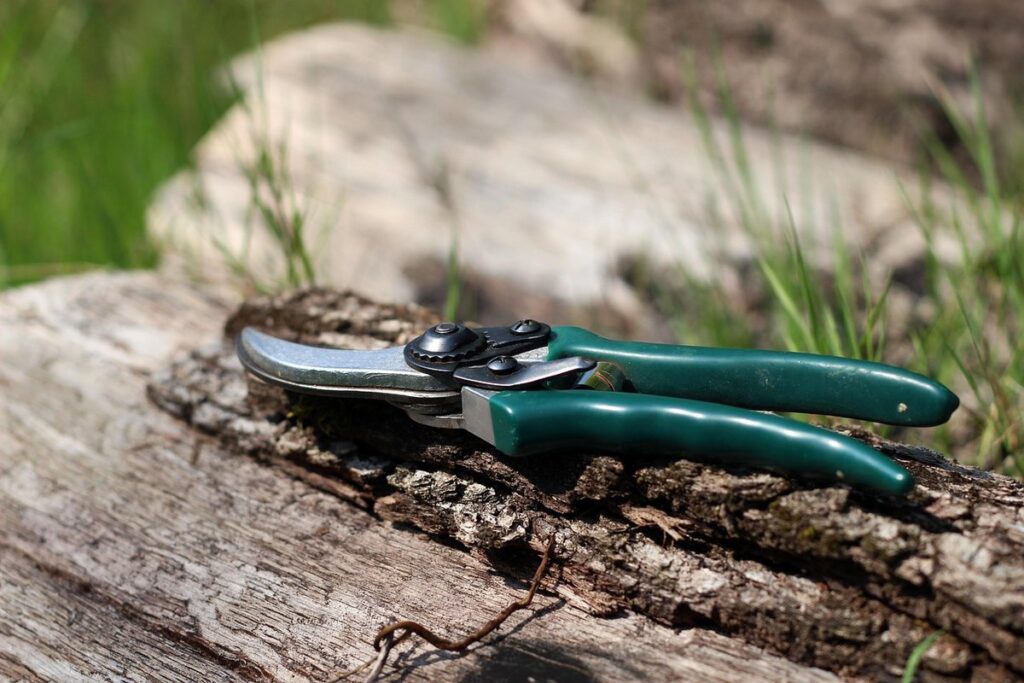
When it comes to pruning grapevines in the UK, having the right tools and equipment is crucial for safe and efficient practices. To start, you’ll need a good quality pair of pruning shears or loppers. These should be sharp and clean to prevent spreading diseases from one plant to another. For thicker stems, use a pruning saw, which can be handheld or attached to a pole for more reach.
Don’t forget to invest in a good pair of gloves to protect your hands from thorns and sap. It’s also essential to have a sturdy ladder or step stool that allows you to reach all areas of the vine without straining yourself. If you’re pruning larger vines, consider using a grapevine pruning knife or a long-handled pruner for added leverage.
In addition to these tools, it’s helpful to have some basic safety equipment on hand, such as safety glasses and a first aid kit in case of accidents. Regular maintenance and proper storage of your pruning tools will also help prevent the spread of diseases and ensure a healthy growing season.
Hand Pruning vs. Mechanical Pruning
When it comes to pruning your grapevine, you may be wondering whether to use traditional hand pruning techniques or opt for mechanical methods instead. Let’s weigh up the pros and cons of each approach together.
Benefits of Hand Pruning
Hand pruning offers several key advantages that make it an attractive option for grapevine growers in the UK. One of its primary benefits is the level of precision it allows. When done by hand, each cut can be carefully considered and executed to promote healthy growth and prevent damage to the vine. This precision is particularly important when working with delicate or sensitive varieties.
In addition to precision, hand pruning also offers improved safety for the grower. Mechanical pruners can be heavy and unwieldy, making them difficult to maneuver in tight spaces. Hand pruning tools, on the other hand, are often lightweight and ergonomic, allowing growers to work for longer periods without fatigue or discomfort.
From a quality standpoint, hand pruning allows for greater attention to detail and a more nuanced understanding of the vine’s needs. Growers can identify specific areas that require attention and prune accordingly, resulting in healthier and more productive vines. This level of care is essential for achieving optimal yields and producing high-quality grapes.
Mechanical Pruning Options
When it comes to mechanical pruning options for grapevines, several solutions are available for UK growers. One popular choice is using a mechanical pruner, also known as an automatic pruner. These machines can significantly reduce labor costs and increase efficiency, making them ideal for larger vineyards.
Another option is the use of flail pruners or tractor-mounted flails, which are particularly effective for removing thicker stems and branches. However, they can be noisier than mechanical pruners and may require more maintenance.
Some growers also opt for pruning shears with a motorized handle, known as cordless pruners. These tools offer a cost-effective solution, but their effectiveness is limited to smaller-scale operations or individual plants.
Mechanical pruning solutions provide many benefits, including reduced labor costs, improved efficiency, and enhanced consistency in pruning quality. However, they can be expensive upfront investments and may require additional training for operators to ensure safe and effective use.
Hybrid Approaches
Combining hand and mechanical pruning methods can offer the best of both worlds for UK grapevine growers. Hand pruning excels at precision work, allowing you to remove individual shoots and select specific branches. However, it’s a labor-intensive process that can be time-consuming.
Mechanical pruning machines, on the other hand, are ideal for tasks like topping canopies or removing large sections of wood. They’re faster and more efficient than manual methods but may not provide the same level of precision. By combining these approaches, you can streamline your workflow while maintaining control over the pruning process.
Consider the following hybrid approach: use a mechanical pruner to quickly remove larger sections of wood, then follow up with hand pruning to refine the work and select specific shoots for removal or training. This method allows you to take advantage of the speed and efficiency of mechanical pruning while still enjoying the precision of hand work.
Tips for Effective Pruning
Now that you’ve learned the basics of grapevine pruning, let’s dive into some practical tips to help you prune your vines effectively and efficiently.
Identifying Weak Growths
When inspecting your grapevines for weak growths, it’s essential to be thorough and observant. Start by visually examining the vine, looking for signs of disease, pests, or nutrient deficiencies that may be causing the weak growth. Check for discolored or wilted leaves, unusual fungal growth, or insect infestations.
Measurements can also help you identify areas of weakness. Measure the length and thickness of shoots, as well as the number of nodes (the small joints where leaves meet the stem). Weak shoots typically have a smaller diameter than healthy ones. You can use a measuring tape or a pruning gauge to get an accurate reading.
As you inspect your vine, pay attention to areas with reduced fruit production or uneven growth patterns. These may be indicative of underlying issues that need to be addressed through pruning. For example, if you notice a section with sparse fruiting, it could be due to inadequate light penetration or competition from nearby shoots.
Removing Dead, Diseased Wood
When pruning grapevines in the UK, it’s essential to remove dead or diseased wood promptly to prevent disease spread and maintain the overall health of the plant. This is a crucial step that can make all the difference between healthy, productive vines and ones that are struggling to survive.
To identify dead or diseased wood, look for signs such as brittle stems, blackening or discoloration, or fungal growth. Remove these sections completely using pruning shears or loppers, making clean cuts just above a bud or a lateral branch. Don’t leave stubs, as these can be entry points for disease and encourage new infections.
Cut out the affected area at a 45-degree angle, sloping away from the healthy wood to prevent water from collecting in the wound. For more extensive damage, consider using sterile pruning tools to minimize the risk of spreading disease. It’s also a good idea to disinfect your equipment between cuts, especially if you’re working with multiple vines or encountering diseased material.
By removing dead and diseased wood, you’ll help create an environment that’s less conducive to pests and diseases, ultimately leading to healthier, more robust grapevines.
Encouraging Fruiting Buds
When pruning grapevines in the UK, encouraging healthy fruiting buds is crucial for optimal yields. Fruiting buds are those that will produce grapes next year, and they form on one-year-old wood. To promote healthy fruiting buds, look for shoots with two to three nodes (the point where a leaf meets the stem) that are growing away from the centre of the vine.
These shoots should be left unpruned, or at most lightly trimmed, to allow them to develop into canes. Make sure to remove any weak or spindly growth, as this will reduce the overall yield and quality of the grapes. A good rule of thumb is to leave about 10-15% of last year’s wood intact to promote new growth.
By leaving enough old wood on the vine, you’re giving the plant a chance to produce fruiting buds for next year’s crop. This is especially important in the UK climate, where the weather can be unpredictable and frost damage is common. By promoting healthy fruiting buds, you’ll be rewarded with better yields and more consistent quality grapes.
Frequently Asked Questions
What’s the best way to maintain my grapevines between pruning seasons?
Regular maintenance is crucial to keep your vines healthy and productive. After pruning, ensure that your vineyard remains weed-free by hand-weeding or using a mulch layer. Keep an eye out for pests like aphids, whiteflies, and spider mites, and treat them promptly if you notice any infestations.
How do I handle over-pruning, which can lead to reduced yields?
Over-pruning is a common mistake UK growers make when starting with pruning. Be cautious not to remove too much foliage or fruiting wood in one season. Prune selectively, focusing on the weakest growths and encouraging strong, balanced shoots. Monitor your vine’s progress throughout the growing season and adjust your pruning schedule accordingly.
Can I use mechanical pruning for young vines?
Mechanical pruning can be beneficial for mature grapevines but is not suitable for young ones. Young vines require more precision and care when pruning, as their growth habits are still developing. Hand-pruning is recommended until your vine reaches about 1-2 meters in height.
How do I know if I’ve pruned my cordon system correctly?
When pruning a cordon system, focus on removing any weak or dead growths, while encouraging fruiting buds along the main stem and lateral shoots. Make sure to leave at least two nodes between each spur-pruning cut to promote healthy shoot development.
What’s the ideal time for removing suckers from my grapevines?
Remove suckers (shoots growing from the base of the vine) as soon as they appear, ideally in early spring or late winter. This will help direct the plant’s energy towards fruit production and prevent unwanted growth that can compete with your desired crop.