
If you’re a grape grower or simply someone passionate about cultivating your own grapes, then learning the essentials of pruning is a must. Pruning might seem like a daunting task, but it’s actually a crucial step in promoting healthy grape vines and boosting yields. By mastering pruning techniques, you’ll not only improve the fruitfulness of your vineyard but also ensure that your vines receive the necessary care to thrive. In this comprehensive guide, we’ll break down the basics of grape vine pruning into simple, actionable steps. We’ll cover everything from why pruning is essential to how often you should prune and what tools you need to get started. Whether you’re a seasoned grower or just starting out, our expert tips will have you pruning like a pro in no time!
Understanding the Importance of Pruning
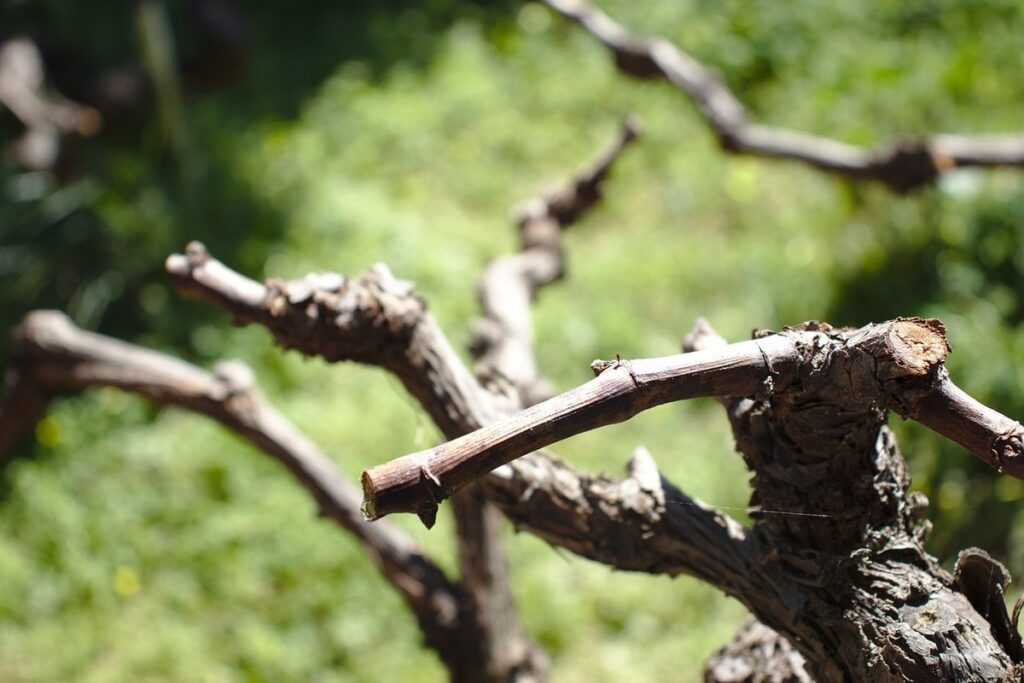
When it comes to grape vine pruning, understanding its importance is crucial for a healthy and productive harvest. This section explores why pruning is a vital part of grape vine maintenance.
Benefits of Regular Pruning
Regular pruning is more than just a necessity for grape vine maintenance; it’s a crucial step towards promoting overall health and productivity. By pruning your grape vines regularly, you’ll be able to encourage fruitfulness, control the spread of disease, and improve the overall structure of your vines.
Pruning helps to promote fruitfulness by allowing sunlight to penetrate deeper into the plant, promoting photosynthesis and encouraging new growth. This results in a more bountiful harvest, with healthier and more vigorous grapes. When pruning is done correctly, it also removes diseased or damaged branches that can compromise the health of the entire vine. By controlling these weak points, you’ll be able to prevent disease from taking hold, reducing the need for pesticides and other chemicals.
In addition to promoting fruitfulness and controlling disease, regular pruning helps to improve the overall structure of your grape vines. This includes shaping the plant to promote even growth, removing crossing branches that can rub against each other and cause damage, and thinning out dense areas to increase air circulation. By maintaining a balanced and open canopy, you’ll be able to reduce stress on the plant, creating an environment conducive to healthy growth and productivity.
Common Reasons for Neglecting Pruning
Many grape growers and vineyard managers neglect pruning due to various reasons. One common mistake is lack of knowledge about the pruning process. Some may not be aware of the correct techniques, timing, or methods for different varieties of grapes. This can lead to poor pruning practices that result in reduced yields and lower quality fruit.
Others may put off pruning due to time constraints. They might think it’s a time-consuming task that takes away from other essential vineyard activities. However, proper pruning is actually a crucial investment that saves time and resources in the long run by promoting healthy growth and reducing disease susceptibility.
Some growers also fear damaging their vines during pruning. This fear can be justified if they lack experience or confidence in their pruning skills. But with practice and guidance, anyone can learn to prune effectively without causing harm to the vines.
Pruning is a skill that requires patience and practice. With the right knowledge and approach, you can overcome these common barriers and develop effective pruning habits for your grapevines.
Pruning Techniques: A Guide to Tools and Methods
Now that you know the basics of grape vine pruning, let’s dive into the essential tools and methods for achieving optimal results in your vineyard. This section covers the key techniques to keep your vines healthy and productive.
Choosing the Right Pruning Tools
When it comes to pruning grape vines, having the right tools for the job is essential. You’ll want to invest in a few key pieces of equipment that will make the process easier and more efficient.
Hand pruners are a must-have for any gardener. They’re perfect for smaller cuts and can be used to trim individual shoots or remove suckers from the base of the vine. Look for high-quality hand pruners with sharp blades and comfortable grips. A good pair will last you for years, so it’s worth investing in a durable brand.
Loppers are another essential tool for grape vine pruning. They’re great for larger cuts and can be used to remove thicker branches or stems. When choosing loppers, consider the length of the handles – longer handles make it easier to reach into tight spaces. Look for loppers with high-quality blades that can withstand regular use.
When maintaining your pruning tools, keep them sharp and clean. Regularly sharpening your hand pruners and loppers will help prevent rust and extend their lifespan. Store them in a dry place when not in use, and consider oiling the blades periodically to keep them running smoothly. With proper care, these tools will become an integral part of your pruning routine, making it easier to shape and maintain your grape vines year after year.
Basic Pruning Cuts
When it comes to grape vine pruning, mastering basic cuts is essential for promoting healthy growth and maximizing yields. The three fundamental cuts involved are heading back, reducing, and thinning.
Heading back involves cutting branches back to a bud or shoot eye, just above a leaf node. This encourages new growth from the cut area and promotes bushy development. For example, when pruning a grape vine, cut a 6-inch stem back by about one-third of its length to encourage lateral shoots. Be sure to make the cut at an angle, so water doesn’t collect on the cut surface.
Reducing involves cutting branches back to the main stem or another strong branch. This technique helps maintain shape and promotes air circulation around the plant. When reducing a long branch, aim for a 45-degree angle cut, just above a leaf node. Thinning removes select branches to improve light penetration and promote even growth.
When performing any of these cuts, it’s essential to use sharp, clean tools to prevent damage to the plant. Remember to disinfect your pruning shears between cuts to prevent disease spread.
Seasonal Pruning Considerations
When pruning a grape vine, it’s essential to consider the seasonal factors that affect growth and productivity. This section will walk you through the key considerations for each time of year.
Winter Pruning: Preparing for Spring Growth
Winter pruning is an essential step in preparing grape vines for spring growth. As the cold winter months approach, it’s a great opportunity to assess and prune your vines, promoting healthy growth and increasing yields come springtime.
Start by removing dead wood, which can harbor disease and pests that can spread quickly through the vine. Inspect each cane carefully, cutting off any branches that are dry, cracked, or completely devoid of life. This will not only prevent potential problems but also help to redirect energy towards more vital areas of the plant.
Next, cut back canes that are overcrowding or competing for space, allowing air and sunlight to reach all parts of the vine. This process encourages new shoots to emerge in the spring, which will eventually produce next year’s fruit. By carefully selecting which canes to remove, you’ll create a balanced structure that sets your vines up for success come spring.
Remember, winter pruning is about more than just cutting back – it’s an art of strategic shaping and renewal.
Summer Pruning: Maintaining Vigor and Promoting Fruiting
Summer pruning is an essential technique for maintaining vigor and promoting fruiting in grape vines. As the name suggests, summer pruning is performed during the active growing season, typically between June and August, depending on your region’s climate. This timing allows you to control shoot growth while also regulating fruit production.
To maintain vigor, focus on removing around 50% of the current year’s shoots, cutting them back to about one-third to one-half of their length. This will encourage the remaining shoots to produce more fruit and direct the vine’s energy towards the existing canes. Be sure to remove any weak or damaged wood, as this will prevent disease and pests from taking hold.
When it comes to controlling fruit production, summer pruning is a crucial step in preventing overproduction, which can lead to reduced yields and poor quality grapes. By selectively removing shoots and bunches, you’ll promote even growth and encourage the vine to focus its energy on ripening existing fruit rather than producing more buds.
By implementing these summer pruning techniques, you’ll not only maintain your grape vine’s vigor but also set it up for optimal fruiting in future seasons. Remember to make clean cuts just above a bud eye, using sharp, sterile tools to minimize the risk of disease transmission. This will ensure your vines remain healthy and productive throughout the growing season.
Timing and Frequency of Pruning
Now that we’ve covered the fundamentals, let’s dive into the specifics of pruning your grape vine, focusing on when to prune and how often. This ensures a healthy and productive plant.
Determining the Best Time to Prune
When it comes to determining the best time to prune grape vines, several factors come into play. Climate and region are two of the most significant influences on when to prune. For example, in cooler climates with a shorter growing season, pruning should be done earlier in the dormant season to ensure the vine has enough time to produce new growth before winter sets in. In warmer climates, pruning can often be done later in the dormant season or even in late winter.
The specific grape variety is also an important consideration when determining the optimal pruning time. For instance, varieties like Chardonnay and Pinot Grigio tend to be more sensitive to cold temperatures and should be pruned earlier in the dormant season. On the other hand, heat-tolerant varieties like Cabernet Sauvignon can often be pruned later.
To determine the best pruning time for your specific area, observe the vine’s natural growth patterns and respond accordingly. Be aware of any local frost advisories or weather alerts that may impact your pruning schedule.
Pruning Frequency: Annual vs. Seasonal Pruning
When it comes to pruning grape vines, determining the frequency of pruning is crucial for optimal growth and yields. Two common approaches are annual versus seasonal pruning schedules, each with its own set of advantages and disadvantages.
Annual pruning involves cutting back the entire vine to a certain point each year, typically in late winter or early spring. This method allows growers to maintain control over the vine’s shape and size, promoting healthy new growth. However, it requires more labor-intensive maintenance and can be stressful for the plant, potentially leading to disease susceptibility.
Seasonal pruning, on the other hand, involves pruning at specific intervals throughout the growing season. For example, removing dead wood in spring, cutting back overgrown sections during summer, and shaping the vine before winter dormancy. This approach encourages natural growth patterns while minimizing stress on the plant. While it may not provide as much control over the vine’s shape, seasonal pruning is often preferred by growers who prioritize low-maintenance methods.
Ultimately, the choice between annual and seasonal pruning depends on factors such as climate, soil quality, and personal preference. Some growers may find that a combination of both approaches works best for their specific situation.
Common Mistakes and Troubleshooting
Don’t let mistakes ruin your grape vine pruning efforts. This section will walk you through common errors to avoid and troubleshooting tips to get your vines back on track.
Recognizing Signs of Over-Pruning or Under-Pruning
When pruning grape vines, it’s easy to go overboard or under-prune. Both scenarios can have detrimental effects on the vine’s health and productivity. Signs of over-pruning include reduced yields, increased susceptibility to disease, and an overall weakened plant.
Over-pruning occurs when too much of the vine is removed, leaving little to no foliage for photosynthesis. This results in a weakened plant that struggles to produce grapes. Conversely, under-pruning fails to promote healthy growth, allowing weak or diseased branches to persist. To recognize these issues, inspect your vines regularly and assess their overall health.
If you suspect over-pruning, reassess your pruning technique, focusing on maintaining the right balance between removing dead wood and preserving fruiting branches. Consider a more gentle approach, cutting only what’s absolutely necessary. Regular monitoring and adjustments will help correct any pruning mistakes, ensuring your vine thrives throughout the growing season.
Addressing Pruning Errors: Repair and Recovery Strategies
If you’ve made mistakes during pruning, don’t worry – it’s an easy fix. The key is to address these errors promptly and take corrective action. For damaged vines, revive them with a rejuvenation cut. This involves cutting the vine back to about 6-12 inches from the ground, promoting new growth from the base. Another technique is to remove any diseased or damaged wood, disinfecting your pruning tools in between cuts.
To correct errors such as uneven growth patterns or missing buds, make targeted cuts to restore balance and promote healthy regrowth. Prune just above an outward-facing bud, allowing it to grow towards the outside of the vine for maximum sunlight exposure. For severely pruned vines, provide support with a trellis or stake until they regain strength.
Remember, timing is crucial – prune your way out of errors as soon as possible during the dormant season. This allows the vine time to recover and grow anew before the next growing season begins.
Advanced Techniques and Variations
Now that you’ve mastered the basics, let’s dive into some advanced techniques and variations to take your grape vine pruning skills to the next level. These expert tips will add a new dimension to your pruning routine.
Top-Working vs. Bottom-Working
When it comes to grape vine pruning, two techniques stand out for their importance and versatility: top-working and bottom-working. While both methods serve distinct purposes, they share a common goal – promoting healthy growth, increasing yields, and enhancing the overall appearance of the vine.
Top-working involves removing lower growth, typically the old canes that have finished producing fruit. This approach allows you to concentrate the plant’s energy on new, productive wood. By eliminating weak or diseased branches, top-working prevents the spread of disease and reduces competition for nutrients among shoots. Regular top-working is essential for maintaining a balanced canopy, ensuring adequate sunlight penetration, and promoting even ripening.
Bottom-working, on the other hand, involves training new canes to grow upwards from the base of the plant. This technique encourages bushy growth, increasing the vine’s surface area and allowing for more extensive fruiting. By directing new shoots towards the top, bottom-working facilitates better air circulation, reducing the risk of disease and pests. To implement this method effectively, prune back the main stem to about 12-18 inches from the ground each year, then tie the new canes to the trellis or stake them securely.
By mastering both top-working and bottom-working techniques, you’ll be well-equipped to tackle any pruning task that comes your way. Remember to always sanitize your tools between cuts and wear protective gear when working with sharp blades. With practice, patience, and attention to detail, you’ll see significant improvements in your vine’s health, productivity, and aesthetic appeal.
Using Pruning to Promote Root Development
When you prune your grape vines, it’s not just about shaping their growth and promoting fruiting. Pruning can also have a profound impact on the health of your vines’ roots. By carefully pruning your grape vines, you can stimulate root development, leading to healthier plants with improved yields.
Pruning encourages new growth by removing excess foliage, which in turn promotes vigorous root expansion. This process is known as “rebalancing” the vine’s energy allocation. When a vine is allowed to grow unchecked, its energy is directed towards producing more and more leaves. However, this can lead to weak roots that are unable to support the plant’s needs.
To promote root development through pruning, focus on removing one-third of the previous season’s wood in early winter or late spring. This encourages the plant to put its energy into developing new roots. Also, make sure to remove any water-stressed branches and thin out the center of the vine to improve air circulation and reduce disease susceptibility.
By adopting this technique, you’ll be rewarded with healthier vines that are better equipped to handle pests, diseases, and environmental stressors. As a result, your grape yields will increase, and you’ll enjoy more bountiful harvests year after year.
Conclusion: Maximizing Your Grape Vine’s Potential
Now that you’ve mastered the basics of grape vine pruning, let’s talk about how to maximize your vine’s potential and ensure it thrives in years to come.
Recap of Key Takeaways
As you’ve reached the end of this comprehensive guide to grape vine pruning basics, it’s essential to recap the key takeaways. Proper pruning techniques are crucial for optimal grape production, and with these essential points in mind, you’ll be well on your way to maximizing your grape vine’s potential.
Remember that pruning is not just about cutting off unwanted growth; it’s an art of balance and precision. You should aim to remove 25-50% of the previous year’s wood to promote healthy new growth and encourage fruiting branches. Make sure to prune during the dormant season, typically between late winter and early spring, to minimize stress on the vine.
Identify and preserve the strongest canes, which will serve as the foundation for next year’s fruit production. Remove any dead, diseased, or damaged wood to prevent the spread of disease and encourage healthy growth. By following these guidelines and taking a thoughtful approach to pruning, you’ll be able to optimize your grape vine’s productivity and enjoy a bountiful harvest season after season.
Final Thoughts and Recommendations
As you conclude this comprehensive guide to grape vine pruning basics, we hope that you’ve gained valuable insights into the importance of proper pruning techniques. To maximize your grape vine’s potential, it’s essential to adopt a regular pruning schedule and make these principles an integral part of your vineyard management practices.
Start by setting aside time each season for thorough pruning sessions. Break down this task into manageable chunks, such as deadheading, cutting back canes, and shaping the framework. Schedule these tasks according to your specific climate and grape variety requirements. For instance, in cooler climates, late winter or early spring is a suitable time for major pruning.
Consider implementing a combination of mechanical and manual pruning tools to streamline this process. Invest in high-quality pruning shears and loppers that can handle thicker branches with ease. Regular maintenance will lead to improved yields, enhanced fruit quality, and increased overall vine health. Remember, pruning is not just about removing unwanted growth – it’s also an opportunity to nurture your vines’ potential and promote optimal performance.
Frequently Asked Questions
How often should I prune my grape vines if they are already established but not yet productive?
Pruning frequency for established, non-productive grape vines varies depending on factors like climate and soil quality. As a general rule of thumb, prune these vines annually to promote healthy growth and encourage productivity. Prune in late winter or early spring when the plant is dormant, removing about 1/3 to 1/2 of the previous year’s wood.
Can I use hand pruners for larger grape vines, or do I need specialized pruning shears?
While hand pruners can be useful for smaller vines, they may not be effective for larger ones. For bigger grape vines, you’ll want to invest in high-quality pruning loppers or a pair of long-handled loppers with sharp blades that can cut thicker stems.
How do I know if I’ve over-pruned my grape vine?
Recognizing signs of over-pruning is crucial. If your plant appears stressed, has reduced foliage, or shows signs of disease, you may have removed too much wood. Conversely, under-pruning can lead to an overgrowth that’s more susceptible to disease. Monitor your vines’ response and adjust pruning frequency accordingly.
Can I prune my grape vine during the growing season, or is it strictly a winter activity?
While most pruning should be done in late winter or early spring when the plant is dormant, there are specific scenarios where summer pruning might be beneficial. For example, if you need to control an over-vigorous vine or promote fruiting, summer pruning can be effective.
What’s the best way to store my pruning tools after use?
To maintain tool longevity and prevent rust, clean your pruning shears, loppers, or pruners immediately after use with soap and water. Dry them thoroughly before storing in a dry place away from direct sunlight. Apply a thin layer of oil to keep blades lubricated and protected during storage.