
Grape vine pruning and training might not be the most glamorous tasks in your vineyard or backyard, but they’re absolutely essential for boosting yields, enhancing fruit quality, and preventing disease susceptibility. As any grape grower knows, proper pruning techniques can make all the difference between a bountiful harvest and a disappointing one.
In this comprehensive guide, we’ll walk you through the must-know techniques of grape vine pruning and training. You’ll learn how to shape your vines for maximum sunlight exposure, promote healthy growth, and encourage a strong fruit set. From basic pruning principles to more advanced training methods, we’ll cover it all. Whether you’re a seasoned viticulturist or just starting out, this article will equip you with the knowledge to take your grape growing skills to the next level.
Understanding the Importance of Pruning and Training
Understanding the importance of pruning and training is crucial for a healthy and productive grapevine, and it’s an essential step to take before you begin.
Pruning and training help your grapevine grow strong, robust vines that are better equipped to produce high-quality grapes year after year.
Why Prune and Train Your Grape Vines?
Pruning and training grape vines is an essential practice that benefits your vineyard in numerous ways. By pruning and training your grape vines, you can significantly improve yields, enhance fruit quality, and reduce the susceptibility to diseases.
When a grapevine is allowed to grow unmanaged, it can become unruly, producing less fruit and more leaves. Pruning helps control its growth, directing the energy towards fruit production rather than vegetative growth. This controlled growth leads to improved yields, as the vineyard owner can focus on promoting healthy canes that will produce more grapes.
In addition to increased yields, pruning and training also improve fruit quality by removing diseased or damaged wood, which can harbor diseases and reduce the overall health of the vine. A well-managed grapevine is better equipped to withstand disease pressures, reducing the need for fungicides and other treatments.
By implementing these practices, you’ll be able to enjoy a healthier, more productive vineyard with reduced maintenance requirements.
Types of Pruning and Training Methods
When it comes to pruning and training grape vines, there are several techniques you can use to optimize their growth and productivity. One popular method is espalier, which involves training the vine to grow against a wall or other support. This technique not only helps to keep the vine compact but also makes the most of available space. To set up an espalier system, start by planting the vine at a 45-degree angle, then gently weave it onto the support using wire or string.
Another common method is trellising, which uses vertical supports to train the vine’s growth upwards. This technique allows for easy access to the fruit and makes harvesting simpler. A good example of trellising in action is the use of a stake-and-tie system, where the vine is tied to a series of stakes that are spaced at regular intervals.
Cordon systems, on the other hand, involve training the vine’s growth along a horizontal branch or “cord.” This technique allows for easy harvesting and can be particularly useful for growers with limited space. To set up a cordon system, start by pruning the vine back to two or three buds from the base, then gently weaving it onto a series of horizontal wires.
Pre-Pruning Evaluation and Preparation
Before you start pruning, it’s essential to evaluate your grape vine’s condition and make any necessary adjustments to ensure a healthy and productive season. Take stock of your vine’s growth patterns and prune accordingly.
Assessing Your Vine’s Health
Before you begin pruning, it’s essential to assess your vine’s overall health. This step will help you identify potential issues that may impact the vine’s recovery after pruning. Start by inspecting the leaves and stems for signs of disease or pests.
Look out for yellowing or wilted leaves, which can indicate nutrient deficiencies, drought stress, or fungal diseases like powdery mildew. Check for black spots or sores on the leaves or stems, which may be a sign of bacterial spot or anthracnose. Keep an eye out for aphids, spider mites, and mealybugs, which can suck sap from the plant.
Check the soil pH and nutrient levels to ensure your vine is getting the right balance of nutrients. If you notice any deficiencies, take steps to address them before pruning. This may involve applying fertilizers or adjusting your irrigation schedule.
Some common signs of nutrient deficiency include:
* Yellowing leaves with green veins (nitrogen deficiency)
* Leaves with purple or reddish tint (magnesium or iron deficiency)
* Leaf curl or distortion (potassium deficiency)
By identifying and addressing these issues before pruning, you’ll give your vine the best chance to thrive after pruning.
Tools and Equipment Needed for Pruning
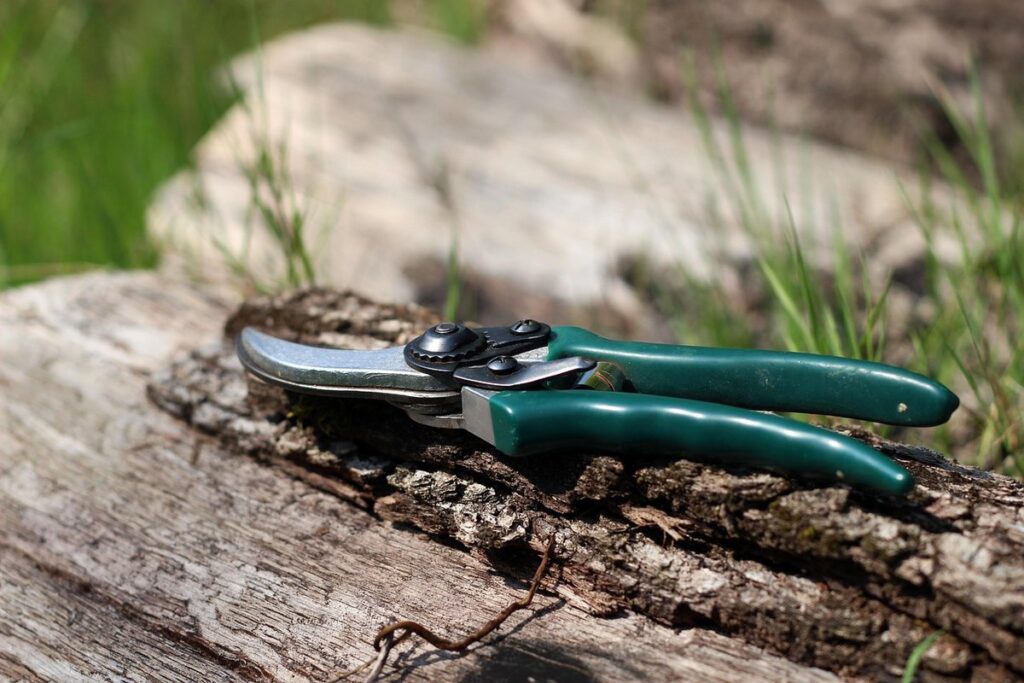
When it comes to pruning grape vines effectively, having the right tools and equipment is essential. Start by investing in a good pair of pruning shears. These are ideal for making precise cuts on smaller branches and can be used for detailed work such as removing weak growth or thinning out interior shoots.
For thicker branches, loppers come in handy. Look for ones with long handles to increase leverage and reduce fatigue during extended use. It’s also a good idea to have gloves on hand – they protect your hands from thorns and make it easier to grip tools when working with wet or slippery wood.
Don’t forget about safety: pruning shears, loppers, and gloves are all necessary but so too is a sturdy pair of gardening knee pads. These will help prevent strain and fatigue in the knees during long pruning sessions. With your gear ready to go, you’ll be well-equipped to tackle any job that comes up, from shaping the overall canopy to making more detailed cuts on individual branches.
Pruning Techniques and Best Practices
Proper pruning techniques are essential for a healthy grape vine, and understanding best practices will help you achieve your desired shape and promote fruit production. We’ll walk you through key methods to master.
Removing Dead, Diseased, or Damaged Wood
When pruning your grape vine, it’s essential to remove dead, diseased, or damaged wood to promote healthy growth and prevent disease spread. This process is known as “sanitation pruning.” Start by inspecting the vine for signs of decay, such as soft, mushy areas or visible fungal growth.
To safely remove dead, diseased, or damaged wood:
* Use clean, sharp pruning tools to avoid spreading disease.
* Cut at a 45-degree angle just above a bud eye (the small swelling on the stem from which new growth emerges).
* Remove any infected tissue, making sure to disinfect your tools between cuts.
For example, if you notice a section of vine with visible fungal growth or discoloration, cut it back to about an inch below the affected area. This will help prevent the disease from spreading and promote new growth in that area. Remember to regularly inspect your vines for signs of decay and remove any infected wood as soon as possible.
Shaping the Vine for Optimal Growth
When shaping your grapevine for optimal growth, it’s essential to focus on creating a balanced and structurally sound plant. One of the primary goals is to cut back canes to control vigor and promote even fruiting. Cut canes are those that have produced this year’s fruit, so cutting them back about two-thirds will encourage next year’s production while preventing over-production.
Additionally, remove any crossing branches, which can cause damage to the plant by rubbing against each other or creating wounds that are susceptible to disease. Inspect your vine regularly and remove any branches that appear damaged, diseased, or dead. This will help maintain a healthy environment for growth and prevent pests from taking hold.
By focusing on cutting back canes and removing crossing branches, you’ll be able to promote a balanced growth pattern, reduce the risk of disease, and create an optimal structure for your grapevine to thrive. Remember to inspect your vine regularly throughout the growing season to ensure that it remains healthy and well-maintained. Regular pruning will also help you detect any potential issues before they become serious problems.
Training Systems and Methods
When it comes to training your grape vines, understanding different systems and methods is crucial for optimal growth and yield. Let’s explore some of the most popular techniques used by experienced vintners and growers.
Espalier and Trellising Techniques
When it comes to training grape vines, espalier and trellising techniques are two of the most popular methods used by growers. The goal of these systems is to provide support for the vines as they grow, while also encouraging horizontal growth patterns that promote healthy fruit production.
To start, you’ll need to install a sturdy support system, such as a trellis or espalier wall. This can be made from materials like wood, metal, or even recycled plastic. The key is to choose a system that will provide adequate support for the weight of the vines and any potential fruit load.
Once your supports are in place, it’s time to train your vines to grow along them. Begin by gently tying the main stem to the support using soft ties or clips. As the vine grows, continue to prune and train the shoots to follow the structure of the trellis or espalier wall. This will encourage a balanced, even growth pattern that promotes fruit production.
By following these simple steps, you can create an efficient and productive grape vine training system that sets your vines up for success.
Cordon Systems and Other Training Methods
In addition to espalier and trellising, cordon systems are another popular method of training grape vines. This system involves pruning the vine to a single branch, which is then trained along a wire or stake. Cordon systems can be used on their own or in conjunction with other methods, depending on the specific needs of your vineyard.
One advantage of cordon systems is that they allow for easy harvesting and maintenance. With the vines pruned to a manageable height, it’s simple to access the fruit without having to climb ladders or navigate complex trellis systems. Cordon systems also promote even growth and fruit production, making them ideal for high-yielding varieties.
If you’re looking to incorporate cordon systems into your vineyard, start by selecting suitable grape varieties that thrive under this type of training. Next, install a series of wires or stakes at the desired height, allowing for adequate spacing between each plant. Prune your vines in late winter or early spring, cutting back canes to two or three buds to promote healthy growth and encourage fruiting wood to develop.
Post-Pruning Care and Maintenance
After pruning your grape vines, it’s essential to provide them with proper care and maintenance to promote healthy growth and maximize yields. This includes tasks such as watering, fertilizing, and monitoring for pests and diseases.
Mulching and Watering After Pruning
After pruning your grapevine, it’s essential to provide optimal care for healthy growth and disease prevention. Mulching plays a crucial role in maintaining soil moisture, suppressing weeds, and regulating soil temperature.
To mulch effectively, apply a 2-3 inch layer of organic material such as wood chips, bark, or straw around the base of the vine. Keep the mulch a few inches away from the plant’s stem to prevent moisture accumulation. This will help prevent root rot and other diseases that thrive in damp environments.
Watering is also critical during this period. Avoid overhead irrigation, which can lead to fungal diseases like powdery mildew. Instead, use soaker hoses or drip irrigation systems to deliver water directly to the roots, reducing evaporation and runoff. Water your grapevine deeply but infrequently to encourage deep root growth and make it more resistant to drought.
Monitor your vine’s response to these post-pruning care techniques, adjusting as necessary to ensure optimal health and growth. Regularly inspect the mulch layer for signs of moisture accumulation or pest activity, making adjustments accordingly.
Monitoring for Pests and Diseases
Monitoring for pests and diseases is crucial after pruning to ensure your grape vines remain healthy. As new growth emerges, inspect your vines regularly for signs of infestation or infection. Look out for unusual growth patterns, discolored leaves, or actual pests like aphids, spider mites, or mealybugs. These can be difficult to manage if left unchecked.
To monitor effectively, consider the following:
* Inspect your vines at least once a week during the growing season
* Check for any yellowing or browning of leaves, which can indicate nutrient deficiencies or disease
* Look for white powdery patches on leaves, which may be mealybug infestations
* Keep an eye out for curled or distorted leaves, indicating pest or disease issues
If you notice any signs of pests or diseases, take action promptly. For minor infestations, try spraying your vines with a mixture of soap and water or neem oil to deter the problem. However, if the issue is more severe, consider consulting a local nursery or expert for guidance on specific treatments and prevention methods.
In addition to regular inspections, maintain good hygiene practices like removing weeds, pruning infected areas, and disposing of debris to prevent disease from spreading.
Common Challenges and Troubleshooting
As you work on pruning and training your grape vine, unexpected problems can arise. This section addresses common issues and provides practical troubleshooting tips to get your vines back on track.
Identifying and Addressing Pruning-Related Issues
As you prune your grape vines, it’s not uncommon to encounter some challenges that can impact their performance and health. One of the most critical issues is reduced yields, which can be caused by over-pruning or pruning at the wrong time. To avoid this, make sure to prune your vines during their dormant season, typically between December and February. This allows you to remove any dead or diseased wood without stressing the plant.
Another common problem is poor fruit quality, often resulting from inadequate sunlight penetration due to excessive canopy growth. To address this, maintain a balanced pruning schedule that balances fruiting with shoot development. For instance, prune one-third of the previous season’s growth each winter to encourage vigorous new growth and promote air circulation around the fruit clusters.
Increased disease susceptibility is also a concern if you’ve pruned too aggressively or left open wounds on the vines. To minimize this risk, disinfect your pruning tools between cuts, and make clean, angled cuts just above a bud eye (the small swelling on the stem from which new growth emerges). By being mindful of these potential issues and taking preventative measures, you can enjoy healthy, productive grape vines for years to come.
Reviving Overgrown or Neglected Vines
Reviving overgrown or neglected grape vines requires patience, dedication, and the right techniques. If left unattended, these vines can become tangled, woody, and unproductive. The first step is to assess the vine’s condition and identify areas that need attention.
Begin by removing any dead, diseased, or damaged wood using pruning shears or loppers. Cut back overgrown shoots to about 6-8 inches from the main trunk, making clean cuts just above a bud eye. This will help redirect the plant’s energy towards healthy growth.
Next, inspect the vine’s structure and remove any crossing or rubbing branches. Use a saw or pruning saw for thicker branches, cutting at a 45-degree angle to promote water runoff. Once you’ve pruned back the overgrowth, train the new shoots along a trellis or arbor using twine or wire. This will help control the vine’s growth and encourage even fruiting.
With regular maintenance and care, your revived grape vines can thrive once again, producing healthy grapes in no time.
Frequently Asked Questions
Can I prune my grape vines during the winter months when they’re dormant?
Yes, pruning during dormancy is a great time to shape your vines for optimal growth. Pruning while your vines are dormant helps prevent disease and promotes healthy new growth come springtime.
How often should I inspect my grape vines after pruning for signs of pests or diseases?
Regular inspections are crucial after pruning. We recommend checking on your vines every 1-2 weeks, especially during the first growing season after pruning. Keep an eye out for unusual growth patterns, discoloration, and any signs of infestation.
What’s the best way to deal with overgrown or neglected grape vines?
Reviving overgrown or neglected vines requires patience and attention to detail. Start by clearing away dead and diseased wood, then begin shaping the vine for optimal growth. Prune back long canes to encourage new growth, and train the remaining branches onto a trellis or espalier.
How do I know if my grape vines are receiving sufficient sunlight?
Sunlight exposure is crucial for healthy fruit production. Check your vine’s sun pattern by observing how it responds to different light conditions throughout the day. If necessary, adjust the training system or prune nearby foliage to optimize sunlight exposure.
Can I use a single pruning tool for both hand-pruning and power pruning tasks?
While some tools can be used for both methods, it’s generally recommended to have separate tools for each task. Using a dedicated tool for power pruning helps prevent damage from vibrating blades, while hand-pruning requires more finesse and typically employs smaller, handheld tools.