
Grape growing can be a rewarding experience for anyone who enjoys working with their hands and nurturing living things. But, like any other plant, grapes need regular maintenance to stay healthy and produce well. This is where pruning comes in – it’s an essential technique that helps control the growth of your vines, promotes healthier branches, and ultimately leads to better yields.
If you’re new to grape growing or want to improve your existing methods, understanding the basics of grape pruning is crucial. In this article, we’ll cover the essential techniques and benefits of pruning grapes, from its purpose and importance to more advanced training methods. We’ll explore how pruning can help prevent disease, encourage fruiting, and even increase the overall quality of your grapes. By the end of it, you should have a solid understanding of how to prune your grapevines effectively, leading to healthier vines and better harvests.
What is Grape Pruning and Why is it Important
Grape pruning is a crucial process for grape growers, allowing them to control vine growth and promote healthy yields. Let’s explore what it entails and why it’s essential for your vines’ success.
Understanding the Purpose of Pruning
Pruning grapes is an essential practice that has been passed down through generations of vintners and farmers. At its core, pruning is about promoting healthy growth, maximizing yields, and enhancing the overall quality of the grape crop. By carefully selecting which shoots to retain or remove, you can control the size and shape of your vines, allowing for better air circulation, sunlight penetration, and pest/disease resistance.
Pruning also plays a critical role in regulating the fruiting patterns of your grapevines. By removing weak or overcrowded growth, you’re encouraging the remaining shoots to produce more fruiting wood, leading to increased yields and healthier berries. Furthermore, pruning helps to maintain the structural integrity of your vineyard by preventing damage from heavy crops and reducing the risk of branch breakage during harsh weather conditions.
Ultimately, proper pruning techniques are key to unlocking a bountiful harvest of high-quality grapes that will translate into exceptional wine or other grape-based products.
The Benefits of Regular Pruning
Regular pruning is an essential practice for grape growers as it offers numerous benefits that can improve vine health, increase yields, and enhance overall quality. By removing dead, diseased, or damaged wood, you allow air to circulate more freely around the fruiting wood, reducing the risk of fungal diseases and pests.
Pruning also promotes a balanced canopy structure, enabling sunlight to reach the fruiting zones uniformly. This not only accelerates ripening but also reduces the likelihood of sunburn damage. Furthermore, pruning helps control vine vigor by directing energy towards the fruit-bearing areas, leading to higher yields. In fact, studies have shown that well-pruned vines can produce up to 20% more grapes than those left unpruned.
To reap these benefits, it’s crucial to prune your grapevines regularly, ideally during the dormant season when they are less susceptible to disease. Use sharp, sterile pruning tools and follow a systematic approach, removing about one-third of the previous year’s growth. This will not only improve air circulation but also encourage new growth, resulting in healthier, more productive vines.
Common Misconceptions About Grape Pruning
When it comes to grape pruning, there are several common misconceptions that can lead to confusion and affect the overall health of the vineyard. One of the most prevalent myths is that pruning grapes is a waste of time, as the vines will simply grow back uncontrolled. However, this couldn’t be further from the truth. Pruning is essential for maintaining a healthy balance between vegetative growth and fruit production.
Another misconception is that pruning should only be done during the dormant season. While it’s true that winter pruning can help prevent disease and promote better air circulation, pruning can also be done at other times of the year to control pests and diseases, as well as to promote new growth. For example, summer pruning can help control leaf diseases such as powdery mildew by reducing moisture levels on the leaves.
It’s also common for growers to think that all grape varieties require the same level of pruning. However, this is not the case. Different varieties have unique pruning requirements, and failing to prune according to these needs can result in reduced yields and lower quality fruit. By understanding the specific pruning needs of your vineyard, you can optimize your approach and reap the benefits of regular pruning.
Choosing the Right Tools for Pruning
When it comes to pruning your grapevines, having the right tools can make all the difference – let’s talk about what you need in your toolkit.
Overview of Essential Pruning Tools
When it comes to grape pruning, having the right tools for the job is essential. A good set of pruning tools can make all the difference between a successful harvest and a disappointing one. As a gardener, you’ll need to invest in some basic tools that will help you tackle even the toughest pruning tasks.
First and foremost, you’ll want to get your hands on a pair of loppers. Loppers are long-handled pruners with sharp blades that can cut through thicker stems with ease. They’re perfect for pruning thick branches and vines, and they’re often used for more aggressive pruning techniques like tip pruning.
Next up, you’ll need a good pruning saw. Pruning saws are designed specifically for cutting thicker wood, and they come in handy when you need to prune larger branches or deal with stubborn suckers. Look for a saw with a curved blade that can be used on either the pull stroke or push stroke – this will give you more control over your cuts.
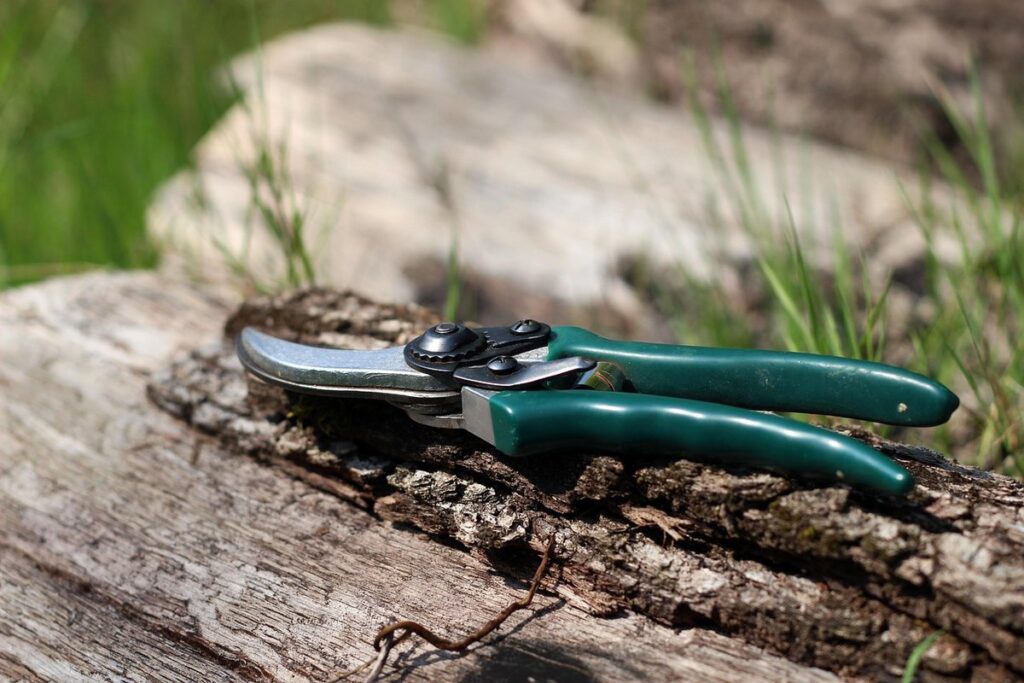
For finer pruning tasks, nothing beats a good pair of shears. Hand pruners are ideal for snipping small twigs and branches, and they’re perfect for delicate work like shaping the tips of new shoots.
Blade Types and Their Uses
When it comes to pruning grapevines, having the right blade is crucial for efficient and effective cutting. Fortunately, there are several types of blades available that cater to different needs and preferences. Straight blades are ideal for larger cuts and are often used for removing branches or cutting back entire sections of the vine. They work well on thicker wood and are typically less expensive than curved blades.
Curved blades, on the other hand, are perfect for making precise cuts in tight spaces and are commonly used for shaping and maintaining the overall structure of the vine. Their curved shape allows for more control and maneuverability, making them ideal for delicate pruning tasks.
Bypass blades, with their scissor-like action, offer a clean cut and are gentler on the plant. They’re perfect for making precise cuts in thin branches and are often used for finishing touches after other pruning has been done. When choosing a blade, consider the size of your vine, the type of cuts you’ll be making, and your personal preference for handling and control.
Tool Maintenance and Sanitation
Proper tool maintenance and sanitation are crucial when it comes to grape pruning. Failing to maintain and sanitize your tools can lead to the transmission of diseases between plants, ultimately affecting their health and yield.
To prevent this, make sure to clean your tools after each use with soap and water. A soft-bristled brush can help remove any debris or sap that may be stuck on the blades. For more stubborn stains, a mixture of baking soda and water can be used as an effective cleaning agent.
It’s also essential to store your tools in a dry place to prevent rust and bacterial growth. Regularly inspecting your tools for signs of damage or wear can help you catch any potential issues before they become major problems.
In addition to cleaning, consider dedicating a specific tool set for pruning, and make sure to disinfect these tools between each use. This will minimize the risk of disease transmission and ensure that your grapevines receive clean cuts, promoting healthy growth and development.
Pre-Pruning Preparation
Before you start pruning, it’s essential to prepare your grapevines by checking for any damage or issues that could affect their health and productivity. This includes inspecting tools and equipment as well.
Assessing Your Vineyard or Garden
Before you start pruning, it’s essential to assess your vineyard or garden. This involves evaluating three critical factors: soil, climate, and existing plant health. Start by inspecting the soil condition. Check for signs of nutrient deficiencies, drainage issues, or compaction. You can do a simple pH test to determine if your soil is acidic, alkaline, or neutral. A pH between 5.5 and 6.5 is ideal for most grape varieties.
Next, consider the climate in your region. Grapevines are sensitive to extreme temperatures, wind, and sun exposure. Determine how much sunlight and rainfall your vineyard receives each season. This information will help you choose the right pruning technique for your specific climate.
Observe your existing plant health by looking for signs of disease, pests, or nutrient deficiencies. Prune only healthy canes, as diseased wood can spread infection to other parts of the vine. Take note of the overall vigor and growth pattern of your vines. This will guide your pruning decisions to promote balanced growth and productivity. By evaluating these factors, you’ll be better equipped to make informed pruning choices that benefit your grapevines.
Removing Dead, Diseased, or Damaged Wood
When preparing to prune your grapevine, it’s essential to identify and remove dead, diseased, or damaged wood. This may seem like a straightforward task, but it requires attention to detail to ensure the health and productivity of your vine.
Start by examining the structure of your vine, looking for any signs of decay, disease, or physical damage. Dead wood is typically brittle and will break easily when bent; diseased wood often appears discolored or covered in fungal growths. Damaged wood can be identified by splits, cracks, or other visible signs of trauma.
Remove any dead, diseased, or damaged wood to prevent the spread of disease and promote healthy growth. Cut these sections at a 45-degree angle, just above a bud or lateral eye (the small stem that grows from the main vine). Make clean cuts using sharp pruning tools, and disinfect your equipment between each cut to prevent the spread of disease.
By removing dead, diseased, or damaged wood, you’ll create an environment conducive to healthy growth and maximize the potential of your grapevine. This is a crucial step in maintaining a productive and thriving vine, setting the stage for successful pruning and optimal fruit production.
Preparing for Pruning Season
As we approach pruning season, it’s essential to prepare yourself and your vineyard for the task ahead. Start by scheduling a specific time frame for pruning, ideally before new growth begins in early spring. This will give you ample time to plan and gather necessary resources without feeling rushed.
Begin by reviewing last year’s pruning records to identify areas that need improvement or attention. Consider factors like yield, quality, and pest management when planning your pruning strategy. Make a list of the tools and equipment needed for the season, including loppers, pruning shears, and gloves.
In addition to physical resources, also prepare yourself mentally by studying up on best practices and consulting with experienced vineyard managers or mentors. Review industry publications, online forums, and attend workshops or conferences to stay current on new techniques and methods.
By taking a proactive approach to preparing for pruning season, you’ll set your vineyard up for success and ensure a high-quality harvest. Remember, preparation is key to achieving optimal yields and maintaining healthy vines.
Basic Pruning Techniques
Let’s dive into some essential techniques that will help you prune your grapevines like a pro, starting with how to cut and shape different parts of the plant.
Identifying the Right Time to Prune
Identifying the right time to prune grapevines is crucial for their optimal growth and productivity. Climate, location, and growth stage are key factors to consider when deciding when to prune. In general, pruning should be done during the dormant season, typically from late winter to early spring, before new growth begins.
For regions with a mild climate, like California or Mediterranean countries, you can prune your grapevines in late winter or early spring, around February or March. However, if you’re located in areas with harsh winters, such as in the northeastern United States or northern Europe, it’s best to wait until budbreak occurs.
Another factor to consider is the growth stage of your vineyard. For young vines (less than 2 years old), pruning can be done at any time during the growing season, provided there’s adequate moisture and sunlight. Mature vines, on the other hand, require a more precise approach to ensure minimal disruption to their established root system.
Selecting the Correct Cut
When it comes to pruning grapes, selecting the correct cut is crucial for promoting healthy growth and optimal yields. One of the most common decisions you’ll need to make when pruning is whether to leave a small stub or no stub at all.
For shoots that are being removed entirely, cutting them off as close to the trunk or main stem as possible is usually best. This helps prevent disease from entering the plant through the wound and also reduces the risk of suckers growing back. However, if you’re leaving a shoot in place but shortening it, a small stub (about 1-2 inches long) can be left to help guide new growth.
When making cuts, consider the direction of the wood grain and always make clean, angled cuts using sharp pruning tools. Cutting too far away from the trunk or main stem can cause unnecessary stress on the plant and potentially lead to more harm than good.
Thinning and Reducing
Thinning and reducing grapevines is an essential part of pruning, as it helps control vigor, promotes air circulation, and enhances fruit quality. To thin a vine, remove every other cord or spur to allow sunlight to reach the remaining shoots. This process not only reduces the density of the canopy but also directs energy towards the remaining fruiting wood.
When reducing a grapevine, consider cutting back one-third to one-half of the current season’s growth to maintain balance and promote air circulation. Remove any weak or damaged shoots, as well as those that are rubbing against each other. This will help prevent disease and pest issues while allowing healthy growth to thrive.
Regular thinning and reduction also encourages a balanced canopy structure by distributing sunlight evenly throughout the vine. This results in better fruit quality, increased yields, and reduced susceptibility to disease. Remember to prune during the dormant season or early spring when vines are still relatively small and easy to manage.
Advanced Pruning Techniques
Now that you’ve mastered the basics of grape pruning, it’s time to take your skills to the next level with advanced techniques that’ll optimize your vineyard’s yields and quality. We’ll dive into the finer points of pruning.
Espalier Training
Espalier training is an excellent method for growing grapes in small spaces or on trellises. This technique involves pruning and training the vines to grow along a support system, such as a wall or a trellis. By controlling the growth of the vines, you can maximize space and promote healthy fruiting.
To espalier train your grapevines, start by selecting a suitable variety that is compact in growth habit and has a moderate to high yield potential. Next, choose a sturdy support system that will provide the necessary structure for the vines to grow along. Install the trellis or wall-mounted support system at least 6-8 feet tall to allow for easy access and maintenance.
When pruning your espalier-trained grapevines, focus on maintaining a balanced and open canopy. Remove any weak or damaged growth, and prune back long shoots to encourage branching and fruiting. Train the vines along the support system using twine or clips, making sure to leave enough space between each vine for air circulation and sunlight penetration.
Regular maintenance is essential to ensure the health and productivity of your espalier-trained grapevines. Check and adjust the trellis or support system as needed, and prune regularly throughout the growing season to promote healthy growth and fruiting.
Top-Cleft Pruning
When dealing with old vines, it’s essential to adopt pruning techniques that balance structural integrity with new growth promotion. One such technique is top-cleft pruning, which involves removing the main trunk of the vine while preserving the lateral branches. This approach helps maintain a strong framework for the vine while encouraging vigorous shoots from the remaining laterals.
To execute top-cleft pruning effectively, identify the most prominent trunk and cut it off about 1-2 feet above the first bud eye. Be cautious not to damage any nearby wires or other trellis components during this process. Next, select two of the strongest lateral branches, positioning them to receive maximum sunlight exposure. Trim these selected branches back by about one-third to encourage a balanced new growth pattern.
By implementing top-cleft pruning, you’ll create an optimal environment for your old vines to thrive while minimizing the risk of structural failure. Regular monitoring and adjustments will be necessary as new shoots emerge and mature, but with proper care, this technique can greatly extend the lifespan of your trellised grapevines.
Other Specialized Methods
When it comes to advanced pruning techniques for grapevines, two specialized methods stand out: cordon systems and rod-and-spur systems. These systems are designed to maximize yields while maintaining the vine’s overall health.
A cordon system involves training the vine to grow along a horizontal trellis or wire, with fruiting canes trained to grow down from the top of the wire. This method allows for easy access to the entire canopy and facilitates precise pruning techniques. For example, by pruning the fruiting canes close to the wire, you can direct the energy towards new growth, promoting a balanced vine.
The rod-and-spur system takes a different approach, with vertical rods supporting horizontal spurs that bear the fruiting wood. This method allows for even more control over pruning and training, as each spur can be pruned independently of the others. To implement this system successfully, make sure to prune the spurs back to two or three buds after harvest, and then thin them further in the following year.
By mastering these specialized methods, you’ll not only improve your grapevine’s yield but also its overall structure and resilience.
Post-Pruning Care
Now that you’ve pruned your grapevines, it’s essential to focus on their post-pruning care, which will help promote healthy growth and fruit production in the coming season. Proper care after pruning is crucial for a successful harvest.
Re-Multiplying Cuttings
Re-multiplying cuttings from pruned grapevines is a simple and effective way to propagate new plants. This process involves using the cuttings taken during pruning to create new vines, reducing the need for nursery-bought saplings. To start, select healthy, disease-free cuttings with at least two nodes (the joint where a leaf meets the stem). Cut these sections from 6-8 inches long and remove lower leaves, leaving only two or three sets of leaves at the top.
Next, prepare a rooting medium by mixing peat moss and perlite in equal parts. Dip the cut ends into a rooting hormone powder to stimulate growth, then plant the cuttings about an inch deep in the prepared medium. Keep the soil consistently moist but not waterlogged, as this can lead to root rot. After 2-3 weeks, inspect the cuttings for signs of new growth – if they’re successful, you’ll see white roots emerging from the nodes. Once established, these new vines will require regular pruning and care, just like mature plants. With proper attention, you should have a thriving new grapevine within a few months.
Fertilization and Irrigation
After pruning, fertilizing and irrigating your grapevines is crucial for their recovery and future growth. Pruning has removed a significant amount of foliage, which can stress the plant if it’s not supported with adequate nutrients.
When selecting fertilizers, look for products specifically formulated for fruiting vines like grapes. These fertilizers will provide the necessary nitrogen, phosphorus, and potassium (NPK) ratios that promote healthy growth and fruit production. A general-purpose fertilizer may contain too much nitrogen, which can encourage leaf growth at the expense of fruit development.
For irrigation management, it’s essential to maintain consistent moisture levels in the soil without overwatering. Grapevines prefer about 20-25 inches of rainfall or irrigation per growing season. Aim to provide around 1 inch of water every week during the active growing period. Mulching around the base of the plants can also help retain soil moisture and regulate soil temperature.
Keep in mind that different grape varieties have unique watering needs, so research the specific requirements for your cultivar. Regular monitoring of soil moisture and adjusting irrigation schedules accordingly will help prevent overwatering, which can lead to disease issues.
Frequently Asked Questions
What if I’m new to grape growing and feel overwhelmed by the pruning process?
Don’t be discouraged! Pruning grapes is a skill that takes time to develop, but with practice, you’ll become more comfortable. Start by observing how your vines grow and identify areas where pruning can help control growth and promote healthy yields. Consult online resources or seek guidance from experienced grape growers to learn basic techniques.
Can I prune my grapevines at any time of the year?
No, it’s essential to prune your grapevines during their dormant season (winter or early spring) in most regions. Pruning during active growth can cause stress to the vines and lead to disease issues. Research specific pruning schedules for your climate and region to ensure you’re timing it correctly.
How do I prevent diseases when pruning, especially with tools that may have been used on diseased wood?
To prevent spreading diseases through pruning tools, make sure to sanitize them regularly. Use a mixture of 1 part bleach to 9 parts water to soak the blades for at least 10 minutes between cuts. Wipe down all tools with a disinfectant before storing them after each use.
What if I accidentally cut into a healthy area or miss a crucial branch?
Don’t panic! Mistakes happen, and it’s not the end of the world. Inspect your vines carefully to assess any damage. If necessary, make small cuts to repair the issue, but prioritize maintaining the overall health and structure of your vine.
Are there any long-term benefits to regular pruning that I should be aware of?
Yes! Regular pruning can lead to healthier vines with better yields over time. By promoting air circulation, reducing disease susceptibility, and encouraging new growth, you’ll enjoy a more productive and resilient grape crop in the long run.