
Gorse plants are notorious for their ability to outcompete native vegetation and take over entire landscapes. If you’re dealing with an invasive gorse infestation, you know how difficult it can be to control their spread. Effective eradication is crucial not only for maintaining ecosystem balance but also for preserving biodiversity. In this article, we’ll explore a comprehensive approach to controlling gorse plant invasions. We’ll delve into traditional methods of removal, such as cutting and burning, as well as integrated pest management strategies that combine mechanical, cultural, and chemical controls. You’ll also learn about best practices for eradication, including how to prevent re-growth and prevent the spread of gorse to adjacent areas. By the end of this article, you’ll have a solid understanding of how to tackle gorse plant invasions and restore your land to its former glory.
Understanding Gorse Plants
Gorse plants can be a nuisance, but first it’s essential to understand what they are and how they behave. This will help you tackle their invasive tendencies more effectively.
What are Gorse Plants?
Gorse plants are one of the most recognizable and resilient invasive species found globally. Native to Europe, these evergreen shrubs have adapted remarkably well to diverse environments, outcompeting native vegetation and spreading rapidly.
One of the primary reasons gorse plants pose such a significant threat is their ability to thrive in harsh conditions. They can tolerate extreme temperatures, droughts, and poor soil quality, making them a formidable opponent for gardeners and land managers alike. For instance, in some regions, gorse plants have been known to dominate landscapes that were previously home to native grasslands or heathlands.
In addition to their hardiness, gorse plants also reproduce prolifically through tiny seeds that can travel long distances on the wind or via animal vectors. This means that once a gorse plant takes hold, it’s often difficult to eradicate completely. To tackle this issue effectively, it’s essential to understand and appreciate the unique characteristics of these invasive species. By knowing what we’re up against, we can develop targeted strategies for control and management, ultimately preserving native ecosystems for future generations.
Identifying Gorse Infestations
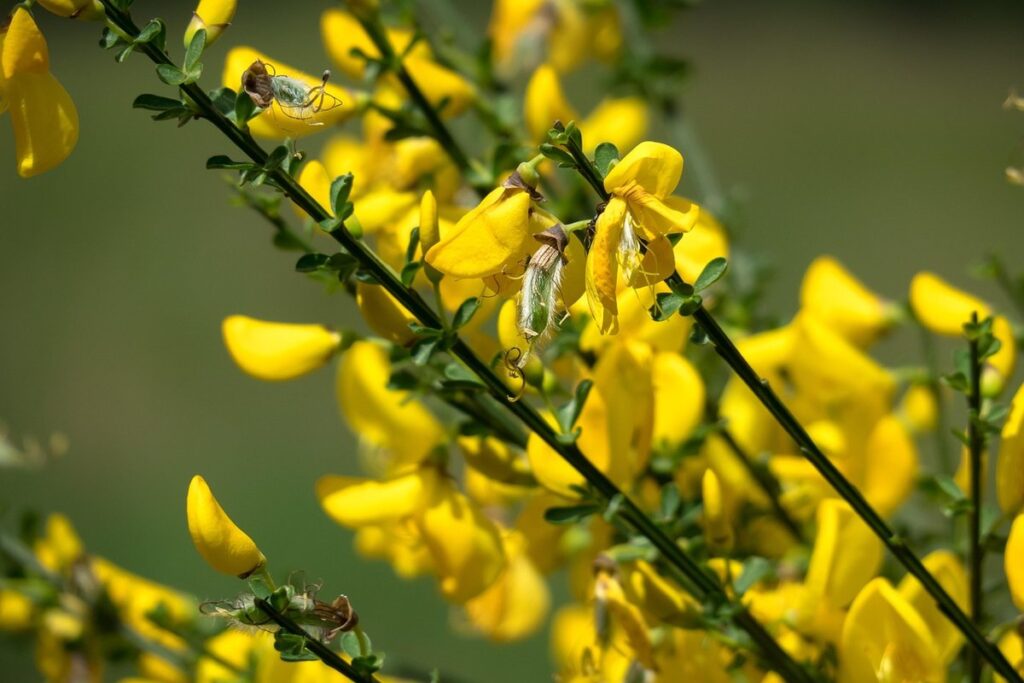
To identify gorse infestations, you need to be aware of its distinctive features. Gorse plants are characterized by their sharp, thorny stems and bright yellow flowers that bloom throughout the year. They can grow up to 10 feet tall, making them a prominent feature in many landscapes.
When conducting a visual inspection, look for areas with dense clusters of gorse plants. Check for any signs of invasion into nearby ecosystems, such as woodland edges or grasslands. Be cautious when approaching suspected infestations, as the thorns can cause injury.
Aerial surveys are another effective way to identify gorse infestations, especially in larger areas. Using drones or satellite imaging, you can detect the characteristic yellow flowers and dense growth patterns of gorse plants from above.
It’s also essential to note that gorse infestations can be subtle, and early detection is crucial for effective control. Keep an eye out for small clusters of grose on roadsides, riverbanks, or other areas where it may have been inadvertently introduced through human activity.
The Impact of Uncontrolled Gorse Growth
When left unmanaged, gorse growth can have severe consequences for our environment and local communities, leading to property damage and increased fire risk. Let’s explore these devastating effects together.
Ecological Consequences
When gorse grows unchecked, its effects on native ecosystems can be far-reaching and devastating. One of the most significant ecological consequences of uncontrolled gorse growth is its ability to outcompete native species for essential resources such as water, nutrients, and light.
As a result, native plants are unable to thrive, leading to a loss of biodiversity in affected areas. This phenomenon is often referred to as “biological invasion,” where non-native species like gorse displace indigenous flora. In Ireland alone, it’s estimated that gorse has contributed to the decline of over 100 native plant species.
Gorse’s aggressive growth habit allows it to tap into scarce water resources, leaving nearby plants parched and struggling to survive. Moreover, its dense foliage prevents sunlight from reaching lower-growing vegetation, effectively shading them out. To mitigate this issue, consider implementing targeted control measures, such as herbicide treatment or physical removal of gorse seedlings before they mature.
Effective gorse management not only preserves the health of native ecosystems but also safeguards biodiversity for future generations.
Economic Impacts
The economic impacts of uncontrolled gorse growth are far-reaching and significant. When gorse infestations take hold on agricultural land, they can reduce its value by up to 50%. This is because the invasive plant crowds out crops, making it difficult or impossible to cultivate the land. For example, a study in Ireland found that gorse infestation resulted in an average annual loss of €10,000 per hectare for farmers.
In forestry, gorse growth can lead to increased maintenance costs and reduced timber yields. This is because gorse roots compete with trees for water and nutrients, slowing their growth rate. Urban development is also affected by gorse infestations, as the dense foliage makes it difficult to access land and can increase the risk of wildfires.
To mitigate these economic impacts, landowners should take proactive steps to control gorse growth before it becomes a problem. This includes regularly monitoring for signs of infestation and implementing targeted removal methods such as cutting or herbicide treatment. Regularly removing gorse also helps maintain soil health, reducing the need for fertilizers and other chemicals that can harm the environment.
Human Health Concerns
For many people, gorse is more than just an invasive species – it’s also a threat to their health and well-being. The plant’s allergenic pollen can trigger respiratory issues, making springtime a miserable experience for those who suffer from allergies. In fact, according to the Asthma and Allergy Foundation of America, up to 8% of the population in Ireland experiences allergic rhinitis, with gorse being one of the primary culprits.
But it’s not just pollen that poses a risk – the plant’s spines can cause serious harm to both humans and animals. The sharp thorns can puncture skin, causing irritation, infection, or even life-threatening conditions like tetanus. Animals, especially those with thick coats, may accidentally ingest gorse seeds, leading to digestive problems.
If you’re concerned about your health due to gorse growth in your area, there are steps you can take to minimize the risks. Regularly inspecting and maintaining your property, removing any dead or invasive plant material, and using protective gear when working outdoors can help prevent injuries and allergic reactions.
Traditional Control Methods
You may have tried mowing, cutting, or digging gorse plants before, but these methods can be labor-intensive and often ineffective in the long run. Let’s explore some traditional control methods that have been used to manage this invasive weed.
Manual Removal
Manual removal of gorse can be a challenging and time-consuming task. Its dense growth habit and deep root system make it difficult to eradicate completely. In fact, physical removal is often ineffective as new stems can quickly regrow from remaining roots or stem fragments.
To tackle this problem safely and effectively, specialized tools or equipment may be required. For example, you’ll need a strong, sturdy saw or loppers with long blades to reach deep into the plant’s dense foliage. Some gardeners also use pruning tools like secateurs or pruning shears to carefully cut individual stems. However, even with these specialized tools, it’s essential to approach gorse removal with caution.
Be sure to wear protective clothing, including gloves and eye protection, as gorse thorns can be quite sharp. When cutting or sawing through the plant, aim for the base of the stem to minimize regrowth. Regularly dispose of cut stems and any remaining debris to prevent re-growth.
Chemical Herbicides
Chemical herbicides can be an effective way to control gorse growth, but their use also raises several concerns. One of the main issues is environmental contamination. Herbicides can leach into waterways, posing a risk to aquatic ecosystems and potentially contaminating drinking water sources.
Human exposure is another concern, particularly for people who work in areas where herbicides are being applied. Direct skin contact or inhalation of herbicide particles can cause irritation and other health problems. To minimize risks, it’s essential to wear protective clothing and equipment when applying herbicides.
Another issue with chemical herbicides is the development of resistance. When gorse becomes accustomed to a particular herbicide, it may adapt and become less responsive over time, reducing the effectiveness of treatment. This can lead to increased use of more potent chemicals or repeated applications, exacerbating environmental concerns. To mitigate this risk, consider rotating herbicides or using integrated pest management strategies that combine multiple control methods for optimal results.
Integrated Pest Management (IPM)
When it comes to controlling gorse, a multi-faceted approach is often the most effective solution. This section will explore the principles of integrated pest management that can help you tackle this prickly problem.
Monitoring and Early Detection
Regularly inspecting areas prone to gorse infestation is crucial for effective control. This involves conducting regular site visits to monitor for signs of new growth, such as yellow flowers and seed pods. Look out for gorse stems pushing through cracks in walls, fences, or other obstacles.
Early detection methods can also be employed, including drone surveillance. Drones equipped with cameras and sensors can quickly scan large areas, identifying potential hotspots before they become established infestations. Ground-based monitoring involves walking or driving through the area to visually inspect for gorse growth. This method is particularly effective in smaller areas or where access is limited.
For example, a study in Ireland found that drone surveillance reduced gorse control costs by 30% compared to traditional methods. To incorporate these methods into your IPM strategy, consider dividing your property into sections and assigning specific monitoring routes for each area. This will help you track changes over time and respond quickly to emerging issues before they get out of hand.
Biological Control Methods
One effective approach to controlling gorse populations is through biological control methods. This involves leveraging natural predators or competitors that can help suppress gorse growth without relying on chemical herbicides. For instance, certain insect species like the gorse seed fly and the gorse moth have been found to significantly reduce gorse seed production.
You can also introduce non-native plant species that compete with gorse for resources such as light, water, and nutrients. This is often referred to as “allelopathy.” For example, a study in New Zealand showed that planting a mix of native grasses and herbs can effectively suppress gorse growth. When selecting competing plants, consider their compatibility with your local environment and the potential impact on other species.
To implement biological control methods, start by identifying areas where gorse populations are most dense. Then, introduce natural predators or competitors in those areas. It’s essential to ensure that these introduced species do not harm native ecosystems. Regular monitoring is also crucial to assess the effectiveness of these methods and make necessary adjustments. By adopting this approach, you can significantly reduce your reliance on chemical herbicides while still controlling gorse growth effectively.
Cultural Controls
One effective approach to controlling gorse is through cultural controls, which involve modifying land use practices to reduce the spread and dominance of this invasive species. For instance, converting pastures to other crops can help displace gorse by providing an alternative vegetation that competes with it for resources. This can be especially effective in areas where gorse has become a nuisance, occupying valuable grazing land.
Restoring native ecosystems is another strategy that can help control gorse. By replanting native species that are well adapted to the local environment and climate, you can create a more balanced ecosystem that suppresses gorse growth. For example, in Scotland, conservation efforts have involved re-establishing native grasslands and heathland habitats, which have helped reduce gorse cover.
To implement these strategies effectively, consider conducting a thorough site assessment to identify areas of high gorse density and potential vulnerabilities to invasive species. This will help you develop targeted plans for land use modification that address specific challenges on your property.
Best Practices for Gorse Eradication
To effectively control gorse, consider these best practices for prevention and eradication methods that have proven successful for land managers and property owners alike. By following these tips, you can minimize the risks of gorse invasion.
Establish a Management Plan
When it comes to controlling gorse effectively, having a well-planned management strategy is crucial for achieving long-term success. A comprehensive plan will help you allocate resources, prioritize tasks, and stay on track throughout the process.
Start by defining specific goals for your gorse eradication project. Are you aiming to control the spread of invasive gorse in a particular area, or do you want to remove it entirely? Identify the scale of the problem and determine what level of control is feasible within your budget.
Next, establish a clear timeline for implementing your plan. Break down large tasks into smaller, manageable chunks, and schedule them according to priority and resource availability. Consider factors such as weather conditions, seasonal growth patterns, and equipment maintenance when planning the timing of your activities.
Finally, allocate a realistic budget for your project. Include costs for herbicides, machinery, labor, and any other necessary resources. Make sure to also account for ongoing maintenance needs, such as monitoring and follow-up control measures, to prevent gorse from regrowing in the future.
Involve Local Stakeholders
When it comes to controlling gorse effectively, involving local stakeholders is crucial for success. By engaging community members, landowners, and local authorities, you can ensure cooperation and resource sharing are optimized. This approach not only leverages collective expertise but also fosters a sense of shared responsibility for the area’s ecosystem health.
Start by building relationships with local landowners, farmers, and conservation groups. Explain the benefits of gorse eradication in terms of improved wildlife habitats, reduced fire risk, and increased property values. Offer to share knowledge on effective control methods, including herbicide use, mechanical removal, or prescribed burning. Be prepared to discuss potential costs and resources required for each method.
To encourage community participation, organize workshops or training sessions that provide hands-on experience with gorse removal techniques. These events not only educate attendees but also create a sense of camaraderie and shared purpose. Additionally, consider forming a local working group to oversee eradication efforts and address any issues that arise. This collaborative approach can help you overcome logistical challenges and ensure the long-term sustainability of your gorse control project.
Conclusion and Recommendations
Now that we’ve explored various methods for controlling gorse, let’s summarize our key takeaways and provide actionable advice to help you tackle gorse invasions in your own area.
Recap of Control Methods
In conclusion, we’ve explored various control methods for managing gorse plants, from traditional approaches like herbicides and mechanical removal to more holistic Integrated Pest Management (IPM) strategies. Traditional control methods often involve the use of herbicides as a quick fix to eradicate invasive species. However, these methods can have environmental drawbacks, such as harming beneficial insects or contaminating soil and water.
In contrast, IPM strategies take a more comprehensive approach by addressing the root causes of gorse infestations. This includes identifying and modifying factors that contribute to their spread, like poor land management practices or lack of biodiversity. By incorporating physical barriers, biological control agents like grazing animals or insects, and cultural controls such as fire and mowing, IPM strategies offer a more sustainable solution.
Effective gorse control requires a combination of these approaches tailored to the specific site conditions. For example, in areas with sensitive ecosystems, mechanical removal may be preferred over herbicides. Conversely, in regions with high infestation levels, targeted herbicide application might be necessary initially, followed by IPM strategies for long-term management. By adopting a multi-faceted approach and considering local factors, land managers can develop effective control plans that minimize environmental impacts while maximizing gorse plant removal.
Future Directions
As we conclude our discussion on gorse plant control, it’s essential to acknowledge that ongoing research and advancements are crucial for developing effective management strategies. A multidisciplinary approach is key, combining insights from botany, ecology, horticulture, and conservation biology.
For instance, researchers are exploring the potential of introducing biological control agents, such as insects or microorganisms, to target gorse seedlings before they mature. This method can be more environmentally friendly than traditional herbicides and requires careful monitoring to prevent unintended consequences.
Another area of focus is developing targeted management strategies for specific regions and ecosystems. Local knowledge and community involvement are vital in tailoring control methods to the unique characteristics of each area. For example, prescribed burning or mechanical removal may be more effective in certain landscapes than others.
By embracing a multidisciplinary approach and fostering ongoing research collaborations, we can create more resilient ecosystems and reduce the impact of gorse on native species and habitats. As you navigate gorse management in your own region, remember to stay informed about emerging trends and best practices, and consider collaborating with local experts to develop targeted solutions that meet your specific needs.
Frequently Asked Questions
How can I prevent gorse plants from re-growing after manual removal?
While traditional control methods like cutting or burning can provide temporary relief, preventing re-growth requires a more comprehensive approach. Implementing cultural controls such as mulching and using physical barriers around removed areas can help suppress new growth. Additionally, applying herbicides specifically designed for invasive species can further prevent regrowth.
What are some common challenges I might face when trying to control gorse plants in different environments?
Controlling gorse plants in diverse environments can be particularly challenging due to their adaptability. In areas with poor soil quality or limited water supply, traditional removal methods may not be effective. Instead, focus on using integrated pest management strategies that combine mechanical and cultural controls tailored to your specific environment.
Can I use a combination of control methods to tackle gorse plant invasions effectively?
Yes, combining multiple control methods is often the most effective way to eradicate gorse plants. This approach allows you to address different aspects of their growth and spread, increasing the likelihood of long-term success. For example, using manual removal for small areas and herbicides in larger ones can help ensure thorough eradication.
How do I involve local stakeholders and community members in my gorse plant control efforts?
Involving local stakeholders is crucial for the success and sustainability of your control efforts. This includes informing neighbors about the risks associated with gorse plants, educating them on control methods, and seeking their assistance in monitoring and reporting new growth. By engaging your community, you can create a collective effort to tackle this invasive species.
What are some signs that my integrated pest management (IPM) strategy is not working as planned?
Despite following best practices for IPM, it’s possible for gorse plants to persist or even thrive due to factors like inadequate monitoring or underestimating the extent of infestation. Keep a close eye on the affected area and adjust your control methods accordingly. If you notice new growth despite your efforts, consider consulting with local experts or revisiting your strategy to identify areas for improvement.