
Gophers can be a real nuisance in any garden, causing damage to plants and disrupting the soil. If you’re tired of seeing your hard work destroyed by these pesky rodents, it’s time to take action. One effective way to safeguard your garden is by building gopher-proof raised beds. With durable materials and clever design strategies, you can create a haven for your plants that’s safe from gophers’ digging and nibbling. In this article, we’ll show you how to build and maintain these secure beds using smart gardening techniques and effective design principles. By the end of it, you’ll be equipped with the knowledge to protect your garden from gopher damage and enjoy a thriving and pest-free growing space.
What Are Gophers and Why Do They Damage Gardens?
Before we dive into gopher-proof raised beds, let’s talk about what gophers are and why they love to dig up our gardens. These pesky critters can cause quite a bit of damage!
Characteristics of Gopher Behavior
When it comes to understanding why gophers damage gardens and how to prevent this destruction, it’s essential to know their habits and behavior. Gophers are solitary animals and spend most of their time underground, but they do have distinct patterns when it comes to burrowing, food sources, and hiding spots.
Gophers typically create complex networks of tunnels and burrows, often using existing soil channels or old rodent pathways as shortcuts. These tunnel systems can be extensive, with some gophers creating multiple entrances and exits to avoid detection. Be aware that these underground passageways are not always straight lines; they can zigzag across your garden in unpredictable patterns.
When searching for food, gophers tend to focus on underground plant roots, especially those of vegetables like carrots, potatoes, and beets. They also eat tree bark, seeds, and other vegetation. Common hiding spots include near water sources, under dense foliage, or within protected areas with minimal human activity.
Understanding these characteristics will help you better design your raised bed garden to prevent gopher damage and create a more secure environment for your plants to thrive.
Signs of Gopher Activity in Your Garden
When you start to notice damage in your garden, it’s essential to determine if gophers are the culprits. One of the most noticeable signs of gopher activity is the presence of physical evidence like mounds and tunnels. Gophers use their powerful front legs and sharp claws to excavate complex tunnel systems that crisscross beneath your raised bed. These burrows often create cone-shaped piles of soil, known as “gopher mounds,” which can range from a few inches to several feet in diameter.
Other signs include gnaw marks on plants, particularly at the base or near the roots. Gophers tend to favor plant stems and leaves, especially those with high water content like succulents and vegetables. Keep an eye out for fresh cut grasses or weeds around the mounds, as gophers often feed on these plants while tending their burrows.
Pay attention to behavioral clues, too: sudden, unexplained losses of plants or soil erosion might indicate a gopher’s presence. If you notice any of these signs, it’s likely that gophers are causing trouble in your garden.
Choosing the Right Materials for Gopher-Proof Raised Beds
When it comes to building gopher-proof raised beds, selecting the right materials is crucial for keeping these pesky critters at bay and your plants safe. Let’s explore some top choices that’ll get you started.
Types of Wood Suitable for Raised Beds
When it comes to choosing wood for gopher-proof raised beds, durability is key. You’ll want to select a type of wood that can withstand the digging and burrowing activities of these pesky critters.
Durable hardwoods like cedar, cypress, and redwood are excellent choices for raised beds. These types of woods have natural oils that repel insects and resist rot, making them perfect for withstanding gopher damage. For example, Western Red Cedar is a popular choice for outdoor projects because it’s naturally resistant to moisture and insects.
Softwoods like pine and fir can also work well, but they may require more maintenance to protect against rot and insect damage. It’s essential to note that softwoods are not as durable as hardwoods and may need to be replaced more frequently.
When selecting wood for your raised bed, consider the specific climate and conditions of your area. A hardwood like cedar will perform better in humid climates, while a softerwood like pine might be more suitable for dry areas.
Alternative Building Materials: Metal, Plastic, and Composite Options
When it comes to building gopher-proof raised beds, you may have considered traditional materials like wood and composite lumber. However, there are alternative options that can provide even greater protection against these pesky critters.
One option is metal frames made from durable materials like aluminum or steel. These can be expensive upfront, but they offer excellent resistance to gopher damage and can last for many years with proper care. For example, a study by the University of California found that metal raised beds showed significantly less gopher activity than those made from wood.
Another option is plastic lumber, which has gained popularity in recent years due to its eco-friendliness and durability. Made from recycled plastic, this material is resistant to rot, insects, and rodents – including gophers! Additionally, it’s often lighter and easier to install than traditional materials.
Composite lumber, a blend of wood fibers and plastic, is another option worth considering. While more expensive than some other alternatives, composite lumber offers excellent durability and resistance to moisture damage, making it an attractive choice for gopher-proof raised beds.
Designing Gopher-Resistant Raised Beds
When designing gopher-resistant raised beds, it’s essential to consider the type of materials and layout that will best deter these burrowing critters from making a meal out of your plants. Let’s explore some effective design strategies together!
Depth and Width Considerations for Raised Bed Design
When designing gopher-resistant raised beds, depth can play a significant role in deterring these pesky critters from digging into the bed itself. While wider beds are often touted as an effective solution, deeper beds can also provide a practical deterrent.
Research suggests that gophers tend to prefer shallower soil depths of around 12-18 inches, where they can easily excavate and access plant roots. By extending the depth of your raised bed to at least 2-3 feet, you’re creating an environment that’s less appealing to gophers. This increased depth also allows for better drainage and aeration, which can reduce soil compaction and make it even more inhospitable to gophers.
In practical terms, aim to build raised beds with the following dimensions: 2-3 feet deep, 4-6 feet wide, and 8-12 feet long. By incorporating a deeper design into your gopher-resistant raised bed plan, you’ll be creating an environment that’s less likely to attract unwanted critters, while still allowing for optimal plant growth and accessibility.
Barrier Options: Copper Mesh, Hardware Cloth, and More
When it comes to designing gopher-resistant raised beds, choosing the right barrier material is crucial. Copper mesh, hardware cloth, and other materials can effectively prevent gophers from burrowing under or through the walls of your raised bed.
Copper mesh is a popular choice for its ability to deter gophers due to their aversion to copper. However, it’s essential to note that it may require periodic replacement as gophers can chew through it if they’re desperate enough. For this reason, some gardeners opt for hardware cloth instead. This durable, woven mesh is made from galvanized steel wire and offers excellent protection against gopher burrowing.
Other options include 1/4-inch chicken wire or plastic hardware cloth, which are more budget-friendly but still effective at keeping gophers out. When selecting a barrier material, ensure it extends at least 12 inches below the soil surface to prevent gophers from digging under it. Consider burying the mesh or cloth underground and covering with soil to conceal its presence and further deter gophers.
Building Gopher-Proof Raised Beds: A Step-by-Step Guide
Now that you have your materials and know how to choose a site, it’s time to learn how to build gopher-proof raised beds from scratch.
Preparing the Site for Raised Bed Construction
Before you start building your raised bed, it’s essential to prepare the site where the bed will be located. Clearing the area of debris is a crucial step to ensure that your bed is built on a stable and level surface.
Start by removing any rocks, twigs, and leaves from the area. You can use a rake or a shovel for this task. If you have a lawn mower with a mulching attachment, consider using it to chop up any small debris into fine pieces that can be easily raked away.
Next, check for underground utilities such as electricity, gas, and water lines. This is a critical step to avoid damaging these essential services during construction. You can contact your local utility company to schedule a free service to locate these lines or use a metal detector to scan the area yourself.
Once you’ve cleared the debris and located any underground utilities, compact the soil using a hand tamper or a plate compactor. This will help prevent settling and ensure that your raised bed is stable over time. Make sure the surface is level and even before proceeding with construction.
Installing the Bottom Barrier: Copper Mesh or Hardware Cloth
When it comes to protecting your raised bed from gophers, installing a barrier at the bottom is crucial. You have two popular options: copper mesh and hardware cloth. Both materials are effective against gophers, but they serve slightly different purposes.
Copper mesh is an excellent choice for its ability to deter gophers with its strong smell and taste. Gophers will avoid burrowing through it due to the unpleasant sensation. However, keep in mind that copper mesh may not provide complete protection against smaller gopher populations or those that are desperate enough to chew through it.
Hardware cloth, on the other hand, offers a more robust barrier. Its thick metal weave makes it difficult for gophers to gnaw their way through. It’s an excellent option if you live in areas with high gopher activity or want extra protection.
To install either material, lay it flat at the bottom of your raised bed, ensuring it extends 6-8 inches beyond the bed’s edges. Secure it using landscape pins or bury it slightly under the soil to prevent gophers from burrowing underneath. This simple yet effective measure will go a long way in safeguarding your garden from these pesky critters.
Maintenance Tips for Gopher-Proof Raised Beds
Now that you’ve built your gopher-proof raised bed, it’s essential to maintain it properly to prevent damage and ensure healthy plant growth over time. Regular maintenance will also help deter these pesky critters from returning.
Regular Inspections to Detect Early Signs of Damage
Regular inspections are crucial for detecting early signs of gopher damage. Gophers can cause significant harm to your plants and raised bed structure if left unchecked. To prevent this, set aside time each week to inspect your raised beds thoroughly. Start by looking for fresh dirt mounds or tunnels near the plants’ roots. Check for any signs of gnawing on plant stems or leaves.
If you notice any of these early warning signs, take prompt action to address the issue. Begin by removing any affected plants and replacing them with healthy ones. Next, inspect the surrounding area for any gopher holes or burrows that may be causing damage. Use a mixture of diatomaceous earth and water to repel gophers from entering your raised bed. By catching gopher activity early on, you can prevent extensive damage and protect your plants’ health. Remember, it’s always better to err on the side of caution when dealing with gopher infestations.
By staying vigilant and acting quickly, you can ensure the longevity of your raised bed garden.
Effective Trapping and Control Methods for Gophers in Raised Beds
When it comes to managing gophers in raised beds, trapping and control methods can be an effective solution. There are two main approaches: humane and lethal trapping.
Humane trapping involves capturing the gopher alive without harming it. This method is ideal for gardeners who prioritize animal welfare. One popular option is using live traps baited with attractive food like carrots or apples. Once caught, release the gopher at least 10 miles away from your property to prevent re-infestation. It’s essential to check local regulations regarding gopher relocation.
Lethal trapping involves killing the gopher on contact. Copper mesh and hardware cloth can be used to create barriers around plants, preventing gophers from accessing them. For raised beds, you can also use repellent granules or sprays containing capsaicin (the active ingredient in chili peppers) or castor oil. These deterrents can help keep gophers away without harming them.
When using repellents, it’s crucial to follow the product instructions and apply them regularly for maximum effectiveness.
Advanced Techniques: Integrating Gopher-Repellent Plants and Soil Amendments
To take your gopher-proof raised bed to the next level, learn how to effectively integrate plants that deter gophers and amendments that strengthen soil defenses.
Companion Planting to Deter Gophers
When it comes to deterring gophers from raised beds, companion planting can be an effective and non-toxic solution. Certain plants are known to repel gophers or make them uncomfortable in the area, making them a great addition to your gopher-proof raised bed.
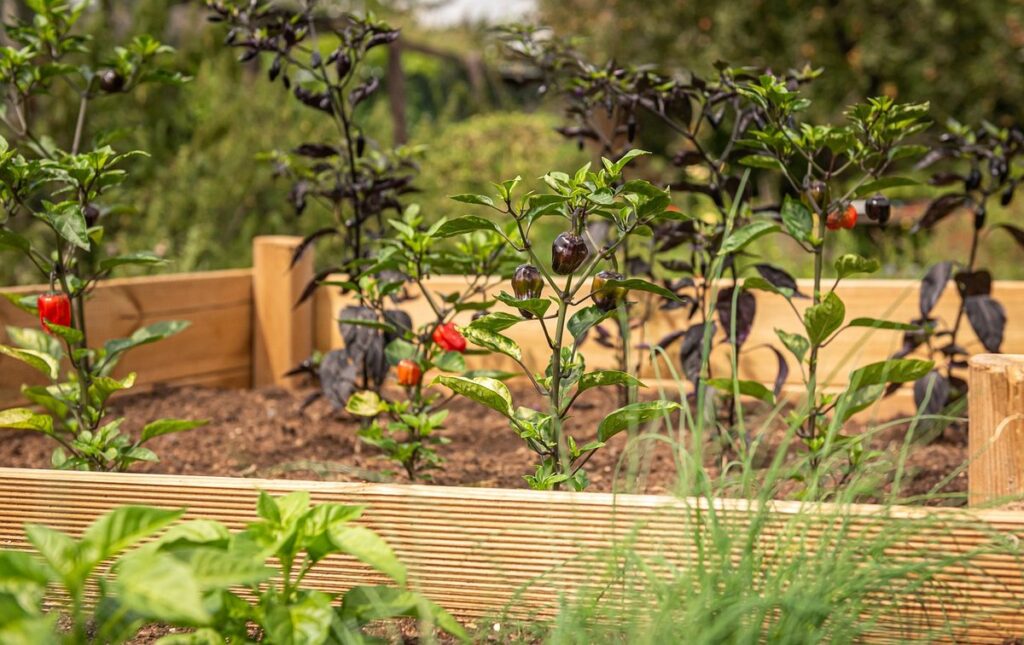
Some of these gopher-repellent plants include hot peppers, garlic, chives, and daffodils. These plants release chemicals that are unappealing to gophers, which helps to deter them from feeding or nesting in the surrounding area. For example, hot peppers contain capsaicin, a compound that can cause discomfort and pain for gophers.
To use these plants effectively, simply plant them around the perimeter of your raised bed or interspersed throughout the bed itself. A good rule of thumb is to plant three to five gopher-repellent plants per square foot of raised bed. By combining these plants with other gopher-deterrent strategies, such as using copper mesh or hardware cloth, you can create a comprehensive and effective defense against gophers in your raised beds.
Some popular combinations include planting hot peppers alongside marigolds or nasturtiums, which also repel nematodes and other pests. By incorporating these plants into your raised bed design, you can enjoy a healthy and thriving garden while keeping gophers at bay.
Soil Amendments to Make Your Garden Uninviting to Gophers
When it comes to deterring gophers from burrowing into your raised beds, using soil amendments can be an effective addition to your gopher-repellent strategy. One popular option is chili powder or hot pepper spray. These additives contain capsaicin, the compound responsible for the “heat” in peppers, which deters gophers and other pests.
To use chili powder as a soil amendment, mix 1-2 tablespoons into the top 6 inches of soil before planting. This will create an inhospitable environment for gophers, making them less likely to burrow in. You can also repel gophers by spraying hot pepper spray directly onto plant roots or around the perimeter of your raised bed.
Keep in mind that these additives may not be effective against established gopher populations, but they can help prevent new infestations from occurring. When using chili powder or hot pepper spray, make sure to follow the manufacturer’s instructions and start with a small test area to ensure the recommended dosage doesn’t harm your plants.
Frequently Asked Questions
What are the most common mistakes to avoid when designing gopher-proof raised beds?
When designing your gopher-proof raised bed, it’s essential to remember that gophers can dig through certain materials or find weaknesses in the design. To avoid this, make sure to use durable and gopher-resistant materials for the bottom barrier and consider a deep enough depth (at least 12 inches) to prevent gophers from burrowing underneath.
Can I use recycled materials for building gopher-proof raised beds?
Yes! Using recycled materials is an excellent way to build eco-friendly raised beds. Consider using reclaimed wood, plastic containers, or metal frames as alternatives to traditional lumber. Just ensure the material you choose is durable and can withstand gopher activity.
How often should I inspect my gopher-proof raised bed for signs of damage?
Regular inspections are crucial in detecting early signs of gopher damage. We recommend checking your raised beds every 1-2 weeks, especially during peak gopher season (usually spring and fall). Keep an eye out for burrows, gnaw marks on plants or wood, and soil disturbances.
Can I use a single layer of barrier material to prevent gophers from digging underneath?
No. To effectively protect your raised bed from gopher damage, you should install multiple layers of barrier materials, such as copper mesh, hardware cloth, or plastic sheeting. This will create a physical barrier that prevents gophers from burrowing under the bed.
What are some effective companion plants to deter gophers from my raised beds?
Certain plants, like daffodils, garlic, and hot peppers, have natural properties that repel gophers. Consider planting these species around the perimeter of your raised bed or intercropping them with your desired vegetables to create a gopher-deterrent companion planting scheme.