
As a plant enthusiast, you’re probably no stranger to the pesky problem of fungus gnats infesting your prized pots. These tiny insects can be frustrating to deal with, causing more harm than good to your plants’ health and growth. But what if you could create a gnat-free potting soil mix that would eliminate these unwanted visitors? With a few simple tips and tricks, you can learn how to control fungus gnats and maintain a healthy growing environment for your plants. In this article, we’ll show you expert methods on preventing infestations and using natural repellents to keep those pesky gnats at bay. By the end of it, you’ll be well-equipped with knowledge on creating gnat-free potting soil mixes that will give your plants the best chance to thrive.
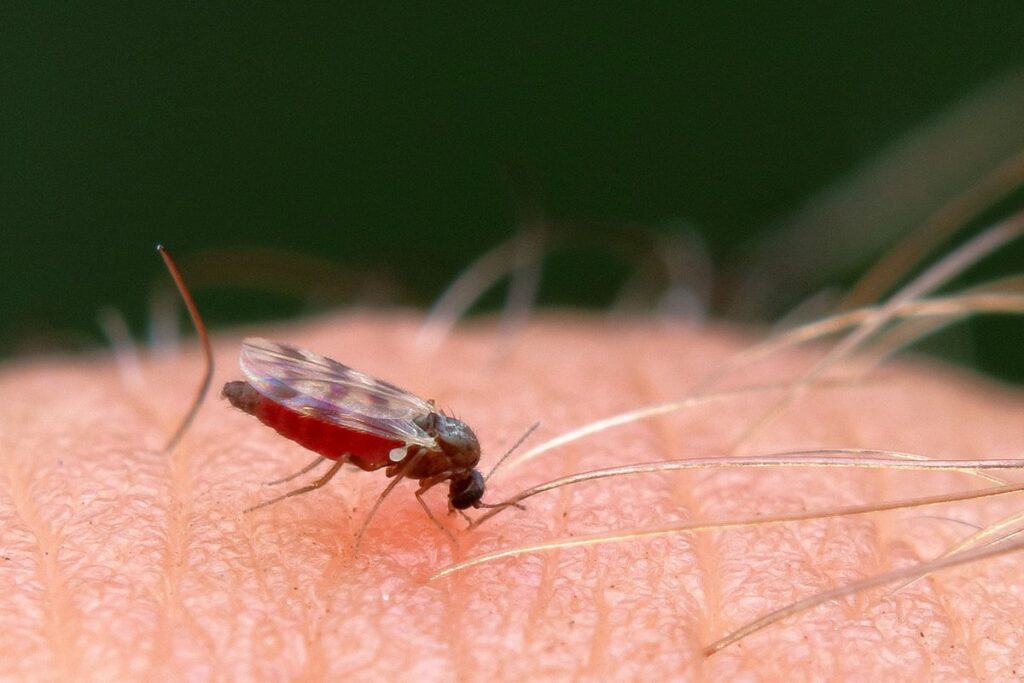
Understanding Gnats and Their Effects
To effectively create a gnat-free potting soil, it’s essential to understand what gnats are and how they can impact your plants’ health. Let’s dive into the world of these pesky insects.
What are Fungus Gnats?
Fungus gnats are tiny flying insects that can cause significant problems for gardeners and plant enthusiasts. They are a type of aerial insect that belongs to the order Diptera, which also includes houseflies and fruit flies. These pests are attracted to moist environments with high humidity levels, making them a common sight in potting soil.
The life cycle of fungus gnats begins with eggs, which are typically laid near the surface of the soil by female adults. The eggs hatch into legless larvae that feed on fungi, algae, and other microorganisms present in the soil. As they grow, they molt several times before reaching adulthood. Adult fungus gnats emerge from the soil, feed on nectar and plant sap, and lay more eggs to continue the cycle.
Fungus gnats can cause damage to plants by spreading disease and creating an environment conducive to root rot. They are often accompanied by a white, cottony growth known as “fungus” – hence their name – which is actually a fungal infection that the larvae have introduced into the soil. To prevent fungus gnat infestations, it’s essential to maintain good soil hygiene, monitor for signs of infestation, and use targeted treatments when necessary.
How Gnats Impact Plant Health
Fungus gnats are one of the most common pests to infest potting soil, and their presence can have a significant impact on plant health. When female fungus gnats lay their eggs near plant roots, the larvae that hatch feed on the surrounding soil and root system, causing damage that can lead to nutrient deficiencies and reduced plant growth.
As the larvae feed, they also spread diseases such as root rot and leaf spot. If left unchecked, a severe infestation of fungus gnats can weaken the plant’s immune system, making it more susceptible to other pests and diseases. In addition to direct root damage, fungus gnats also contribute to the breakdown of potting soil, reducing its structure and fertility over time.
To mitigate these effects, it’s essential to monitor your potting soil for signs of gnat infestation and take action promptly if you notice any issues. Regularly inspecting your plants and adjusting your watering schedule can help prevent gnats from taking hold in the first place. By choosing a high-quality gnat-free potting mix and implementing integrated pest management strategies, you can create a healthy environment for your plants to thrive.
The Causes of Gnat Infestations in Potting Soil
If you’re struggling with gnats in your potting soil, understanding what causes these infestations is crucial to preventing them. In this section, we’ll explore the common reasons why gnats thrive in certain types of soil.
Overwatering: A Breeding Ground for Gnats
Overwatering creates an ideal breeding ground for fungus gnat larvae, allowing them to thrive and multiply rapidly. When potting soil is consistently waterlogged, it becomes a nutrient-rich haven for these tiny pests. The excess moisture triggers the growth of microorganisms, which in turn feed the gnat larvae.
The perfect storm of overwatering and high temperatures further accelerates the life cycle of fungus gnats. Larvae can complete their development from egg to adult in as little as 7-10 days under such conditions. To put this into perspective, a study by the University of California found that fungus gnat populations increased exponentially when potting soil was watered once a week versus every other day.
To prevent overwatering and minimize the risk of gnat infestations, ensure your potting mix drains well and avoid frequent watering schedules. Water only when the top 1-2 inches of soil feel dry to the touch. This simple adjustment can significantly reduce the likelihood of fungus gnats taking hold in your potting soil.
Poor Soil Quality and Drainage
Poor soil quality and drainage can significantly contribute to gnat infestations in potting soil. When the soil lacks proper drainage, it becomes a breeding ground for gnats. These tiny insects thrive in moist environments, where they lay their eggs and larvae feed on decaying matter. In poorly draining soils, water accumulates, creating an ideal environment for gnat reproduction.
A key characteristic of well-draining potting soil is its ability to allow excess water to escape quickly. When the soil’s water-holding capacity exceeds 40%, it becomes prone to waterlogging. This condition creates anaerobic conditions that favor gnat breeding and proliferation. Using a high-quality potting mix with good drainage characteristics can significantly reduce the risk of gnat infestations.
If you suspect your potting soil lacks adequate drainage, try adding perlite or vermiculite to improve its structure and water-holding capacity. These additives increase the soil’s porosity, allowing excess water to drain freely. By ensuring your potting soil has good drainage, you can significantly reduce the risk of gnat infestations and create a healthier growing environment for your plants. Regularly inspecting your pots and repotting as necessary will also help maintain optimal soil conditions.
Creating a Gnat-Free Potting Mix
When it comes to creating a gnat-free potting mix, you’ll want to focus on ingredients that naturally repel these pesky insects and prevent them from breeding in your soil. This section covers the key components to include.
Ingredients for a Gnats-Repellent Mix
When it comes to creating a gnat-free potting mix, incorporating specific ingredients can make all the difference. These essential components not only help suppress gnat populations but also contribute to a healthy and balanced growing environment.
Start with perlite, a popular ingredient known for its excellent drainage properties. This is crucial in preventing moisture buildup, which gnats feed on. Mix in 20-30% of perlite into your potting mix to ensure it remains well-draining and gnat-resistant.
Another essential addition is vermiculite, which helps retain moisture without promoting waterlogged conditions. Vermiculite’s ability to absorb excess water makes it an ideal ingredient for reducing gnat infestations. Aim for a 10-20% concentration of vermiculite in your mix.
Certain types of peat moss can also be beneficial in repelling gnats, particularly sphagnum peat moss. However, be cautious not to overdo it – excessive peat moss can retain too much water and create an ideal breeding ground for gnats. Limit your peat moss content to 10-20% maximum.
By incorporating these ingredients into your potting mix, you’ll significantly reduce the likelihood of gnat infestations in your garden.
Organic Amendments for Enhanced Fungus Control
When it comes to creating a gnat-free potting mix, incorporating organic amendments is a crucial step. These natural additives not only promote healthy plant growth but also help control gnat populations. One of the most effective ways to manage gnats is by introducing beneficial microbes into your potting soil.
Beneficial microbes, such as mycorrhizal fungi and bacteria, form symbiotic relationships with plant roots, enhancing nutrient uptake and promoting a balanced ecosystem. By creating an environment that fosters these beneficial microorganisms, you can disrupt the gnat life cycle and reduce their numbers. One example of a beneficial microbe is Trichoderma harzianum, which has been shown to inhibit fungal growth, including gnats.
Another organic amendment that can help control gnats is neem cake. Made from ground neem seeds, neem cake contains azadirachtin, a natural insecticide that repels and kills adult gnats. To use neem cake effectively, mix it into your potting soil at a rate of 1-2% of the total volume. This will provide a long-lasting barrier against gnat infestations.
When selecting beneficial microbes or neem cake for your potting mix, ensure you choose products that are specifically designed to target gnats and other pests. Some popular brands offer targeted formulations that can be used in conjunction with each other to create an effective gnat-control system. By combining these organic amendments with a well-balanced potting mix and good gardening practices, you can maintain a gnat-free growing environment and promote healthy plant growth.
Strategies for Gnat-Free Soil Maintenance
To effectively eliminate gnats from your potting soil, let’s dive into some practical strategies that will help you maintain a gnat-free growing environment and healthy plants.
Regular Watering Schedules
Regular watering schedules are crucial for maintaining gnat-free potting soil. When you overwater your plants, the excess moisture creates an ideal breeding ground for gnats. These pests thrive in damp environments, which can quickly lead to infestations if not addressed.
To prevent this from happening, it’s essential to establish a regular watering schedule that suits your plant’s specific needs. Check the soil moisture by sticking your finger into the soil up to the first knuckle. If the soil feels dry, it’s time to water. Water your plants thoroughly until you see excess water draining out of the pot.
Here are some general guidelines for creating a gnat-free watering schedule:
• Water plants in the morning so the soil has the entire day to dry slightly before nightfall.
• Avoid getting water on the leaves or crown of the plant, as this can encourage fungal growth and attract gnats.
• Use room-temperature water, as cold water can shock the roots and make them more susceptible to gnat infestations.
By following these simple tips, you’ll be well on your way to maintaining a healthy, gnat-free potting soil environment.
Monitoring for Gnats and Treating Early
Monitoring for gnats and treating early is crucial to maintaining a gnat-free potting soil environment. To identify signs of infestation, observe your plants closely for tiny flying insects hovering around the leaves or soil surface. Check the soil regularly by gently lifting it with your fingers or a stick, looking for larvae or eggs near the roots.
Early detection also involves monitoring the plant’s health; if you notice yellowing leaves, stunted growth, or wilting despite adequate watering and nutrients, it may indicate gnat infestation. To treat early, consider using neem oil, insecticidal soap, or garlic spray as organic alternatives. These methods are effective in controlling gnats without harming the plants.
Chemical treatments like pyrethrin sprays can also be used; however, they should be applied with caution and according to product instructions to avoid over-application and potential harm to beneficial insects. Always read and follow product labels carefully before application.
Advanced Techniques for Gnat-Free Soil
Now that you’ve mastered the basics of gnat-free potting soil, it’s time to take your skills to the next level and explore advanced techniques to keep those pesky gnats at bay for good.
Biocontrol Methods: Beneficial Nematodes and Microbes
When it comes to creating gnat-free potting soil, incorporating beneficial nematodes and microbes as biocontrol agents is a game-changer. These microscopic warriors work tirelessly behind the scenes to eliminate fungus gnat larvae, breaking the cycle of infestation.
Beneficial nematodes are tiny worms that feed on fungus gnat larvae, preventing them from reproducing and eventually killing them. By introducing these nematodes into your potting soil, you can reduce the population of fungus gnats significantly. It’s essential to choose a high-quality beneficial nematode product specifically designed for use in potting soil.
In addition to nematodes, microbes like Trichoderma harzianum and Bacillus subtilis can also help control fungus gnat larvae. These beneficial microbes produce compounds that inhibit the growth of fungi, creating an environment that’s less conducive to gnat infestations. By combining beneficial nematodes with microbe-rich potting soil mixes, you can create a comprehensive gnat-control strategy.
To use beneficial nematodes and microbes effectively, ensure you follow the product instructions carefully and maintain optimal watering conditions for your plants. Regularly monitoring your soil’s moisture levels will help prevent fungus gnats from thriving in the first place. By integrating these biocontrol methods into your gnat-free potting soil routine, you’ll be well on your way to a healthy, pest-free growing environment.
Incorporating Essential Oils for Repellent Properties
When it comes to creating gnat-free potting soil, one effective method is incorporating essential oils with known repellent properties. Tea tree oil and peppermint oil are popular choices among gardeners due to their potent ability to deter gnats.
To use essential oils effectively, start by adding a few drops to the soil mix before planting. A general rule of thumb is to add 10-15 drops per gallon of potting mix. You can also infuse the oils into water and spray it directly on the plants or around the soil area. For example, mixing 5-7 drops of peppermint oil with a quart of water creates a natural repellent that’s easy to apply.
Some essential oils work better than others in repelling gnats, so experiment with different options to find what works best for your garden. Research also suggests that combining multiple essential oils can create an even more potent gnat-repellent mixture. For instance, blending tea tree oil and lemongrass oil has been shown to be particularly effective against fungus gnats.
Remember to always use high-quality, pure essential oils to ensure their potency and effectiveness in repelling gnats.
Frequently Asked Questions (FAQs) about Gnat-Free Potting Soil
We’ve anticipated some of your most pressing questions, so here’s where we’ll address concerns and provide clarification on using gnat-free potting soil in your garden. You’re about to find answers to common FAQs.
Common Misconceptions and Myths
Many gardeners assume that gnats are inevitable in potting soil and can’t be completely eliminated. However, this isn’t entirely true. Some people believe that the only way to get rid of gnats is by using chemical pesticides, which can harm plants and contaminate soil. Others think that gnats infestations are a sign of poor gardening habits or inadequate care.
But the truth is, gnats thrive in specific conditions, particularly in moist, nutrient-rich environments. By understanding these conditions, you can take proactive measures to prevent gnats from taking over your potting soil. For instance, using gnat-free potting mixes and practicing good drainage techniques can significantly reduce the likelihood of an infestation.
Some gardeners also believe that introducing beneficial insects like nematodes or fungi can solve the problem. While these organisms do help control gnat populations, they’re not a foolproof solution on their own. A comprehensive approach that incorporates multiple strategies is key to maintaining a gnat-free growing environment. By being aware of these common misconceptions and taking a proactive stance, you’ll be well-equipped to create a healthy and thriving garden.
Expert Tips for Sustaining a Gnats-Free Environment
Maintaining a gnat-free environment requires ongoing effort and attention to detail. To keep your potting soil gnat-free, it’s essential to monitor its condition regularly. Check the soil’s moisture levels, temperature, and pH balance, as these factors can contribute to gnat infestations. Keep an eye out for early signs of gnats, such as tiny eggs or larvae in the soil.
To prevent gnats from becoming a problem, use a combination of techniques. Implement good hygiene practices by disinfecting your potting tools and repotting plants every 6-12 months. Use physical barriers like fine mesh to cover plant pots and prevent gnats from reaching the soil. Regularly inspect your plants for signs of gnat infestations and take action promptly.
For long-term care, focus on creating a balanced ecosystem in your potting soil. Incorporate beneficial microorganisms that can help suppress gnat populations. These include nematodes, fungi, and bacteria. Use organic amendments like compost tea or worm castings to maintain healthy soil biota. By following these expert tips, you’ll be able to sustain a gnat-free environment and enjoy thriving plants all year round.
Conclusion: Achieving a Gnat-Free Growing Environment
Achieving a gnat-free growing environment requires dedication and attention to detail. By following the steps outlined in this guide, you’ll be well on your way to creating a potting soil that’s free from gnats. Remember, prevention is key – keep your growing area clean and tidy, and avoid overwatering, which can lead to moisture buildup that attracts gnats. Regularly inspect your plants for signs of infestation and take action promptly if you notice any issues.
To ensure the long-term health of your plants, make it a habit to repot them every few months using fresh potting soil and removing any dead or dying roots. This will help prevent gnat populations from building up over time. By staying vigilant and proactive, you can enjoy a thriving, pest-free growing environment that lets your plants reach their full potential. With practice and patience, you’ll become an expert at creating a gnat-free potting soil that yields healthy, happy plants.
Frequently Asked Questions
Can I use a pre-made potting mix to create a gnat-free environment, or do I need to make my own?
While some pre-made mixes may contain ingredients that can help deter gnats, it’s essential to read the labels carefully and ensure they don’t contain any moisture-retentive additives. Making your own gnat-free potting mix allows you to choose specific ingredients and concentrations tailored to your needs. However, if time is a concern, select pre-made mixes with natural, gnat-repellent properties.
How do I know if my plant is already infested with fungus gnats, and what are the signs to look for?
Inspect your plants regularly, checking for flying insects, especially near the soil surface. White or cottony patches on the leaves can indicate egg-laying female gnats. Also, be aware of wilting or stunted growth, as these symptoms may be caused by gnat larvae feeding on plant roots.
Can I use essential oils alone to repel fungus gnats, without incorporating them into a potting mix?
Yes, you can use essential oils in small concentrations (about 10-15 drops per liter of water) for foliar spray or soil drenches. However, it’s crucial to note that the effectiveness may vary depending on the plant species, oil type, and concentration used. Always test the solution on a small area before applying it widely.
How often should I repot my plants after using gnat-free potting mix to prevent re-infestation?
As a general rule, repot your plants every 6-12 months to refresh the soil and prevent the buildup of microorganisms that can attract gnats. However, this frequency may vary depending on factors like plant growth rate, watering habits, and climate conditions.
Are beneficial nematodes effective against fungus gnats, or are they more suited for other pests?
Beneficial nematodes can be used to control various soil-dwelling insects, including fungus gnat larvae. However, their effectiveness may depend on factors such as temperature, moisture levels, and nematode species. They work best when introduced into the soil at a time when gnat larvae are present, typically during peak infestation periods.
Can I mix different natural ingredients to create an even more potent gnat-repellent potting mix?
Yes, combining various natural ingredients can enhance the repellent properties of your potting mix. Consider blending elements like diatomaceous earth, sulfur, and essential oils in specific concentrations (e.g., 10% diatomaceous earth, 5% sulfur, and 1-2% essential oil). However, always test the final mixture on a small scale before applying it to your entire plant collection.
What’s the best way to dispose of infested potting soil to prevent re-infestation?
Dispose of heavily infested or rotting potting soil in sealed bags, ensuring it doesn’t come into contact with other plants. If the soil is only slightly infested, you can try salvaging it by removing affected areas and mixing in fresh, gnat-free material.