
As you browse the aisles of your local grocery store or farmer’s market, have you ever stopped to think about the seeds that went into growing those fresh fruits and vegetables? The debate over GMO (genetically modified organism) versus non-GMO seeds has been a contentious one in modern agriculture. Some claim that GMO seeds are the key to feeding a rapidly growing global population and increasing crop yields, while others argue that they pose a threat to our health, the environment, and even the economy. In this article, we’ll delve into the benefits and drawbacks of using GMO seeds versus non-GMO seeds, exploring the environmental concerns, potential health risks, and economic considerations at play. By examining both sides of the argument, you’ll be better equipped to make informed decisions about what you eat and how it’s grown.
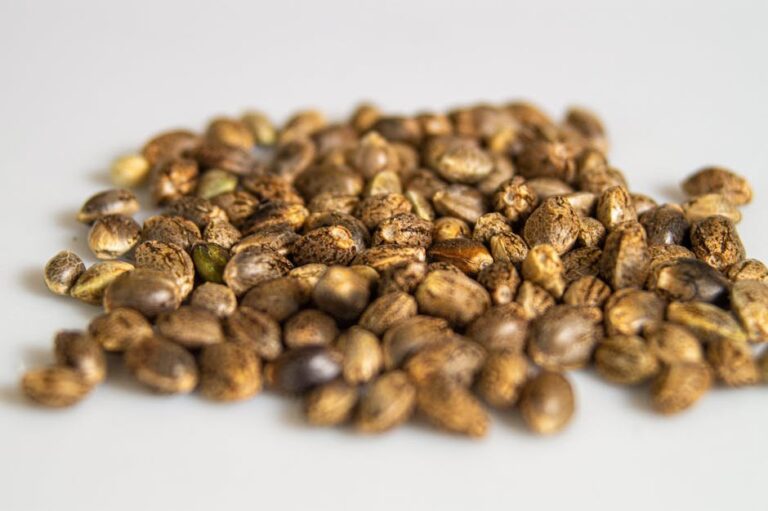
What are GMO Seeds?
Let’s dive into what genetically modified seeds actually are and how they differ from traditional non-GMO seeds. We’ll explore the basics of genetic modification in plant breeding.
Defining Genetically Modified Organisms (GMOs)
Genetically modified organisms (GMOs) are a crucial part of the ongoing evolution in agriculture. So, what exactly are GMO seeds? At their core, GMO seeds are plants whose DNA has been altered using genetic engineering techniques to introduce new traits or characteristics.
Traditional breeding involves selecting and crossing different plant varieties to achieve desired traits, but this process is slow and limited by the existing genetic diversity of the species. Genetic modification, on the other hand, allows scientists to directly manipulate a plant’s genes to create specific changes. This can include pest resistance, drought tolerance, and improved nutritional content.
The process typically involves identifying a gene from one organism that confers the desired trait, isolating it, and then introducing it into the DNA of another organism. Scientists use biotechnology tools like gene editing (CRISPR) or Agrobacterium to facilitate this transfer.
GMO seeds have been engineered to address some of agriculture’s most pressing challenges. For instance, Bt corn has built-in pest control by producing a toxin that kills certain insects. Similarly, Golden Rice contains beta-carotene, which the human body converts into vitamin A.
While the term “genetically modified” might evoke fear or skepticism, it’s essential to understand what GMO seeds are and how they differ from traditional breeding methods. By embracing genetic modification, farmers can enjoy increased crop yields, reduced pesticide use, and improved food security – all of which contribute to a more sustainable future in agriculture.
History of GMO Seeds
The history of GMO seeds dates back to the 1970s when scientists first began experimenting with genetic modification. One of the earliest breakthroughs came in 1983 with the creation of the first genetically modified plant, a petunia that produced a pesticide. However, it wasn’t until the 1990s that GMO seeds started gaining traction in modern agriculture.
The first commercially available GMO seed was introduced by Monsanto (now owned by Bayer) in 1996 – a soybean that was resistant to herbicides. This marked a significant milestone in the development of GMO technology, paving the way for further innovations. By the early 2000s, GMO crops were being grown on millions of acres worldwide, and today they account for over 20% of global crop production.
The widespread adoption of GMO seeds can be attributed to advancements in biotechnology and the increasing demand for sustainable food production. Modern agriculture faces numerous challenges, including declining soil quality, water scarcity, and climate change. GMO seeds offer a potential solution by allowing farmers to control pests and weeds more efficiently, reducing the need for chemical pesticides and herbicides.
The use of GMO seeds has been met with controversy, however, with many arguing that they pose health risks to humans and the environment. As consumers become increasingly aware of the benefits and drawbacks of GMOs, it’s essential to understand their history and development. By examining the milestones and breakthroughs in GMO seed technology, we can better appreciate the complexities surrounding this topic and make informed decisions about our food choices.
Benefits of GMO Seeds
One of the most significant advantages of choosing GMO seeds is their ability to resist pests and diseases, reducing crop losses and increasing yields. Let’s explore how GMO seeds can benefit your farm or garden.
Increased Crop Yields
Increased crop yields are one of the most significant advantages of using GMO seeds. By incorporating specific genetic modifications, these seeds can produce more bountiful harvests while also reducing the environmental impact associated with conventional farming practices. For instance, genetically engineered corn and soybeans have been designed to be more drought-resistant, allowing farmers to grow crops even in areas where water is scarce.
This increased crop yield also translates into higher profitability for farmers. According to a study by the National Academy of Sciences, GMO crops have led to a 20% increase in yields in many developing countries, contributing significantly to food security. Furthermore, GMO seeds can be engineered to contain built-in pest resistance, reducing the need for chemical pesticides and minimizing the risk of crop damage.
To maximize the benefits of GMO seeds, farmers must carefully select the right type of seed for their specific climate and soil conditions. This involves researching different varieties, understanding the specific genetic modifications made, and choosing those that best suit their local environment.
Improved Nutrition
By engineering GMO seeds to enhance nutritional content, farmers can grow crops that are more nutritious for human consumption. This is achieved through various techniques such as vitamin fortification, biofortification, and nutrient enhancement.
For instance, scientists have developed Golden Rice, a GMO crop engineered to produce beta-carotene, a precursor to vitamin A. This breakthrough has the potential to combat vitamin A deficiency in developing countries where rice is a staple food. Similarly, vitamin D-fortified crops like soybeans and corn can help address widespread vitamin D deficiencies.
To take advantage of these enhanced nutritional benefits, consumers should look for products that explicitly mention GMO crop enhancements. Some examples include biofortified sweet potatoes, which contain increased levels of iron and zinc. When shopping for groceries, opt for locally sourced produce or those from companies that use sustainable farming practices to ensure access to nutrient-enriched crops.
Farmers can also benefit by adopting GMO seeds with improved nutritional content, as this can lead to better crop yields and reduced malnutrition among their communities.
Drawbacks of GMO Seeds
While GMO seeds offer several benefits, they also have some significant drawbacks that are essential for every gardener and farmer to know. We’ll explore these potential downsides in this section.
Environmental Concerns
One of the significant environmental concerns surrounding GMO seeds is the development of pesticide-resistant “superweeds.” When crops are engineered to produce pesticides within their cells, it can lead to an over-reliance on these chemicals. As a result, weeds may adapt and become resistant to these pesticides, requiring even more toxic herbicides to control them. This vicious cycle not only harms the environment but also contaminates soil and water.
The impact of GMO seeds on beneficial insects is another pressing issue. Bees, butterflies, and other pollinators are crucial for maintaining ecosystem health, yet their populations have been declining due in part to the widespread use of GMO crops. These genetically modified organisms can reduce the nutritional value of pollen and nectar, making it difficult for bees to survive. To minimize harm, choose non-GMO seeds whenever possible and maintain a diverse crop rotation that includes flowers rich in nectar and pollen.
Consider integrating companion planting strategies into your gardening routine, which involves pairing plants with complementary growth habits and pollination needs.
Health Risks
Consuming foods made from GMO seeds has raised concerns about potential health risks. One of the main worries is the introduction of allergens or toxins into the food supply. Genetically modified organisms (GMOs) are created by altering their DNA to make them more resistant to pests, diseases, and environmental stresses. However, this process can also introduce new proteins that may trigger allergic reactions in some individuals.
Studies have shown that GMO crops can contain higher levels of toxic compounds like pesticide residues and heavy metals compared to non-GMO crops. For example, a study published in the Journal of Food Science found that GMO corn contained significantly higher levels of glyphosate residue compared to non-GMO corn. This raises concerns about long-term exposure to these toxins and their potential impact on human health.
If you’re concerned about GMO foods, it’s essential to read labels carefully and choose organic or non-GMO options whenever possible. You can also consider growing your own food using non-GMO seeds to have more control over what you eat. By making informed choices, you can minimize your exposure to potential allergens and toxins associated with GMO foods.
Non-GMO Seeds: A Growing Market
As we explore the world of non-GMO seeds, let’s take a closer look at the growing market and its implications for farmers, consumers, and the environment. This segment will examine key trends driving demand.
Organic Farming Methods
Organic farming methods are at the heart of growing non-GMO crops. As an organic farmer, you understand the importance of cultivating a healthy and diverse ecosystem to produce nutrient-rich food without synthetic fertilizers or pesticides.
Soil quality is essential for successful organic farming. It’s built through techniques like crop rotation, cover cropping, and adding natural amendments like compost or manure. A healthy soil microbiome helps retain moisture, suppress pathogens, and support beneficial microorganisms that aid in plant growth.
Biodiversity is another crucial aspect of organic farming. By planting a diverse array of crops and incorporating companion planting, you can create a balanced ecosystem that minimizes pests and diseases. For example, marigolds repel nematodes while basil improves tomato yields. Natural pest control methods like introducing beneficial insects or using neem oil also reduce the need for chemical interventions.
By adopting these organic farming methods, you’ll not only grow non-GMO crops but also promote a sustainable food system that prioritizes soil health and ecosystem balance.
Certification Programs
When shopping for non-GMO seeds, you’ll often come across various certification programs that guarantee the authenticity of these products. Understanding what these labels mean is crucial to making informed decisions as a consumer.
One of the most recognized certifications is the USDA Organic seal, which ensures that products have met strict standards in terms of soil quality, crop rotation, and pest control methods. However, it’s essential to note that the USDA Organic label doesn’t specifically guarantee non-GMO status. If you’re looking for non-GMO seeds, look for the Non-GMO Project Verified logo, which has a rigorous third-party testing process to ensure the absence of genetically modified organisms.
Other certifications like Seed Savers Exchange and Botanical Interests offer additional assurances of seed quality and authenticity. When selecting certification programs, be sure to research their standards and guidelines to ensure they align with your non-GMO requirements. By doing so, you can confidently choose high-quality seeds that meet your expectations.
Comparing GMO and Non-GMO Seeds: A Cost-Benefit Analysis
When choosing between GMO and non-GMO seeds, one of the main factors to consider is the cost-benefit analysis of each option for your specific needs. This section breaks down the key differences in cost and yield.
Economic Considerations
When it comes to growing GMO versus non-GMO seeds, one of the primary economic considerations is the cost. Seed prices can vary significantly depending on whether you opt for GMO or non-GMO varieties. On average, GMO seeds are 10-20% more expensive than their non-GMO counterparts.
However, this increased upfront cost often translates to lower equipment needs and labor requirements over time. For example, GMO crops like corn and soybeans have been engineered to require fewer pesticides and herbicides, reducing the need for specialized equipment and chemicals. This can lead to significant savings on operational costs.
On the other hand, non-GMO crops may require more manual labor to control weeds and pests, increasing labor costs. To mitigate these expenses, farmers can explore cost-effective strategies like crop rotation, mulching, and integrated pest management techniques. By carefully weighing these economic considerations, growers can make informed decisions about which type of seed best suits their budget and operation.
Social and Environmental Impact
When choosing between GMO and non-GMO seeds, it’s essential to consider their social and environmental impact. One significant difference lies in water usage: GM crops are designed to be drought-resistant, which can lead to over-reliance on limited water resources. For instance, a study found that the use of GM corn in the US Midwest resulted in an 8% increase in water usage.
On the other hand, non-GM seeds may require more water due to lower yields, but this can be mitigated by implementing sustainable practices like crop rotation and mulching. When selecting non-GMO seeds, consider the specific needs of your region and climate to minimize resource waste. Moreover, choosing non-GM seeds can promote community involvement in agriculture through traditional farming methods that prioritize soil health and biodiversity.
In terms of land use, GMO crops often require intensive monoculture farming, leading to soil degradation and loss of ecosystem services. Non-GMO options like heirloom varieties can be more labor-intensive but encourage polyculture and agroecology practices, maintaining soil fertility and supporting local ecosystems. By choosing non-GM seeds, you’re contributing to a more sustainable food system that prioritizes environmental stewardship and community engagement.
Regulations and Labeling Requirements
When it comes to growing GMO vs non-GMO seeds, understanding the regulations and labeling requirements is crucial to ensure compliance and transparency. We’ll break down what you need to know.
Current Laws and Policies
The regulations and laws governing GMO foods vary significantly across different countries and regions. In the United States, for instance, the FDA requires genetically modified organisms to undergo a thorough safety assessment before being approved for consumption. However, labeling of GMO foods is voluntary, leaving consumers with little information about what they’re eating.
In contrast, the European Union has stricter regulations on GMO labeling. Since 2018, all pre-packaged foods containing genetically modified ingredients must be labeled as such, and companies are required to provide detailed information on the presence of GMOs in their products. This policy shift reflects growing consumer concerns about the potential health impacts of GMOs.
It’s essential for farmers and food producers to familiarize themselves with these regional differences when exporting or importing seeds. Mislabeling can result in costly recalls, damage to brand reputation, and non-compliance penalties. As a result, producers should verify compliance with local regulations and ensure accurate labeling on all products.
Proposed Changes to Labeling Laws
As the debate over GMO and non-GMO seeds continues to gain momentum, proposed changes to labeling laws are emerging as a crucial aspect of this discussion. Some countries have already started to implement strict regulations on GMO labeling, with others considering similar measures. For instance, the European Union has implemented a law requiring food manufacturers to label products containing GMOs, while some US states like Vermont and Maine have passed their own GMO labeling laws.
However, not all proposed changes are in favor of increased transparency. Some groups argue that mandatory labeling could lead to unnecessary fear-mongering and consumer confusion. In response, others propose alternative approaches such as QR codes or digital labels that provide detailed information about the product’s contents. These efforts aim to balance the need for informed consumers with concerns over potential stigmatization of GMO products.
As a gardener or farmer, it’s essential to stay up-to-date on these developments and understand how they may impact your choices in the marketplace. Keep an eye on local news and government announcements regarding labeling laws, and consider supporting organizations that advocate for transparent and science-based approaches to GMO regulation.
Conclusion: Making Informed Choices about GMO Seeds
Now that you’ve weighed the pros and cons, it’s time to put your knowledge into action by making informed choices about the seeds you use for your garden. Let’s review key takeaways from this discussion.
Balancing Risks and Benefits
When deciding whether to use GMO or non-GMO seeds, it’s essential to balance the risks and benefits. As we’ve discussed throughout this article, both types of seeds have their advantages and disadvantages. On one hand, GMO seeds offer increased crop yields, resistance to pests and diseases, and improved tolerance to environmental stresses. They also enable farmers to use fewer pesticides and fertilizers, which can help reduce chemical pollution.
However, as we’ve seen in the section on health concerns, there are risks associated with consuming genetically modified foods. Some studies have linked GMOs to potential allergens, toxins, and antibiotic resistance. Moreover, the long-term effects of GMO consumption on human health remain unclear.
To weigh the risks and benefits effectively, consider the following factors: your target market, climate conditions, farming practices, and personal values. For example, if you’re selling produce to a local market, consumer preferences may sway your decision towards non-GMO options. On the other hand, if you’re facing severe drought or pest infestations, GMO seeds might be more practical.
Ultimately, making informed choices about GMO seeds requires careful consideration of the potential risks and benefits. By weighing these factors and staying up-to-date with scientific research, you can make a decision that aligns with your values, climate, and target market.
Consider seeking expert advice from reputable sources, such as academic journals or government agencies, to stay informed about the latest developments in GMO technology. Additionally, consult with fellow farmers who have experience with both types of seeds to gain valuable insights into their advantages and disadvantages. By taking a balanced approach and staying adaptable, you can make informed decisions that benefit your farm’s productivity, profitability, and sustainability.
Frequently Asked Questions
Can I still grow non-GMO seeds if my area has been contaminated with GMOs?
Yes, while it may be challenging to completely avoid GMO contamination, you can take steps to minimize exposure by choosing certified organic or non-GMO seeds and practicing good agricultural practices. Consider consulting with a local expert or agronomist for specific advice on managing GMO contamination in your region.
How do I know if the non-GMO seeds I purchase are actually free of GMOs?
Look for third-party certifications such as Non-GMO Project Verified or USDA Organic, which ensure that the seeds have been tested and meet rigorous standards for GMO-free status. Additionally, work with reputable suppliers who can provide documentation on the seed’s origin and testing procedures.
Are non-GMO seeds less susceptible to pests and diseases than GMOs?
While non-GMO seeds may not have built-in pest resistance like some GMO varieties, they can still be managed effectively through integrated pest management (IPM) techniques. IPM involves combining physical, cultural, biological, and chemical controls to minimize the use of pesticides.
Can I save and reuse my own seeds from a successful harvest?
Yes, saving and reusing your own non-GMO seeds is a great way to maintain control over your crop’s genetic makeup and ensure future generations are GMO-free. However, be aware that saved seeds may not retain their original traits or performance levels due to factors like seed degradation or cross-pollination.
What are the regulations around labeling GMO products in my country?
Labeling laws and regulations regarding GMOs vary by country and even region. Check with your local government agency responsible for food safety or agriculture to determine specific requirements for labeling GMO-containing products, including seeds.