
Are you ready to bring vibrant beauty to your garden with stunning gladiolus blooms? To unlock their full potential, one crucial aspect stands out: planting depth. While it may seem like a small detail, getting the gladiolus bulb at the right depth can make all the difference in root growth and flower production. Unfortunately, many gardeners make common mistakes when planting these bulbs, resulting in disappointing results.
In this article, we’ll delve into the world of optimal gladiolus planting depths, guiding you through expert tips on variety selection, precise planting techniques, and essential post-planting care. By avoiding costly errors and adopting tried-and-tested strategies, you can enjoy a bountiful harvest of gorgeous gladiolus flowers that will elevate your garden’s beauty and charm. So, let’s get started and discover the secret to successful gladiolus cultivation!
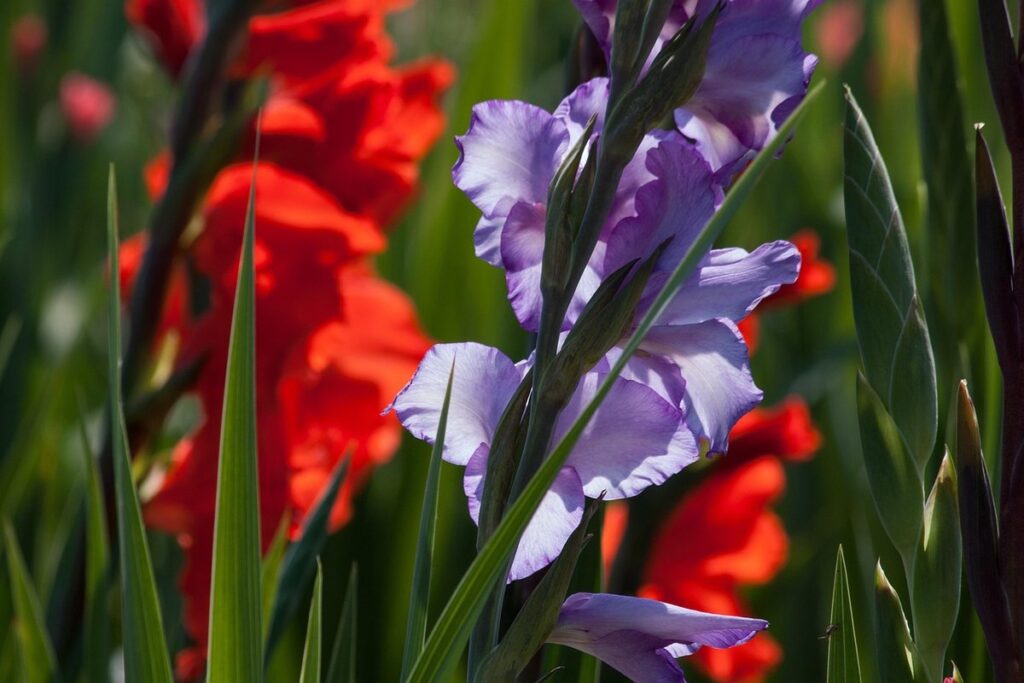
Understanding the Importance of Planting Depth
Understanding how deep to plant gladiolus bulbs is crucial for optimal growth and blooming. In this next part, we’ll break down why planting depth matters and its impact on your gladiolus flowers.
Factors Affecting Root Growth
When it comes to planting gladiolus bulbs at the right depth, understanding the factors that affect root growth is crucial. Soil quality and moisture levels play a significant role in determining the health and vigor of your gladiolus plants.
Soil quality has a direct impact on root growth. Well-draining soil with a pH between 6.0 and 7.0 is ideal for gladiolus bulbs. On the other hand, compacted or poorly draining soils can lead to waterlogged conditions, causing roots to rot and stunting plant growth.
Moisture levels also play a critical role in root development. While gladiolus bulbs need consistent moisture during the first growing season, they require drier conditions during dormancy. Overwatering can cause the bulb to rot, while underwatering can lead to weak or deformed roots.
To promote healthy root growth, make sure to plant your gladiolus bulbs in a location with full sun and well-draining soil. Water them regularly during the first growing season, but avoid overwatering. By providing optimal growing conditions, you’ll be rewarded with robust and vigorous plants that thrive for years to come.
Impact on Flower Production
When it comes to gladiolus planting depth, it’s essential to understand its impact on flower production. The optimal depth for maximum blooms is crucial, as it directly affects the number of flowers produced by each plant. Research has shown that gladiolus planted too shallowly can produce fewer flowers or no flowers at all.
A study published in the Journal of HortScience found that gladiolus plants planted 2-3 inches deeper than their crown resulted in significantly more blooms compared to those planted shallower. This is because the soil provides a stable environment for root growth, allowing the plant to focus its energy on producing flowers rather than supporting itself.
To maximize flower production, it’s recommended to plant gladiolus at a depth of 2-3 inches below their crown. This allows the roots to establish themselves in the soil while still providing enough space for the stem to emerge and produce blooms. By planting your gladiolus at the right depth, you can enjoy vibrant flowers all summer long.
Common Mistakes to Avoid
When planting gladiolus bulbs, it’s easy to make mistakes that can impact their growth and flowering performance. One common error is planting them too deeply or shallowly, which can affect the strength of the stem and the quality of the blooms.
Another mistake people often make is not choosing the right type of gladiolus for their specific climate and growing conditions. For instance, some varieties are more tolerant of heat and drought than others, so it’s essential to select a variety that suits your region’s temperature and moisture levels.
Additionally, many gardeners forget to plant the bulbs in well-draining soil, which can lead to rotting or fungal diseases. To avoid this, make sure the planting area has good drainage and consider adding organic matter like compost or well-rotted manure to improve soil structure.
Finally, don’t overcrowd your gladiolus plants, as this can lead to reduced flowering and increased susceptibility to pests and diseases. Give each bulb enough space to grow and receive adequate sunlight, water, and nutrients.
Choosing the Right Gladiolus Variety
When selecting gladiolus for your garden, consider factors such as bloom time, color palette, and height to ensure a harmonious display. This variety selection is crucial for a visually appealing outcome.
Selecting Bulbs Based on Climate
When it comes to selecting gladiolus bulbs for your garden, climate plays a significant role in their growth and performance. Different regions have unique temperature and weather patterns that can impact the bulb’s ability to thrive.
In general, gladiolus bulbs prefer well-drained soil and full sun to partial shade. However, the ideal growing conditions vary depending on your location. For example, if you live in a hot and dry climate like Southern California or Arizona, you’ll want to choose gladiolus varieties that are heat-tolerant and drought-resistant.
On the other hand, if you reside in a cooler and more humid region such as the Pacific Northwest, you may prefer gladiolus varieties that can handle the milder temperatures and higher moisture levels. Some popular gladiolus varieties for different climates include:
• ‘Grand Prix’ for hot and dry regions
• ‘White Prosperity’ for cool and moist areas
• ‘Carnival’ for warm and temperate zones
When selecting bulbs, be sure to check the specific growing requirements for your area. You can also consult with local nurseries or gardening experts who can provide guidance on the best gladiolus varieties for your climate.
Factors to Consider When Selecting a Variety
When selecting a Gladiolus variety, it’s essential to consider several factors that will meet your specific needs and preferences. Bloom size is one critical aspect to think about. Do you want statement pieces with large, show-stopping blooms or smaller, more delicate ones? Consider the scale of your garden and how the flowers will interact with surrounding plants.
Next, color is a crucial consideration. Will you be planting for a splash of vibrant color in a specific area or creating a cohesive look with monochromatic hues? Think about the overall aesthetic you want to achieve. You may also want to consider bloom duration – do you prefer varieties that produce flowers over an extended period, providing continuous color and interest, or those with shorter blooming periods?
When evaluating these factors, take note of the specific needs of your garden and climate. For example, if you live in a region with hot summers, choose varieties that are heat-tolerant and resistant to flopping. By considering bloom size, color, and duration, you can select Gladiolus varieties that will thrive in your garden and meet your specific needs.
Hybrid vs. Non-Hybrid Bulbs
When selecting gladiolus bulbs for planting, you’ll often come across two main types: hybrid and non-hybrid. Understanding the differences between these two can help you make an informed decision about which ones to plant.
Hybrid gladiolus bulbs are bred specifically for their unique characteristics, such as vibrant colors, larger blooms, or improved disease resistance. They’re created by crossing two different parent varieties, which allows them to inherit desirable traits from both parents. For example, a hybrid gladiolus might have the vigor and hardiness of one variety combined with the stunning coloration of another.
Non-hybrid bulbs, on the other hand, are less manipulated and tend to be more traditional in their appearance. They often produce flowers that are similar in size and color to those found in nature. While non-hybrids may not have the same level of disease resistance or growth vigor as hybrids, they’re often easier to grow and require less maintenance.
In terms of planting depth, hybrid bulbs generally fall within 2-3 inches deeper than their non-hybrid counterparts, as they tend to produce larger, more robust stems. However, this can vary depending on the specific variety you choose.
Planting Techniques for Optimal Growth
To maximize your gladiolus blooms, it’s essential to understand how planting depth affects their growth and performance. In this next part, we’ll dive into expert techniques for optimal results.
Pre-Planting Preparation
Before you start planting your gladiolus bulbs, it’s essential to prepare the soil and apply the right fertilizer. This step is crucial for optimal growth and flowering. Start by loosening the soil to a depth of about 12-18 inches using a fork or shovel. Remove any debris, rocks, or weeds that might be present.
Next, add a mix of compost or well-rotted manure to improve soil fertility and drainage. You can also use a balanced fertilizer like 10-10-10 NPK (nitrogen-phosphorus-potassium) at the recommended rate on the packaging. However, it’s essential to note that gladiolus bulbs don’t require a lot of nitrogen, so avoid over-fertilizing.
If your soil is heavy clay or sandy, mix in some organic matter like peat moss or perlite to improve its structure and water-holding capacity. This will help prevent root rot and promote healthy growth. Make sure the soil is moist but not waterlogged before planting, as this can cause rotting of the bulbs.
By following these steps, you’ll create a conducive environment for your gladiolus bulbs to thrive and produce stunning flowers.
Planting Depth Considerations
When planting gladiolus bulbs, getting the depth just right is crucial for optimal growth. Different varieties have specific requirements, but a general rule of thumb is to plant them 2-3 times deeper than the height of the bulb. For example, if you’re planting a variety that’s 1 inch tall, aim for a depth of 2-3 inches.
To achieve this optimal depth, start by digging a hole that’s about 6-8 inches deep. Place the gladiolus bulb in the center, making sure it’s sitting with the pointed end facing upwards. Cover it with soil, and then add a layer of fertilizer or compost to promote healthy growth.
It’s also essential to consider the root system when planting at varying depths. Some varieties have deeper roots than others, so be mindful of this when choosing your gladiolus type. For instance, the ‘Nanus’ variety has relatively shallow roots and can thrive in shallower soil, while the ‘Grandiflorus’ variety requires a bit more depth to accommodate its longer roots.
Remember that overcrowding is a common mistake when planting gladiolus bulbs. Make sure to plant them about 3-4 inches apart, depending on the variety, to allow for proper growth and air circulation.
Watering and Mulching Tips
When it comes to watering and mulching gladiolus bulbs, getting it right can be crucial for their optimal growth. Watering is essential, but overwatering can lead to rotting of the bulb, which can be devastating. A good rule of thumb is to water your gladiolus bulbs when the top 2-3 inches of soil feels dry to the touch. This usually translates to once or twice a week during the growing season.
Mulching around the base of the plant also plays a significant role in maintaining moisture levels and preventing diseases from taking hold. Organic mulch materials such as straw, bark chips, or pine needles are ideal for this purpose. Apply a 2-3 inch layer around the base of the plants to retain moisture and suppress weeds.
Keep in mind that gladiolus bulbs prefer well-drained soil, so if your garden has heavy clay or waterlogging issues, you may need to take extra precautions when watering and mulching.
Caring for Gladiolus After Planting
Now that you’ve successfully planted your gladiolus, it’s time to focus on their care. Proper aftercare will ensure your plants thrive and produce beautiful blooms for months to come.
Post-Planting Care
After planting gladiolus corms at the correct depth, it’s essential to provide them with proper care to ensure they thrive and produce beautiful blooms. One of the most critical aspects of post-planting care is regular watering. Gladiolus need consistent moisture, especially during the first growing season, but make sure not to overwater, as this can lead to rot and other problems. Water your gladiolus when the top 2-3 inches of soil feels dry to the touch.
In addition to watering, fertilization is crucial for healthy growth and blooming. Feed your gladiolus with a balanced, water-soluble fertilizer (20-20-20) once a month. You can also side-dress with high-phosphorus fertilizer (10-20-10) to promote blooming. It’s recommended to start fertilizing about 6 weeks after planting and continue until the blooming period.
It’s also important to keep an eye out for pests and diseases, such as aphids, whiteflies, and powdery mildew. Regularly inspect your plants and take action if you notice any issues. By following these simple care tips, you’ll be well on your way to enjoying a bountiful harvest of stunning gladiolus blooms.
Controlling Pests and Diseases
When you’ve successfully planted your gladiolus at the right depth, it’s essential to monitor them regularly for signs of pests and diseases. These common issues can quickly spread and destroy a beautiful crop if left unchecked.
Some common pests that affect gladiolus include aphids, whiteflies, and thrips. These tiny insects feed on the plant’s sap, weakening its defenses and making it more susceptible to disease. To control these pests, use neem oil or insecticidal soap as a foliar spray. For severe infestations, consider using systemic pesticides.
Diseases such as powdery mildew, leaf spot, and root rot can also affect gladiolus plants. These often result from excessive moisture, poor air circulation, or fungal spores in the soil. To prevent disease, ensure good air circulation around your plants and water them at the base rather than overhead. If you do encounter a problem, treat with fungicides specifically designed for these types of diseases.
Regularly inspecting your gladiolus plants and taking swift action when issues arise is key to maintaining their health and preventing further damage.
Pruning and Deadheading
When it comes to encouraging continued blooming from your gladiolus flowers, pruning and deadheading are crucial techniques to master. Pruning involves removing spent flower spikes after they’ve finished blooming, which not only tidies up the plant but also directs energy towards producing new blooms.
To prune gladiolus effectively, wait until the blooms have faded, then cut back the spike to about an inch above a bud or node on the stem. This will encourage the plant to produce another flower spike from that point. Make clean cuts using sharp, sterile pruning tools to prevent spreading diseases.
Deadheading, on the other hand, involves removing individual flowers as they fade, which helps maintain the plant’s appearance and encourages more blooms. Simply snip off spent flowers at their base, taking care not to damage any nearby buds or leaves.
Regular deadheading can significantly boost gladiolus blooming potential. For instance, if you have a particularly vigorous variety that produces multiple flower spikes, try removing individual flowers to encourage the plant to focus its energy on producing more blooms rather than seeding.
Troubleshooting Common Issues
If you’re experiencing problems with your gladiolus plants, don’t worry – we’ve got some solutions to help you troubleshoot common issues and get back on track. We’ll walk you through possible causes and fixes.
Identifying Root Bound Bulbs
Root-bound bulbs are a common issue that can hinder the growth and health of your gladiolus plants. So, what exactly is a root-bound bulb? Simply put, it’s when the roots of the bulb have filled the container or planting site to the point where new growth is severely restricted. This happens when bulbs are left in small pots for too long or when they’re planted too deeply.
To identify if your gladiolus bulbs are root-bound, gently remove them from their pots and inspect the roots. If you notice that the roots have filled the container and are circling around the inside of the pot, it’s likely a sign of being root-bound. You may also see small white or brown roots growing out of the drainage holes.
To prevent root-bound bulbs, make sure to choose large enough pots for your gladiolus bulbs. A general rule of thumb is to select a container that’s at least 6-8 inches deep and has good drainage. Avoid planting bulbs too deeply in the ground as this can lead to root-bound issues. When repotting, gently tease out the roots with a fork to encourage new growth. By taking these precautions, you’ll be giving your gladiolus bulbs the best chance at thriving and producing beautiful blooms.
Signs of Over- or Under-Watering
When it comes to growing gladiolus flowers, one of the most common mistakes gardeners make is over- or under-watering. This can be detrimental to the health and productivity of your plants. To identify whether you’re watering your gladiolus correctly, look out for these signs:
* Wilting leaves: If the leaves are droopy and limp, it may indicate that the soil is too dry. Check the soil moisture by inserting your finger into the soil up to the first knuckle.
* Yellowing or browning of leaves: This can be a sign of over-watering. Make sure not to waterlog the soil, as this can lead to root rot and other problems.
* Soft or mushy stems: If the stems are soft or mushy to the touch, it’s likely due to too much water.
To correct these issues, adjust your watering schedule accordingly. For under-watered plants, increase the frequency of watering. However, for over-watered plants, reduce the amount of water and allow the soil to dry slightly between waterings.
Addressing Pest and Disease Problems
When it comes to growing gladiolus, pest and disease problems can be a major concern. As you work on perfecting your gladiolus planting depth, it’s essential to take preventative measures to minimize the risk of infestations and infections.
Some common pests that affect gladiolus include aphids, whiteflies, and spider mites. To prevent these pests from taking hold, make sure to inspect your plants regularly for signs of damage or eggs. Use neem oil or insecticidal soap to control infestations, and consider introducing beneficial insects like ladybugs or lacewings to your garden.
Diseases such as botrytis, powdery mildew, and root rot can also affect gladiolus. To prevent these diseases from taking hold, make sure to provide good air circulation around your plants, water them in the morning to allow excess moisture to evaporate during the day, and avoid getting water on the foliage.
If you do encounter a pest or disease problem, don’t panic – there are treatment options available. Use fungicides or bactericides as directed, and remove any affected plant material to prevent the spread of infection. By taking preventative measures and addressing problems promptly, you can keep your gladiolus healthy and thriving.
Frequently Asked Questions
Can I plant gladiolus bulbs at any time of the year?
No, it’s essential to choose a suitable planting season for your area. In most regions, spring or fall is ideal for planting gladiolus bulbs, as these periods provide optimal growing conditions and minimize the risk of extreme temperatures. Make sure to select a planting season that aligns with your climate zone to ensure healthy root growth.
How do I know if my gladiolus bulb is root-bound?
A root-bound bulb will have circling or entwined roots, often visible through the bulb’s skin. To check, gently soak the bulb in water for a few minutes and then inspect its roots. If you notice excessive root growth or circling patterns, it may be best to divide the bulb before planting to prevent future complications.
Can I grow hybrid gladiolus varieties in areas with low soil pH?
While hybrid gladiolus bulbs can tolerate some variation in soil pH, they generally prefer a slightly acidic to neutral environment (pH 6.0-7.0). If your area has persistently low soil pH, consider selecting non-hybrid or more tolerant varieties that can adapt to the local conditions.
What should I do if my gladiolus plants experience pest or disease issues?
If you notice any signs of pests (e.g., aphids, slugs) or diseases (e.g., fungal infections), address the issue promptly. Remove affected areas, and implement integrated pest management techniques or organic solutions to control pests. Additionally, maintain proper watering and sanitation practices to minimize the risk of future problems.
Can I store gladiolus bulbs indoors during winter?
Yes, you can store gladiolus bulbs indoors over the winter months. After foliage has died back naturally, carefully dig up the bulbs and let them dry in a cool, dark place for 1-2 weeks to prevent moisture accumulation. Once dry, store the bulbs in a breathable container or bag, away from direct sunlight and heat sources.