
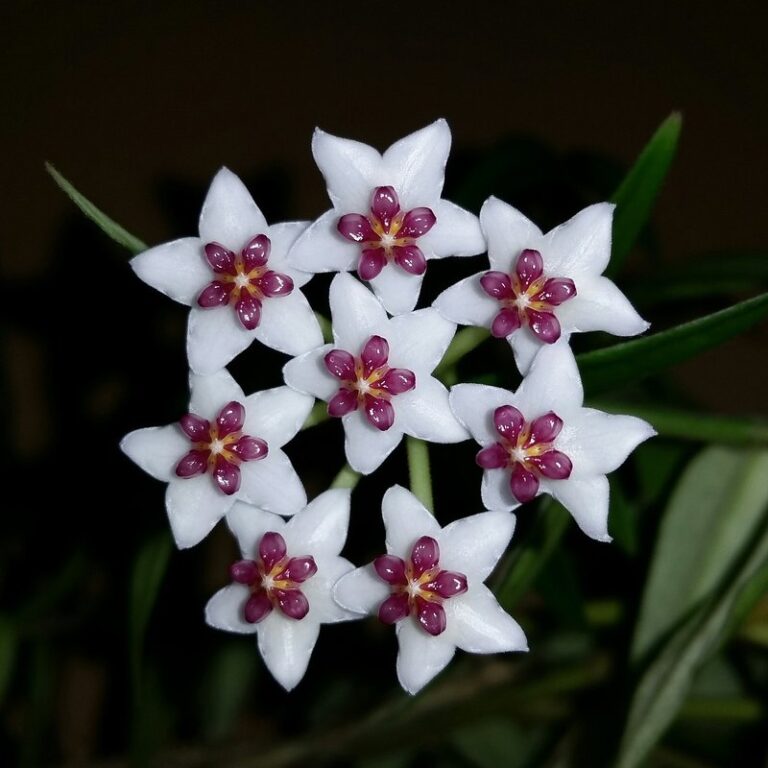
Getting your Hoya plant to bloom can be a bit of a challenge, but with the right knowledge and care, you’ll be rewarded with its stunning flowers. If you’re like many Hoya enthusiasts, you’ve probably noticed that your plant is thriving in terms of growth, but those beautiful blooms just aren’t happening – yet! The good news is that coaxing your Hoya into blooming is definitely possible with the right approach. In this comprehensive guide, we’ll walk you through the ideal growing conditions and optimal care required for a Hoya to bloom, as well as share some expert tricks to help induce those elusive flowers. By the end of this article, you’ll be equipped with everything you need to know to get your Hoya blooming like a pro!
Understanding Hoyas and Their Needs
To help your Hoya thrive, it’s essential to understand their unique needs, such as lighting and watering requirements. This section breaks down the basics of caring for a Hoya plant.
What are Hoyas?
Hoyas are popular, low-maintenance houseplants known for their stunning waxy leaves and fragrant flowers. These plants have a rich history, originating from the tropical forests of Southeast Asia and Australia. In fact, Hoyas have been cultivated for over 200 years, with their unique characteristics making them a favorite among plant enthusiasts.
There are numerous Hoya varieties to choose from, each with its own distinct appearance and characteristics. Some popular types include the Compacta, Carnosa, and Kerrii. The Hoya Compacta is known for its compact growth habit and small leaves, while the Hoya Carnosa boasts large, rounded leaves. The Hoya Kerrii, also known as the “Love Tree,” features heart-shaped leaves that resemble a miniature tree.
When selecting a Hoya variety, consider factors such as your climate, available space, and desired level of maintenance. Some Hoyas are more tolerant of dry conditions than others, while some require more frequent watering. By understanding the specific needs of your Hoya, you’ll be better equipped to provide it with the care necessary for optimal blooming.
Ideal Growing Conditions for Hoyas
Hoyas are adaptable plants that can thrive in various conditions. However, to encourage blooming, it’s essential to provide them with ideal growing conditions.
First and foremost, hoyas prefer temperatures between 65°F (18°C) and 75°F (24°C). Avoid placing your Hoya near heating vents or radiators as this can cause stress. Some Hoya species, like the compact varieties, can tolerate cooler temperatures around 55°F (13°C), but be cautious not to expose them to prolonged periods of cold.
In terms of lighting, Hoyas require bright, indirect light to produce blooms. East- or west-facing windows are ideal, as they provide gentle sunlight without causing scorching. Direct sunlight, especially during peak hours, can lead to burning and reduced blooming potential.
Watering is another crucial aspect of providing optimal conditions for your Hoya. Allow the soil to dry slightly between waterings, as overwatering is a common cause of root rot and poor flowering. Check the moisture level by gently sticking your finger into the soil up to the first knuckle – if it feels dry, it’s time to water.
Providing Optimal Care for Your Hoya
To help your Hoya bloom, it’s crucial to provide a stable environment that meets its specific needs, such as bright indirect light and moderate watering. A well-cared-for plant is more likely to produce flowers.
Soil Quality and Repotting
When it comes to growing a healthy and blooming Hoya plant, soil quality plays a crucial role. A well-draining potting mix is essential for Hoyas as they are prone to root rot if the roots sit in waterlogged soil. Look for a mix specifically designed for tropical plants or cacti and succulents, as these tend to have better drainage properties.
When repotting your Hoya, choose a container that is only slightly larger than the previous one, as Hoyas prefer to be slightly root-bound. Repot every 2-3 years in the spring, using fresh potting mix and gently teasing out the roots with a fork. Be careful not to damage the delicate roots.
Some signs that your Hoya needs repotting include: water pooling around the base of the plant, the soil taking too long to dry between waterings, or if you notice an overall decrease in growth rate. Keep an eye on these indicators and be prepared to give your Hoya a fresh start with a new pot and mix every 2-3 years.
Fertilization and Pruning
Fertilizing and pruning are crucial aspects of providing optimal care for your Hoya. A well-fed Hoya will be more likely to produce plenty of flowers. Feed your Hoya with a balanced fertilizer (20-20-20) during the growing season, which typically lasts from spring to fall. Dilute the fertilizer to half the recommended strength to avoid burning the roots.
Pruning is essential for promoting healthy growth and encouraging blooming. Remove any dead or damaged leaves or stems to prevent the spread of disease. Cut back long vines to encourage branching and more blooms. You can also prune your Hoya after it finishes blooming, removing the flower stalks to direct energy towards producing new flowers.
When pruning, make clean cuts just above a node (the point where a leaf meets the stem). This will help prevent infection and encourage new growth. Prune your Hoya regularly throughout its growing season to maintain its shape and promote blooming. By providing your Hoya with the right nutrients through fertilization and pruning it properly, you’ll be well on your way to achieving a beautiful bloom.
Stimulating Bloom in Hoyas
Now that you’ve got your Hoya growing strong, let’s talk about creating an environment that encourages those gorgeous flowers to bloom. We’ll explore techniques to stimulate a bountiful display of blooms in Hoyas.
Factors that Influence Blooming
When it comes to stimulating bloom in Hoyas, several factors play a crucial role. Temperature, for instance, can have a significant impact on blooming. Hoyas typically thrive in temperatures between 65-75°F (18-24°C), with a slight dip in temperature during winter months helping to induce flowering. On the other hand, exposure to high temperatures above 80°F (27°C) can delay or even prevent blooming.
Lighting also plays a vital role in promoting bloom in Hoyas. While they prefer bright, indirect light, direct sunlight can cause the leaves to become scorched and the plant to focus its energy on producing new growth rather than flowers. To encourage blooming, place your Hoya near an east- or west-facing window.
Watering and fertilization are also essential factors that influence blooming in Hoyas. Over-watering can lead to root rot, which prevents the plant from putting energy into flowering. Similarly, a lack of fertilization can hinder nutrient uptake by the plant. Aim for well-draining potting mix and use a balanced, water-soluble fertilizer during the growing season to promote healthy growth and blooming.
In terms of specific recommendations, it’s essential to maintain consistent watering habits and avoid getting water on the leaves or crown. Fertilize sparingly but regularly, following the product’s instructions for optimal results. By paying attention to these factors, you can create an environment that encourages your Hoya to produce those beautiful blooms.
Tricks to Induce Blooming
Inducing blooming in hoyas requires a combination of proper care and specific tricks. To stimulate blooming, consider repotting your hoya plant into a slightly larger pot during the spring season when it’s actively growing. This change in environment can encourage the plant to produce new growth and eventually lead to blooming.
Another crucial aspect is pruning. Hoyas typically bloom on mature stems, so pruning back the tips of these stems can help redirect energy towards producing flowers. Cut back about one-third to half of the stem’s length, making clean cuts just above a node (where a leaf meets the stem). This process not only encourages blooming but also maintains the plant’s shape and promotes healthy growth.
It’s essential to prune your hoya at the right time – late winter or early spring. Pruning in the fall can stimulate new growth, which might lead to vegetative growth instead of flowering.
Repotting and pruning are essential steps that should be done annually for optimal blooming results.
Identifying the Right Hoya Variety for Bloomers
So, you’ve got your hoya plant and it’s finally time to think about blooms – but did you know that not all Hoyas are created equal when it comes to flowering?
Choosing a Hoya Variety with Good Blooming Potential
When it comes to getting a hoya to bloom, choosing the right variety is crucial. Some Hoya varieties are naturally more inclined to produce flowers, while others may require more effort and care. To increase your chances of seeing those beautiful blooms, select a variety known for its good blooming potential.
Look for Hoya varieties like Hoya kerrii, Hoya carnosa, and Hoya compacta, which are notorious for producing an abundance of flowers. These plants thrive in well-draining soil and bright, indirect light, making them ideal for indoor conditions. Hoya linearis is another popular choice, with its delicate white blooms that resemble stars.
Some other factors to consider when selecting a blooming Hoya include temperature, humidity, and fertilization. Opt for varieties that prefer cooler temperatures (around 60-70°F) and higher humidity levels. Regular fertilization, especially during the growing season, can also encourage blooming.
By choosing a Hoya variety with good blooming potential and providing the right conditions, you’ll be well on your way to enjoying beautiful flowers from your plant.
Characteristics of Bloom-Friendly Hoyas
When it comes to coaxing your Hoya into bloom, some varieties are more willing participants than others. Certain characteristics make a Hoya more likely to produce fragrant flowers, and these traits can give you an edge when trying to get your plant to bloom.
Fragrance is one such characteristic that significantly influences a Hoya’s blooming potential. Hoyas with strong scents tend to be more inclined to produce flowers, as their fragrance serves as an attractant for pollinators. For example, the Hoya archboldiana and Hoya kerrii are known for their sweet, heady fragrances, which increase the likelihood of blooms.
Flower size is another characteristic that can impact a Hoya’s ability to bloom. Hoyas with larger flowers often produce more blooms overall, although individual blooms may be smaller in scale. This is because larger flowers typically require more energy and resources from the plant, triggering it to produce multiple blooms rather than a single, showy one.
In terms of choosing a Hoya variety that is likely to bloom, look for plants with these characteristics:
Addressing Common Issues That Prevent Hoya Bloom
If you’re finding that your hoya just won’t bloom, don’t worry – we’ve got some common issues to tackle first. Let’s address the most common problems holding back a beautiful bloom.
Over- or Under-Watering Issues
Over-watering is one of the most common issues that prevent Hoyas from blooming. When the roots are constantly saturated with water, it can lead to root rot and weaken the plant’s overall health. As a result, the Hoya may struggle to produce flowers. To avoid this issue, ensure you’re not over-watering your Hoya by checking the soil moisture before each watering session.
A simple way to do this is by sticking your finger into the soil up to the first knuckle. If the soil feels dry at this depth, it’s time to water. On the other hand, if it’s already moist, wait a few more days before checking again.
Under-watering can also impact blooming. Hoyas need consistent moisture levels, especially when they’re producing flowers. A decrease in watering frequency can cause stress to the plant, which may lead to flower drop or prevent new blooms from forming. To address under-watering issues, gradually increase your watering schedule, but be cautious not to overdo it.
Pay attention to your Hoya’s response to changes in its watering routine and adjust accordingly.
Pest and Disease Problems
Pests and diseases can be a significant obstacle when trying to encourage Hoya blooms. Infestations of mealybugs, spider mites, and scale can weaken the plant and reduce its ability to produce flowers. Similarly, fungal diseases like root rot and leaf spot can cause damage that’s hard to reverse.
To prevent pest infestations, inspect your plants regularly and quarantine new additions for a few weeks before introducing them to the rest of the collection. Isolate any affected areas or plants, and treat them with insecticidal soap or neem oil according to the product’s instructions.
In terms of disease prevention, ensure good air circulation around your Hoyas by providing adequate space between plants. Maintain high humidity levels during the winter months when the plant is dormant. Water carefully, avoiding overwatering which can lead to root rot. Regularly inspect for signs of pests or diseases and address them promptly to prevent widespread damage.
By keeping a close eye out for potential problems and taking preventative measures, you can minimize the risk of pest and disease issues impacting your Hoya’s blooming ability.
Tips for Encouraging Repeat Blooms in Hoyas
If you’re lucky enough to coax a Hoya into bloom, you’ll want to know how to encourage repeat blooms, right? This section shares expert tips for stimulating multiple flushes of flowers.
How to Make Your Hoya Bloom Multiple Times
To encourage repeat blooms in your hoya, it’s essential to provide the right conditions and care. Fertilization plays a crucial role in promoting blooming. Feed your hoya with a balanced fertilizer during the growing season (spring and summer). However, avoid over-fertilizing, as this can lead to weak growth and fewer flowers.
Pruning is another critical aspect of encouraging repeat blooms. Prune your hoya after it has finished blooming, cutting back the spent flower spikes to encourage new growth and flowering. Remove any dead or dying stems, but be cautious not to cut too much back at once, as this can stress the plant. By maintaining a healthy balance between fertilization and pruning, you’ll set your hoya up for repeat blooms.
Remember that hoyas have different blooming patterns, so it’s essential to understand their specific needs. For example, some varieties may require more frequent fertilization or pruning than others. Observe your plant’s behavior and adjust its care accordingly. With the right balance of nutrients and proper pruning techniques, you’ll be rewarded with multiple blooms throughout the year.
Creating a Favourable Environment for Re-Blooming
To encourage repeat blooms in your hoya, it’s essential to create an environment that supports this natural process. Hoyas typically require a period of cooler temperatures and reduced watering after blooming to stimulate reblooming. Start by allowing the plant to dry out slightly between waterings, as root rot can prevent flowering. Keep the temperature range between 60-70°F (15-21°C) during this period, which is usually around 1-2 months after blooming.
This period of rest allows the plant to redirect its energy from leaf growth to flower production. It’s also crucial to provide your hoya with a well-draining potting mix and repot it every 2-3 years to maintain good root health. Avoid over-fertilizing, as this can promote leaf growth at the expense of flowering.
By mimicking the plant’s natural environment and giving it time to rest, you’ll be creating an ideal setting for your hoya to rebloom. Keep in mind that some varieties may not bloom every year, but with proper care and patience, you can encourage repeat blooms and enjoy the beauty of these stunning plants multiple times.
Conclusion: Enjoying the Blooms of Your Hoya
Now that your Hoya has finally bloomed, it’s time to enjoy this beautiful sight. Remember, the blooms on Hoyas are relatively short-lived, so make the most of this fleeting beauty. Take plenty of photos and share them with friends and family – trust us, they’ll be impressed! As you admire your plant’s flowers, appreciate the patience and effort that went into nurturing it to bloom.
To truly enjoy your Hoya’s blooms, consider displaying it prominently in a spot where you can see its flowers from multiple angles. This will allow you to take in every detail of these stunning flowers. Also, be sure to provide your Hoya with optimal growing conditions during this time, as the energy spent on blooming can temporarily reduce its growth rate.
By following our comprehensive guide and providing your Hoya with the right care, you’ll soon find yourself basking in the joy of seeing your plant bloom. Keep in mind that Hoyas are known for producing multiple inflorescences over their lifespan, so there’s plenty to look forward to!
Frequently Asked Questions
How do I know if my Hoya is getting enough light to bloom?
Lighting can significantly impact your Hoya’s ability to produce flowers. If you’re unsure whether your plant is receiving sufficient light, observe its growth and leaf color. A healthy Hoya should have vibrant green leaves with a moderate amount of indirect sunlight. If the leaves appear pale or leggy, consider moving the plant to a brighter location with filtered sunlight.
Can I fertilize my Hoya too much?
While fertilization is essential for promoting blooming, over-fertilizing can harm your plant. Stick to a balanced, water-soluble fertilizer (20-20-20) and follow the manufacturer’s instructions. Feed your Hoya sparingly during the growing season (spring and summer), as excessive fertilizer can lead to weak flowers or even prevent blooming altogether.
How often should I repot my Hoya for optimal bloom?
Repotting is crucial for maintaining your Hoya’s health, especially if it’s been in the same pot for an extended period. Repot every 2-3 years to provide fresh soil and a slightly larger container. Choose a well-draining potting mix specifically designed for tropical plants like Hoyas.
What are some common pests that can affect my Hoya’s ability to bloom?
Pests like mealybugs, spider mites, and scale can all hinder your Hoya’s blooming potential. Regularly inspect your plant for signs of infestation, such as white cottony patches or tiny moving dots on the leaves. If you suspect an issue, treat your Hoya with insecticidal soap or neem oil according to the product instructions.
Can I propagate my Hoya from cuttings if it’s not blooming?
Yes, you can propagate your Hoya from healthy stem cuttings even if it’s not currently blooming. This is a great way to share plants with friends or create new specimens with good blooming potential. Choose sturdy stems with at least two nodes, remove lower leaves, and dip the cut end in rooting hormone before planting in well-draining soil.