
If you’re tired of seeing those slimy creatures munched up on your prized plants, you’re in luck. Getting rid of slugs from your garden or home is easier than you think. These pesky pests can quickly turn a lush landscape into a barren wasteland, making it crucial to take action against their presence. But what’s the best way to deal with these slimy invaders? In this article, we’ll dive into effective strategies for removing slugs using physical, chemical, and integrated pest management techniques. We’ll also share expert tips on how to prevent slug infestations and maintain a slug-free environment. By the end of this guide, you’ll be equipped with the knowledge to protect your garden or home from these unwelcome visitors and enjoy a thriving, healthy space.
Understanding the Problem
To effectively tackle a slug infestation, it’s essential to first understand the underlying causes and common signs of these pesky pests in your garden. This section will break down what goes wrong.
What are Slugs?
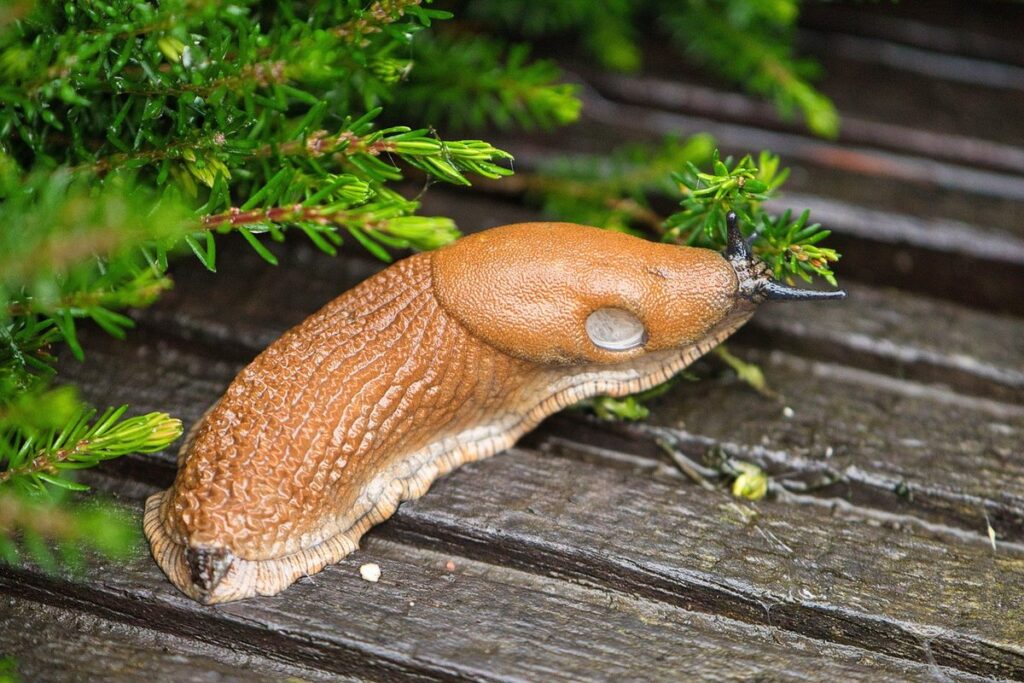
Slugs are a type of gastropod mollusk that is closely related to snails. They have no external shell and instead rely on their soft, slimy bodies for protection. Slugs can be found in a wide range of habitats, including gardens, homes, and even urban areas.
These pests thrive in moist environments with high humidity levels, making them particularly common in regions with mild winters or heavy rainfall. Their habitats often include decaying plant matter, compost piles, and other damp areas where they can feed on decaying organic material.
In gardens, slugs can be a significant nuisance, feeding on plants at night and leaving behind unsightly holes and silvery trails of slime. They are also known to cause damage to home gardens, lawns, and even indoor plants by consuming seeds, seedlings, and mature foliage.
Slugs are most active at night when the temperature is cooler, making them difficult to spot. However, they can be detected by looking for their slimy trails or finding them hiding in dark, damp areas during the day.
Types of Slugs and Their Dangers
There are several types of slugs that can infest your garden, yard, or even home. The most common ones include:
* Garden slugs (Arion spp.), which feed on a wide range of plants, from lettuce to roses.
* Banana slugs (Ariolimax columbianus), found in North America, are known for their voracious appetites and ability to cause significant damage to crops.
* Leopard slugs (Limax maximus) are large, grayish-brown slugs with distinctive leopard-like spots. They can grow up to 10 inches in length and feed on a variety of plants, including flowers, vegetables, and even tree bark.
These pests pose a significant threat not only to your garden’s health but also to the safety of your property and family members. For instance, banana slugs have been known to carry rat lungworms (Angiostrongylus cantonensis), a parasite that can cause severe neurological damage in humans if ingested through contaminated soil or plant matter.
To protect yourself and your loved ones, make sure to wear gloves when handling plants or mulch, and wash your hands thoroughly after working outdoors. Regularly inspecting your garden for signs of slug activity and taking preventative measures can also help minimize the risk of infestation.
Physical Methods for Removing Slugs
If you’re looking for a more hands-on approach, physical methods can be an effective way to remove slugs from your garden. Let’s explore some common techniques that work.
Trapping and Hand-Catching
When it comes to physically removing slugs from your garden or yard, trapping and hand-catching can be an effective method. For larger areas or for those who prefer a more hands-on approach, setting up traps is a great option.
To make DIY slug traps, you’ll need a few simple materials such as plastic containers, beer, yeast, and some bait like lettuce or fruit. Fill the container with about 1-2 inches of beer, add some yeast to help break down the beer’s fermentation process, which will attract slugs, and place a piece of bait inside. Slugs will crawl into the container to reach the bait but won’t be able to escape due to their slimy bodies being unable to climb out.
For hand-catching, approach slowly at night when slugs are most active. Use gloves or a damp cloth to pick them up carefully, as they can secrete mucus that’s difficult to clean from skin. Be cautious not to touch your face or eyes after handling slugs. If you’re looking for an eco-friendly method, this is one of the best options available.
Using Barriers and Repellents
One of the most effective ways to deter slugs from entering your garden or home is by using barriers and repellents. Copper tape, for instance, is an excellent barrier that can be applied around plant pots or even along the edges of your garden bed. Slugs are naturally averse to copper and will avoid crossing over it whenever possible.
Another popular option is crushed eggshells, which can be sprinkled liberally around vulnerable plants. The sharp edges of these shells will deter slugs from crawling over them, giving your plants an extra layer of protection.
Certain plants also possess strong scents that repel slugs. Some examples include garlic, chives, and mint. Planting these in your garden not only adds a pleasant aroma but also helps to keep slugs at bay. By strategically placing these repellent plants around the perimeter of your garden or near affected areas, you can create a natural barrier that deters slugs from entering.
These methods may require some initial effort, but they can prove highly effective in keeping slugs away and minimizing damage to your garden.
Chemical Methods for Removing Slugs
If you’re not keen on using natural deterrents, chemical methods can also be effective in removing slugs from your garden. We’ll explore some popular options below.
Slug Pellets and Baiting Systems
Commercial slug pellets and baiting systems are widely used to control slug populations, but their effectiveness and environmental impact vary. Many products contain iron phosphate (Ironite) as the active ingredient, which is considered a safer alternative to traditional metaldehyde-based baits. Iron phosphate works by inhibiting the growth of slugs’ calcium oxalate crystals, eventually causing them to die.
However, some studies suggest that these pellets may not be as effective in controlling slug populations, especially when used alone. For instance, a study published in the Journal of Pest Science found that iron phosphate baits were less effective than metaldehyde baits in reducing slug numbers in agricultural settings.
Environmental concerns surrounding commercial slug pellets and baiting systems include the risk of non-target organisms, such as birds, pets, and beneficial insects, being poisoned. Additionally, the use of these products can contaminate soil and water ecosystems. To minimize risks, always follow label instructions and take necessary precautions when handling and applying these products. When choosing a slug bait, look for products that contain environmentally friendly active ingredients and are specifically designed to target slugs rather than non-target species.
Homemade Slug Baits and Repellents
Creating homemade slug baits and repellents is an eco-friendly alternative to chemical-based solutions. Beer has been found to be a particularly effective attractant for slugs, as they are drawn to its fermentation byproducts. Mix one part beer with two parts water in a shallow dish, placing it near the affected area. Slugs will be attracted to this bait and will consume it, ultimately leading to their demise.
Another natural ingredient that can be used is yeast. Mix equal parts of yeast and sugar, then add a small amount of water to create a sticky paste. Apply this paste around the perimeter of your garden or plant beds. The yeast will ferment quickly, releasing carbon dioxide gas that will attract slugs.
For repellents, try mixing soap with water in a spray bottle. Spray this solution directly on plants to deter slugs from feeding on them. This method is particularly effective for sensitive plants like lettuce and spinach. Additionally, certain herbs such as mint, garlic, and chamomile have natural properties that repel slugs and can be planted around the perimeter of your garden.
Integrated Pest Management (IPM) Strategies
To effectively manage slug infestations, consider implementing integrated pest management strategies that combine physical barriers, repellents, and cultural controls to minimize damage. These methods can be a game-changer for your garden.
Combining Physical and Chemical Methods
Combining physical and chemical methods is often the most effective approach to managing slug infestations. Physical barriers can be an excellent complement to chemical treatments by blocking slugs from entering treated areas while minimizing the need for frequent reapplication of chemicals.
For instance, you could lay copper tape or mesh around plants to deter slugs, as they dislike the taste and smell of copper. This method works well when combined with a targeted application of molluscicides containing iron phosphate. For optimal results, apply these chemical treatments in early morning or evening when slugs are most active.
Another strategy is to use traps to capture and remove slugs from treated areas before applying chemicals. For example, beer traps can be effective as they lure slugs into the liquid with its fermentation byproducts. These physical methods help minimize exposure risks for beneficial organisms while achieving better control of slug populations.
Prevention Techniques and Habitat Modification
Preventing slugs from taking over your garden is often as simple as changing the environment they thrive in. One of the most effective ways to discourage slugs is by removing weeds and debris that provide them with food, shelter, and moisture. Regularly clearing out weeds, especially those that are close to your plants, can help reduce slug populations.
Improving drainage around your garden is another crucial step. Slugs love damp environments, so ensuring that water doesn’t collect in low-lying areas can make it less appealing for them to stay. This can be achieved by installing French drains or adjusting the soil’s slope to direct rainwater away from plants.
Using slug-resistant plants can also help deter these pests. Certain species of flowers and vegetables are naturally more resistant to slugs, so incorporating these into your garden design can reduce infestations. Consider using plants like lavender, rosemary, and garlic, as they’re known to repel slugs.
Long-Term Solutions and Maintenance
Now that you’ve taken care of the immediate slug problem, let’s focus on creating a long-term solution to prevent these pests from coming back. We’ll cover maintenance strategies for your garden.
Sluggo-Proofing Your Garden or Home
Creating a slug-proof environment is crucial for long-term protection against these pesky pests. To achieve this, you’ll need to consider installing barriers, traps, and repellents around your garden or home.
Start by identifying high-risk areas where slugs are most likely to enter. This includes planters, raised beds, and any areas with moist soil or decaying organic matter. Once identified, install physical barriers such as copper tape or crushed eggshells around the perimeter of these zones. Slugs don’t like to cross over sharp or metallic surfaces, so this will deter them from entering.
Traps can also be an effective way to manage slugs. Create a shallow pit filled with beer (yes, you read that right!) and place it near affected areas. Slugs are attracted to the fermented smell of beer and will fall in, allowing you to remove them humanely. Alternatively, use sticky traps or copper mesh to capture and dispose of unwanted slugs.
Repellents can also be used to deter slugs from entering your garden or home. Certain essential oils like garlic, mint, and lemongrass have natural deterrent properties that can repel slugs. Mix a few drops of these oils with water and spray them around the perimeter of your garden or in entry points. This will create an unwelcome environment for slugs to inhabit, reducing their numbers over time.
Monitoring and Adapting to Slug Activity
Monitoring slug activity is crucial to ensuring that your prevention strategies remain effective over time. This means regularly inspecting your garden or plants for signs of slug damage, such as holes in leaves or stems, or slimy trails on surfaces.
As you monitor your garden, take note of any patterns or trends you observe. Are certain areas more prone to slug activity? Do you notice that slugs are more active during specific times of day or weather conditions?
To adapt your strategies as needed, start by adjusting the timing and frequency of your prevention measures. For example, if you find that slugs are more active at night, consider applying barriers or repellents before dusk. Alternatively, if you discover that a particular type of plant is particularly vulnerable to slug damage, adjust your crop rotation plan accordingly.
By regularly monitoring and adapting to slug activity, you can ensure that your garden remains protected from these pesky pests and maintain the effectiveness of your prevention strategies over time. Keep in mind that every season brings new challenges, so stay vigilant and be prepared to make adjustments as necessary.
Frequently Asked Questions
What should I do if I have a large garden with multiple areas where slugs are present?
It’s best to prioritize one area at a time, starting with the most severely affected zone. Focus on implementing a combination of physical and chemical methods to ensure you’re targeting the entire population effectively. Use barriers and repellents around the perimeter to prevent further infestation while treating the specific area.
Can I use multiple types of slug traps or baits together?
Yes, combining different trap types can enhance effectiveness and cater to various slug behaviors. Using a combination of sticky traps, baited traps, and homemade repellents can increase your chances of success. Be sure to space them strategically around the garden to ensure thorough coverage.
How often should I reapply barrier materials or replace baits?
Regular monitoring is key to maintaining control over slug populations. Reapply barrier materials as needed (typically every 7-10 days) and check traps regularly, replacing bait or cleaning sticky surfaces to prevent decay or decreased effectiveness. Adjust your schedule according to weather patterns and garden conditions.
Are there any natural or organic chemicals I can use to deter slugs?
Yes, certain essential oils like lavender, mint, and chamomile have been shown to repel slugs. You can mix these with water to create a homemade spray for application around affected areas. Additionally, incorporating certain plants known to be slug-repellent, such as garlic, onion, or hot pepper varieties, into your garden can provide long-term benefits.
Can I use the same methods for getting rid of snails as well?
While both slugs and snails share similar habits and vulnerabilities, using identical removal strategies might not always be effective. Snails are more likely to retreat under cover when threatened, so incorporating physical barriers around plants and using targeted traps may prove more effective than with slugs.