
Are you tired of struggling with low tomato germination rates? Do you want to get a head start on the growing season by successfully starting your seeds indoors? With a little know-how and the right techniques, you can boost your chances of successful tomato seed germination. But what exactly goes into creating the perfect conditions for those tiny seeds to sprout? In this article, we’ll dive into the world of optimal temperature ranges, advanced seed starting methods, and expert tips to help you achieve higher success rates with your tomato seed germinations. From the ideal warmth of a sunny windowsill to more sophisticated methods like grow lights, we’ll cover it all to ensure that your tomatoes have the best possible start in life.
Understanding Tomato Germination Basics
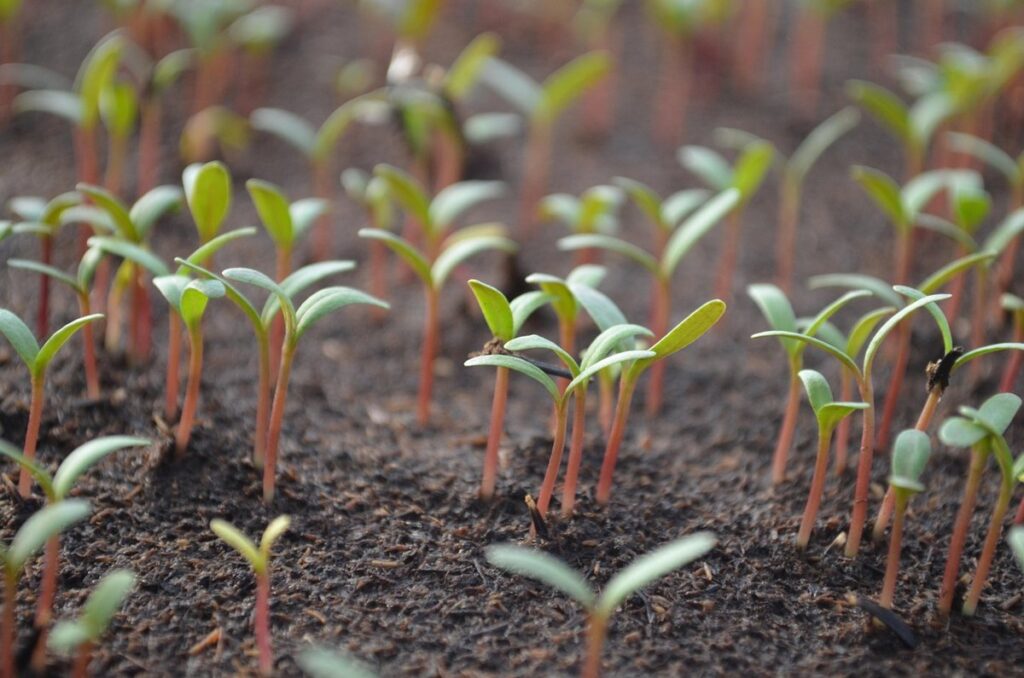
Let’s start by understanding the basics of tomato germination, which involves the seed sprouting into a tiny plant through a series of crucial steps. This process sets the foundation for a healthy and thriving tomato plant.
Factors Influencing Germination Rates
Tomato seed germination is influenced by several key factors that can make or break the success of your growing season. Temperature plays a crucial role in this process, with optimal temperatures ranging between 70-85°F (21-29°C). Temperatures below 60°F (15°C) can slow down germination, while anything above 90°F (32°C) can be detrimental to the seeds.
Moisture is another essential factor that affects tomato seed germination. Seeds need consistent moisture to germinate, but overwatering can lead to rot and other problems. A general rule of thumb is to keep the soil consistently moist during the first few weeks after sowing. Aim for a daily water intake of about 1-2 inches (2.5-5 cm) depending on your climate.
Light exposure also impacts germination, although it’s less critical than temperature and moisture. Tomatoes can germinate in low-light conditions, but optimal growth will occur when seeds receive sufficient light. In areas with limited natural light, consider using grow lights to supplement the existing light.
Importance of Proper Seed Handling
When handling tomato seeds, it’s essential to get it right from the start. Proper seed handling is crucial for optimal germination rates, which can make all the difference between a bountiful harvest and a disappointing one.
If you’ve ever struggled with low germination rates or wondered why your seeds aren’t sprouting as expected, it might be due to improper seed handling. Seeds are incredibly delicate, and even minor mistakes can affect their viability.
Some common pitfalls to avoid include storing seeds in humid environments, exposing them to extreme temperatures, and subjecting them to physical stress. For instance, tomato seeds typically require a consistent temperature between 65°F to 75°F (18°C to 24°C) during the germination process.
To ensure optimal seed handling, store your seeds in a cool, dry place with minimal light exposure. You can also consider using airtight containers or seed packets specifically designed for seed storage. By taking these simple precautions, you’ll be well on your way to achieving high germination rates and setting yourself up for success in the garden.
Optimal Conditions for Tomato Germination
To give your tomato seeds the best chance at successful germination, you need to provide them with optimal conditions that mimic their natural environment. This includes specific temperature and moisture levels.
Ideal Temperature Ranges for Germination
When it comes to germinating tomato seeds, temperature plays a crucial role in determining their success. While tomatoes can tolerate a wide range of temperatures, there are ideal ranges that promote healthy germination.
Optimal temperatures for germination typically fall between 70°F (21°C) and 85°F (29°C). Within this range, the sweet spot is around 75°F to 80°F (24°C to 27°C), where seeds tend to sprout in as little as 7-10 days. This temperature window allows for a balance of moisture retention and cell division, essential for germination.
Tolerable limits exist outside this optimal range. Seeds can still germinate at temperatures as low as 60°F (16°C) or as high as 90°F (32°C), but the process will be slower. Keep in mind that excessive heat above 95°F (35°C) can lead to reduced germination rates and increased risk of seed rot.
To achieve optimal temperature conditions, consider using a heating mat or placing your seedlings near a sunny window. Be cautious not to overheat, as this can damage the seeds. By providing the right temperature environment, you’ll be well on your way to successful tomato germination.
Watering Techniques for Germinating Tomatoes
When it comes to watering germinating tomatoes, consistency and moderation are key. Overwatering is one of the most common mistakes that can lead to poor germination rates or even rotting seeds.
As a general rule, water your tomato seeds once a day, but make sure the soil isn’t too wet or soggy. Check the moisture level by sticking your finger into the soil up to the first knuckle; if it’s dry, it’s time for watering. Aim for a humidity level of around 70-80% during germination.
To maintain optimal humidity levels, you can cover the container with a clear plastic bag or a cloche. However, avoid overwatering by monitoring the soil daily and providing adequate air circulation to prevent fungal growth.
A good example of proper watering technique is to water your tomato seeds in the morning, so the plants have the entire day to dry out slightly before nightfall. This will help prevent fungal diseases that thrive in moist environments.
Seed Starting Methods for Tomatoes
Now that we’ve covered the basics of tomato germination, let’s dive into the specifics of seed starting methods. We’ll explore various techniques to get your tomatoes off to a strong start in pots.
Soil-Based Seed Starting
Soil-Based Seed Starting: A Traditional Approach to Growing Tomato Seeds
For many gardeners, starting tomato seeds in soil is a tried-and-true method that has been passed down through generations. This traditional approach involves planting seeds directly into a potting mix and allowing them to germinate and grow before being transplanted outdoors. One of the main benefits of soil-based seed starting is that it allows for more control over the soil’s moisture levels, making it easier to prevent overwatering or underwatering.
However, there are some drawbacks to consider when using this method. For instance, soil can be prone to compacting, which can hinder root growth and lead to transplant shock. Additionally, soil-based seed starting requires a significant amount of space and equipment, such as pots and trays. To minimize these issues, it’s essential to use high-quality potting mix that is specifically designed for seed starting.
When starting tomato seeds in soil, make sure to plant them at the correct depth (usually ¼ inch) and keep the soil consistently moist but not waterlogged. With proper care and attention, you can enjoy healthy, robust seedlings that will thrive when transplanted into your garden.
Hydroponic and Aeroponic Systems
If you’re looking to give your tomato seedlings a head start on the growing season, consider using hydroponic and aeroponic systems for seed starting. These methods offer numerous benefits, including improved water efficiency, increased yields, and reduced soil-borne diseases.
Hydroponic systems involve suspending the roots of the plants in a nutrient-rich solution rather than soil. This setup allows for precise control over the amount of nutrients provided to the plants, reducing waste and promoting healthy growth. Aeroponic systems take it a step further by using fine mists to deliver the nutrients directly to the roots, minimizing evaporation and runoff.
One key advantage of these systems is that they can be easily scaled up or down depending on your specific needs. For example, if you’re just starting out with a small batch of tomato seeds, an aeroponic system might be ideal due to its compact size and minimal maintenance requirements. On the other hand, larger operations may prefer hydroponic systems for their greater versatility and ability to accommodate multiple crops.
When choosing between these two options, consider factors such as space constraints, budget, and desired level of control over nutrient delivery.
Troubleshooting Common Germination Issues
Don’t worry if things don’t go as planned, we’ve got you covered! This section tackles common germination issues and provides practical solutions to get your tomato seeds growing.
Poor Seed Viability
Poor seed viability is one of the most frustrating germination issues tomato growers face. It’s not just about the quality of seeds, but also how you store and handle them. When seeds are stored improperly, it can affect their viability, leading to lower germination rates.
Proper storage conditions for tomato seeds include keeping them in a cool, dry place away from direct sunlight. The ideal temperature range is between 32°F and 50°F (0°C to 10°C). Avoid storing seeds near a heating vent or radiator, as the heat can damage the embryo inside the seed. If you’re not planning to use your seeds immediately, store them in an airtight container or envelope with silica gel packets to maintain humidity control.
Another crucial aspect of seed viability is selecting high-quality seeds from reputable sources. Look for seeds that have been stored properly and are packaged with specific information about their origin and germination rates. Even if you’ve stored your seeds correctly, low quality seeds can still result in poor germination.
Some signs of old or low-quality seeds include a yellowish or brownish color, uneven texture, or visible cracks on the surface. If you’re unsure about the viability of your seeds, it’s always best to consult with a local nursery or gardening expert for advice.
Inconsistent Temperature Control
Maintaining a stable temperature is crucial for tomato germination. Inconsistent temperatures can significantly affect the rate and success of germination. If the temperature fluctuates between day and night, it can cause the seeds to grow at an uneven pace, leading to weak or deformed seedlings.
To avoid this issue, create a controlled environment with minimal temperature fluctuations. A range of 70-80°F (21-27°C) is ideal for tomato germination. You can use a thermostat or a heat mat specifically designed for seed starting to maintain the optimal temperature.
Another approach is to use a cold frame or a greenhouse, which provides natural insulation and helps regulate temperatures. If you’re using a propagation tray or a grow chamber, ensure it’s equipped with a built-in heating system that maintains a consistent temperature.
By maintaining a stable temperature, you can promote even germination and growth. Monitor your seedlings’ progress closely and adjust the environment as needed to ensure optimal conditions for healthy development.
Enhancing Tomato Germination with Supplements
While you’ve got a great foundation, let’s talk about how to give your tomato seeds an extra boost. We’ll explore some of the most effective supplements to enhance germination rates.
Benefits of Seed Starting Mixes
Using specialized seed starting mixes can significantly improve tomato germination rates and overall plant health. These mixes are designed to provide optimal conditions for seeds to sprout, including the right balance of moisture, aeration, and nutrient availability.
Seed starting mixes typically contain ingredients like peat moss, perlite, or vermiculite, which help retain moisture and suppress fungal diseases that can hinder germination. Some mixes may also include fertilizers or other nutrients to give young seedlings a boost.
One of the key benefits of using seed starting mixes is their ability to control overwatering, which is a common mistake many gardeners make when trying to promote germination. By reducing the risk of root rot and waterlogged soil, these mixes help ensure that seeds receive just the right amount of moisture to sprout successfully.
When choosing a seed starting mix for tomatoes, look for products specifically designed for vegetable or fruit seedlings, as they tend to have a more balanced pH and nutrient profile than mixes formulated for general-purpose use. This will give your young tomato plants the best possible start in life.
Using Fertilizers and Other Additives
When it comes to enhancing tomato seed germination, many growers turn to fertilizers and other additives to give their seeds a boost. But do these supplements really make a difference? The answer is yes – with the right choice of fertilizer or additive, you can significantly improve your seedlings’ chances of thriving.
One popular option for improving germination rates is using a balanced fertilizer that’s specifically designed for seed starting. These fertilizers typically contain a mix of nitrogen, phosphorus, and potassium (NPK) that promotes healthy root development and encourages strong seedling growth. For example, Miracle-Gro Seed Starting Formula is a well-known choice among gardeners, providing seeds with essential nutrients to get them off to a great start.
Some growers also swear by using additives like seaweed extract or fish emulsion to enhance germination. These natural substances are rich in micronutrients that help stimulate seed growth and promote healthy development. However, be sure to follow the instructions carefully, as overuse can damage your seeds or seedlings.
If you’re looking for an organic option, consider using compost tea or worm casting. These eco-friendly additives are packed with beneficial microbes that help break down nutrients and make them available to your plants.
Advanced Techniques for Tomato Germination
If you’re looking to take your tomato germination game to the next level, we’ve got two advanced techniques that will give you a head start on the growing season. These methods require some extra finesse but are well worth the effort.
Cold Stratification Methods
Cold stratification is an advanced technique that mimics winter conditions to induce dormancy-breaking in tomato seeds. This method is particularly useful for varieties that require a period of cold temperatures to germinate. By subjecting the seeds to a period of cold stratification, you can encourage them to break their dormancy and sprout more efficiently.
To practice cold stratification, start by sowing your tomato seeds in a tray or pot filled with a well-draining seed starting mix. Place the container in a plastic bag or cover it with clear plastic wrap to maintain humidity. Then, store the container in the refrigerator at around 4-5°C (39-41°F). The ideal duration for cold stratification varies depending on the tomato variety, but typically ranges from 2-6 weeks.
Some examples of tomato varieties that benefit from cold stratification include ‘Brandywine’, ‘Cherokee Purple’, and ‘Stupice’. These heirloom varieties are known to require a period of cold temperatures to germinate successfully. Keep in mind that while cold stratification can improve germination rates, it may also slow down the process. Monitor your seeds regularly for signs of sprouting, and transfer them to warmer conditions once they emerge.
Alternative Lighting Methods
When it comes to tomato germination, proper lighting is crucial for optimal growth and development. While natural light sources are ideal, alternative lighting methods can be used to supplement or replace traditional grow lights. LED grow lights, for instance, have become increasingly popular among gardeners due to their energy efficiency, low heat emission, and ability to produce high-intensity light.
When selecting LED grow lights, consider the spectrum type and intensity. Some LED grow lights are designed specifically for seedlings and emit a balanced spectrum that promotes healthy growth. Others may be more intense, ideal for plants requiring increased light levels as they mature. When using supplementary light sources, aim for 12-14 hours of light per day to mimic natural daylight cycles.
Another alternative lighting method is the use of fluorescent lights or high-intensity discharge (HID) lamps. These can provide a broader spectrum than LED grow lights and are often more cost-effective in the long run. However, they tend to produce more heat, so ensure proper ventilation and temperature control in your growing area. Experiment with different lighting methods and intensities to find what works best for your specific tomato variety and growing conditions.
Frequently Asked Questions
How do I ensure consistent temperature control for optimal germination?
Yes, it’s crucial to maintain a stable temperature range between 70-85°F (21-29°C) for successful tomato seed germination. Invest in a thermometer and use heating mats or warm locations like sunny windowsills to regulate the temperature. Avoid placing seeds near drafty areas, fireplaces, or air conditioning vents that can cause fluctuations.
Can I use tap water for germinating tomatoes, or do I need to use distilled water?
It’s recommended to use filtered or distilled water for seed starting to prevent any potential chemicals or minerals in tap water from affecting the seeds. However, if you don’t have access to distilled water, let tap water sit for 24 hours before using it to allow some of the impurities to dissipate.
What happens if I accidentally overwater my tomato seeds? Can they still recover?
Yes, overwatering can be detrimental to seed germination. If you suspect your seeds are too wet, gently remove them from their container and inspect for mold or rot. Remove any affected areas, and repot the seeds in fresh, well-draining mix. Keep an eye on the temperature and ensure good air circulation to prevent further issues.
How long does it take for tomato seeds to germinate after sowing, and what are some common signs of successful germination?
Germination times vary depending on factors like temperature and seed quality. Typically, you can expect tomatoes to germinate within 7-14 days. Look out for a small white root emerging from the seed coat, followed by a tiny green leaf or sprout.
Can I use leftover seed starting mix for future batches, or should I get fresh mix each time?
It’s best to purchase new seed starting mix each season to ensure optimal results. Old mixes can become depleted of nutrients and may harbor diseases that can affect your seeds. Fresh mix provides the necessary foundation for healthy seed germination and growth.