
Are you struggling to get your seeds to sprout in chilly winter conditions? You’re not alone. Many gardeners face this challenge every year, but with the right techniques and mindset, you can increase your seed germination success rates even when temperatures are low. One key factor is oxygen – yes, you read that right! Oxygen plays a crucial role in seed germination, and incorporating it into your process can make all the difference. But how do you create an oxygen-rich environment for your seeds? What kind of setup do you need, and what common mistakes should you avoid? In this article, we’ll delve into expert techniques for preparing seeds, creating a suitable environment, and troubleshooting common issues to help you succeed with cold-weather seed germination in low-oxygen conditions.
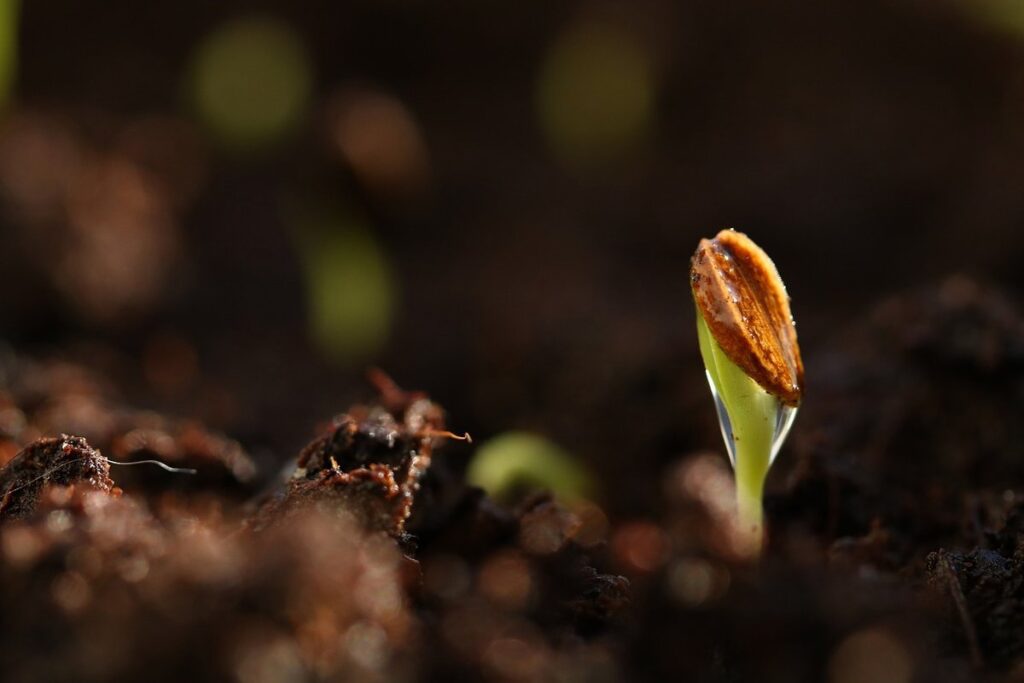
Understanding Seed Germination and Cold Weather
When it comes to germinating seeds in cold weather, understanding how temperature affects seed growth is crucial. In this section, we’ll dive into the specifics of seed germination and its relationship with chilly temperatures.
The Importance of Seed Quality
When it comes to germinating seeds in cold weather, many gardeners may overlook one crucial aspect: seed quality. While the right amount of oxygen and careful temperature control are essential for successful germination, high-quality seeds are just as vital.
Good seed quality can make all the difference between a slow or non-existent germination rate and one that’s prompt and vigorous. Low-quality seeds often have inherent problems such as poor viability, low vigor, or even genetic defects. In cold weather conditions, these issues can be exacerbated, making it even harder for seeds to break dormancy.
When selecting seeds, look for suppliers that provide high-quality seeds with a known germination rate. Check the seed packet or catalog for specific information on germination rates and storage instructions. Even small differences in quality can have a significant impact on your results.
How Temperature Affects Seed Germination
Temperature plays a crucial role in seed germination, and understanding its impact is vital for successful cold weather seed starting. Different types of seeds have optimal temperature ranges for germination, and deviating from these can lead to poor or no germination.
For example, most vegetables and herbs prefer warmer temperatures between 65°F (18°C) and 75°F (24°C). These temperatures stimulate their rapid growth and development. On the other hand, some plants like peas, beans, and cucumbers thrive in cooler conditions between 40°F (4°C) and 60°F (15°C).
If you’re germinating seeds in cold weather with oxygen, it’s essential to provide them with the right temperature for their specific needs. For instance, if you’re starting broccoli or cauliflower seeds, keep them at a consistent 55-60°F (13-15°C). This will ensure that they receive adequate moisture and oxygen while minimizing the risk of fungal diseases.
Keep in mind that some seeds may require stratification before germination can occur. This involves exposing them to cooler temperatures for several weeks to simulate winter conditions, which breaks dormancy and encourages growth.
Preparing Seeds for Cold Weather Conditions
When it comes to germinating seeds in cold weather conditions, it’s essential to prepare them properly for optimal results. One way to do this is by selecting cold-tolerant varieties of seeds that are specifically bred for cooler temperatures.
For instance, some plants like broccoli, cauliflower, and kale thrive in colder temperatures, making them ideal choices for winter seed starting. Look for these varieties or others that have a high germination rate in cool conditions. You can also check the seed packet or consult with local nurseries to find out which cold-tolerant seeds perform well in your area.
Another way to prepare seeds is by using seed starting mixes designed specifically for cool conditions. These mixes typically contain ingredients like vermiculite, perlite, and peat moss that help retain moisture and provide aeration, allowing seeds to germinate more efficiently in cooler temperatures. By choosing the right seeds and growing mix, you can increase your chances of successful seed germination even in cold weather conditions. This is particularly important when using an oxygen-rich environment for germination.
Creating a Suitable Environment for Seed Germination
To successfully germinate seeds in cold weather, it’s crucial to create an environment that provides optimal conditions, such as proper temperature and moisture control. This section will walk you through the essential steps.
Providing Adequate Oxygen
When it comes to germinating seeds in cold weather, oxygen levels play a crucial role in determining their success. Seeds require a constant flow of oxygen to break down stored energy reserves and initiate growth. If the soil is too dense or lacks sufficient oxygen, seeds may struggle to germinate or develop abnormally.
To increase oxygen levels in the soil or seed starting mix, try the following:
* Use a well-draining seed starting mix that allows for good aeration.
* Avoid overwatering, as this can lead to anaerobic conditions and reduced oxygen availability.
* Create small gaps between seeds or seedlings to promote air circulation and prevent overcrowding.
* Incorporate organic matter like compost or worm castings into the soil, which helps to improve structure and increase oxygen retention.
By providing adequate oxygen, you’ll be giving your seeds the best chance to germinate successfully in cold weather conditions. Remember, a healthy seedling starts with a well-oxygenated foundation!
Maintaining Optimal Moisture Levels
Maintaining optimal moisture levels is crucial for seed germination, and it’s easy to tip the balance either way. Seeds require a delicate balance between water and air to germinate successfully. If the soil is too wet, seeds can rot, while too little water will cause them to dry out.
Signs of overwatering include soft, mushy roots and an unpleasant odor emanating from the soil. On the other hand, underwatered seeds will have slow growth or no growth at all. To prevent this, make sure the soil is consistently moist but not waterlogged. Check the soil daily by inserting your finger into it up to the first knuckle. If the soil feels dry, it’s time to water.
For cold weather germination, you may need to water more frequently as the seeds use energy to stay alive in cooler temperatures. Water with room-temperature water and avoid getting water on the leaves or crown of the seedlings to prevent fungal diseases. By finding this balance, you’ll create an ideal environment for your seeds to thrive.
Using a Cold Frame or Greenhouse
Using a cold frame or greenhouse is an excellent way to protect your seedlings from extreme temperatures and maintain optimal growing conditions. By providing a shield against harsh weather conditions, these structures allow you to control the temperature, humidity, and light levels around your seeds. This is particularly beneficial when germinating seeds in cold weather.
Imagine being able to raise your seedlings in a warm and cozy environment, even on the chilliest of winter days. A cold frame or greenhouse makes it possible. These mini greenhouses can trap heat from the sun, keeping temperatures consistently above freezing. For example, a well-insulated cold frame can maintain a temperature around 50-60°F (10-15°C), perfect for germinating seeds.
To make the most of your cold frame or greenhouse, ensure proper ventilation to prevent the buildup of condensation and fungal growth. You can also install shading materials or curtains to regulate light levels and prevent overheating. By using a cold frame or greenhouse, you’ll be able to provide your seedlings with the ideal environment for germination and development, even in the midst of winter.
Techniques for Germinating Seeds in Cold Weather
If you’re struggling to get your seeds to germinate in cold weather, don’t worry, we’ve got some clever techniques that can help improve their chances of success. Let’s explore these simple yet effective methods together.
The “Bag Method” for Indoor Seed Starting
One effective technique for indoor seed starting during cold weather is using the “bag method” to create a mini-greenhouse effect. This involves placing seeds in paper bags, plastic bags, or cloth bags, which trap warmth and humidity to promote germination.
To use this method, simply place 2-3 seeds in the bottom of each bag, followed by a moistened paper towel or cloth. Seal the bag, making sure to leave enough space for expansion. The enclosed environment will create a humid microclimate that fosters healthy seed germination. You can also add a heat source, such as a warm water bottle or a heating pad set on low, to provide extra warmth.
Plastic bags work best for this method due to their waterproof properties, but you can also use paper bags or cloth bags with a clear plastic wrap to create a similar effect. Just be sure to check the bags daily and maintain adequate moisture levels to prevent mold growth. By using this technique, you can successfully germinate seeds in cold weather and give them a head start on the growing season.
Using a Heating Mat or Warm Location
Using a heating mat or warm location can be an effective way to maintain optimal temperatures for seed germination during cold weather. These creative solutions can help you provide the necessary warmth without breaking the bank or taking up too much space.
When using a heating mat, ensure it’s specifically designed for plant propagation and follow the manufacturer’s guidelines. Position the mat according to the instructions, usually with the seeds directly on top of it. This will help maintain a consistent temperature between 70°F to 80°F (21°C to 27°C), ideal for most seed types.
If you don’t have a heating mat, find a warm location in your home that’s not too humid or drafty. A spot near a radiator is often a good option, as the gentle heat can be beneficial for seeds. However, keep an eye on the temperature to avoid overheating, which can cause seeds to rot.
In addition to these methods, consider using other creative solutions like hot water bottles wrapped in towels or thermostatically controlled cabinets. These alternatives can provide the necessary warmth without direct heat sources.
Cold Stratification Techniques
Simulating winter conditions is crucial for successful cold stratification. One effective method is using cold water to mimic the freezing and thawing cycles of nature. Fill a container with cold water, add seeds at the correct depth, and store it in a sealed plastic bag or wrap it in foil. The water will act as insulation, keeping the temperature consistent. Alternatively, you can use a refrigerator to provide a steady low temperature.
Another approach is to utilize specialized seed starting equipment, such as mini-greenhouses or cold frames, specifically designed for cold stratification. These units maintain a stable temperature and humidity level, allowing seeds to germinate in optimal conditions. When using these devices, ensure they are set up correctly and maintained properly to prevent overheating or drying out.
Some gardeners also use a method called “cold stratification trays,” which consist of small compartments that can be filled with water and seeds. These trays provide an efficient way to replicate winter conditions for multiple seeds at once.
Troubleshooting Common Issues with Seed Germination
If you’re experiencing difficulties with seed germination, don’t worry – we’ve got solutions for common problems like delayed or failed germination, and more. Let’s troubleshoot together!
Slow or Stunted Growth
When seeds germinate slowly or fail to reach their full growth potential, it can be frustrating and puzzling. To troubleshoot these issues, let’s examine some common causes of slow growth.
Adequate light is crucial for seed germination, especially during cold weather when natural daylight is scarce. If your seeds are not receiving sufficient light, consider moving them to a brighter location or supplementing with grow lights. Be aware that too much direct sunlight can also be detrimental, so ensure the light source is not too intense.
Poor soil quality can also hinder seed growth. Check if your potting mix is well-draining and has a suitable pH for your seeds’ specific needs. You may need to repot your seeds into fresh, high-quality media. Insufficient oxygen levels in the soil can lead to stunted growth or root rot, so ensure good air circulation around the pots.
Lastly, verify that your cold frame or propagation chamber is not too humid, as this can cause fungal diseases and slow down seed development. Adjust your ventilation system accordingly to maintain a balanced environment for optimal germination and growth.
Poor Germination Rates
Poor germination rates can be frustrating, especially when you’re trying to grow seeds in cold weather with oxygen. One of the main reasons for low germination is old seeds. If seeds are more than a year old, their viability and ability to germinate effectively decrease significantly. Old seeds may not have stored energy reserves or may have developed imperfections that prevent them from germinating.
Inaccurate storage conditions can also lead to poor germination rates. Seeds require a cool, dry place to be stored properly. If they are exposed to high humidity or temperature fluctuations, their viability decreases rapidly. For example, storing seeds in an attic or basement with fluctuating temperatures and humidity levels can damage the seed’s embryo.
Another common issue is excessive moisture levels. While seeds need some level of moisture to germinate, too much water can cause the seed to rot before it even has a chance to sprout. Check your storage location and ensure that it provides an environment with minimal temperature changes and controlled humidity levels.
If you suspect any of these issues are affecting your seeds’ viability, inspect them carefully for signs of damage or decay. If necessary, obtain fresh seeds from reputable suppliers to increase the chances of successful germination in cold weather with oxygen.
Pests and Diseases in Cold Weather Conditions
When germinating seeds in cold weather, it’s essential to be aware of the pests and diseases that can thrive in these conditions. Slugs and snails are common culprits, especially in damp and cool environments. To prevent them from attacking your seedlings, consider using copper tape or crushed eggshells around the pots. These barriers will deter slugs and snails without harming the environment.
Fungal infections, such as powdery mildew and root rot, can also be problematic in cold weather. Prevent these issues by maintaining good air circulation and ensuring that your seeds are not overwatered. Use a well-draining potting mix to prevent waterlogged soil conditions. If you do notice signs of fungal infection, remove any affected leaves or seedlings promptly.
Regularly inspecting your seedlings for signs of pests or diseases is crucial in cold weather. Check for yellowing leaves, black spots, or white powdery patches on the surface of the leaves. Early detection will allow you to take action and prevent the problem from spreading.
Advanced Techniques for Germinating Seeds with Oxygen
When germinating seeds in cold weather, knowing how to optimize oxygen levels can make all the difference. This advanced technique involves manipulating temperature and humidity to create a perfect microclimate for seed growth.
Using Hydroponics or Aeroponics
In cold weather conditions, maintaining optimal moisture levels and ensuring adequate oxygen delivery to roots can be particularly challenging when germinating seeds. This is where hydroponic or aeroponic systems come into play, offering a game-changing solution for seed germination.
Using hydroponics or aeroponics allows you to deliver oxygen directly to the roots of your plants, promoting healthy growth and development even in low-temperature conditions. These systems use nutrient-rich water rather than soil, which reduces the risk of overwatering and under-watering common issues that can occur when trying to maintain optimal moisture levels.
A key benefit of hydroponic or aeroponic systems is their ability to provide precise control over oxygen delivery, ensuring roots receive the exact amount they need. This not only promotes healthy root development but also supports overall plant growth. For example, research has shown that plants grown using hydroponics can exhibit up to 30% faster growth rates compared to those grown in soil.
By incorporating a hydroponic or aeroponic system into your germination setup, you can significantly improve seedling success rates even in cold weather conditions.
Experimenting with Different Seed Starting Materials
Experimenting with Different Seed Starting Materials can significantly impact seed germination and growth. Traditional potting mixes like peat moss have been a staple for many gardeners, but they’re not the only options available. Coconut coir is an eco-friendly alternative that provides excellent water retention and structure. It’s also more resistant to compaction compared to peat moss.
Another popular option is vermiculite, which retains moisture while allowing for good drainage. This makes it ideal for seeds that prefer consistent moisture levels. However, it can be quite dense when dry, so it’s essential to mix it with other materials to maintain aeration.
You may also want to consider using a combination of seed starting materials to create a custom blend. For example, mixing coconut coir with perlite or vermiculite can provide the perfect balance between water retention and aeration.
Monitoring and Adjusting Oxygen Levels
Monitoring oxygen levels in the soil or growing medium is crucial when germinating seeds in cold weather. You can use an oxygen meter to measure the oxygen levels in your setup. This device will provide you with a reading of the current oxygen level, usually expressed as a percentage.
To monitor oxygen levels effectively, place the sensor probe into the growing medium at a depth of about 1-2 inches below the surface where the seeds are located. Take readings regularly to track changes in oxygen levels over time. If the oxygen level is consistently low (below 10%), it may be necessary to make adjustments.
One way to adjust for low oxygen levels is by increasing aeration through better water management practices. For example, if you’re using a tray system, ensure that there’s adequate drainage between each cell to prevent waterlogging and subsequent root rot.
Frequently Asked Questions
Can I use a regular potting mix for germinating seeds in low-oxygen conditions?
While you can, using a high-quality seed starting mix specifically designed to hold oxygen is recommended. These mixes have unique formulas that allow for better air exchange and moisture retention, making them ideal for cold-weather seed germination.
How often should I monitor and adjust the oxygen levels around my seeds in a cold frame or greenhouse?
Regular monitoring is crucial, especially during the first few days after sowing. Check the oxygen levels daily by gently lifting the lid of your setup and observing if plants are responding positively. Adjust as needed to ensure optimal growth.
What’s the ideal temperature range for germinating seeds using the “bag method” in a warm location?
For most cold-hardy varieties, maintain a consistent temperature between 60-70°F (15-21°C) during the day and around 55°F (13°C) at night. Ensure the bag or container is not too airtight to prevent condensation buildup.
Can I use hydroponics or aeroponics for germinating seeds in low-oxygen conditions?
Yes, these systems can be beneficial for seed germination, especially when combined with oxygen-rich environments. Hydroponics and aeroponics promote efficient water and nutrient uptake while minimizing soil compaction, which can help ensure healthy root development.
How long does it take to notice the effects of increased oxygen on seed germination rates?
With proper setup and care, you may start noticing improvements in germination rates within 3-5 days. However, some seeds might respond more slowly, so be patient and observe your plants’ progress over a period of 7-10 days for optimal results.