
Germinating seeds in cold weather can be a daunting task, but with the right techniques and strategies, you can successfully grow plants even when temperatures drop. Whether you’re a seasoned gardener or just starting out, it’s essential to learn how to germinate seeds in cold conditions to extend your growing season and enjoy year-round production.
Most of us know that some plants are naturally more resilient to frost than others, but did you know that there are specific varieties specifically bred for cold hardiness? By selecting these cold-hardy varieties, optimizing soil temperature and moisture, and using clever techniques like cold frames and LED grow lights, you can overcome common challenges and achieve success. In this article, we’ll share expert advice on how to germinate seeds successfully in cold weather conditions.
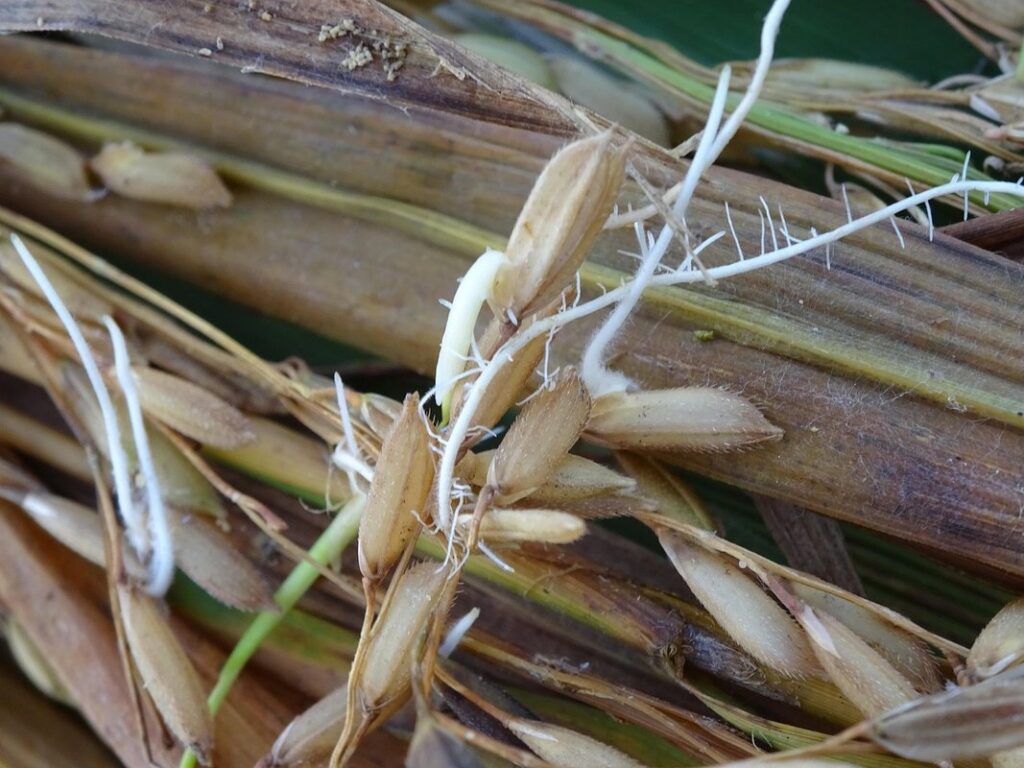
Understanding Seed Germination and Cold Stress
To effectively germinate seeds in cold weather, you need to understand how seed germination responds to temperature fluctuations and what happens when seeds are exposed to prolonged periods of cold. Let’s dive into this crucial aspect of cold-weather seed starting.
What is Seed Germination?
Seed germination is a crucial process that precedes plant growth. It involves the activation of a dormant seed, leading to the emergence of a sprout. This process requires three fundamental elements: moisture, temperature, and light. Moisture triggers the breakdown of stored nutrients within the seed, initiating chemical reactions that stimulate germination. Temperature also plays a vital role; most seeds have an optimal germination temperature range between 50°F to 75°F (10°C to 24°C). Light exposure affects the development of chlorophyll in newly emerged shoots, enabling photosynthesis and subsequent growth.
In cold weather conditions, seed germination rates may be reduced due to slow chemical reactions. However, this does not mean that seeds will not germinate. Some plant species can tolerate temperatures as low as 40°F (4°C) while still achieving moderate germination success. As a gardener or grower, understanding the specific requirements of your chosen seed variety is essential for successful cold-weather germination.
Factors That Affect Seed Germination in Cold Weather
Cold temperatures can significantly impact seed germination, and prolonged exposure to frost or chilling stress can have devastating effects. When seeds are exposed to cold weather for an extended period, it can lead to a phenomenon called “chilling injury.” This occurs when the seed’s metabolic processes slow down or cease due to the low temperature, preventing germination.
Other environmental factors also play a crucial role in affecting seed germination in cold weather. Soil moisture, for instance, is essential for seed germination. If the soil is too dry, it can prevent seeds from absorbing water and activating their growth processes. On the other hand, excessive moisture can lead to fungal diseases that further inhibit seed germination.
To combat these challenges, gardeners can consider pre-chilling seeds or using cold-hardy varieties specifically bred for cold weather conditions. They can also take steps to maintain a stable soil temperature, ensure proper soil moisture levels, and provide protection from extreme frost events. By understanding the factors affecting seed germination in cold weather, gardeners can increase their chances of successful seed starting despite adverse conditions.
Choosing the Right Seeds for Cold Weather
When germinating seeds in cold weather, selecting the right seeds is crucial. In this section, we’ll explore the types of seeds that thrive in chilly conditions and how to choose them successfully.
Selecting Cold-Hardy Varieties
When selecting seeds for cold weather germination, it’s essential to choose varieties that are specifically bred for cold tolerance. Look for seeds labeled as “cold-hardy” or “winter-hardy,” which indicates they have been developed to withstand frost and low temperatures. These seeds often come from plant breeders who have selectively bred their parent plants to thrive in challenging conditions.
Some examples of cold-hardy varieties include broccoli, kale, spinach, and radishes. These vegetables are commonly grown in regions with short growing seasons or where winters can be quite harsh. If you’re new to seed selection for cold weather, start by exploring online resources such as seed catalogs or websites like Seed Savers Exchange.
When evaluating seeds, pay attention to their maturity days. Cold-hardy varieties may have longer maturation periods due to the slower growth rates associated with cooler temperatures. This means they’ll take more time to mature than warm-season crops. Consider this when planning your planting schedule and make sure you allow enough time for them to reach full maturity before the first frost.
Germinating Seeds from Different Regions
When it comes to germinating seeds from different regions, it’s essential to consider the local climate conditions that have shaped their unique characteristics. Seeds from tropical climates, for instance, may not thrive in cold temperatures and may require a longer period of warmth to germinate. On the other hand, seeds from temperate or high-altitude regions may be more adapted to cooler temperatures.
Take the example of sweet potatoes from the Andean region of South America. These seeds are specifically bred for their ability to withstand cool temperatures and short growing seasons, making them an excellent choice for cold weather gardeners. In contrast, tropical varieties like those from Hawaii or Southeast Asia require a much warmer environment to germinate and may not do well in outdoor conditions.
If you’re planning to grow seeds from various regions, research the specific requirements for each variety. Consider factors such as temperature tolerance, moisture levels, and light exposure. This will help ensure that your seeds have the best chance of germinating successfully, even in cold weather conditions.
Preparing the Soil and Environment
Before you start germinating seeds, it’s essential to prepare your soil and environment to give them the best chance of success in cold weather conditions. This means creating a suitable habitat for your seeds to thrive.
Optimizing Soil Temperature and Moisture
Creating an optimal soil environment is crucial for successful seed germination, especially when the temperature drops. Cold soil can slow down or even prevent seeds from germinating. To overcome this challenge, you need to focus on warming up the soil and managing moisture levels.
One strategy is to use black plastic mulch or row covers to warm the soil through solar heating. This method works by trapping heat from the sun, thereby increasing the soil temperature. For example, in a study conducted in Wisconsin, using black plastic mulch raised the soil temperature by 10°F (5.6°C) compared to bare soil.
Another approach is to use a cold frame or hoop house to create a microclimate that shields seeds from harsh winds and extreme temperatures. This can be as simple as building a DIY cold frame using reclaimed wood or purchasing a pre-made one. To manage moisture, ensure the soil is not too dry or waterlogged. A good rule of thumb is to keep the top 1-2 inches of soil moist but not saturated.
When using these strategies, monitor your soil’s temperature and adjust as needed. Some seeds, like lettuce and spinach, can germinate in temperatures as low as 40°F (4°C), while others may require warmer conditions. Keep an eye on weather forecasts to plan accordingly and ensure optimal seed germination.
Creating a Protected Microclimate
When germinating seeds in cold weather, it’s essential to create a protected microclimate that shields them from harsh winds, extreme temperatures, and other weather-related stressors. This can be achieved by constructing a mini-greenhouse or a cold frame using materials like wood, polycarbonate panels, or even old windows.
To start, choose a location with some natural protection from wind and frost. Next, gather your building materials and follow these steps: begin by creating a base using rocks, bricks, or wooden planks to elevate the structure off the ground. Then, add a layer of insulation, such as straw or bubble wrap, around the edges to prevent cold air from seeping in.
Create a sloping roof to allow snow and rain to run off, and cover it with transparent materials like polycarbonate panels or glass. Ensure that your microclimate is well-ventilated to maintain humidity levels and prevent fungal diseases. By following these simple steps, you’ll create an optimal environment for germinating seeds in cold weather, giving them the best chance to thrive and grow strong.
Germinating Seeds in Cold Weather: Techniques and Methods
When the weather outside is cold, it can be tricky to get your seeds off to a good start. In this section, we’ll explore techniques for successfully germinating seeds in chilly conditions.
Using a Cold Frame or Greenhouse
Using a cold frame or greenhouse can be an excellent way to extend the germination season for sensitive seeds. These structures provide protection from harsh winter conditions and create a microclimate that’s ideal for seed germination.
A cold frame, typically made of wood or metal, sits atop the ground and allows sunlight in during warmer months while keeping frost out. It’s a great option for extending the growing season by 4-6 weeks. For example, if you want to grow broccoli seeds, which take around 55-60 days to germinate at optimal temperatures, using a cold frame can give you an extra month of sowing time.
A greenhouse, on the other hand, provides more comprehensive protection from extreme weather conditions and allows for year-round growing. It’s perfect for tender seedlings that require consistent warmth and humidity. Greenhouses come in various shapes, sizes, and materials, so choose one that suits your needs and space constraints.
To get started with using a cold frame or greenhouse, ensure it’s well-insulated to maintain optimal temperatures (around 40-50°F) during the winter months. You can also use thermal mass materials like brick or concrete to absorb heat during the day and release it at night, maintaining a stable temperature inside the structure.
When choosing seeds for your cold frame or greenhouse, opt for varieties that are specifically bred for cooler temperatures, such as kale, spinach, or lettuce. With proper care and attention, you can successfully grow these sensitive seeds even in the coldest of winter months.
Indoor Seed Starting with LED Grow Lights
When it comes to germinating seeds in cold weather, indoor seed starting with LED grow lights can be a game-changer. Not only do these lights provide the necessary spectrum for seedling growth, but they also offer flexibility and control over the conditions that would be difficult to replicate outdoors.
To get started, choose an LED grow light specifically designed for seedlings or low-wattage options (around 10-20 watts). These lights emit a broader spectrum of light, including blue and red, which promotes healthy growth. Place the light about 6-8 inches above the soil surface to avoid burning the delicate seedling roots.
To simulate natural daylight conditions, consider using a light with adjustable intensity or color temperature settings. Some popular options include LED grow lights with built-in timers or color-changing capabilities. For example, some users swear by the LED Grow Light by General Hydroponics, which offers customizable spectrums and timer functions. By following these tips and investing in quality equipment, you can provide your seedlings with the ideal environment for germination, even in cold weather conditions outside.
Common Challenges and Troubleshooting
You may encounter issues when germinating seeds in cold weather, such as slow growth rates or difficulty achieving optimal moisture levels. This section will help you troubleshoot common problems and find solutions.
Overcoming Prolonged Germination Times
When germinating seeds in cold weather, it’s not uncommon for them to take an unusually long time to sprout. This can be frustrating, especially if you’re relying on a specific crop to thrive. So, what can you do when faced with prolonged germination times?
Firstly, understand that some seed varieties are naturally slower to germinate than others. Check the seed packet or research the specific variety you’re working with to see if this is the case. If it’s not the seeds themselves, there could be other factors at play.
Check your soil temperature and adjust as needed. Seeds generally require a temperature range of 40°F to 70°F (4°C to 21°C) to germinate. If your soil is consistently below this threshold, consider using a heating mat or moving your seed trays to a warmer location.
Another strategy is to try cold stratification. This involves giving the seeds an initial period of cooling before attempting germination. By mimicking natural winter conditions, you can encourage even slower-growing varieties to break dormancy and sprout. Experiment with different approaches to find what works best for your specific situation.
Recognizing and Addressing Seed Discoloration
Seed discoloration can be a worrying issue for gardeners attempting to germinate seeds in cold weather. Prolonged exposure to low temperatures can cause seeds to turn brown, gray, or even develop white spots. This discoloration is often a sign of the seed’s natural defense mechanism, designed to prevent water from entering and causing damage during times of unfavorable conditions.
However, this process can be detrimental to germination rates if not addressed promptly. To identify seed discoloration caused by cold temperatures, look for changes in color, texture, or moisture levels on the seeds’ surface. If you notice any unusual changes, inspect the surrounding environment to rule out factors like excess moisture or inadequate air circulation.
To address seed discoloration, gently rub the affected area with a soft cloth to remove dirt and debris. Then, soak the seeds in lukewarm water (around 70°F) for about an hour before attempting germination. This can help restore some of the natural moisture and encourage germination. It’s also essential to maintain proper temperature control and ensure that your growing medium is sterile to prevent further damage.
Tips for Success and Long-Term Strategies
Now that you’ve successfully germinated your seeds, let’s explore some valuable tips to ensure their growth and development during cold weather conditions.
Building Cold-Weather Tolerance in Crops
When germinating seeds in cold weather, it’s essential to select crops that can withstand extreme temperature fluctuations. Not all plants are created equal when it comes to tolerance for frost and freezing temperatures. Some species, like spinach, kale, and broccoli, are bred specifically for their hardiness and can thrive in conditions as low as 20°F (-7°C).
To build cold-weather tolerance in your crops over time, focus on varieties that have a high ‘cold hardiness rating.’ This is typically indicated by the plant’s ability to survive temperatures below 25°F (-4°C). For example, some types of wheat can tolerate temperatures as low as -10°F (-23°C).
To further enhance cold-weather resilience in your crops:
* Plant cold-tolerant varieties that are specifically bred for their ability to withstand frost and freezing temperatures.
* Acclimatize seedlings by gradually exposing them to cooler temperatures over a period of 7-10 days before transplanting outside.
* Use mulch or other soil coverings to insulate the soil and retain moisture during cold snaps.
Integrating Permaculture Principles for Year-Round Production
When incorporating permaculture principles into your cold-weather seed germination strategy, consider designing a resilient food system that produces throughout the year. This involves creating a diverse and interconnected ecosystem where plants complement each other’s growth habits.
Incorporate companion planting, which can enhance plant health, reduce pests, and increase yields. For example, when germinating cool-season crops like broccoli or kale, pair them with nitrogen-fixing legumes like beans or peas to improve soil fertility. By mimicking natural processes in your garden, you’ll create a more balanced and productive environment.
Incorporate permanent beds and guilds into your design, which can help maintain soil health, reduce erosion, and increase water retention. For instance, plant comfrey as a “green manure” crop to add nutrients to the soil while providing mulch for nearby plants. By integrating these permaculture principles, you’ll create a thriving ecosystem that supports year-round food production, even in cold weather conditions.
Incorporating permaculture principles into your seed germination strategy not only enhances resilience but also promotes long-term sustainability.
Frequently Asked Questions
Can I use seeds from my local nursery for cold-weather germination, or do I need to purchase specialty seeds?
Yes, you can use seeds from your local nursery for cold-weather germination. However, keep in mind that even among locally sourced seeds, some may be more resistant to cold temperatures than others. Consider selecting seeds specifically bred for their cold hardiness, as mentioned in the article, or experiment with hybrid varieties that have demonstrated resilience to frost.
What’s the ideal temperature range for indoor seed starting using LED grow lights?
The optimal temperature range for indoor seed starting with LED grow lights depends on the type of plant and its specific requirements. Generally, most seeds prefer temperatures between 65°F (18°C) and 75°F (24°C). However, some plants may require warmer or cooler temperatures during germination. Consult the specific growing instructions for your chosen varieties to ensure you’re providing the right conditions.
How do I handle prolonged germination times in cold weather, and what are some signs that seeds need more time?
If seeds are taking longer than expected to germinate, it may be due to factors like cold soil temperatures or insufficient light. Monitor seed temperature closely, and consider using a cold frame or greenhouse to create a more stable environment. Signs of extended germination times include: slow sprouting, weak or spindly growth, and excessive moisture accumulation around the seeds.
Can I use cold frames or greenhouses for all types of plants, or are there specific considerations for certain crops?
Yes, you can use cold frames or greenhouses for most types of plants, but consider the specific needs of your chosen varieties. Some plants may require additional light, ventilation, or temperature control to thrive in a protected environment. Be sure to research and understand the unique requirements for each crop before using a cold frame or greenhouse.
What’s the difference between a cold frame and a greenhouse in terms of seed germination, and which one is more suitable for my needs?
A cold frame provides protection from wind, frost, and extreme temperatures while still allowing for some natural light and air circulation. Greenhouses offer a more controlled environment with full sun exposure, but may require additional heating or cooling systems to maintain optimal temperatures. Consider the specific climate in your area and choose between a cold frame or greenhouse based on your plant’s needs and your available resources.