
As a gardener, you’re probably used to sowing seeds during the warmer months when growth is rapid and abundant. But did you know that you can still successfully germinate seeds in winter? With the right approach, you can enjoy a head start on next year’s growing season or even have a continuous supply of fresh herbs and greens throughout the cold months. However, not all seeds are created equal – some varieties are more tolerant to cold temperatures than others.
In this article, we’ll explore how to choose the best cold-tolerant varieties for winter germination, prepare your seeds for sowing, and create an optimal environment for growth. Whether you’re a seasoned gardener or just starting out, learn how to successfully grow plants indoors during the winter months with our expert tips and tricks on germinating seeds in this chilly season.
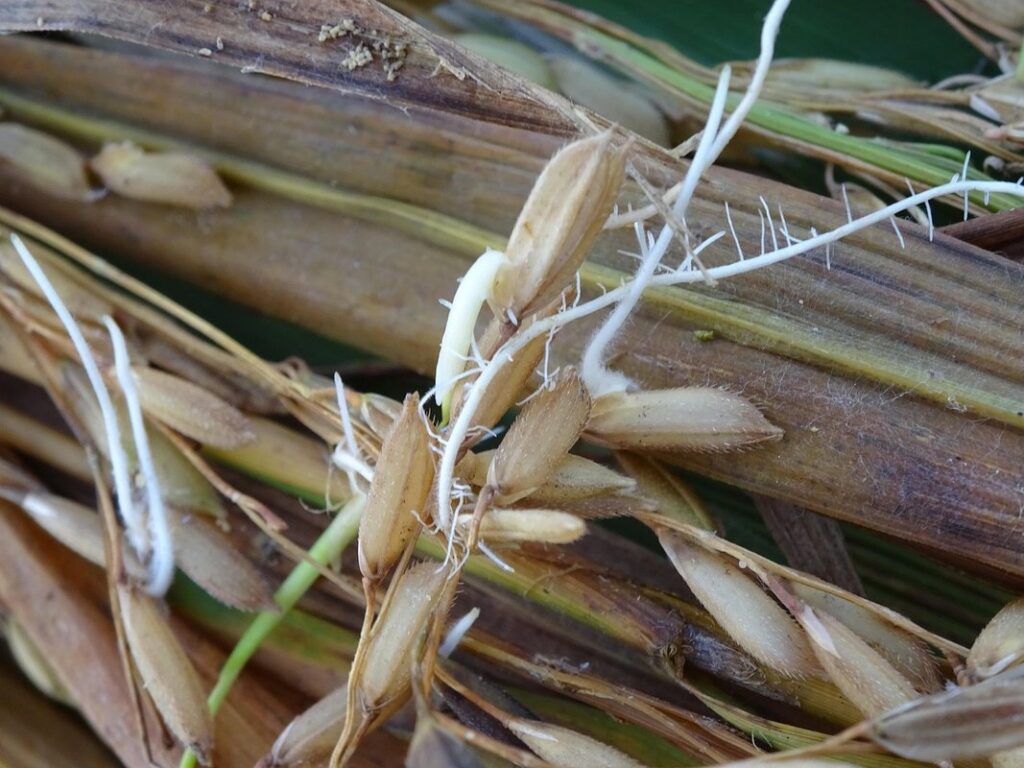
Understanding Seed Germination in Winter
When it comes to germinating seeds during the winter months, understanding the process can be just as crucial as knowing which seeds to choose. Let’s break down the key factors at play here.
The Importance of Early Sowing
Sowing seeds early in winter is essential for their successful germination and growth. By getting a head start on the growing season, you give yourself an advantage over those who wait until warmer months to plant. This is particularly crucial for winter crops that have a shorter growing period.
For example, lettuce and spinach are typically ready to harvest within 40-50 days of sowing. If you sow these seeds too late in the season, they may not have enough time to mature before the first frost sets in. On the other hand, by sowing them early, you can enjoy a continuous harvest throughout the winter months.
In regions with harsh winters, it’s even more essential to sow seeds as soon as possible after the last frost date. This allows the seedlings to establish themselves before the cold weather sets in. By giving your seeds an early start, you’ll be rewarded with healthier, more robust plants that are better equipped to withstand the challenges of winter.
In fact, research has shown that seedlings sown in late autumn or early winter tend to outperform those sown in spring by up to 30%. So don’t wait – get your seeds in the ground as soon as possible to give yourself the best chance of success.
Preparing Seeds for Winter Sowing
Preparing seeds for winter sowing requires careful consideration to ensure successful germination. First and foremost, select varieties that are specifically bred for winter sowing or have a long germination period, typically 30-60 days. This will give you ample time to start seedlings indoors before the last frost date.
Next, store your seeds properly in a cool, dry place to maintain their viability. Seeds can be sensitive to temperature and humidity fluctuations, so it’s essential to keep them away from direct sunlight and moisture. A dark, sealed container or envelope is ideal for storing seeds. Make sure to label each packet with the variety name, sowing date, and storage conditions.
When selecting seeds, opt for high-quality ones that have been tested for viability. Check the seed package for any signs of damage, mold, or discoloration. If you’re unsure about the quality of your seeds, conduct a simple germination test by soaking them in water overnight. This will give you an indication of their potential to sprout.
Proper seed storage and selection are crucial steps in ensuring successful winter sowing. By taking these precautions, you’ll be well on your way to growing healthy seedlings that can thrive in the cold winter months.
Choosing the Right Seeds for Winter Germination
When selecting seeds for winter germination, it’s essential to choose varieties that are specifically bred for cold weather tolerance and have a long maturation period. This ensures successful growth despite low temperatures and short daylight hours.
Selecting Cold-Tolerant Varieties
When selecting cold-tolerant varieties for winter germination, it’s essential to choose seeds that can thrive in cooler temperatures. Look for seed packets or descriptions that specifically mention ‘cold hardiness’ or ‘winter tolerance’. Some examples of cold-tolerant seeds include broccoli, kale, and Brussels sprouts, which can germinate as low as 40°F (4°C) and grow well in temperatures around 55°F (13°C).
When selecting specific varieties, consider factors such as maturity days, growth habit, and disease resistance. For instance, ‘Deep Purple’ broccoli is a cold-tolerant variety that matures in approximately 50-60 days and has a compact growth habit, making it ideal for winter germination. Another example is ‘Dwarf Blue Curled’ kale, which is tolerant of temperatures as low as 25°F (-4°C) and can be harvested in as little as 30-40 days.
To ensure successful germination, make sure to follow the specific growing requirements for your chosen variety, such as soil temperature, moisture levels, and sunlight exposure. By choosing the right cold-tolerant seeds and following their unique growing needs, you’ll be well on your way to enjoying a bountiful winter harvest.
Considerations for Starting Indoors or Outdoors
When deciding where to start your seeds for winter germination, you’ll need to consider starting them indoors versus outdoors. Both methods have their pros and cons, which we’ll break down below.
Starting seeds indoors can be beneficial if you live in an area with harsh winters or limited outdoor space. Indoor conditions allow for more control over temperature (usually between 65-75°F) and light (using grow lights), making it easier to provide the necessary conditions for germination. Additionally, indoor starting reduces exposure to pests and diseases that may affect your seedlings outdoors.
However, starting seeds indoors also comes with some drawbacks. For instance, seedlings can become leggy or weak due to inadequate outdoor light when transferred outside. Furthermore, indoor space constraints might limit how many seedlings you can accommodate, forcing you to propagate more rounds of seeds.
On the other hand, starting seeds directly outdoors takes advantage of natural sunlight and temperature fluctuations, promoting healthier and more robust plants. However, this method requires a specific microclimate with adequate protection from frost, pests, and diseases. In regions with mild winters or if you have access to a greenhouse, direct outdoor sowing can be a viable option.
Ultimately, the decision comes down to your personal preference, available space, and climate conditions. Whichever method you choose, ensure you provide your seeds with optimal growing conditions for successful winter germination.
Winter Sowing Methods: Indoor and Outdoor Approaches
Now that you know how to prepare seeds for winter sowing, let’s explore different methods for successfully germinating your seeds indoors and outdoors.
Starting Seeds Indoors with a Cold Frame or Grow Lights
Starting seeds indoors during winter can be a challenge, but with the right equipment and techniques, you can ensure optimal germination. One popular method is using cold frames, which provide protection from extreme temperatures and frost while still allowing for natural light penetration. To use a cold frame effectively, place it in an unheated area like a garage or sunroom, where the temperature remains above freezing but doesn’t fluctuate wildly.
Another option is grow lights, which offer more control over temperature and light conditions. When choosing grow lights, consider LED options, as they are energy-efficient and produce minimal heat. Aim to maintain a temperature between 65-75°F (18-24°C) during the day and slightly cooler at night. Keep in mind that most seeds require 12-14 hours of light per day, so plan your lighting schedule accordingly.
Some popular cold frames for indoor use include the Hoop House and the Lean-To Frame, both of which can be customized to fit small spaces. When selecting grow lights, consider the spectrum output: some lights are designed specifically for seed starting, while others may produce excessive heat or light that can damage delicate seedlings.
Outdoor Winter Sowing Techniques
When it comes to winter sowing outdoors, you can extend the growing season by using specialized techniques and structures. One of the most effective methods is using row covers, lightweight fabrics that allow light and water to reach the seeds while keeping warmth and frost at bay. These breathable barriers come in different weights and materials, so choose one suitable for your climate.
Another approach is utilizing cold frames, which are essentially outdoor greenhouses made from wood or metal. They trap heat during the day and release it at night, creating a microclimate that’s perfect for seed germination. Some gardeners even repurpose old windows or plastic containers to create mini-cold frames in their gardens.
If you have an unheated greenhouse on your property, you can use it as an extension of your winter sowing space. Just ensure proper ventilation and protection from extreme weather conditions. These outdoor approaches not only save space but also allow for more natural germination processes, which can lead to healthier seedlings.
Creating a Suitable Environment for Germination
To germinate seeds successfully in winter, you’ll need to create an environment that mimics optimal growing conditions. This includes maintaining specific temperatures and humidity levels for healthy seed growth.
Providing Adequate Light and Temperature Conditions
When germinating seeds in winter, it’s crucial to provide them with an environment that meets their specific light and temperature requirements. Most seeds prefer temperatures between 65-75°F (18-24°C), which can be challenging to maintain during the cold winter months. To overcome this, you can use heating mats specifically designed for seed starting.
These mats are typically set to a precise temperature, allowing you to control the warmth your seeds receive. They’re especially useful for tender varieties that struggle with low temperatures. Some popular options include the Repotme Seed Starter Heat Mat and the NewAir Portable Heater.
In addition to maintaining optimal temperatures, it’s also essential to provide adequate light. Winter days can be short, and natural sunlight may not be sufficient for seed germination. That’s where grow lights come in – they offer a reliable source of supplemental lighting that simulates natural sunlight. Look for LED grow lights with a high PAR value (photosynthetic active radiation) for efficient energy use.
Some examples of suitable grow light options include the MiracleLED Grow Light and the Bright Agrotech LumiGrow LED System.
Watering and Humidity Considerations
Maintaining optimal watering and humidity levels is crucial during seed germination, especially when temperatures are low. In winter, seeds often struggle to absorb enough moisture due to the cold environment. To combat this, it’s essential to provide adequate water and maintain a humid microclimate.
Water seeds gently but thoroughly once the soil has cooled to around 10-15°C (50-59°F). Avoid overwatering, as this can lead to rot and poor germination rates. Instead, focus on keeping the soil consistently moist but not waterlogged. You can cover the tray or pot with a clear plastic bag or cloche to create a humid environment.
Aim for a relative humidity of 70-80% by placing the tray in a sealed container or using a damp cloth. This will help prevent moisture loss and promote even germination. Monitor your seeds closely, checking on them daily to ensure they’re receiving adequate water without becoming too soggy. By maintaining optimal watering and humidity levels, you’ll be providing your winter seeds with the best possible chance of successful germination.
Troubleshooting Common Winter Germination Issues
Sometimes, even with ideal conditions, winter seed germination issues can arise. This section will help you troubleshoot common problems and get back on track.
Identifying and Addressing Pests or Diseases
As you work to coax life from your winter seeds, it’s essential to be on the lookout for common pests and diseases that can sabotage your efforts. One of the most prevalent issues is fungal growth, which can manifest as white or gray mold on the seedlings’ leaves or stems. To identify fungal problems, inspect your plants regularly for signs of discoloration or powdery coatings.
In addition to fungal growth, winter seeds are also susceptible to root rot caused by overwatering or waterlogged soil conditions. You can prevent this issue by ensuring good air circulation and avoiding excessive moisture in the growing medium.
Other pests to watch out for include aphids, spider mites, and thrips. These tiny creatures can cause damage to seedlings, reducing their chances of survival. To manage infestations, use neem oil or insecticidal soap as a preventative measure. Regularly inspect your plants under a magnifying glass to catch any issues early on.
If you do encounter pests or diseases, take swift action to address the issue. Remove affected areas, disinfect tools and growing equipment, and repot seedlings in fresh medium if necessary.
Overcoming Temperature Extremes and Other Challenges
When faced with unusual temperature fluctuations or extreme weather conditions, it’s essential to adapt your seed germination strategies accordingly. For instance, if you’re experiencing a prolonged period of unseasonably cold temperatures, you may need to adjust the timing of your planting schedule or use specialized seeds bred for cooler climates.
To overcome temperature extremes, consider using grow lights to provide supplemental warmth and light to your seeds. This can be especially helpful if you’re germinating indoors or in areas with limited natural daylight. Additionally, some seed varieties are more resilient than others when it comes to extreme temperatures, so research which types of seeds will perform best in your specific climate.
In the event of unexpected challenges such as power outages or frost damage, have a backup plan in place for your germinating seeds. This might involve using emergency heat sources like candles or generators, or relocating sensitive seedlings to protected areas with stable temperatures and humidity levels.
Monitoring Progress and Transplanting
Now that you’ve successfully germinated your winter seeds, it’s time to monitor their progress and know when they’re ready for transplanting into larger containers.
Keeping Track of Seedling Development
Monitoring seedlings’ progress closely during the winter months is crucial to ensure they receive the necessary care and attention. As seeds germinate in low light conditions, it’s easy for them to become leggy or develop weak stems. Regularly checking on their development will help you identify potential issues early on.
To track growth, start by measuring seedling height regularly, usually every 7-10 days. Record your observations to create a timeline of their progress. You can also observe changes in leaf color, texture, and shape. Healthy seedlings typically have vibrant green leaves with no signs of discoloration or browning.
Some common signs of health issues include yellowing leaves, stunted growth, or a sudden decrease in water uptake. Be aware that these symptoms can be indicative of nutrient deficiencies, root bound conditions, or pests like fungus gnats. If you notice any unusual patterns, adjust your care routine accordingly, such as repotting the seedlings into fresh soil or implementing integrated pest management techniques.
Timing Transplants Correctly
When transplanting seedlings from indoor conditions to outdoor settings, timing is crucial. One key factor to consider is soil temperature. Wait until the soil has warmed up to at least 50°F (10°C) for most vegetables and flowers. If you’re growing cool-season crops like lettuce or spinach, the ideal soil temperature is around 40-45°F (4-7°C). You can use a soil thermometer to check the temperature.
Another critical consideration is light exposure. Seedlings grown indoors often require more protection from intense sunlight when transplanted outdoors. Start by providing shade for a few hours a day and gradually increase the amount of direct sunlight over the next week or two. This will help prevent scorching and allow your seedlings to adjust to outdoor conditions.
Additionally, ensure adequate air circulation around the seedlings. This can be achieved by spacing them farther apart in the garden bed. Proper air circulation helps prevent fungal diseases that thrive in moist environments.
By considering these factors, you’ll be able to transplant your winter seedlings successfully and give them the best chance of thriving in their new outdoor environment.
Conclusion: Successful Winter Seed Germination
Now that you’ve learned the secrets of winter seed germination, let’s tie everything together and explore what it takes to achieve successful results in your garden. We’ll cover final tips and advice.
Recapitulating Key Principles and Considerations
As we conclude this comprehensive guide to winter seed germination, let’s recap the key principles and considerations that will help you achieve success. Successful winter seed germination relies on a delicate balance of light, temperature, moisture, and oxygen.
One crucial consideration is the type of seeds you’re using. Some seeds, like those from alpine plants or succulents, are naturally adapted to cold temperatures and can be directly sown in the ground during winter. Others, however, require a period of cold stratification to break dormancy. Be sure to research your specific seed variety’s requirements.
Proper timing is also essential. Most seeds germinate best between 35°F (2°C) and 45°F (7°C), but some can tolerate temperatures as low as 25°F (-4°C). Plan your planting schedule according to the specific needs of your seed type and weather conditions in your area. Additionally, ensure that the soil is consistently moist but not waterlogged, and provide adequate light – either natural or supplemental.
By keeping these key principles and considerations in mind, you’ll be well on your way to successfully germinating seeds during the winter months.
Encouraging Readers to Experiment with Winter Sowing
As you’ve learned about the process and techniques for successful winter seed germination, we hope you’re excited to put these methods into practice. Now that you have a solid understanding of the principles behind winter sowing, it’s time to encourage you to experiment with this method.
By trying out winter sowing, you’ll be able to extend your growing season, get a head start on the next year’s garden, and enjoy a wide range of benefits such as reduced soil disturbance and increased seed viability. Of course, there are potential challenges and limitations to consider, including climate conditions that may not be suitable for winter sowing or the need to provide extra protection from harsh weather.
Don’t be discouraged by these considerations – instead, view them as opportunities to learn and adapt your technique. With a little creativity and experimentation, you can find ways to make winter sowing work for you and your specific climate and conditions. Start small, try out different varieties and techniques, and don’t be afraid to troubleshoot any issues that arise.
By embracing the possibilities of winter sowing, you’ll be able to expand your gardening horizons and explore new ways of growing and cultivating your favorite plants. So go ahead – give it a try!
Frequently Asked Questions
Can I use a cold frame or grow lights to germinate seeds indoors year-round?
Yes, using a cold frame or grow lights is an excellent way to provide the necessary light and temperature conditions for winter seed germination indoors. This method allows you to extend the growing season and enjoy fresh herbs and greens throughout the year. Just ensure that your setup provides sufficient ventilation and maintains optimal temperatures between 35°F to 75°F (2°C to 24°C).
How do I know if my seeds are truly cold-tolerant, or is there a specific label or certification?
While some seed packets may carry labels indicating cold tolerance, it’s essential to research the specific variety you’re using. Look for reputable sources that provide information on cold-hardy varieties, and always check the seed packet itself for any specific instructions or guidelines provided by the breeder.
What are some common mistakes to avoid when winter sowing outdoors?
When winter sowing outdoors, be mindful of soil temperature, which should ideally remain between 40°F to 70°F (4°C to 21°C). Also, ensure that your seeds are not too deep in the soil, as this can lead to poor germination. Moreover, choose a location with adequate protection from harsh winds and extreme temperatures.
How often should I water my winter-seeded plants indoors?
Watering frequency for winter-seeded plants indoors depends on the specific conditions of your setup. Generally, maintain a humid environment by misting the soil gently once or twice a week. However, if you’re using a cold frame or grow lights with supplemental watering, adjust your schedule accordingly to avoid overwatering.
Can I mix and match different seed varieties for winter sowing, or are there compatibility issues?
While it’s possible to mix and match seed varieties for winter sowing, some may have specific requirements or incompatibilities. Be sure to research each variety’s unique needs and potential interactions before combining them. For instance, some cold-tolerant plants might require more precise temperature control than others.