
Are you ready to spice up your cooking routine? German Red garlic is a game-changer in the kitchen, with its robust flavor profile that adds depth and complexity to any dish. Not only does it tantalize our taste buds, but this versatile ingredient also boasts impressive health benefits, making it a fantastic addition to a balanced diet.
As a culinary enthusiast or home cook, you’re likely eager to explore new ingredients that can elevate your cooking skills. That’s where German Red garlic comes in – a true gem waiting to be discovered! In this article, we’ll dive into the unique characteristics of German Red garlic, including its growth and storage tips. We’ll also explore its culinary uses and health benefits, so you can incorporate it seamlessly into your recipes for a flavorful twist. Whether you’re a seasoned chef or a kitchen newbie, get ready to fall in love with the rich, nutty flavor of German Red garlic!
Introduction to German Red Garlic
Let’s dive into the fascinating world of German Red Garlic, a unique and flavorful variety that sets it apart from other types of garlic. Here, we’ll explore its distinctive characteristics in more detail.
What is German Red Garlic?
German Red garlic is a specific variety of garlic that has gained popularity among chefs and home cooks due to its unique characteristics. Originating from Germany and neighboring regions, it’s commonly grown in the fertile soil of Europe, particularly in countries like France, Italy, and Austria.
What sets German Red garlic apart from other types is its rich, intense flavor profile. The cloves have a deep red color and a slightly sweet, nutty taste that adds depth to dishes without overpowering them. When cooked, the sugars in the garlic caramelized, creating a velvety texture that’s both aromatic and savory.
One of the unique characteristics of German Red garlic is its ability to hold its flavor even when cooked extensively. This makes it an excellent choice for slow-cooked stews, soups, and braises where the flavors meld together over time.
Importance of Understanding the Type of Garlic
When working with German red garlic, it’s essential to understand that different types of garlic can significantly impact both flavor and nutritional value. Whether you’re a seasoned chef or an enthusiastic home cook, choosing the right type of garlic for your recipe can elevate the entire dish.
For instance, some types of garlic are sweeter and milder, while others are pungent and strong. German red garlic, with its distinct deep-red skin and rich flavor profile, falls into the latter category. This means that when substituting regular garlic or using it in recipes, you’ll need to adjust your seasoning accordingly.
To give you a better idea of what we’re talking about, consider this: a study published by the Journal of Food Science found that different types of garlic contain varying levels of antioxidants and other beneficial compounds. By selecting the right type for your needs, you can ensure that your dishes are not only delicious but also packed with nutrients.
As a general rule, when cooking with German red garlic, it’s best to start with small amounts and taste as you go. This way, you can adjust the seasoning to balance out the robust flavor of this versatile ingredient.
Description of German Red Garlic
German red garlic is renowned for its distinctive deep red color and robust flavor, which sets it apart from other varieties of garlic. Let’s take a closer look at what makes this type of garlic so unique.
Physical Characteristics
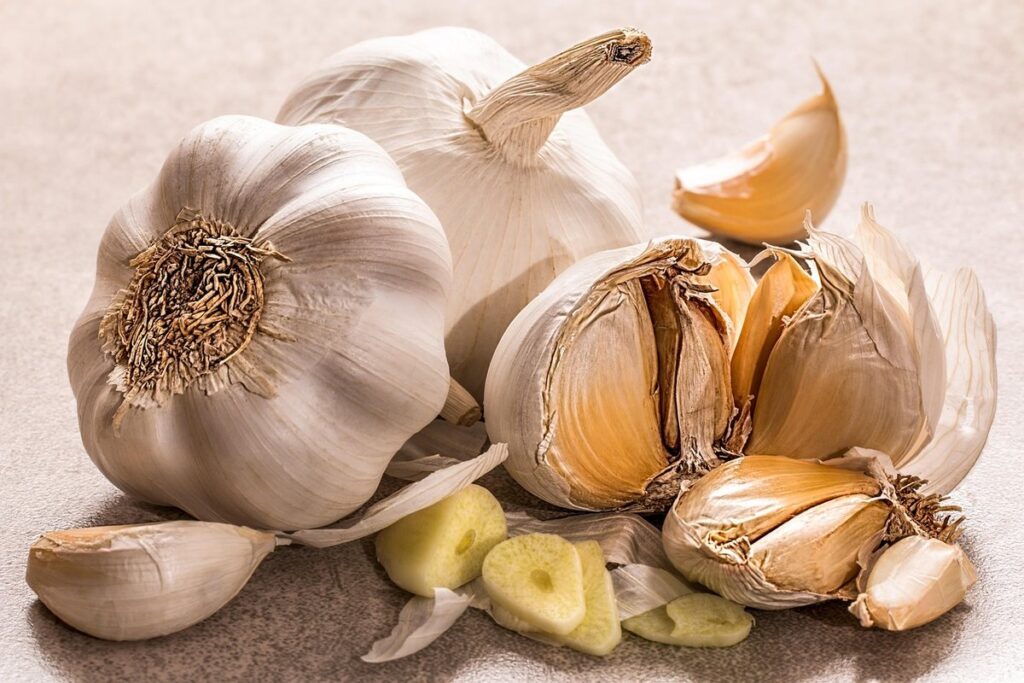
German Red garlic is instantly recognizable due to its distinct physical characteristics. One of the most notable features is its vibrant red color, which deepens and develops a rich brown tone as it matures. The cloves are typically plump and oval-shaped, measuring around 1-2 cm in length. When fresh, the skin has a smooth, thin texture that’s slightly tender to the touch.
A closer inspection reveals small, delicate roots at the base of each clove, which provide a hint about its robust flavor profile. German Red garlic is also characterized by a compact bulb shape, with tightly packed cloves that are easy to peel and prepare for cooking. This unique physical appearance not only sets it apart from other types but also indicates its exceptional quality and rich aroma. When choosing fresh German Red garlic, look for bulbs with firm, intact skin and no signs of sprouting or mold. Store them in a cool, dry place to maintain their flavor and texture throughout the year.
Flavor Profile and Aroma
German Red garlic boasts an unmistakable flavor profile that sets it apart from other popular types of garlic. Its rich, slightly sweet taste is often described as robust and earthy, making it a favorite among chefs and home cooks alike. When compared to the milder flavor of Elephant garlic or the pungency of Silverskin garlic, German Red’s bold character shines through.
The distinct aroma of German Red garlic is equally impressive, with a deep, savory scent that fills the air when minced or roasted. This unique fragrance is largely influenced by the region’s cool climate and rich soils, which allow for slower ripening times and more complex flavor development. Factors like sunlight exposure, irrigation, and harvesting practices also play a significant role in shaping the flavor and aroma of German Red garlic.
If you’re looking to bring out the best in your German Red garlic, try roasting it before using it in recipes. This simple process enhances its natural sweetness and amplifies its aromatic properties, making it an indispensable addition to any dish. Whether you’re a seasoned chef or just starting to explore the world of garlic, understanding the unique characteristics of German Red is essential for unlocking its full potential in your cooking.
History and Cultural Significance of German Red Garlic
German red garlic has a rich history that dates back centuries, with its significance deeply rooted in traditional European cuisine. Let’s delve into the fascinating stories behind this beloved ingredient.
Origins and Evolution
German red garlic has its roots in Central Europe, where it was first cultivated by ancient civilizations. Archaeological findings suggest that the region’s fertile soil and favorable climate created an ideal environment for early farmers to domesticate wild garlic species. Over time, local farmers selectively bred these wild varieties to develop the distinct flavor and aroma we associate with German red garlic today.
As a staple in traditional cuisine, German red garlic has been a fundamental component of Central European cooking for centuries. It’s often used to add depth and complexity to hearty stews, soups, and sausages. In medicine, garlic has been employed for its purported health benefits, including lowering cholesterol levels and reducing inflammation. German herbalists have long utilized garlic in their remedies, harnessing its antibacterial properties to treat a range of ailments.
In fact, many traditional German recipes still rely on the pungency of red garlic to add flavor to dishes like Schnitzel or Sauerbraten. When using German red garlic in cooking, it’s essential to chop or crush the cloves just before adding them to your dish, as this releases their full flavor and aroma. Experiment with roasting or caramelizing the garlic for a sweet and nutty twist on traditional recipes.
Cultural Associations and Traditions
In Germany, garlic is deeply ingrained in cultural traditions and often used as a symbol of hospitality. When guests arrive at a German household, it’s not uncommon for the host to serve them a dish featuring red garlic, such as Kartoffelsalat (potato salad) or Leipziger Allerlei (a traditional dish from Leipzig). This practice is rooted in the idea that sharing food with others strengthens bonds and creates lasting memories.
In regional German cuisine, garlic plays a starring role. In Bavaria, for instance, garlic is a key ingredient in Schnittlauchsuppe (chive soup), while in Hesse, it’s used to flavor traditional dishes like Handkäppchen (handkerchief-sized meat dumplings). When preparing these recipes, cooks often choose German Red garlic for its robust flavor and aroma.
To incorporate the cultural significance of German Red garlic into your own cooking routine, try serving a red garlic-infused dish at your next dinner party. This simple gesture will not only delight your guests but also pay homage to Germany’s rich culinary heritage.
Culinary Uses of German Red Garlic
You’re probably eager to get cooking with your German Red Garlic, and we’re excited to share some delicious ways to incorporate it into your favorite recipes. From savory sauces to aromatic soups, get creative!
Cooking Techniques and Methods
When cooking with German Red garlic, it’s essential to understand its unique characteristics. This variety has a milder flavor compared to regular garlic but packs more punch when cooked. To bring out the best flavor, try roasting German Red garlic before using it in recipes. Cut the top off and wrap it in foil, then roast at 400°F (200°C) for about 15-20 minutes or until soft.
For sautéing, use a medium-high heat to caramelize the natural sugars found in the cloves. This technique is perfect for adding depth to sauces, stir-fries, and marinades. When grilling, slice the garlic thinly and brush with olive oil before placing on skewers. The smoky flavor pairs well with grilled meats, vegetables, and seafood.
To enhance its flavor and aroma, use German Red garlic in combination with herbs like thyme, rosemary, or parsley. Chop it finely and mix with olive oil as a marinade for roasted chicken or lamb. Remember to store the garlic in an airtight container to preserve its potency and shelf life.
Popular Dishes and Recipes
German red garlic is a versatile ingredient that’s a staple in many traditional German dishes. One classic example is Spätzle mit Knoblauch (Spätzle with Garlic), a hearty pasta dish originating from the south of Germany. The recipe typically involves tossing cooked spätzle with sautéed German red garlic, onions, and sometimes even meat or cheese.
For those who prefer lighter options, German red garlic shines in salads like Kartoffelsalat (German Potato Salad). This refreshing side dish combines boiled potatoes, diced vegetables, and a vinaigrette dressing infused with the pungency of roasted German red garlic. Simply roast 2-3 cloves until caramelized, then mince and mix with mayonnaise, vinegar, sugar, salt, and pepper for an authentic taste.
Beyond traditional dishes, modern chefs often use German red garlic to add depth to contemporary recipes. A simple yet impressive combination is a compound butter made by mixing softened butter with minced German red garlic, parsley, and lemon zest. Spread this aromatic butter on toasted bread or use it as a finishing touch for grilled meats or fish.
Health Benefits and Nutritional Value of German Red Garlic
Now that we’ve explored the unique characteristics of German Red Garlic, let’s dive into its impressive health benefits and nutritional value. You’ll be surprised by what this superfood has in store for you!
Antimicrobial Properties
German Red garlic is renowned for its exceptional antimicrobial properties, making it an excellent addition to your diet. This unique characteristic enables it to combat a range of pathogens, from bacteria and viruses to fungi and parasites. The antimicrobial compounds present in German Red garlic work synergistically with the immune system, supporting its function and helping to protect against illness.
One of the key ways German Red garlic’s antimicrobial properties can benefit you is by reducing the severity and frequency of common colds and flu. Studies have shown that consuming garlic regularly can decrease the incidence of these conditions due to its ability to inhibit viral replication. Additionally, the antimicrobial compounds in German Red garlic have been found to be effective against a range of bacteria, including those responsible for digestive issues such as E. coli.
To harness the antimicrobial benefits of German Red garlic, incorporate it into your cooking routine by adding minced cloves to soups, stews, and stir-fries. You can also use it as a natural remedy for digestive discomfort or add it to your salad dressings for an extra boost of flavor and nutrition.
High-Quality Vitamins and Minerals
German Red garlic is not only renowned for its pungent flavor but also for its impressive nutritional profile. One of the key vitamins found in abundance in German Red garlic is Vitamin C, an essential nutrient that plays a vital role in boosting the immune system and fighting off infections. A single serving of German Red garlic can provide up to 10% of the daily recommended intake of Vitamin C.
Another essential vitamin present in German Red garlic is B6, which is crucial for maintaining healthy red blood cells, regulating nerve function, and supporting brain health. Moreover, German Red garlic is a rich source of minerals like potassium and manganese. Potassium helps regulate fluid balance within the body, while manganese is essential for bone health and wound healing.
To reap the benefits of these vitamins and minerals, simply chop or crush a clove of German Red garlic and add it to your meals. You can also use it as an ingredient in homemade soups or stews. By incorporating German Red garlic into your diet, you’ll not only be enhancing the flavor but also providing your body with a wealth of essential nutrients.
Tips for Growing and Storing German Red Garlic
To get the most out of your German Red Garlic crop, it’s essential to know how to grow and store it properly. Learn our top tips for optimal results.
Optimal Growing Conditions
When cultivating German Red garlic, it’s essential to provide optimal growing conditions for it to thrive. This variety of garlic prefers well-draining soil that is rich in organic matter and has a pH between 6.0 and 7.0. To achieve this, you can mix in compost or well-rotted manure into the soil before planting.
In terms of climate requirements, German Red garlic needs a long growing season with cool winters and warm summers. It’s best to plant it in areas with moderate temperatures between 40°F and 70°F (4°C and 21°C). Avoid planting in areas with extreme temperature fluctuations or frost pockets.
German Red garlic also requires full sun to produce high-quality bulbs. Plant the cloves about 3-4 inches deep and 6-8 inches apart, making sure that the pointed end is facing upwards. Keep the soil consistently moist during the growing season, but avoid overwatering which can lead to rot and other diseases.
By providing German Red garlic with these optimal growing conditions, you’ll be rewarded with a bountiful harvest of delicious and nutritious bulbs.
Proper Storage and Handling
To maintain the exceptional quality of your German Red garlic crop, proper storage and handling are crucial after harvest. This involves careful selection, cleaning, drying, and storing the bulbs to prolong their shelf life.
Start by selecting only the healthiest, firmest bulbs with no signs of mold or damage. Remove any loose or damaged cloves from the bulb and gently brush off any dirt or debris. Next, dry the bulbs in a well-ventilated area for 2-3 weeks to prevent moisture buildup. You can also speed up the process by placing them in a dry environment at a temperature around 40°F (4°C).
Proper storage is equally important. Store the bulbs in a cool, dark place with good air circulation. A temperature range of 32°F to 50°F (0°C to 10°C) and relative humidity below 70% will help slow down sprouting and maintain quality.
Keep your German Red garlic away from direct sunlight and avoid storing it near potatoes or onions as they give off ethylene gas that can cause the bulbs to spoil faster. By following these simple steps, you can enjoy your homegrown German Red garlic for a longer period while maintaining its flavor and aroma.
Frequently Asked Questions
Can I use German Red garlic as a substitute for other types of garlic?
Yes, German Red garlic can be used as a substitute in most recipes due to its robust flavor profile. However, keep in mind that it may have a slightly sweeter and nuttier taste compared to other varieties. Start with a smaller amount and adjust to taste, especially if you’re new to cooking with German Red garlic.
How long does German Red garlic last when stored properly?
When stored in a cool, dry place away from direct sunlight, German Red garlic can last for up to 6-8 months. To extend its shelf life, consider refrigerating or freezing the cloves. Before storing, make sure they’re completely dry and free of moisture.
Can I grow my own German Red garlic at home?
Yes, with the right conditions and care, you can successfully grow your own German Red garlic at home. Ensure optimal growing conditions, including well-drained soil, full sun, and adequate watering. Start with high-quality cloves from a reputable source to increase the chances of successful growth.
How do I incorporate German Red garlic into my cooking routine?
To make the most of German Red garlic’s unique flavor, start by incorporating it into your favorite recipes in small amounts. Experiment with different cooking techniques, such as roasting or sautéing, to bring out its natural sweetness. As you become more comfortable with using German Red garlic, feel free to get creative and develop new recipes that showcase its robust flavor.
Can I use German Red garlic for medicinal purposes?
Yes, German Red garlic has been traditionally used for its antimicrobial properties and potential health benefits. However, consult a healthcare professional before using it as a treatment for any medical condition. While it’s rich in vitamins and minerals, excessive consumption may interact with certain medications or worsen underlying health issues.