
If you’re looking for a unique addition to your herbal garden or natural medicine cabinet, the Gaultheria mucronata plant is definitely worth considering. This understated yet impressive species boasts an array of medicinal properties that can benefit everything from respiratory issues to skin conditions. But what makes it truly special is its versatility – not only can it be used as a natural remedy, but its leaves also add a sweet and slightly tart flavor to teas and salads. However, like many plants, the Gaultheria mucronata requires careful attention when cultivating it, and its conservation status demands consideration for sustainable use. In this article, we’ll delve into the medicinal properties, culinary uses, growing requirements, benefits, risks, and conservation status of this remarkable plant, providing you with a comprehensive understanding to make informed choices about incorporating Gaultheria mucronata into your life.
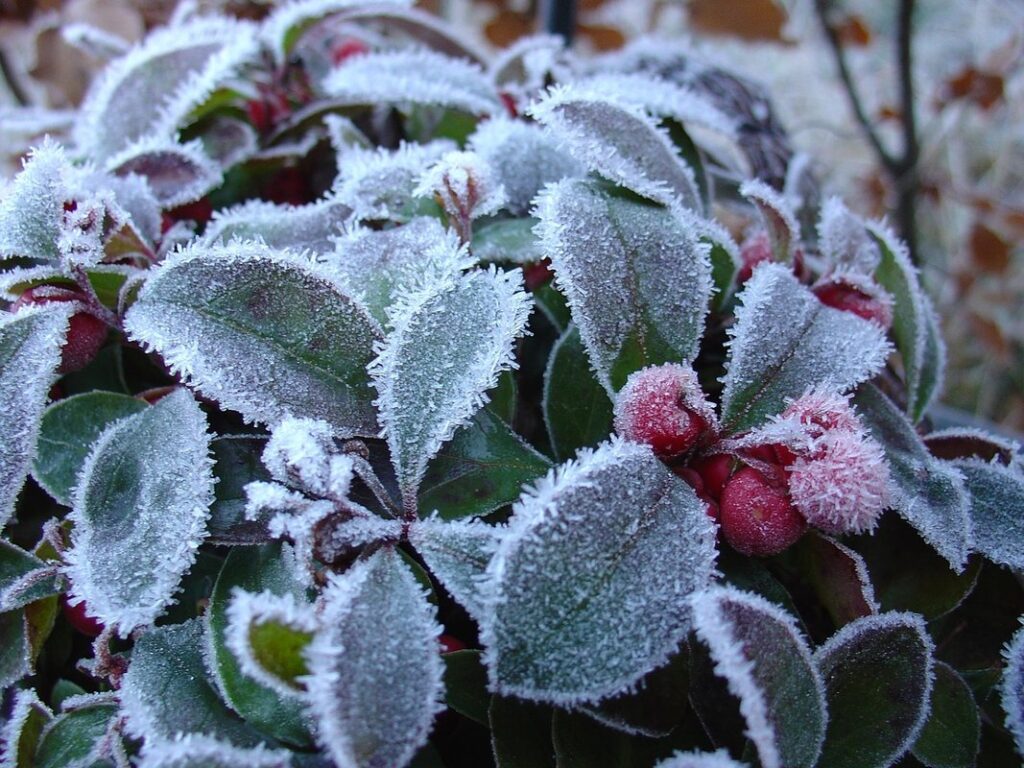
What is Gaultheria Mucronata?
Let’s dive into the specifics of this unique plant, starting with its identity and background as a species. What exactly is Gaultheria mucronata, and where does it originate from?
Description and Classification
Gaultheria mucronata is a shrub-like plant native to New Zealand and parts of Australia. From a botanical standpoint, it belongs to the Ericaceae family and is closely related to other plants like blueberries and cranberries. The species name ‘mucronata’ comes from the Latin word for “small-nosed” or “pointed,” which refers to the small, pointed tips on its leaves.
Gaultheria mucronata has several distinct features that set it apart from other plant species in its family. Its leaves are dark green and glossy with serrated edges, typically growing 3-6 inches long. The plant produces small white flowers, usually in late spring to early summer, which are followed by purple berries. These berries are edible but may cause stomach upset if consumed in large quantities.
One notable feature of Gaultheria mucronata is its ability to thrive in shaded areas with moist soil, making it an ideal choice for gardeners looking to add some greenery to their low-light spaces.
Origins and Habitat
Gaultheria mucronata is native to the mountainous regions of Central and South America, specifically in countries such as Colombia, Ecuador, Peru, and Chile. It thrives in well-defined temperate climates with moderate temperatures between 40°F and 64°F (4°C and 18°C). The ideal habitat for this plant is in shaded areas, often under the canopy of coniferous or broadleaf trees.
In its natural distribution, Gaultheria mucronata grows on rocky slopes, mountain ridges, and alongside streams. It prefers acidic soils with a pH range between 5.5 and 6.5. If you’re considering cultivating this plant in your region, ensure that the climate and soil conditions match its native preferences.
When cultivating Gaultheria mucronata outside of its natural habitat, it’s essential to replicate its preferred growing conditions. Provide your plants with filtered sunlight or partial shade, especially during peak summer months. Use a well-draining acidic potting mix, maintaining an optimal pH level for the plant’s growth and development. By understanding and mimicking the natural habitat of Gaultheria mucronata, you can successfully cultivate this species in various regions worldwide.
Benefits and Uses of Gaultheria Mucronata
Now that you know more about the plant’s properties and characteristics, let’s dive into its benefits and uses in traditional medicine and everyday life. It has a wide range of practical applications.
Medicinal Properties
Gaultheria mucronata has been employed for centuries in traditional medicine to address various health concerns. One of its most notable applications is in treating respiratory issues, such as bronchitis and asthma. The plant’s leaves are often used to make a tea that helps ease congestion and soothe irritated airways.
In addition to respiratory issues, Gaultheria mucronata has been traditionally used to treat skin conditions like eczema and acne. The plant’s antimicrobial properties help combat infections that can exacerbate these conditions. Moreover, its anti-inflammatory properties aid in reducing redness and swelling associated with these skin issues.
Furthermore, Gaultheria mucronata has been employed to address digestive problems, including diarrhea and stomach cramps. Its antibacterial properties help regulate gut health, making it an effective remedy for various gastrointestinal disorders. While modern medicine has not extensively studied the plant’s medicinal properties, its traditional uses demonstrate its potential as a natural treatment option.
When using Gaultheria mucronata medicinally, it is essential to note that excessive consumption can lead to stomach upset and other adverse effects. Therefore, moderation is key when incorporating this plant into your health regimen. It is also crucial to consult with a healthcare professional before using any new herbal remedy, especially if you have pre-existing medical conditions or are taking prescription medications.
Culinary and Cosmetic Uses
Gaultheria mucronata has been utilized for centuries in traditional medicine and various applications. Its potential culinary uses are largely unexplored but could involve incorporating its leaves into teas or infusions. However, it’s essential to note that there is limited information on the safety of consuming Gaultheria mucronata.
In terms of cosmetic applications, Gaultheria mucronata has been used in skincare products and fragrances due to its potential antimicrobial properties. The plant contains salicin, a compound similar to aspirin, which could have anti-inflammatory effects when applied topically. For instance, some natural skincare brands have incorporated extracts from Gaultheria mucronata into their products, citing benefits such as reduced inflammation and improved skin health.
While there is limited research on the specific uses of Gaultheria mucronata in cosmetics, its unique properties make it an intriguing candidate for further exploration. As with any new skincare ingredient, it’s crucial to patch test and consult with a dermatologist before incorporating extracts from this plant into your routine.
Growing and Cultivating Gaultheria Mucronata
To successfully grow and cultivate Gaultheria mucronata, you’ll want to focus on creating a well-draining environment with filtered sunlight and consistent moisture levels. This section will guide you through those specific care requirements.
Climate and Soil Requirements
Gaultheria mucronata is native to New Zealand and thrives in temperate climates with specific conditions that need to be met for optimal growth. When cultivating this plant, it’s essential to provide the right climate, soil type, and light conditions.
In terms of climate, Gaultheria mucronata prefers cooler temperatures between 32°F (0°C) and 64°F (18°C). It is also sensitive to extreme heat and can be damaged by prolonged exposure to temperatures above 75°F (24°C). This plant does not tolerate frost well, so it’s crucial to protect it from cold snaps. A moderate humidity level of around 50-60% is ideal for Gaultheria mucronata.
When it comes to soil type, this plant prefers acidic and well-draining soils with a pH between 5.0 and 6.0. Use a mix specifically designed for acid-loving plants to ensure the right balance of nutrients. Gaultheria mucronata requires bright, indirect light but can tolerate partial shade. Direct sunlight can cause scorching, so it’s essential to provide filtered or dappled light for optimal growth.
Regular watering is also crucial, with Gaultheria mucronata requiring around 1-2 gallons of water per week during the growing season. Avoid overwatering, which can lead to root rot and other problems. Mulching around the base of the plant helps retain moisture and suppress weeds.
Propagation Methods
Gaultheria mucronata can be propagated using various methods, each with its own set of advantages and challenges. One popular method is seed starting. However, this approach has a low success rate due to the seeds’ sensitivity to temperature fluctuations and their long germination period, typically taking around 12-18 months.
Cuttings provide a more reliable option, allowing you to propagate Gaultheria mucronata quickly and efficiently. To take cuttings, select healthy stems with at least two nodes, remove lower leaves, and plant them in well-draining mix. Keep the soil consistently moist but not waterlogged, and maintain temperatures between 65-75°F (18-24°C). Roots should develop within 6-8 weeks.
Division is another effective method, ideal for mature plants. Dig up the entire root system, gently separate the sections, and replant them in a well-draining mix. This approach allows you to propagate Gaultheria mucronata while maintaining its established root structure, ensuring it quickly recovers from the division process.
Health Risks and Precautions Associated with Gaultheria Mucronata
When handling gaultheria mucronata, it’s crucial to be aware of potential health risks associated with its sap, which can cause skin irritation and allergic reactions in some individuals. Be cautious when working with this plant!
Toxicity and Allergenic Potential
While Gaultheria mucronata is often used for its medicinal and ornamental purposes, it’s essential to be aware of its potential toxicity and allergenic properties. Ingesting large quantities of the plant can cause gastrointestinal issues, such as nausea, vomiting, and diarrhea, in both humans and animals.
When handling Gaultheria mucronata, it’s crucial to wear protective gloves and eyewear, as the sap can cause skin irritation and eye redness in some individuals. Allergic reactions may manifest as hives, itching, or difficulty breathing. In rare cases, severe allergic responses can lead to anaphylaxis.
The plant’s potential impact on the environment is also worth noting. Gaultheria mucronata contains a compound called ursolic acid, which has been shown to be toxic to aquatic organisms at high concentrations. However, studies have demonstrated that the plant’s toxicity diminishes significantly when exposed to sunlight and water. To minimize risks, it’s recommended to use Gaultheria mucronata in controlled environments or with proper safety measures in place.
Interactions with Medications or Other Substances
When using Gaultheria mucronata, it’s essential to be aware of potential interactions with medications or other substances. This is particularly crucial for individuals taking prescription medications, as the plant may enhance or inhibit their effects.
For instance, gaultheria mucronata contains compounds that can increase blood thinning properties when combined with warfarin or aspirin. This may lead to excessive bleeding and increased risk of hemorrhaging. Similarly, patients on diabetes medications should be cautious, as gaultheria mucronata’s flavonoids may lower blood sugar levels even further.
Additionally, individuals taking sedatives or antidepressants should also exercise caution when consuming gaultheria mucronata. The plant’s phenolic compounds can interact with these medications, leading to increased drowsiness or serotonin syndrome in severe cases. To minimize risks, patients should consult their healthcare providers before using gaultheria mucronata products.
If you’re considering incorporating gaultheria mucronata into your routine, it’s vital to weigh the benefits against potential interactions and contraindications. Always consult with a medical professional or qualified healthcare expert before adding new supplements to your regimen.
Conservation Status and Sustainable Practices
As we delve into the wonderful world of Gaultheria mucronata, it’s essential to explore its conservation status and learn how sustainable practices can help protect this incredible species for generations to come.
Threats to Gaultheria Mucronata Populations
Gaultheria mucronata populations face several significant threats to their conservation. One of the primary concerns is habitat destruction due to deforestation and urbanization. As a result, many Gaultheria mucronata plants have lost their natural habitats and are forced to adapt to new environments.
Climate change also poses a substantial threat to these plant populations. Rising temperatures and changing weather patterns disrupt the delicate balance required for Gaultheria mucronata’s survival. For instance, warmer temperatures can lead to an increase in pests and diseases that attack the plants, further jeopardizing their existence.
Over-harvesting of Gaultheria mucronata for its medicinal properties is another pressing concern. The plant contains compounds with anti-inflammatory and antioxidant properties, making it a sought-after ingredient in traditional medicine. However, over-exploitation can lead to population decline and even extinction. To mitigate these threats, conservation efforts should focus on protecting natural habitats, promoting sustainable harvesting practices, and implementing measures to adapt to climate change impacts.
Sustainable Harvesting and Trade Practices
When sourcing Gaultheria mucronata for use in traditional medicine, crafts, or other purposes, it’s essential to adopt environmentally responsible harvesting and trade practices. Over-harvesting can lead to the degradation of habitats and even threaten the plant’s survival.
To ensure sustainable harvesting, look for suppliers that follow FairWild certification standards. This involves monitoring wild harvests to prevent over-collection and promoting the involvement of local communities in the process. For instance, in some regions, local people are employed as collectors, receiving fair prices for their work while also contributing to conservation efforts.
You can also consider purchasing Gaultheria mucronata from cultivated sources or plantations. This not only reduces pressure on wild populations but also allows for more efficient and sustainable use of resources.
When handling and transporting the plant, be mindful of its sensitive properties and take steps to minimize waste and damage. This may involve using biodegradable packaging materials and ensuring that transportation methods are as environmentally friendly as possible. By making these choices, you can contribute to the long-term conservation of Gaultheria mucronata while also promoting sustainable trade practices.
Cultural Significance and Interesting Facts
As you explore the unique characteristics of Gaultheria mucronata, let’s delve into some fascinating cultural significance and interesting facts that add another layer to its story.
Traditional Use in Folk Medicine
Gaultheria mucronata has been a valuable resource in traditional folk medicine for centuries. In many indigenous cultures of North America, it’s known as “salal” and is highly revered for its medicinal properties. The plant’s leaves, berries, and roots are used to treat various ailments, from fever reduction to digestive issues.
In Pacific Northwest Native American tribes, Gaultheria mucronata is used to make a salve that’s applied topically to soothe skin irritations, burns, and wounds. The plant’s antiseptic properties help prevent infection and promote healing. Similarly, in traditional Chinese medicine, Gaultheria mucronata is used to treat respiratory issues, such as bronchitis and asthma, due to its expectorant properties.
When using Gaultheria mucronata in folk medicine, it’s essential to note that the plant contains salicin, a compound similar to aspirin. While it has analgesic and anti-inflammatory effects, excessive consumption can lead to stomach upset and interact with other medications. To use it safely, consult with an experienced herbalist or healthcare practitioner. They can guide you on proper preparation methods, dosages, and potential interactions with other substances.
Fun Facts and Trivia
Gaultheria mucronata is known for its unique properties and historical significance. Did you know that this plant has been used for centuries in traditional medicine by indigenous communities in New Zealand? Its berries were crushed and applied topically to treat wounds, while the leaves were made into a tea to alleviate respiratory issues.
Interestingly, Gaultheria mucronata contains high levels of antioxidants, which contribute to its potential health benefits. Research suggests that consuming extracts from this plant may help reduce inflammation and oxidative stress in the body. For example, one study demonstrated that a standardized extract of Gaultheria mucronata berries showed significant antioxidant activity, comparable to that of well-known antioxidants like vitamin C.
Moreover, Gaultheria mucronata has also been used as an ornamental plant due to its striking red berries and dark green leaves. It’s relatively low-maintenance and can thrive in shade, making it a popular choice for gardeners in temperate climates. If you’re considering growing Gaultheria mucronata, be sure to provide it with consistent moisture and avoid over-exposure to direct sunlight.
Frequently Asked Questions
Can I grow Gaultheria mucronata indoors, or does it require a specific climate and soil?
Yes, with proper care and attention to its native climate and soil requirements, you can grow Gaultheria mucronata indoors or in containers. However, be aware that this species thrives in cooler temperatures between 40-60°F (4-15°C) and well-draining acidic soils with a pH between 5.0-6.5. Providing a humid environment and protecting it from extreme temperature fluctuations will help ensure its success.
How do I identify Gaultheria mucronata, especially if I’m foraging in the wild?
To accurately identify Gaultheria mucronata when foraging in the wild, look for shrub-like plants with oblong leaves that are typically 2-4 inches long and have a pointed tip. The plant’s stems are often woody and red at the nodes, and it can grow up to 3 feet tall. Be sure to consult with an expert or a trusted field guide before harvesting any wild specimens to ensure proper identification and sustainable use.
Can I consume Gaultheria mucronata leaves raw in salads, or should they be cooked first?
You can indeed consume Gaultheria mucronata leaves raw, but it’s recommended to chop them finely and mix with other ingredients. The taste is described as sweet and slightly tart, similar to a combination of blueberries and cranberries. However, if you prefer a milder flavor, cooking the leaves for 10-15 minutes can help reduce their bitterness.
What are some common mistakes people make when cultivating Gaultheria mucronata, and how can I avoid them?
When cultivating Gaultheria mucronata, be aware of the potential for root rot due to overwatering. This requires careful attention to soil moisture levels and making sure your pot has good drainage holes. Also, avoid exposing your plant to extreme temperatures or direct sunlight, as this can cause stress and reduce its medicinal properties.
Are there any specific precautions I should take when using Gaultheria mucronata for medicinal purposes?
Yes, while Gaultheria mucronata is generally considered safe for internal use in small amounts, it’s essential to consult with a healthcare professional before consuming it, especially if you’re pregnant or have pre-existing health conditions. Furthermore, be aware that high doses of the plant’s extracts can cause gastrointestinal upset and allergic reactions in some individuals.