
Have you ever bitten into a perfectly cooked meal, only to be met with a pungent surprise? Garlic that sprouts too soon can be a disappointment for even the most seasoned cooks. But why does it happen in the first place? And more importantly, what can you do to prevent it? If you’re tired of throwing away prematurely sprouted garlic or struggling with inconsistent harvests, you’re not alone. Proper storage and growing conditions are crucial for maintaining healthy bulbs that won’t sprout too soon. In this article, we’ll explore the reasons behind early sprouting and provide practical tips on how to optimize your garlic’s growing conditions, from storage to care, so you can enjoy a bountiful harvest all year round.
Understanding the Problem
When you notice your garlic sprouting too soon, it can be frustrating, but identifying the underlying cause is key to preventing premature growth and ensuring healthy bulbs. Let’s explore why this might be happening.
Causes of Premature Sprouting
Premature sprouting of garlic can be caused by several factors. One common reason is temperature fluctuations. Garlic needs a period of cold winter dormancy to induce sprouting, but if it’s exposed to alternating temperatures, this process can be triggered prematurely. For example, storing garlic in an attic or garage where the temperature rises and falls with the seasons can cause it to sprout too soon.
Another factor contributing to premature sprouting is waterlogging. Garlic requires a dry environment to store well, but when it’s stored in a humid area or exposed to excessive moisture, it can lead to sprouting. Even if you’re storing garlic in a dry location, check the bulbs for any signs of dampness before bringing them home.
Poor storage conditions can also cause garlic to sprout too soon. Store garlic in a cool, well-ventilated area with a consistent temperature between 40°F and 50°F (4°C and 10°C). Avoid storing garlic near heating vents or direct sunlight, as this can cause the bulbs to warm up and sprout prematurely.
It’s essential to be aware of these factors when storing garlic to prevent premature sprouting.
Symptoms of Premature Sprouting
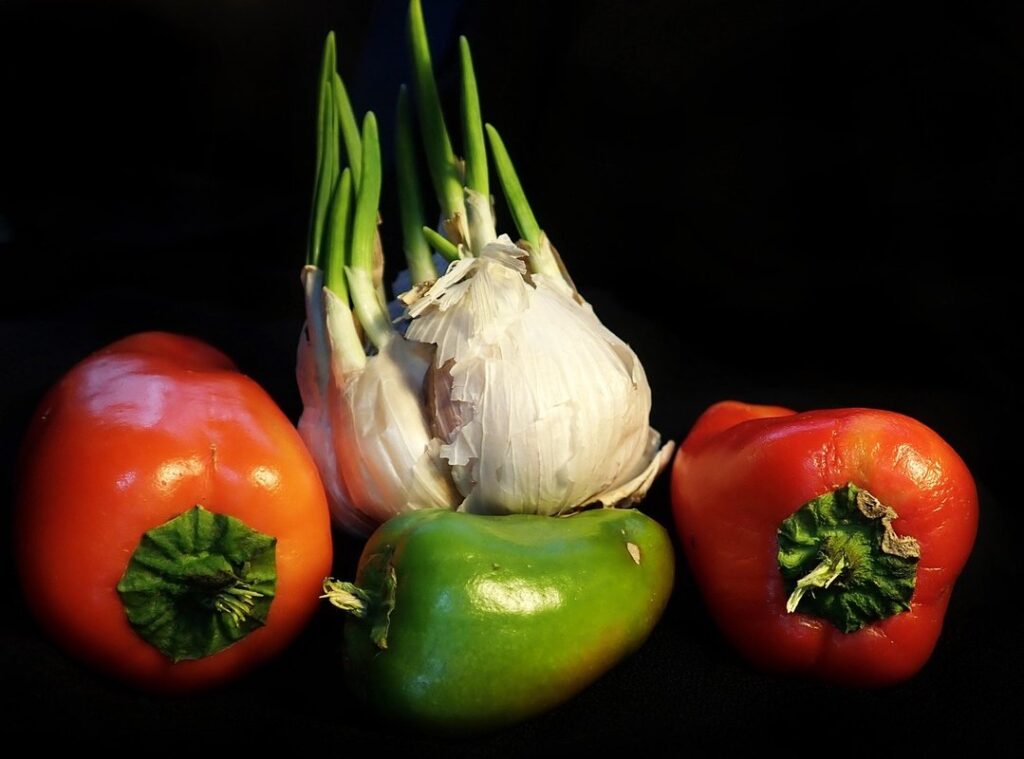
Identifying premature sprouting in garlic can be a bit tricky, but there are some telltale signs to look out for. Firstly, check for visual changes. If you notice tiny green shoots emerging from the base of the bulb or cloves, it’s likely that the garlic is sprouting too soon. These shoots may start as small, pale green points and gradually grow taller.
Another sign of premature sprouting is a change in texture. If the cloves become soft and squishy to the touch, it could be a sign that they’re starting to sprout. You might also notice that the papery skin around the clove begins to split or tear.
Lastly, give your garlic a sniff test. Prematurely sprouting garlic often emits a strong, unpleasant odor that’s similar to rotten eggs. If you detect this smell, it’s best to discard the affected cloves immediately.
Keep an eye out for these visual and sensory changes, as they can indicate that your garlic is sprouting too soon.
Causes of Premature Sprouting
So, why is your garlic sprouting too soon? Let’s take a closer look at some common causes that might be contributing to its premature growth.
Temperature Fluctuations
Temperature fluctuations can be one of the most significant contributors to premature sprouting in garlic. Sudden changes in temperature can trigger a cascade of physiological responses in garlic bulbs, causing them to break dormancy and sprout too soon. This is because garlic, like many other bulbous plants, has an innate desire to grow when conditions are favorable.
When stored at a consistent temperature between 40°F (4°C) and 50°F (10°C), garlic is less likely to sprout prematurely. However, if the storage area experiences sudden drops or spikes in temperature, it can trigger early sprouting. For example, a garage that’s been storing garlic over winter might experience a warm spell causing the temperature to rise to 60°F (15°C) for a few days, followed by a return to cold temperatures.
To maintain stable storage conditions and prevent premature sprouting, it’s essential to store garlic in a cool, dark place with consistent humidity. Avoid placing garlic near heating vents or drafty windows that can cause temperature fluctuations. If you notice your garlic is sprouting too soon, consider relocating it to a more stable environment or using specialized storage containers designed for preserving bulbs. By controlling the storage conditions, you can minimize the risk of premature sprouting and keep your garlic fresh for a longer period.
Waterlogging and Moisture Issues
Watering habits play a significant role in garlic sprouting too soon. When soil is consistently waterlogged, it can cause bulbs to swell and rupture, leading to premature sprouting. This is often due to overwatering or poor drainage. To prevent this issue, ensure that the top 2-3 inches of soil remain dry between waterings.
Monitor your soil’s moisture levels by sticking your finger into the soil up to the first knuckle. If it feels damp, wait another day before watering. Proper drainage is also essential; if you notice water pooling around the plants or in the pot, reevaluate your container size and consider adding a layer of grit or small rocks at the bottom for improved drainage.
Consider using a well-draining potting mix specifically designed for bulbs like garlic. This type of mix will help to prevent water from accumulating around the roots, reducing the risk of premature sprouting. By adjusting your watering schedule and improving soil drainage, you can help regulate your garlic’s growth cycle and encourage healthy development rather than premature sprouting.
Prevention Methods
Now that you know why garlic might be sprouting too soon, let’s dive into some effective prevention methods to help you grow perfect bulbs.
Proper Storage Techniques
To prevent garlic from sprouting too soon, proper storage techniques are essential. This involves selecting the right container type, location, and humidity level to slow down the growth process.
For storing garlic, use a breathable container such as mesh bags or paper bags. Avoid using plastic containers or zip-top bags as they can trap moisture and cause sprouting. Mesh bags allow for airflow and help maintain a stable moisture level.
Store your garlic in a cool, dark place with consistent temperatures between 40°F to 50°F (4°C to 10°C). Avoid storing near heat sources like ovens, radiators, or direct sunlight as this can accelerate the growth process. A basement or pantry is an ideal location for storing garlic.
Maintaining optimal humidity levels is crucial. Store your garlic in a dry place with humidity levels between 50% and 60%. You can use silica gel packets to absorb excess moisture if necessary. Regularly check on your stored garlic to ensure it remains dry and free from mold or sprouts.
Optimizing Growing Conditions
When growing garlic, it’s essential to provide optimal conditions for healthy development. Choosing the right variety is crucial, as some types are more resistant to premature sprouting than others. Look for varieties specifically bred for their ability to store well and resist sprouting, such as ‘Silverskin’ or ‘Hybrid Creole’.
Planting at the correct time is also vital. In areas with mild winters, plant garlic in late summer or early fall, about 6-8 weeks before the first frost. This allows the bulbs to establish themselves before winter dormancy sets in. In regions with harsher winters, wait until spring when the soil can be worked.
Maintaining optimal soil conditions is also critical. Garlic prefers well-draining, rich soil with a pH between 6.0 and 7.0. Avoid over-fertilizing, as this can encourage top growth at the expense of bulb formation. Instead, focus on providing adequate moisture and allowing the bulbs to mature slowly. By following these best practices, you’ll be more likely to achieve healthy garlic growth and minimize premature sprouting issues.
What to Do When It’s Too Late
If you’ve been caught off guard and your garlic has already sprouted too soon, don’t worry – we’ve got some advice for recovering from this common mistake.
Removing Sprouts from Bulbs
Removing sprouts from bulbs can be a delicate process, but it’s essential to save as much of the garlic bulb as possible for future use. To start, gently twist and pull the sprout away from the bulb, taking care not to break or damage the surrounding cloves. If the sprout is stubborn, you can try soaking the affected area in water for about 30 minutes before attempting to remove it.
When removing the sprouts, be cautious not to damage the papery skin that protects the cloves underneath. This skin helps prevent moisture from entering the bulb and causing further spoilage. Once you’ve removed as many sprouts as possible, trim the damaged areas with a sharp knife or scissors to promote healthy healing.
You can still use the remaining bulbs for cooking by peeling off the outer layers and using the intact cloves as you normally would. To save them for future planting, separate the damaged bulbs from the rest and store them in a cool, dry place until you’re ready to replant them. This way, you won’t waste any of your precious garlic crop.
Using Sprouted Garlic in Cooking
When you’re dealing with garlic sprouting too soon, it can be tempting to discard it altogether. But before you do, consider using it in cooking to minimize waste and maximize flavor. Sprouted garlic is surprisingly versatile and nutritious, making it a great addition to a variety of dishes.
Nutritionally speaking, sprouted garlic retains its high concentration of antioxidants and vitamins while becoming easier to digest due to the breakdown of cell walls during the sprouting process. This means that sprouted garlic can provide even greater health benefits than regular garlic, including reducing inflammation, improving cardiovascular health, and supporting immune function.
Incorporating sprouted garlic into your cooking is relatively straightforward. Simply mince or chop it as you would regular garlic and use it in place of the non-sprouted variety in most recipes. It’s particularly well-suited for dishes like stir-fries, soups, and sauces where its pungency can be balanced by other flavors. You can also roast sprouted garlic to mellow out its flavor and bring out a sweet, nutty taste that pairs perfectly with roasted vegetables or as a dip on its own.
Best Practices for Future Growth
To ensure your garlic crops thrive in the future, follow these best practices that’ll help you avoid premature sprouting and optimize growing conditions.
Selecting Resistant Varieties
When selecting garlic varieties for your garden, it’s essential to choose types that are less prone to premature sprouting. This can be achieved by opting for resistant varieties specifically bred for delayed sprouting. Some popular options include ‘Silver White’, ‘Rocambole’, and ‘Creole’. These varieties have been developed through selective breeding programs aimed at reducing the likelihood of early bulb formation.
When selecting garlic, also consider its origin and adaptability to your climate. Garlic from cooler climates tends to be more resistant to sprouting than those from warmer regions. For example, ‘Silverskin’ garlic is known for its ability to thrive in colder temperatures. On the other hand, varieties like ‘Elephant’ or ‘Creole’ may not perform as well in areas with mild winters.
Before making a final decision, research the specific growing conditions and requirements of each variety. This will help you choose the best resistant type for your garden’s unique climate and soil characteristics. By selecting the right garlic variety, you can minimize the risk of premature sprouting and enjoy healthier, more flavorful bulbs throughout the year.
Implementing a Long-Term Storage Plan
When it comes to storing garlic for the long haul, prevention is the best medicine. By implementing a solid storage plan from the get-go, you can significantly reduce the likelihood of premature sprouting. Here are some techniques for drying, freezing, or dehydrating garlic bulbs to keep them fresh and healthy:
Drying is one of the most effective methods for storing garlic. You can air-dry your bulbs by tying them in small bunches and hanging them upside down in a warm, dry place with good ventilation. This method takes about 1-2 weeks, depending on humidity levels. Another option is to use a food dehydrator set at 135°F (57°C). This will help preserve the garlic’s natural oils and prevent sprouting.
Freezing is also a great way to keep garlic fresh for an extended period. Simply peel and chop or crush the cloves, then spread them out on a baking sheet in a single layer and place it in the freezer. Once frozen, transfer the garlic to airtight containers or freezer bags for storage.
Dehydrating garlic using a low-temperature oven (150°F/65°C) is another viable option. This method helps preserve the bulb’s natural flavor and aroma while preventing sprouting.
Remember, proper storage is key to maintaining long-term freshness. Regardless of which method you choose, make sure to keep your garlic in an airtight container away from direct sunlight and moisture. By implementing these techniques, you can enjoy fresh garlic for months to come – even after the initial sprouting has been addressed.
Frequently Asked Questions
Can I still use sprouted garlic for cooking, even if it’s not ideal?
Yes, you can still use sprouted garlic for cooking, but it may have a slightly different flavor and texture than regular garlic. Sprouted garlic is higher in vitamin C and has a more delicate taste. Simply chop off the sprout and proceed with your recipe as usual.
How do I prevent waterlogging in my garlic storage area?
To prevent waterlogging in your garlic storage area, ensure good air circulation by keeping the containers slightly open or using mesh bags. Also, avoid storing garlic near water sources or areas prone to high humidity. Keep the storage area clean and dry to maintain optimal conditions for healthy bulb growth.
What’s the best way to store sprouted garlic bulbs for future use?
If you’ve harvested sprouted garlic, it’s essential to remove the sprouts before storing the bulbs. Trim the sprout as close to the base of the bulb as possible, and then store the bulb in a cool, dry place with good air circulation.
Can I speed up or slow down the sprouting process by controlling temperature?
Yes, you can control the sprouting process by manipulating the storage temperature. Garlic needs a period of cold winter dormancy to induce sprouting. You can slow down the sprouting process by storing garlic in an area that remains consistently cool (around 40°F/4°C), while speeding it up with warmer temperatures.
How do I know if my garlic has been compromised by pests or diseases?
Regularly inspect your garlic bulbs for signs of pest damage, such as tiny holes or discoloration. Also, look out for fungal growths or mold on the surface of the bulb. If you notice any issues, isolate the affected bulbs and treat them promptly to prevent further damage.