
If you’re a home gardener who’s been growing garlic for its delicious bulbs, you might have noticed that your garlic scapes have started to turn yellow. At first glance, it can be alarming, but don’t worry, this is a common issue many gardeners face. Yellowing garlic scapes are not just unsightly; they’re also a sign of potential problems with nutrient deficiencies or pest management. In this article, we’ll explore the reasons behind garlic scapes turning yellow and provide expert-approved solutions to restore their health. From addressing soil pH levels to managing pests like aphids and spider mites, we’ve got you covered. By the end of this post, you’ll know exactly how to identify and fix the issue, ensuring your garlic crop stays healthy and thriving.
Understanding Garlic Scape Yellowing
So, you’ve noticed your garlic scapes turning yellow and are wondering why? This section will break down the common causes of yellowing to help you identify the issue.
What Are Garlic Scapes?
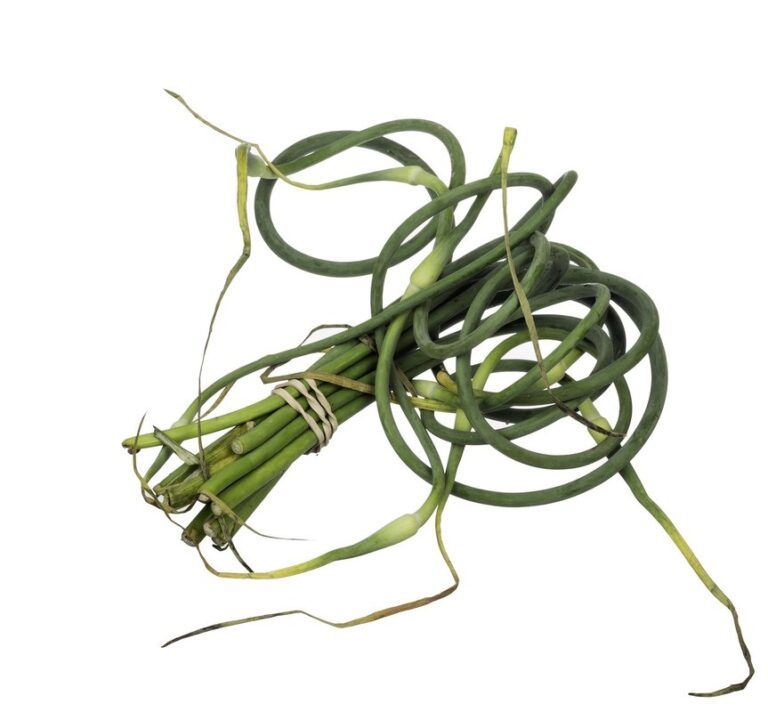
At the heart of every garlic bulb lies the mysterious world of garlic scapes. These curly green shoots emerge from the center of the bulb, often leaving gardeners wondering about their purpose and potential uses. But did you know that garlic scapes are not just a decorative feature of your garden? They’re actually edible and can be used in a variety of dishes to add flavor and nutrition.
Garlic scapes have a milder flavor than garlic cloves, making them perfect for using in salads, stir-fries, and as a garnish. They can also be sautéed or roasted like regular garlic to bring out their unique taste. Many chefs and home cooks use garlic scapes as a way to add depth and complexity to their recipes without overpowering other flavors.
If you’re new to using garlic scapes, start by experimenting with them in simple dishes like pasta sauces, soups, or roasted vegetables. You can also chop them up and add them to sandwiches or wraps for an extra kick of flavor.
Importance of Garlic Scape Health
A healthy garlic scape is essential for the bulb’s development and flavor. When scapes start yellowing, it can be a sign that something is amiss with the plant or its environment. In fact, research suggests that garlic scapes that receive adequate moisture and nutrients are more likely to turn green and produce higher-quality bulbs.
But why is this so? The truth is, garlic scapes act as a food factory for the bulb. They’re responsible for absorbing sunlight, water, and essential minerals, which are then channeled back into the bulb. If the scapes become yellow, it can indicate that the plant is struggling to access these resources.
To ensure your garlic crop thrives, make sure to provide them with plenty of moisture and nutrients. Mulch around the plants to retain soil moisture, and consider using a balanced fertilizer to give them an extra boost. Regularly inspecting your scapes for signs of yellowing can also help you catch any underlying issues early on. By taking proactive steps, you’ll be well on your way to growing robust, flavorful garlic bulbs that make the most of their scape’s nutritional input.
Causes of Garlic Scape Yellowing
Garlic scapes turning yellow can be a frustrating problem, but understanding the root cause is key to resolving the issue. Let’s explore some common causes that might be behind your garlic scape’s yellowing leaves.
Nutrient Deficiencies
When it comes to garlic scapes turning yellow, one of the most common culprits is nutrient deficiency. Garlic needs a balanced diet of essential nutrients like nitrogen, sulfur, and potassium to stay healthy and strong. Lack of these vital elements can cause the scapes to turn yellow, wilt, or even die.
Nitrogen, in particular, plays a crucial role in garlic growth. It’s responsible for producing chlorophyll, which gives plants their green color. Without sufficient nitrogen, the scapes may turn yellowish-green and become weak. To address this issue, make sure your soil has adequate nitrogen levels. You can do this by incorporating compost or well-rotted manure into your soil.
Sulfur is another essential nutrient that garlic needs to stay healthy. It helps in the production of enzymes that are vital for plant growth. A lack of sulfur can cause the scapes to become pale yellow and weak. Potassium, on the other hand, helps regulate water balance within the plant. Without enough potassium, the scapes may turn yellow and become susceptible to diseases.
By understanding these nutrient deficiencies and taking corrective measures, you can prevent garlic scapes from turning yellow and ensure a healthy harvest.
Water Stress and Overwatering
Water stress and overwatering can both cause yellowing garlic scapes. When it comes to watering, garlic requires a delicate balance. Drought can lead to dehydration, causing the leaves to turn yellow as they struggle to produce chlorophyll. On the other hand, excessive watering can also lead to root rot, which starves the plant of oxygen and nutrients.
To avoid water stress or overwatering, check the soil moisture by inserting your finger into the soil up to the first knuckle. If it’s dry, it’s time for a drink. Water thoroughly until you see water coming out from the bottom of the pot. But be cautious not to overdo it – garlic doesn’t like sitting in waterlogged soil.
A good rule of thumb is to water your garlic scapes when the top inch of soil feels dry to the touch. You can also observe your plants’ behavior; if they’re droopy or wilted, they likely need a drink. By finding this balance and adapting to your plant’s specific needs, you’ll be well on your way to maintaining healthy, vibrant garlic scapes.
Pests and Diseases
Pests and diseases can wreak havoc on your garlic scapes, causing them to turn yellow and potentially killing the plant. Identifying these issues early on is crucial for effective management. One common pest that targets garlic is the aphid. These tiny insects feed on the plant’s sap, injecting a toxin that causes curled or distorted leaves. If left unchecked, aphids can multiply quickly, spreading disease and weakening the plant.
To detect aphids, inspect your garlic scapes regularly, looking for sticky substance or a fine webbing on the stems and leaves. Use neem oil or insecticidal soap to control infestations. Prune infected areas to prevent further damage.
Diseases like powdery mildew and downy mildew can also cause yellowing in garlic scapes. These fungal infections thrive in humid environments, so ensure good air circulation around your plants. Remove any infected leaves or stems, and treat with a fungicide specifically labeled for use on garlic.
Keep an eye out for other signs of pests and diseases, such as holes in the leaves or a sticky substance on the plant. Monitor your garlic scapes regularly to catch issues before they spread.
Environmental Factors Contributing to Yellowing Garlic Scapes
Factors outside of your control, such as weather and soil conditions, can significantly impact garlic scape health and contribute to yellowing leaves. Let’s explore these environmental factors in more detail.
Temperature Extremes
Temperature extremes can have a significant impact on garlic scapes, causing them to turn yellow. When exposed to heat above 85°F (30°C), the leaves may start to wilt and discolor. Conversely, temperatures below 40°F (4°C) can also cause stress, leading to a range of issues including yellowing.
In particular, sudden temperature fluctuations can be particularly damaging. For example, if your garlic scapes are exposed to direct sunlight after being in a cooler environment for an extended period, the rapid change can shock the plant, causing it to turn yellow.
To mitigate this issue, provide your garlic scapes with some protection from extreme temperatures. This can be achieved by providing partial shade, especially during peak sun hours. You can also use row covers or other breathable materials to shield the plants from wind and frost. By taking these simple precautions, you can help prevent temperature extremes from causing yellowing in your garlic scapes.
Soil Quality and pH
When it comes to growing healthy garlic scapes, soil quality and pH level are often overlooked but critical factors. Soil that is too alkaline or acidic can disrupt the plant’s ability to absorb essential nutrients, leading to yellowing leaves and reduced yields.
pH levels between 6.0 and 7.0 are generally considered optimal for garlic growth. If your soil test reveals a pH outside of this range, don’t worry – it’s not a lost cause! You can amend the soil with lime to raise the pH or sulfur to lower it. However, it’s essential to make gradual adjustments (about 1/2 teaspoon per gallon) to avoid shocking the plant.
Soil quality also plays a significant role in garlic scape health. Sandy soils may drain too quickly, leaving scapes parched and prone to yellowing. Conversely, heavy clay soils can be waterlogged, causing roots to rot and limiting nutrient uptake. Mix in compost or well-rotted manure to improve soil structure and fertility. A general rule of thumb is to add 2-4 inches of organic matter per year to maintain a healthy, balanced ecosystem.
Solutions for Yellowing Garlic Scapes
If you’ve found yellowing garlic scapes on your farm or in your garden, don’t worry, we have solutions to help you get back on track. We’ll explore effective ways to address this issue and keep your crops thriving.
Fertilization Strategies
When it comes to yellowing garlic scapes, correcting nutrient deficiencies is often a key part of the solution. Garlic plants require a balanced diet of nutrients to thrive, and when they’re lacking, it can manifest as yellowing leaves or scapes.
One common issue that can lead to yellowing scapes is a lack of nitrogen. Nitrogen promotes healthy green growth, so if your garlic scapes are turning yellow, it may be worth checking the soil pH and adjusting the fertilizer accordingly. A well-balanced fertilizer with an N-P-K ratio of 10-10-10 (nitrogen-phosphorus-potassium) can help replenish nitrogen levels and promote healthy growth.
Other essential nutrients that your garlic scapes may be lacking include potassium, magnesium, and sulfur. These can be added as individual amendments or as part of a balanced fertilizer blend. For example, if you’re noticing yellowing tips on the ends of your scapes, it could be a sign that they’re deficient in sulfur. In this case, applying a sulfur-rich amendment can help restore their health.
By addressing nutrient deficiencies through targeted fertilizers or amendments, you can often see improvements in just a few days to a week. This is especially true if you catch the issue early on and take swift action.
Adjusting Watering Schedules
Monitoring soil moisture is crucial when it comes to preventing further damage to yellowing garlic scapes. To do this, insert a finger into the soil up to the first knuckle, and if the soil feels dry, it’s time to water. However, be cautious not to overwater, as this can lead to root rot and other problems.
A good rule of thumb is to water your garlic scapes when the top 2-3 inches of soil feel dry to the touch. This allows the roots to absorb moisture without being overwhelmed. To make adjustments, you’ll need to check the soil regularly. Start by observing your plants daily for signs of drought stress, such as wilted or droopy leaves.
Once you’ve identified when watering is needed, adjust your schedule accordingly. Water deeply but infrequently to encourage deep root growth and promote overall plant health. This will also help prevent overwatering, which can be detrimental to garlic scapes. By finding this balance, you’ll give your plants the best chance to recover from yellowing and continue thriving throughout their growing season.
Integrated Pest Management (IPM)
When it comes to managing pests and diseases that can cause garlic scapes to turn yellow, Integrated Pest Management (IPM) is a holistic approach that should be at the forefront of your strategy. IPM involves developing a comprehensive plan that incorporates multiple control methods to minimize the impact of infestations.
At its core, IPM combines physical barriers, cultural practices, and biological controls to manage pests and diseases. For example, using fine-mesh row covers can prevent aphids and other insects from reaching your garlic scapes in the first place. Additionally, crop rotation and proper soil preparation can help break disease cycles and create an environment less conducive to pest infestations.
Biological controls can also play a significant role in IPM for garlic scapes. Encouraging beneficial insects like ladybugs and lacewings can help control aphid populations naturally. It’s also essential to monitor your plants regularly, identifying potential issues early on so you can take prompt action with targeted treatments if necessary.
Preventing Future Yellowing
Now that you’ve identified the causes of yellowing garlic scapes, let’s focus on preventing it from happening again in the future by implementing some simple best practices.
Best Practices for Garlic Growing
When it comes to growing garlic, many of us focus on planting the cloves and waiting for the harvest. However, proper preparation before planting can make a huge difference in preventing yellowing scapes. One key aspect is spacing: give each clove about 4-6 inches of space to grow. This may seem counterintuitive, as it allows more room for each bulb to form, but it also reduces the likelihood of fungal diseases and overcrowding, which can cause scapes to turn yellow.
Soil preparation is another crucial step. Garlic prefers well-draining soil with a pH between 6.0 and 7.0. Test your soil before planting and amend it if necessary. Mulching around the plants can also help regulate moisture levels and suppress weeds, reducing stress on the garlic. Aim to keep the mulch layer about an inch thick and replenish it as needed.
By following these best practices, you’ll be well on your way to growing healthy garlic with minimal risk of yellowing scapes.
Monitoring Plant Health
As you grow your garlic scapes, it’s essential to regularly inspect them for signs of stress or disease. This proactive approach will allow you to catch potential issues early on and prevent more severe problems from developing. Keep an eye out for yellowing leaves, which can be a sign of nutrient deficiency, overwatering, or pests.
Check your garlic scapes daily, looking for any changes in color, texture, or growth patterns. This regular monitoring will help you identify any potential issues before they become major problems. For example, if you notice yellowing leaves on one section of the plant, it may be a sign that the soil is too dry in that area.
To monitor your plants effectively, take note of their overall condition and make adjustments as needed. If you’re unsure about what’s causing the yellowing, research possible causes or consult with an expert. By staying vigilant and taking prompt action, you can prevent more severe issues from developing and keep your garlic scapes healthy and thriving.
Expert Advice for Managing Yellowing Garlic Scapes
If your garlic scapes are turning yellow, you’re not alone – many gardeners struggle to prevent this issue. Here’s expert advice on managing yellowing garlic scapes for a healthy crop.
Consultation with Experts
If you’re struggling to understand why your garlic scapes are turning yellow, don’t hesitate to seek advice from experienced gardeners or horticultural professionals. They can provide valuable insights into addressing specific issues and offer personalized guidance tailored to your unique situation.
When consulting with experts, be prepared to share detailed information about your gardening practices, climate, soil type, and the specific symptoms you’re observing in your garlic scapes. This will enable them to offer more accurate advice and help you identify potential causes of yellowing.
For instance, if you’ve recently changed your fertilization schedule or irrigation routine, an expert can advise on how these changes might be affecting your plants’ health. They may also suggest adjustments to your gardening practices that could prevent future yellowing issues.
To make the most out of a consultation with experts, come prepared with questions and a clear understanding of what you hope to achieve. This will help ensure you receive actionable advice that’s relevant to your specific situation.
Experimentation and Record-Keeping
When it comes to managing yellowing garlic scapes, experimentation is key. By documenting and refining different approaches, you can create a tailored strategy for keeping your scapes healthy and thriving. Start by experimenting with various fertilizers, paying attention to their N-P-K ratio and how they affect the overall health of your plants.
Keep detailed records of which fertilizers work best for your specific climate and soil type. For instance, if you notice that your scapes are yellowing due to a lack of nitrogen, consider switching to an organic fertilizer with a higher nitrogen content.
Watering schedules can also play a significant role in preventing yellowing. Try adjusting the frequency or amount of water you provide, paying attention to the time of year and weather patterns. Be sure to record your observations and results, so you can refine your approach as needed.
Additionally, experiment with integrated pest management strategies, such as introducing beneficial insects or using physical barriers to prevent pests from damaging your scapes. Documenting these experiments will not only help you identify what works but also provide valuable insights for future gardening endeavors.
Frequently Asked Questions
Can I still harvest garlic bulbs even if the scapes are yellowing?
Yes, it’s not uncommon for garlic scapes to turn yellow while the bulb remains healthy underneath. However, it’s essential to monitor your crop closely and address any underlying issues that might be causing the yellowing. Regularly check for nutrient deficiencies, pests, or diseases affecting the bulb itself.
How do I prevent overwatering from contributing to yellowing garlic scapes?
To prevent water stress and subsequent yellowing, ensure you’re not overwatering your garlic plants. Check the soil moisture by sticking your finger into the soil up to the first knuckle. If it feels dry, it’s time to water. Also, consider adjusting your watering schedule based on weather conditions and soil type.
What are some signs that a pest infestation is causing yellowing garlic scapes?
Pests like aphids and spider mites can weaken the plant, making it more susceptible to disease and nutrient deficiencies. Look for physical signs of pests, such as tiny eggs or webs near the affected area. You may also notice curled or distorted leaves, which can indicate pest damage.
Can I use any fertilizer on my garlic plants to address nutrient deficiencies?
While fertilizers can help correct nutrient imbalances, it’s crucial to choose a balanced fertilizer specifically formulated for garlic. Avoid over-fertilizing, as this can lead to more harm than good. Consider consulting with experts or conducting experiments to determine the best fertilization strategy for your specific soil and climate.
How long does it take to see results after implementing changes to address yellowing garlic scapes?
Changes in fertilization strategies, watering schedules, or pest management may not produce immediate results. Be patient and give your plants time to respond (typically 2-4 weeks) before reassessing the situation. Monitor plant health closely during this period and adjust your approach as needed based on observed outcomes.