
If you’re like many gardeners, you’ve probably discovered that there’s nothing quite like the taste and aroma of fresh, homegrown garlic. Not only is it a staple in many cuisines, but it’s also packed with health benefits. But growing and curing garlic can be a bit more involved than other vegetables. To get started, you need to choose the right variety for your climate and soil type – and that’s just the beginning. In this article, we’ll walk you through every step of the process, from planting and pest management to harvesting, drying, fermenting, and freezing techniques. Whether you’re a seasoned gardener or just starting out, our comprehensive guide will help you learn how to grow, cure, and preserve garlic like a pro.
Choosing the Right Garlic Variety
When planting garlic, choosing the right variety is crucial for optimal flavor and performance. Let’s explore the most popular types of garlic to help you make an informed decision.
Selecting Hardneck vs. Softneck Garlic
When it comes to growing garlic, one of the most important decisions you’ll make is selecting the right variety. Two popular types are hardneck and softneck garlic, each with its unique characteristics that can affect how they grow and what they’re used for.
Hardneck garlic is known for its robust growth habit and ability to produce a central stem or “hard neck.” This type of garlic typically has a stronger flavor profile and is often preferred by chefs for its rich, complex taste. Hardnecks are also more suitable for cold climates and can tolerate lower temperatures than softnecks.
Softneck garlic, on the other hand, grows in a more compact form without a central stem. It has a milder flavor profile and is often used for cooking because it’s easier to store and transport. Softnecks thrive in warmer weather but may not do as well in colder climates.
Consider your climate and desired flavor profile when deciding between hardneck and softneck garlic. If you live in an area with cold winters, hardneck might be the better choice. But if you’re growing in a warm region or prefer milder-tasting garlic, softneck could be the way to go.
Considerations for Disease Resistance and Climate Adaptability
When selecting a garlic variety, it’s crucial to consider its disease resistance and climate adaptability. Diseases such as pink root, white rot, and downy mildew are common issues that can significantly impact yields. To avoid these problems, choose varieties bred specifically for their resistance to local diseases.
For example, ‘Robust’ is a popular variety resistant to pink root and white rot, while ‘Waila’ is known for its immunity to downy mildew. Research your region’s most prevalent diseases and select varieties accordingly. Additionally, consider the climate conditions in your area. If you live in an extremely hot or dry region, choose a variety that can tolerate these conditions.
Some garlic varieties are bred specifically for their ability to thrive in challenging climates. Look for words like “hot”, “dry”, or “cool” on seed packet labels. These designations indicate the variety’s tolerance level. It’s also essential to check the maturity days of each variety to ensure it will complete its growth cycle within your region’s frost-free period.
Preparing the Soil and Planting Garlic
Before planting garlic, it’s crucial to prepare your soil properly to give your bulbs a strong start, and we’ll walk you through exactly how. This involves choosing the right spot and loosening the earth.
Understanding Garlic’s Nutrient Requirements
To grow healthy garlic, it’s essential to understand its nutrient requirements. Garlic needs a balanced diet of nutrients to produce strong cloves and a robust flavor. A key consideration is the nitrogen content in the soil. Nitrogen promotes leaf growth and bulb formation, but excessive amounts can lead to weak necks and poor flavor. For optimal results, maintain a moderate nitrogen level between 20-40 ppm (parts per million).
Phosphorus is another crucial nutrient for garlic growth. It plays a significant role in root development and bulb formation. Aim for a phosphorus content of around 10-30 ppm in the soil. Potassium is also vital for garlic, as it helps regulate water balance and enhances resistance to disease. Maintain a potassium level between 80-120 ppm.
When planting garlic, consider these nutrient requirements. You can amend your soil with organic matter like compost or well-rotted manure to provide a balanced mix of nutrients. Alternatively, you can use fertilizer specifically formulated for garlic, following the manufacturer’s instructions for application rates and timing.
Planting Times and Techniques
When it comes to planting garlic, timing is everything. The ideal planting time varies depending on your region and climate. In general, fall is considered the best season for planting garlic, as this allows the bulbs to establish themselves before the winter chill sets in. In warmer regions with mild winters, you can plant garlic in late winter or early spring.
If you’re in a region with harsh winters, it’s essential to plant garlic in the fall, about 6-8 weeks before the first frost. This gives the bulbs enough time to mature and harden off before the cold weather sets in. To prepare the soil for optimal growth, test its pH level and adjust it if necessary. Garlic prefers a slightly acidic to neutral soil pH between 6.0 and 7.0.
Before planting, loosen the soil to a depth of about 12 inches, and mix in some compost or well-rotted manure to improve drainage and fertility. Plant individual cloves 4-6 inches apart, with the pointed end facing upwards. Cover them with a layer of mulch to retain moisture and suppress weeds.
Caring for Your Garlic Crop
To ensure a healthy and thriving garlic crop, proper care is essential, especially during critical stages of growth. This section will guide you through the key tasks to perform daily.
Mulching and Watering Strategies
As you care for your garlic crop, maintaining consistent moisture levels and controlling weeds will significantly impact its growth. Mulching around garlic plants is a simple yet effective strategy to achieve this. Organic mulch such as straw, wood chips, or leaves helps retain soil moisture, suppress weed growth, and regulate soil temperature.
When choosing a mulch, select an organic material that won’t harbor pests or diseases. Apply a 2-3 inch layer of mulch around your garlic plants, keeping it a few inches away from the base to prevent rotting. As you add new mulch throughout the growing season, remove any accumulated weeds by gently pulling them out without disturbing the roots.
Keep in mind that over-mulching can cause root suffocation and reduce yields. Water consistently during the growth phase, aiming for about 1 inch of water per week through rainfall or irrigation. Monitor your garlic plants’ moisture needs, adjusting your watering schedule based on weather conditions and soil type to ensure optimal growth.
Pest and Disease Management Tips
As you tend to your garlic crop, it’s essential to be aware of common pests and diseases that can affect its health. Aphids, spider mites, and thrips are some of the most prevalent pests that target garlic, causing damage to leaves and stems. To control these infestations organically, use neem oil or insecticidal soap, which can be applied directly to affected areas.
Diseases like powdery mildew, downy mildew, and rust also pose significant threats to your garlic crop. These fungal infections thrive in humid environments and can spread rapidly if not addressed promptly. To prevent the onset of these diseases, maintain good air circulation around your plants and avoid overhead watering, which can encourage fungal growth. For established infections, try using sulfur-based fungicides or bicarbonate solutions.
Some organic methods for managing pests and diseases include introducing beneficial insects like ladybugs and lacewings to your garden. These natural predators help regulate pest populations, reducing the need for chemical controls. Regularly inspecting your plants and taking swift action when issues arise can also make a significant difference in protecting your garlic crop.
Harvesting and Drying Garlic
Now that you’ve successfully grown your garlic, it’s time to bring in the harvest. This is where things get exciting as we dive into the process of harvesting and drying your crop to perfection.
Timing the Perfect Harvest
Determining when to harvest your garlic is crucial to ensure it reaches its full flavor and aroma potential. The optimal time for harvesting depends on various factors, including the variety, climate, and soil conditions.
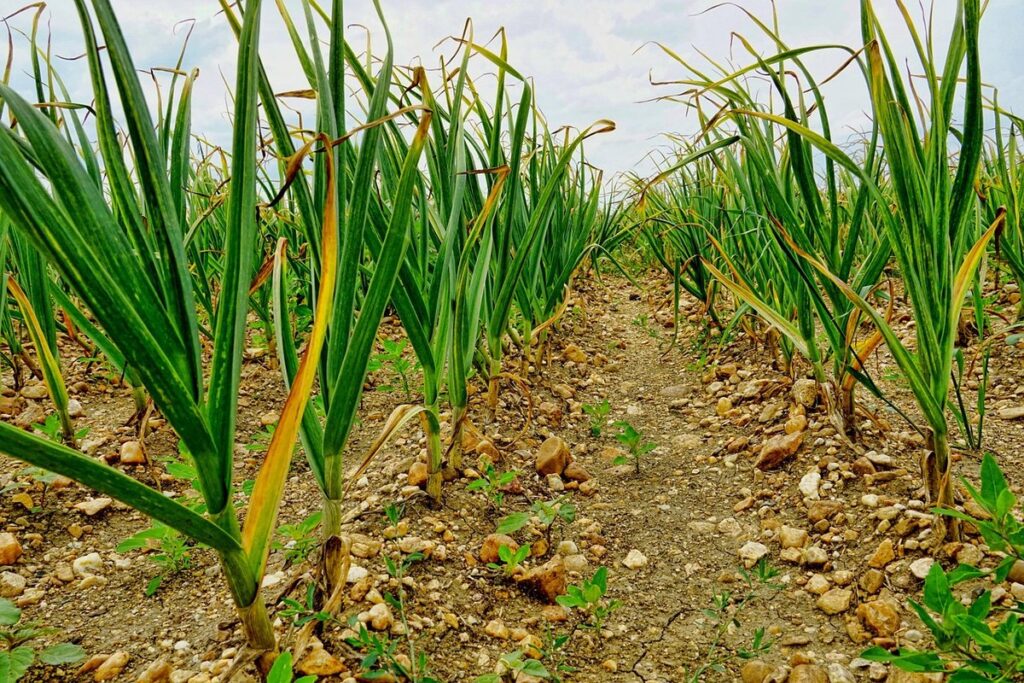
To check if your garlic is mature, gently dig around one of the plants with a fork, being careful not to damage the bulb. If the necks of the cloves are dry and papery, it’s usually a sign that the garlic is ready. You can also look for yellowing leaves or a slight drooping of the foliage, which indicates that the bulbs have reached their full size.
The best time to harvest garlic is when the tops of the plants begin to yellow and fall over. This usually occurs about 3-4 weeks before the first frost in your area. Check on your garlic regularly during this period, as it can be ready to harvest at any time.
Harvesting too early or too late can impact the quality and flavor of your garlic. Over-maturity can cause the cloves to become soft and develop an unpleasant taste, while under-maturity may result in smaller bulbs with less flavor.
Techniques for Curing and Storing Garlic
Proper curing and storage of garlic are crucial steps in preserving its flavor and aroma. There are several techniques to cure and store garlic, each with its own benefits and drawbacks.
Air drying is a popular method for curing garlic. It involves tying the stems of the garlic bulbs together in small bunches, then hanging them upside down in a warm, dry, dark place. This allows the garlic to dry slowly, which helps prevent mold from forming. Another advantage of air drying is that it preserves the natural flavor and texture of the garlic.
For longer-term storage, braiding garlic is an effective method. Simply tie the stems together in small bundles, then hang them upside down in a cool, dark place. This allows for good airflow around each bulb, which helps prevent moisture buildup and promotes even drying. Some gardeners also prefer to store their garlic in paper bags or mesh sacks, which allow for airflow while keeping dust out.
Refrigeration is another method for storing garlic, but it requires careful attention to moisture levels. Store the garlic bulbs in a breathable bag or container, making sure they are not touching each other, and keep them in the refrigerator’s crisper drawer. Check on the garlic regularly to ensure it remains dry and free of mold.
Regularly check stored garlic for signs of spoilage, such as mold, soft spots, or a sour smell. If you notice any of these issues, remove the affected bulbs immediately to prevent the problem from spreading.
Preserving Garlic through Fermenting and Freezing
To extend your garlic harvest beyond summer, you can preserve it through fermenting and freezing methods that help retain its flavor and nutrients. This involves a simple process of preparation and storage.
Introduction to Fermentation as a Preservation Method
Fermentation is an ancient preservation method that not only extends the shelf life of garlic but also enhances its flavor and nutritional content. The process involves allowing natural bacteria on the garlic to break down its sugars, creating lactic acid and resulting in a tangy, slightly effervescent taste. This transformation is more than just a matter of personal preference – fermentation has been shown to increase the bioavailability of garlic’s active compounds, making its health benefits even more accessible.
To ferment garlic, simply slice or chop it thinly and submerge it in a brine solution (water, salt, and sometimes sugar) for several weeks. The ideal conditions for fermentation are between 64°F and 75°F (18°C to 24°C), with minimal light exposure. This allows the natural bacteria to thrive, converting the garlic’s sugars into lactic acid.
Regularly check on your fermenting garlic to monitor its progress, as over-fermentation can lead to an unpleasant, sulfurous smell. After several weeks, strain the liquid and rinse the garlic cloves to remove any excess brine. Store them in a cool, dark place for up to six months or use immediately for added depth of flavor in your cooking.
Tips for Freezing Garlic
Freezing garlic is an excellent way to preserve it for future use. To prepare garlic for freezing, start by peeling and chopping the cloves into small pieces. Blanching is a crucial step that helps to inactivate the enzymes responsible for spoilage and discoloration. Simply submerge the chopped garlic in boiling water for 1-2 minutes, then immediately plunge it into an ice bath to stop the cooking process.
Another option is to puree the garlic before freezing. This method allows you to add it directly to sauces, marinades, or soups without having to worry about chunks of frozen garlic. Simply blend the chopped garlic with a little water until smooth, and then transfer the mixture to an airtight container or freezer bag.
When storing frozen garlic, make sure to label the containers with the date and contents, and store them at 0°F (-18°C) or below. You can also add oxygen-absorbing packets or use a vacuum sealer to maintain freshness.
Advanced Techniques: Growing Garlic in Containers and Hydroponics
If you’re eager to experiment with growing garlic in non-traditional ways, this section is perfect for learning about container and hydroponic methods. Discover how to successfully cultivate garlic in small spaces.
Benefits and Challenges of Container-Grown Garlic
Growing garlic in containers or using hydroponic systems offers several benefits and presents some unique challenges. One of the primary advantages is increased control over soil quality and nutrients. Container-grown garlic can be fed a precisely formulated fertilizer, resulting in healthier bulbs with better flavor and texture.
Another benefit is the ability to grow garlic in areas with poor soil quality or limited space. Hydroponic systems, in particular, allow for efficient water use and reduced waste. This method also enables growers to harvest their crop more frequently, as the plants can be kept separate and grown year-round.
However, container-grown garlic does require careful monitoring of temperature fluctuations, as extreme heat or cold can negatively impact bulb development. Additionally, hydroponic systems demand regular maintenance to prevent water-borne diseases and pests. Growers must also consider the higher upfront cost of equipment and materials compared to traditional soil-based cultivation methods. By weighing these factors, you can determine whether container-grown garlic or hydroponics is right for your specific situation and needs.
Setting Up a Home Hydroponic System for Garlic
To set up a home hydroponic system for garlic, you’ll need to start by gathering the necessary components. These typically include a reservoir tank, an air pump, tubing, a net pot, and growing medium such as rockwool or clay pebbles.
When choosing the location for your system, consider it to be close to a water source and in an area that is well-ventilated to prevent bacterial growth. Make sure the space is protected from extreme temperatures and direct sunlight.
In the reservoir tank, mix a hydroponic nutrient solution specifically designed for garlic at half the recommended strength. This will allow you to adjust as needed while monitoring your plants’ response.
To assemble the system, connect the air pump to the tubing and secure it to the net pot in the growing medium. Monitor pH levels daily to ensure optimal growth conditions between 6.0-7.5.
Frequently Asked Questions
Can I grow garlic in my container garden or indoor space?
Yes, you can definitely grow garlic in containers or indoor spaces with the right conditions. However, keep in mind that garlic needs a period of cold dormancy to produce healthy bulbs, so choose a variety that is suitable for your climate and growing conditions. You’ll also need to replicate the outdoor conditions as closely as possible, including sunlight, watering, and soil requirements.
How do I know if my garlic has been successfully cured?
Cured garlic is characterized by its dry, papery skin and a sweet, nutty flavor. To check if your garlic has been properly cured, gently squeeze one of the bulbs to see if it yields easily to pressure. If it’s firm but not hard, it’s likely fully dried out and ready for storage or use.
Can I ferment any type of garlic?
While you can ferment most types of garlic, it’s essential to note that some varieties are better suited for fermentation than others. Hardneck garlics tend to work particularly well, as their firmer skin holds up well to the fermentation process. Softnecks can also be fermented, but they may require a bit more care to prevent spoilage.
How do I store my cured garlic to keep it fresh?
Store your cured garlic in an airtight container or bag, making sure that each bulb is completely dry and not touching other bulbs. This will help maintain its quality and prevent any moisture from seeping into the storage space. You can also store individual cloves or minced garlic in small containers for easy access.
Can I grow multiple varieties of garlic at once?
Yes, you can definitely grow multiple varieties of garlic together, but be aware that this may increase the risk of pests and diseases spreading between bulbs. To minimize these risks, make sure to provide adequate space between each plant (about 4-6 inches), keep your garden well-maintained, and choose resistant varieties whenever possible.