
As you step into your garden, have you ever stopped to think about who’s benefiting from all that greenery? Bees are some of our most valuable pollinators, but their populations have been declining at an alarming rate. Creating a bee-friendly garden is one simple yet effective way to support these vital creatures. By selecting the right plants and adopting sustainable gardening practices, you can make a real difference in your local ecosystem.
In this article, we’ll explore the importance of creating pollinator-friendly gardens and provide practical tips on how to get started. From choosing the perfect flowers for your garden to reducing pesticide use, we’ll cover it all. Whether you’re an experienced gardener or just starting out, our guide will show you why these actions are crucial in supporting local bee populations and how to put them into practice in your own backyard.
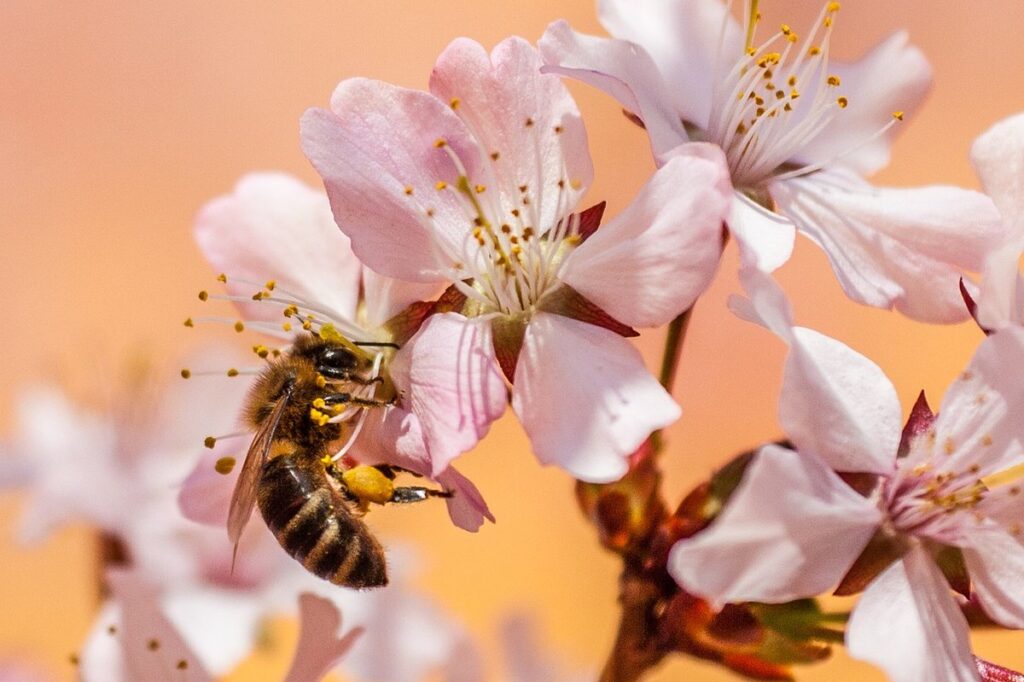
Section 1: Understanding Bee Decline and Its Causes
As we explore ways to create bee-friendly gardens, it’s essential to understand the alarming decline of bee populations and what factors are driving this trend. Let’s dive into the causes behind their decline.
The Importance of Pollinators in Ecosystems
Bees play a vital role in maintaining the balance of ecosystems and ensuring food production. As primary pollinators, they facilitate the reproduction of countless plant species by transferring pollen from one flower to another. This process is essential for seed production, fruit set, and overall plant growth.
The importance of bees extends beyond individual plants, as their activities contribute significantly to ecosystem health. By pollinating a wide variety of crops, including fruits, vegetables, nuts, and seeds, bees support global food security. In the United States alone, it’s estimated that one-third of all crops are dependent on bee pollination.
The impact of bee decline is already being felt, with some crops experiencing significant yield losses. For example, almonds require a huge amount of bee labor to set fruit – one tree needs around 250,000 bees to produce just one pound of almonds! To mitigate this issue, gardeners can take small steps like planting bee-friendly flowers, reducing pesticide use, and providing a source of water for these vital pollinators.
Factors Contributing to Bee Population Decline
Bee populations have been declining at an alarming rate, and it’s essential to understand the main causes behind this trend. One of the primary factors contributing to bee decline is habitat loss. As natural habitats are destroyed or fragmented, bees struggle to find food, shelter, and breeding grounds. A study by the Xerces Society found that over 75% of US bee species rely on wildflowers for food, but many of these areas have been converted into agricultural land or urban spaces.
Pesticide use is another significant contributor to bee decline. Chemicals like neonicotinoids have been linked to bee deaths and colony collapse. In fact, a study by the European Union’s Environment Agency found that neonicotinoid-treated seeds can contaminate soil, water, and air, posing a threat to non-target species like bees.
Climate change is also having a profound impact on bee populations. Changes in temperature and precipitation patterns are disrupting the delicate timing of plant-bee interactions, making it difficult for bees to find nectar-rich flowers when they need them most.
Diseases like Varroa mite infestations and American Foulbrood have also been identified as major threats to bee health. These diseases can decimate entire colonies, leaving bees vulnerable to environmental stressors.
Section 2: Creating a Bee-Friendly Garden
Now that you have your garden buzzing, it’s time to create a haven for bees. This section will show you how to plant and design a bee-friendly garden that’s a pollinator paradise.
Choosing Plant Species that Support Bees
When it comes to creating a bee-friendly garden, choosing the right plant species is crucial. As we discussed earlier, bees are attracted to flowers with high nectar and pollen value, as these provide them with the necessary energy and nutrients for survival. To support our buzzing friends, we need to select plants that fit this criteria.
Some excellent options include sunflowers (Helianthus annuus), lavender (Lavandula spp.), and coneflowers (Echinacea spp.). Sunflowers are a rich source of nectar and pollen, making them a favorite among bees. Lavender’s fragrant blooms also attract pollinators, while coneflowers offer both nectar and pollen in abundance.
When selecting plants for your garden, consider the following factors: flowering time, bloom size, and plant height. Choose varieties that produce flowers consistently throughout the growing season to provide a constant source of food for bees. Also, opt for plants with larger blooms, as these tend to have more nectar and pollen than smaller ones. Finally, mix low-growing plants like lavender with taller species like sunflowers to create a diverse landscape that mimics nature’s own diversity.
Designing a Bee-Friendly Garden Layout
When designing a bee-friendly garden layout, it’s essential to consider the needs of these busy pollinators. Bees require warmth and sheltered spots for nesting, so let’s create a haven that caters to their specific requirements.
Firstly, allocate sunny areas for warm basking spots where bees can absorb vital heat. Consider planting sun-loving flowers like lavender, coneflowers, or black-eyed Susans in these zones. This will provide the perfect spot for solitary bees and bumblebees to gather warmth and energy before foraging.
Next, create sheltered spots with dense vegetation for nesting sites. Bees often nest in burrows, hollow tubes, or under leaves, so include plants like shrubs, trees, or herbaceous perennials that offer protection from harsh weather conditions. For example, plant a row of tall sunflowers to provide a nesting site for solitary bees.
To maximize the effectiveness of your garden design, remember to place nesting sites near water sources and avoid using pesticides, which can harm these beneficial pollinators. By incorporating these bee-friendly elements, you’ll be creating a welcoming haven that will attract and support local bee populations.
Section 3: Planting Strategies for Maximum Pollinator Support
When it comes to supporting your local pollinators, planting strategies can make all the difference. Let’s explore some expert tips on creating a bee-friendly garden that thrives in every season.
Selecting Bees’ Favorite Fruits and Vegetables
When it comes to selecting fruits and vegetables that will attract bees to your garden, there are some clear winners. Bees adore a variety of sweet treats like apples, blueberries, and cucumbers, but they’ll also appreciate other nutrient-rich options.
Consider planting flowers like lavender or rosemary near your fruiting plants – these herbs not only provide a source of nectar for bees but also offer a natural pest deterrent for many garden pests. Blueberries, in particular, are an excellent choice as they’re high in antioxidants and pollen, making them a valuable resource for bees.
Apples, on the other hand, are a staple in any bee-friendly garden. Look for heirloom varieties like ‘Red Delicious’ or ‘Gala’, which tend to produce more nectar-rich flowers than hybrid options. Cucumbers are another great choice as they’re easy to train up a trellis and provide an abundance of pollen and nectar.
When selecting your fruits and vegetables, choose those that are less genetically modified and more open-pollinated – this will ensure you’re providing bees with the high-quality resources they need.
Incorporating Native Plants into Your Garden
When it comes to supporting local pollinators like bees, incorporating native plants into your garden is essential. These plants have co-evolved with the native bee species in your area and provide them with the resources they need to thrive. Unlike non-native plants, which may offer nectar or pollen but lack the specific characteristics that local bees prefer, native plants are adapted to the local climate, soil, and pest conditions.
For example, if you live in a region with black-eyed Susans (Rudbeckia hirta), coneflowers (Echinacea spp.), and lavender (Lavandula spp.) – all of which are great choices for attracting pollinators. These plants not only provide nectar-rich flowers but also offer shelter from harsh weather conditions, support for nesting, and specific nutrients that local bees require.
To get started with incorporating native plants into your garden, consider the following tips: consult with a local nursery or gardening expert to determine which native species are best suited to your region; choose a mix of annuals and perennials to ensure blooms throughout the growing season; and plant in clusters or groups rather than isolating individual flowers. By doing so, you’ll be creating a haven for local pollinators and helping to support their populations.
Section 4: Sustainable Gardening Practices
As we explore ways to support our buzzing friends, let’s dive into some practical tips on sustainable gardening practices that benefit bees and the environment alike. This section highlights essential habits for bee-friendly gardens.
Avoiding Harmful Pesticides and Herbicides
When it comes to gardening for bees, it’s essential to avoid using pesticides and herbicides in our gardens. These chemicals can have devastating effects on both bees and other wildlife, causing harm that can last a lifetime.
Pesticides can contaminate nectar and pollen, which are the primary food sources of bees. When bees consume these contaminated resources, they may be exposed to toxins like neonicotinoids, which can disrupt their neurological systems and cause confusion, disorientation, and ultimately death. Herbicides, on the other hand, can destroy entire colonies by killing off the forage plants that provide essential nutrients.
To avoid harming our pollinator friends, we need to adopt more sustainable gardening practices. One simple way to do this is by choosing natural methods of pest control, such as introducing beneficial insects or using physical barriers like fine mesh to keep pests away. We can also use organic fertilizers and mulch to promote healthy plant growth without resorting to chemical-based solutions.
By making a few simple changes to our gardening habits, we can create a safer environment for bees and other wildlife to thrive in.
Composting and Soil Health for Pollinator Support
Composting and maintaining healthy soil are crucial for supporting pollinators in your garden. When it comes to creating an environment that encourages bee activity, the state of your soil is often overlooked but plays a significant role. A thriving soil ecosystem provides essential nutrients and shelter for beneficial microorganisms that bees rely on for food and habitat.
To achieve optimal soil conditions for pollinator support, start by incorporating compost into your gardening routine. Aim to add 2-3 inches of compost to the top 6-8 inches of your soil each year. This will help maintain a balanced pH level and provide beneficial microbes that break down nutrients more efficiently.
Some key characteristics of healthy soil include high organic matter content, adequate moisture levels, and good air circulation. You can achieve these conditions by incorporating cover crops, mulching regularly, and avoiding over-tilling. Additionally, consider adding bee-friendly plants like clover or wildflowers to your garden, which will not only provide a food source for bees but also improve soil health through nitrogen fixation.
By prioritizing soil health through composting and other practices, you’ll be creating a welcoming environment that pollinators will adore.
Section 5: Providing Water Sources and Shelter
Providing a source of water and shelter for bees is just as crucial as planting bee-friendly flowers, so let’s dive into how to create these essential resources in your garden.
Creating a Bee-Friendly Pond or Birdbath
As we’ve discussed, providing water sources is crucial for our buzzing friends, especially during dry periods when they need it most. Creating a bee-friendly pond or birdbath can be a simple yet impactful addition to your garden. When designing these water features, remember that bees prefer shallow water and often avoid deep pools.
A good rule of thumb is to create a water source with a depth of no more than 2-3 inches. This allows bees to easily land on the surface and extract moisture without becoming overwhelmed by the water itself. Consider adding rocks or twigs for perching points, giving bees a secure spot to take sips.
When it comes to birdbaths, incorporating plants like cattails or rushes can provide sheltered spots for bees to access the water. Be sure to position these features in areas that receive at least partial sunlight, as this will help keep the water from freezing and remain free of mosquito breeding sites.
Building a Bees’ Nest Box or Hive
When it comes to building a bees’ nest box or hive, you have two main options: DIY or purchase. If you’re handy and want to create a custom home for solitary bees, start by gathering materials like wood, nails, and a drill. You can find plenty of tutorials online to guide you through the process. Consider using untreated wood and a simple design with a roof and a floor.
Alternatively, purchasing a pre-made hive or nest box from a reputable supplier is another option. Make sure it’s specifically designed for solitary bees, as they have different nesting requirements than honeybees. When choosing a location, consider the site’s sunlight, proximity to your garden, and protection from harsh weather conditions. Plant some bee-friendly flowers nearby to provide a constant food source.
To attract native solitary bees, incorporate a mix of plants with different flower shapes, sizes, and colors into your garden. These bees are attracted to herbs like lavender and rosemary, as well as sunflowers and cosmos. Avoid using pesticides or herbicides, which can harm bees and other beneficial insects.
Section 6: Monitoring and Maintaining Your Bee-Friendly Garden
Now that your garden is buzzing with life, let’s take a closer look at how to keep it thriving with regular monitoring and maintenance tasks. This ensures the health of both bees and plants alike.
Tracking Progress with Gardening Journals or Apps
As you tend to your bee-friendly garden, it’s essential to track your progress and make adjustments as needed. Keeping a gardening journal or using an app can be a valuable tool in monitoring the health of your plants and the bees that visit them.
A gardening journal allows you to record observations about your garden over time, including notes on weather patterns, plant growth, and bee activity. You can also jot down successes and challenges, making it easier to identify areas for improvement. For example, if you notice a particular species of bee visiting your lavender plants, you may want to consider planting more of this type in the future.
Consider using an app like Garden Plan Pro or Leafsnap to help track your progress and stay organized. These apps allow you to record plantings, monitor growth, and receive reminders for tasks such as watering and pruning. By regularly reviewing your journal or app entries, you can refine your strategies for creating a thriving bee-friendly garden.
Regularly reviewing your progress also helps you identify patterns and make informed decisions about future plantings.
Managing Pests and Diseases without Harming Bees
Managing pests and diseases without harming bees is crucial for maintaining a healthy bee-friendly garden. When it comes to pest management, many gardeners reach for chemical pesticides as a quick fix. However, these chemicals can be toxic not only to bees but also to other beneficial insects that pollinate our gardens.
Instead of using harsh chemicals, you can employ organic pest management techniques that minimize harm to bees and other beneficial insects. Companion planting is an excellent example of this approach. For instance, basil repels aphids, while marigolds deter nematodes. Planting these flowers alongside your vegetables can help keep pests under control without harming beneficial bees.
Another effective technique is crop rotation. By changing the location of your plants from season to season, you break the life cycle of pests and reduce the need for pesticides altogether. You can also use physical barriers like fine mesh or fine netting to prevent pests from reaching your plants. These methods may require a bit more effort upfront but will ultimately benefit both your garden and local bee populations.
To further support pollinators in your garden, consider introducing beneficial insects like ladybugs and lacewings that prey on common pests. Regularly monitoring your garden for signs of pests or disease is also essential to prevent infestations before they become severe.
Frequently Asked Questions
What if I have a small garden space – can I still create a bee-friendly garden?
If you have limited space, focus on selecting a few high-impact plant species that are rich in nectar and pollen. Consider using vertical gardening techniques or container gardens to maximize your space. Even a small patch of flowers can make a big difference for local bees.
How do I know which plants are toxic to bees and should be avoided?
Some plants, like those in the nightshade family (e.g., tomato, eggplant), contain toxins that can harm or kill bees. Research which plant species are bee-friendly and avoid those known to be toxic. You can also check with your local nursery or gardening group for guidance on safe choices.
Can I use compost tea as a natural fertilizer in my bee garden?
Yes, compost tea is a beneficial addition to your bee garden. It’s made by steeping compost in water and can provide essential nutrients and beneficial microbes that support plant growth and pollinator health. Use it as a foliar spray or add it to the soil for optimal benefits.
How often should I monitor my garden for signs of pests and diseases, and what action should I take?
Regularly inspect your plants for signs of pests or diseases, ideally every week during peak growing seasons. If you spot any issues, act quickly by introducing beneficial insects (e.g., ladybugs), using physical barriers, or applying approved organic pesticides.
What if I live in an area with harsh winters – how can I still support local bee populations?
Bees often struggle to survive harsh winters, but there are ways to help. Consider providing a bee-friendly shelter or habitat that’s protected from the elements. You can also offer sugar water or honey as a supplement during particularly cold periods.