
Are you ready to create a haven for feathered friends in your own backyard? Gardening for birds is not only a delightful way to attract nature’s beauty into your outdoor space, but it also plays a vital role in supporting local ecosystems. By providing the right environment and food sources, you can transform your garden into a thriving bird sanctuary that brings joy to both you and the birds.
In this comprehensive guide, we’ll show you how to create a haven for native birds by incorporating the perfect plants, water features, and maintenance tips into your gardening routine. From selecting the best flowers and shrubs to installing a birdbath or pond, we’ve got you covered with expert advice on how to make your garden a bird-friendly paradise.
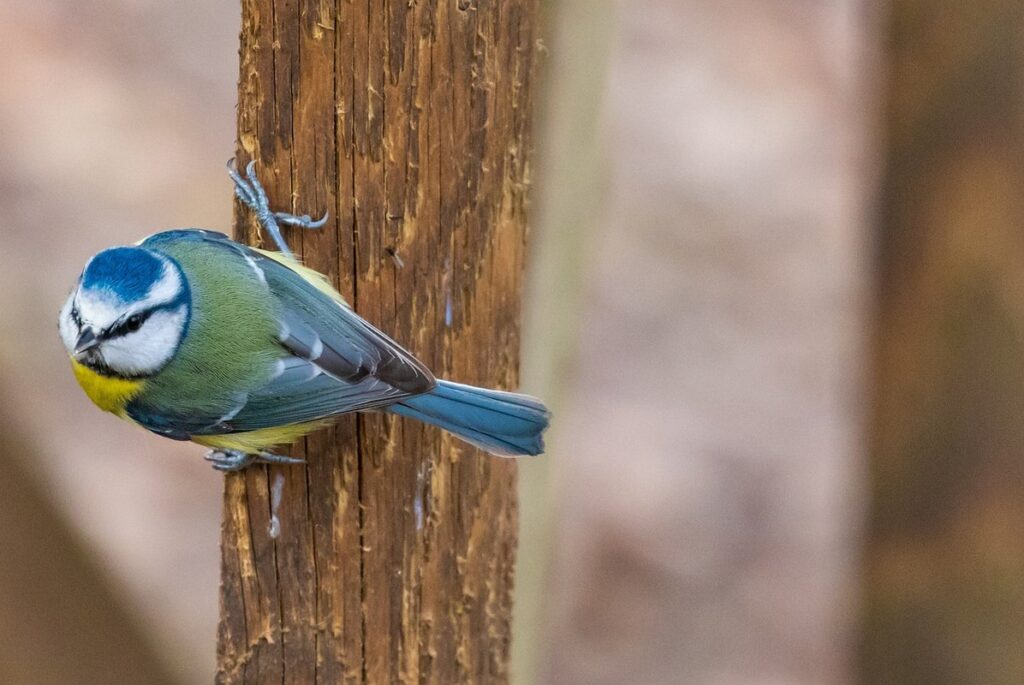
Creating a Bird-Friendly Garden
Transforming your garden into a haven for birds is easier than you think, and we’re excited to share some expert tips on how to create a bird-friendly oasis in your own backyard. Let’s get started!
Choosing the Right Location
When creating a bird-friendly garden, one of the most crucial decisions you’ll make is choosing the right location. This may seem obvious, but it’s essential to consider the specific needs of our feathered friends when selecting where to place your garden.
First and foremost, think about sunlight. Birds need a source of warmth to fuel their activities, so choose a spot that receives at least 6 hours of direct sunlight per day. Not only will this help keep them warm, but it’ll also promote the growth of plants that attract birds. Consider the direction of your garden – south-facing is ideal for most regions.
Shelter and access to water are also vital considerations when choosing a location for your bird-friendly garden. Birds need places to hide from predators and harsh weather conditions, so consider planting native shrubs or trees with dense foliage. Also, ensure that you have a reliable source of fresh water nearby – this can be as simple as installing a birdbath or creating a shallow dish.
Soil type is another critical factor to think about when selecting a location for your garden. Different bird species have different preferences when it comes to soil, so research the specific needs of the birds you want to attract and plant accordingly. For example, some birds prefer sandy soil while others thrive in clay-rich soil.
Selecting Native Plants
When it comes to creating a bird-friendly garden, selecting native plants is one of the most effective ways to attract and support local bird species. Native plants have evolved over time to thrive in your region’s climate conditions, making them ideal for withstanding droughts, extreme temperatures, and other environmental stressors.
One of the primary benefits of planting native species is their ability to provide nectar-rich flowers that fuel the growth of baby birds. In turn, this attracts a wide range of bird species to your garden, including hummingbirds, warblers, and tanagers. By choosing plants that are adapted to your local climate, you’ll also save time and resources on watering and maintenance.
To identify native plants suitable for your region, consult with local nurseries or gardening experts who can recommend plants that thrive in your area. Some easy-to-grow options include coneflower (Echinacea spp.), black-eyed Susan (Rudbeckia hirta), and bee balm (Monarda didyma). By incorporating these plants into your garden design, you’ll create a haven for native birds to flourish and thrive.
Attracting a Diverse Range of Birds
To attract a diverse range of birds, it’s essential to provide a varied and welcoming landscape that caters to their different needs. This means incorporating multiple plant species, water sources, and nesting opportunities into your garden design.
Providing Food Sources
To provide for the diverse range of birds that visit your garden, it’s essential to offer a variety of food sources. This includes seeds, fruits, insects, and nectar, each playing a vital role in a bird’s diet.
Seeds are a staple in many bird diets, and providing them in an accessible manner is crucial. Use seed feeders or plant native grasses that produce seeds, such as sunflowers or coneflowers. When choosing seeds, opt for black oil sunflower seeds or Nyjer seeds, which are high in fat and calories.
Fruits are another essential food source, particularly during the winter months when natural sources may be scarce. Incorporate native shrubs like dogwood or hawthorn that produce berries, or plant fruit trees like apple or cherry. Be sure to choose fruits that are native to your region, as exotic varieties can harm local ecosystems.
Insects and nectar provide additional sustenance for birds. Consider adding insect-attracting plants like lavender or rosemary to your garden, which will in turn attract butterflies, bees, and other beneficial insects. For nectar, use a hummingbird feeder with a built-in ant moat to prevent ants from contaminating the sugar-water mixture.
When creating bird-friendly feeding stations, position them 10-15 feet away from any shelter or hiding spots, ideally near a water source, like a birdbath or pond. Use feeders that are designed for the specific type of food being offered, as this will minimize waste and prevent mold growth. Choose feeders with sturdy perches to accommodate various bird sizes and types.
Water Features and Birdbaths
Providing fresh water sources is crucial for birds, especially during dry seasons when natural water sources may be scarce. Birdbaths, ponds, and other water features are essential additions to a bird-friendly garden.
When choosing a birdbath, consider the type of birds you want to attract. Shallow dishes with fresh water and no fountain or moving water are ideal for ground-dwelling birds like sparrows and finches. On the other hand, deeper baths with running water can accommodate species that need to bathe, such as ducks and geese.
To maintain a clean birdbath, change the water every two to three days during hot weather and weekly in cooler conditions. Use a mild soap solution to scrub away algae and bacteria. Introduce rocks or twigs for birds to perch on while bathing. For ponds, consider installing a pump system with filters to keep the water clear and free of debris.
Regular cleaning will help prevent mosquito breeding and maintain a healthy environment for birds.
Designing a Bird-Friendly Habitat
To attract birds to your garden, it’s essential to create a welcoming habitat that provides food, water, and shelter. In this next part of our guide, we’ll explore how to design your garden for maximum bird-friendly appeal.
Incorporating Native Trees and Shrubs
Native trees and shrubs play a vital role in creating a bird-friendly habitat. These plants provide essential shelter, food, and breeding grounds for birds, making them an integral part of a thriving ecosystem.
When selecting native trees and shrubs, consider the climate and region you’re gardening in. For example, in the eastern United States, plants like the American beech (Fagus grandifolia) and the sweetbay magnolia (Magnolia virginiana) are excellent choices for providing shelter and food for birds. In the western United States, trees like the California live oak (Quercus agrifolia) and the Pacific madrone (Arbutus menziesii) are well-suited to provide habitat for native bird species.
To incorporate native trees and shrubs into your garden, start by planting them in areas with full sun to partial shade. Water them regularly during their first year of growth, but avoid overwatering once they’re established. Regular pruning can also help maintain the health and structure of these plants, allowing birds to thrive within their habitats.
When selecting native trees and shrubs for your garden, choose species that are specifically suited to your region’s climate and soil conditions. This will ensure that your plants receive the right amount of water, sunlight, and nutrients to thrive.
Creating a Diverse Landscape Structure
When designing a bird-friendly habitat, it’s essential to create a diverse landscape structure that caters to the needs of different bird species. This means varying vegetation heights, widths, and densities to provide a range of microhabitats for birds to inhabit.
Start by planting native trees and shrubs with different growth habits, such as evergreen conifers, deciduous trees, and shrubby perennials. Aim for a mix of broadleaf and needle-leaved species to attract a variety of bird species. For example, plant oak trees (Quercus spp.) which provide acorns, a crucial food source for many birds, alongside coniferous trees like pine or spruce, which offer sheltered nesting sites.
Incorporate water features, such as ponds, birdbaths, or shallow dishes filled with fresh water and a few rocks. These provide drinking and bathing spots for birds, while also serving as a food source for aquatic insects and small invertebrates that attract birds. Leave some areas of your garden untidy, with leaf litter and twigs, to create habitat for ground-dwelling birds like robins and thrushes.
By incorporating these elements, you’ll be creating a rich tapestry of habitats that will attract a diverse range of bird species to your garden, providing them with the resources they need to thrive.
Maintenance and Monitoring
Regular maintenance and monitoring are crucial for a bird-friendly garden, ensuring that your plants remain healthy and continue to attract these beautiful creatures. Let’s explore how to keep your garden thriving and bird-filled all year round.
Regular Maintenance Tasks
To maintain a healthy and thriving bird-friendly garden, regular maintenance tasks are essential. Pruning is one of the most critical tasks, as it helps control plant growth, promotes new blooms, and allows for better air circulation. For example, trim back overgrown shrubs and perennials in late winter or early spring to encourage fresh growth.
Weeding is another vital task that should be done regularly. Remove weeds like thistles and bindweed, which can outcompete native plants for resources. Hand-pull or dig up smaller areas of weeds, while larger infestations may require more aggressive methods. Don’t forget to mulch around plants to suppress weed growth.
Watering is also crucial during dry spells or periods of rapid plant growth. Water deeply but infrequently to encourage deep root development and make plants more drought-resistant. Be mindful of overwatering, which can lead to disease and pest issues.
Address common problems like pests (e.g., aphids, whiteflies) and diseases by implementing integrated pest management techniques. Use natural methods like introducing beneficial insects or applying neem oil instead of chemical pesticides whenever possible.
Monitoring Bird Activity and Adaptations
As you continue to nurture and develop your bird-friendly garden, monitoring its activity is crucial for making informed decisions about its maintenance. Start by keeping track of the variety of bird species that visit your garden, their numbers, and their behavior. This information will help you identify which plants are most attractive to birds and where they’re spending most of their time.
Use a notebook or mobile app to record observations, noting details such as the dates, times, and weather conditions when certain species are spotted. You can also use bird-counting apps like eBird or Merlin Bird ID to track species diversity and abundance. This data will enable you to make informed decisions about adjusting your garden design.
For instance, if you notice that a particular area of your garden is attracting a high number of birds, consider adding more native plants with similar characteristics. Conversely, if an area seems underutilized, think about introducing plants that offer the necessary food sources or shelter for those species. By adapting to what you’ve observed, you can refine your garden’s attractiveness and create a haven that meets the needs of various bird populations.
Challenges and Solutions
As you work on creating a bird-friendly garden, you’ll likely encounter some common challenges that can be frustrating to overcome. Let’s explore these obstacles together and discuss practical solutions to help your garden thrive.
Common Pests and Diseases
When it comes to gardening for birds, one of the most significant challenges is managing common pests and diseases that can affect our feathered friends. As a bird gardener, it’s essential to be aware of these issues and take proactive steps to prevent them.
Parasites such as mites, ticks, and lice can infest bird nests and feed on their blood, causing anemia and stress. To control parasite populations, use diatomaceous earth or neem oil in your garden. These natural substances dehydrate and repel parasites, keeping them away from your birds.
Fungal infections like avian pox and psittacosis can also affect birds in a garden setting. Prevention is key – ensure that any wounds or cuts on plants are cleaned and disinfected regularly. You can also use fungicides specifically designed for bird gardens to prevent the spread of fungal diseases.
Avian malaria, caused by the Plasmodium parasite, is another concern for bird gardeners. While it’s not possible to completely eradicate avian malaria, you can take steps to reduce the risk – such as providing a balanced diet and creating a diverse habitat with plenty of hiding places for birds to escape potential mosquito vectors.
By being mindful of these common pests and diseases, you can create a safe and healthy environment for your bird friends to thrive in. Regularly inspect your garden for signs of infestation or infection, and take prompt action if you notice any issues.
Overcoming Space Constraints
Creating a bird-friendly garden can be challenging when space is limited. However, don’t let this deter you from attracting birds to your urban or small-space garden. One creative solution is vertical gardening. This involves using trellises, arbors, or wall-mounted planters to maximize your available space.
For example, consider installing a living wall in a narrow alleyway or against a fence. Choose plants with compact growth habits, such as succulents or flowering vines like clematis or honeysuckle, which are perfect for vertical spaces. Another option is container gardening, where you can use large pots or planters to grow plants that would otherwise require extensive ground space.
When selecting plants for your small-space garden, consider using space-efficient species like shrubs, dwarf trees, and groundcovers. These plants not only save space but also provide food and shelter for birds throughout the year. To further enhance the bird-friendliness of your garden, incorporate native plant species that produce nectar-rich flowers or berries – a vital source of nutrition for many bird species.
Conclusion
As you conclude your journey through this comprehensive guide to gardening for birds, remember that every small step counts. You’ve now gained valuable insights into creating a bird-friendly haven in your own backyard. By incorporating native plants, providing food and water sources, and installing birdhouses or nesting boxes, you’re not only enhancing the beauty of your garden but also contributing to the well-being of our feathered friends. Don’t be afraid to experiment and adapt these tips to suit your specific climate and region. For instance, if you live in a cold winter climate, consider planting evergreen trees that provide berries or seeds for birds to forage on during harsh weather conditions.
Frequently Asked Questions
What are some common mistakes to avoid when creating a bird-friendly garden?
When designing your garden, be aware of potential pitfalls such as choosing non-native plants that may harm local ecosystems or failing to provide adequate food sources. Research native species and consider factors like soil quality, moisture levels, and sunlight exposure to create a thriving environment for birds.
How can I attract a diverse range of bird species to my garden?
To entice a variety of bird species, incorporate a mix of plants with different shapes, sizes, and flowering times. Consider adding native trees, shrubs, and perennials that offer berries, seeds, or nectar. A birdbath or pond will also provide water sources for birds to drink and bathe in.
What are some low-maintenance options for bird-friendly gardens?
For busy gardeners, consider incorporating plants like coneflowers, black-eyed Susans, or shrubs like dogwood or hawthorn, which require minimal care and still attract a variety of birds. You can also opt for self-sustaining water features like a rain barrel or a shallow dish with fresh water.
Can I use existing garden structures to create a bird-friendly habitat?
Yes, repurpose your existing garden elements to create a more inviting space for birds. For example, add a roof or overhang above a feeding station or birdbath to protect it from the elements and provide shelter for birds. You can also convert an old planter into a birdhouse or nesting box.
How often should I monitor my bird-friendly garden’s maintenance needs?
Regularly inspect your garden’s plants, water features, and other components every 2-3 weeks during the growing season to ensure they remain healthy and appealing to birds. Make adjustments as needed to maintain an optimal environment for native birds to thrive in.