
Gardening with your kids can be one of the most rewarding experiences for both of you. Not only does it provide an opportunity to spend quality time together, but it also teaches children essential life skills and promotes a healthier lifestyle. Gardening activities are especially beneficial for kids as they help develop their physical health, cognitive abilities, and environmental awareness. By engaging in gardening projects, kids can learn about the importance of growing their own food, caring for plants, and conserving natural resources.
This guide will walk you through some fun and easy-to-execute kid-friendly gardening projects that cater to different age groups and skill levels. We’ll also share practical tips on how to create a child-friendly garden, encourage kids to participate in gardening activities, and make the most out of this engaging hobby together. Whether you’re a seasoned gardener or just starting out, our guide will help you get started with gardening activities for kids and enjoy the many benefits that come with it.
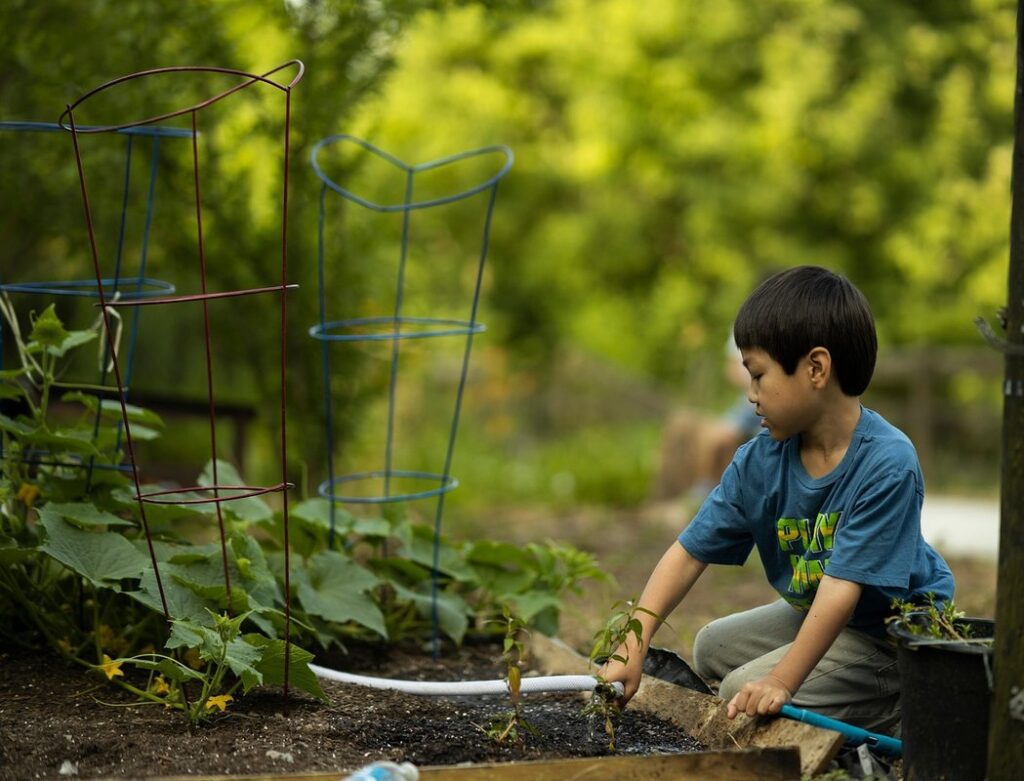
Benefits of Gardening for Children
As you encourage your kids to get their hands dirty, you’ll soon discover the numerous benefits gardening has on their physical and emotional well-being. From improved focus to a stronger sense of responsibility.
Introduction to the Importance of Gardening
Gardening is often viewed as a simple hobby, but its benefits extend far beyond the garden itself. When it comes to children, gardening activities can have a profound impact on their physical, emotional, and cognitive development.
On a physical level, gardening gets kids moving and engaged in outdoor activity, encouraging them to spend time outside and develop essential motor skills. Digging, planting, and watering require manual labor, helping build strength and endurance while improving coordination. Additionally, gardening often involves light exercise, contributing to a healthy lifestyle from an early age.
Beyond the physical benefits, gardening also nurtures emotional growth in children. Developing a sense of responsibility and pride comes with caring for plants, teaching kids valuable life skills such as empathy and compassion. Watching seeds grow into thriving flowers or vegetables instills a sense of accomplishment and boosts self-confidence. This emotional intelligence translates to many areas of life, including academic performance and social interactions.
In terms of cognitive development, gardening offers numerous benefits. Kids learn about science through hands-on observation and experimentation, understanding complex concepts like photosynthesis and the water cycle in a fun, interactive way. Math skills are also improved as children measure soil depth, plant spacing, and water ratios. Moreover, the patience required to tend to plants fosters critical thinking and problem-solving abilities, valuable tools for academic success and future endeavors.
Connecting with Nature through Gardening
Gardening is more than just planting seeds; it’s an opportunity for children to form a deep connection with nature. By participating in gardening activities, kids can develop a profound appreciation for the natural world, understand complex ecosystems, and cultivate environmental awareness.
When children tend to plants, they begin to comprehend the intricate relationships between living organisms, soil, water, and sunlight. This hands-on experience allows them to see how tiny changes can impact the environment and encourages empathy towards the interconnectedness of nature. For instance, observing a seedling grow from a small sprout to a mature plant teaches children about growth cycles, adaptation, and resilience.
To foster this connection, try incorporating activities like composting, where kids learn to turn food waste into nutrient-rich soil, or setting up a bird-friendly garden, which introduces them to the importance of pollination. As they explore and care for their gardens, kids develop critical thinking skills, responsibility, and a sense of stewardship towards the earth – essential qualities for a sustainable future.
Promoting Healthy Habits in Kids through Gardening
Gardening is an excellent way to promote healthy habits in kids, and it’s not just about teaching them where food comes from. By engaging children in gardening activities, you can encourage them to lead healthier lifestyles by increasing their physical activity and developing healthy eating habits.
For instance, gardening requires physical labor, such as digging, planting, and watering, which gets kids moving and active outdoors. A study found that children who participated in gardening activities had higher levels of physical activity than those who didn’t. Moreover, growing your own fruits and vegetables encourages kids to eat a variety of nutritious foods. According to the Centers for Disease Control and Prevention (CDC), children who grow their own food are more likely to eat five or more servings of fruits and vegetables daily.
To make gardening an even healthier habit for kids, try these tips:
* Involve them in meal planning and preparation, using fresh produce from your garden
* Encourage them to taste new fruits and vegetables before cooking them
* Make gardening a family activity, so everyone can enjoy the benefits together.
Getting Started with Gardening: Essential Tips and Tools
To start creating a beautiful garden, you’ll need some essential tools and basic knowledge of gardening techniques that are perfect for kids to learn. Let’s dive in!
Choosing the Perfect Garden Location for Kids
When selecting a location for a kid-friendly garden, there are several factors to consider. First and foremost, sunlight is crucial for plant growth, so choose an area that receives at least 6 hours of direct sunlight per day. This will not only promote healthy plant development but also make it easier for kids to observe and learn about the gardening process.
Another essential consideration is soil quality. Kids love getting their hands dirty, but poor soil can be a turn-off. Opt for a location with well-draining soil that’s free from pollutants and contaminants. If your yard has heavy clay or sandy soil, consider amending it with organic matter like compost to create a more hospitable environment for plants.
Accessibility is also vital when designing a kid-friendly garden. Ensure the area is easily reachable for young children, with smooth pathways and minimal obstacles. This will encourage them to explore and participate in gardening activities without feeling overwhelmed or restricted. By selecting a suitable location, you’ll set your kids up for success and create a fun, engaging space that fosters a lifelong love of gardening.
Essential Gardening Tools for Kids (and Beginners!)
When it comes to gardening with kids, having the right tools can make all the difference. As a parent or caregiver, you want to encourage their curiosity and love for nature while ensuring they stay safe and engaged. That’s why we’ve put together a list of essential gardening tools that are perfect for little green thumbs.
First and foremost, gloves are a must-have when it comes to protecting tiny hands from thorns, prickles, and dirt. Look for kid-friendly gloves made from soft, breathable materials like cotton or mesh. Watering cans are another great tool to introduce kids to the world of gardening. You can find small watering cans with long handles that make it easy for them to reach those hard-to-access plants.
Other must-haves include hand trowels and rakes that are designed specifically for children’s smaller hands and grip requirements. These tools will help your little ones dig, plant, and even harvest their very own veggies. When choosing gardening tools for kids, remember to opt for soft handles, lightweight materials, and ergonomic designs that promote ease of use.
When using these tools, be sure to demonstrate proper techniques and safety measures to avoid accidents and messes. With the right tools and guidance, your child will be well on their way to becoming a master gardener in no time!
Starting Small: How to Plant Your First Kid-Friendly Garden Bed
When starting small with a kid-friendly garden bed, it’s essential to create a space that’s both fun and easy to maintain for young children. Begin by selecting a spot that receives at least four hours of direct sunlight per day. This will ensure that the plants you choose can thrive.
Next, prepare the soil by loosening it to a depth of about 8-10 inches. You can also add organic matter like compost or well-rotted manure to improve its structure and fertility. For young children, it’s best to use a raised bed with a low border that makes it easy for them to access.
When selecting plants, opt for easy-to-grow varieties like cherry tomatoes, radishes, or zinnias. These are perfect for kids as they’re quick to sprout and can be harvested in a matter of weeks. You can also involve your child in the planting process by letting them choose which variety they’d like to grow.
In terms of layout, consider creating separate sections within the bed for different plants. This will help maintain organization and prevent overcrowding.
Fun Gardening Activities for Kids of All Ages
Get ready to unleash your child’s inner green thumb with our favorite fun gardening activities that are perfect for kids of all ages and skill levels! From planting seeds to harvesting crops, there’s something for everyone.
Finger Painting in the Garden
Finger painting is an excellent way to encourage kids to explore their creativity and connect with nature. By incorporating natural materials from the garden into this classic art project, you can create a unique experience that fosters learning and fun. Start by gathering various materials such as leaves, flowers, branches, and even mud or sand.
Use these materials to add texture and color to your child’s painting. For instance, crushed leaves can be used as a natural dye, while flower petals can provide a delicate touch. Let kids experiment with different combinations of colors and textures to create one-of-a-kind artwork. To take it up a notch, you can even try using the garden itself as a canvas. Paint large stones or rocks using watercolor paints and natural materials like turmeric or coffee.
This project not only allows kids to express themselves creatively but also promotes an appreciation for nature’s beauty and diversity. As they work on their masterpiece, encourage them to observe and learn about the different colors, patterns, and textures found in the garden. By doing so, you’ll be nurturing both their artistic side and green thumb simultaneously!
Sensory Experiences in the Garden
Gardening is not just about growing plants; it’s also an incredible opportunity for kids to engage their senses and develop a deeper connection with nature. In this section, we’ll explore various sensory experiences that allow children to delve into the sights, sounds, and textures of plants and flowers.
Start by inviting your little ones to touch different types of leaves, stems, and petals. Many plants have unique textures, such as soft velvety leaves or prickly cacti spines. You can also create a sensory bin filled with dried flowers, herbs, and other plant materials for kids to explore using their hands.
To engage their auditory senses, play calming music in the garden while your child observes the movement of plants swaying gently in the breeze or the hum of bees collecting nectar from flowers. You can also experiment with water features like a small fountain or a rain chain to create soothing sounds.
When it comes to sight, encourage your children to observe the different colors and shapes of flowers, leaves, and fruits. Create a scavenger hunt list with pictures or descriptions of various plants for them to find in the garden. This activity will not only foster their curiosity but also help develop their observation skills.
Growing Edible Delights for Kids to Enjoy
Growing edible delights for kids to enjoy can be as simple as planting fruits and vegetables that are easy to grow and require minimal maintenance. One of the best ways to start is by introducing kids to leafy greens like lettuce, spinach, and kale. These plants are not only easy to care for but also packed with nutrients, making them an excellent choice for young gardeners.
For a more exciting experience, consider planting cherry tomatoes or strawberries that can produce fruit in as little as six weeks. Kids love watching their hard work pay off in the form of juicy fruits, and it’s a great way to teach them about the importance of patience and waiting for results.
To make gardening even more engaging, involve your kids in every step of the process, from preparing the soil to harvesting the crops. This hands-on approach will not only foster a love for gardening but also encourage healthy eating habits.
Making Gardening a Family Affair
Making gardening a family affair is one of the best ways to create lifelong memories and a love for nature, so let’s explore some fun activities to get you started.
Creating a Shared Garden Space with Your Child
Creating a shared garden space with your child is an excellent way to foster a sense of responsibility and collaboration between adults and children. To design a garden that encourages shared responsibility, start by involving your child in the planning process. Ask them what type of plants they’d like to grow, and which areas of the garden they’re interested in maintaining.
When designing the space, consider creating separate sections for different tasks, such as watering, pruning, and weeding. This will allow your child to take ownership of specific areas and develop a sense of pride and accomplishment. Make sure to include plants that are easy to care for and require minimal maintenance, such as herbs or succulents.
As you work together on the garden, establish clear communication channels and expectations. Discuss how often tasks need to be completed and who will be responsible for each area. This will help prevent conflicts and ensure that both adults and children feel invested in the project’s success.
Involving the Whole Family in Gardening Activities
Involving the Whole Family in Gardening Activities is one of the most effective ways to create lasting memories and a lifelong love for gardening in kids. It’s not just about planting seeds and watching them grow; it’s about bonding, learning, and growing together as a family.
To make gardening a fun, inclusive activity for all family members, start by assigning tasks that suit each person’s age and ability. For younger children, simple activities like watering plants, picking fresh herbs, or collecting eggs from the chicken coop can be both enjoyable and educational. Older kids can take on more responsibility, such as planting seeds, pruning flowers, or harvesting vegetables.
Make it a family affair by setting aside dedicated time each week to tend to your garden together. Share stories, tips, and experiences while working side-by-side. This not only promotes teamwork but also encourages children to ask questions, explore their curiosity, and develop problem-solving skills. By involving the whole family in gardening activities, you’ll create a sense of ownership, pride, and responsibility that will last a lifetime.
Encouraging Kids to Take Ownership of Their Garden
Encouraging kids to take ownership of their garden not only helps with responsibility and self-sufficiency but also develops a lifelong love for gardening. To empower them to take charge, start by assigning specific tasks and responsibilities related to the garden’s maintenance.
Begin by creating a “Garden Helper” chart where your child can track their progress. This visual aid will help them see how their contributions are making a difference. Assign tasks such as watering, weeding, or monitoring for pests. Make it fun by turning these tasks into games, like seeing who can spot the most aphids on a given plant.
Encourage kids to take initiative by asking open-ended questions like “What do you think this plant needs?” or “How would you solve this gardening problem?” This will help them develop critical thinking and problem-solving skills. Additionally, set aside dedicated time for your child to tend to their own section of the garden, allowing them to express creativity and take pride in their work. By doing so, they’ll become more invested in maintaining and nurturing their garden, promoting a sense of ownership and responsibility.
Overcoming Common Challenges: Tips for Parents and Caregivers
Gardening with kids can be a fun but challenging experience, especially when they encounter pests, poor weather, or their own frustration. Don’t worry, we’ve got you covered with some practical tips to overcome common obstacles.
Managing Weather Extremes and Pests
Gardening with kids can be a joyous experience, but it’s not without its challenges. One of the most common obstacles is managing weather extremes and pests that can damage your plants. Here are some practical tips to help you overcome these issues.
When it comes to extreme weather conditions, such as intense heat or cold spells, make sure to educate your child about the importance of providing adequate care for their plants during this time. This includes watering them regularly, even if they don’t need it, and bringing potted plants indoors if necessary. For example, when a heatwave hits, you can teach your child how to create a mini-greenhouse effect using a cloche or a plastic container with holes drilled in it.
As for pests, it’s essential to introduce your child to integrated pest management (IPM) techniques. This involves encouraging beneficial insects like ladybugs and lacewings that prey on common garden pests. You can also use physical barriers, such as fine mesh screens, to prevent pests from reaching your plants. For instance, you can teach your child how to create a sticky trap using corn syrup and water to capture aphids.
Additionally, involve your child in monitoring the plants regularly for signs of pest infestations or diseases. This hands-on experience will not only help them develop observation skills but also foster a sense of responsibility towards their garden’s health. By working together with your child, you can create a resilient and thriving garden that can withstand various weather conditions and pests.
Fostering a Growth Mindset in Young Gardeners
When it comes to gardening with kids, it’s not just about teaching them the basics of planting and nurturing plants – it’s also about cultivating a growth mindset. This means encouraging them to view failures and setbacks as opportunities for growth and learning, rather than as threats to their ego or self-worth.
To foster this kind of thinking in young gardeners, try praising effort and progress over talent or results. For example, instead of saying “you’re so good at growing tomatoes,” say “I can see you put a lot of thought into caring for that tomato plant – it’s doing really well!” This helps kids focus on the process, rather than just the outcome.
It’s also essential to model this kind of mindset yourself. When your child makes a mistake or experiences a setback (like a plant dying), acknowledge their feelings and offer support. Use phrases like “that can be frustrating” or “it’s okay to make mistakes – we learn from them.” By doing so, you’ll show your child that it’s normal to encounter challenges in gardening and that every experience is an opportunity for growth.
As they navigate the ups and downs of gardening, remind your child that even experienced gardeners don’t always get things right. By embracing this mindset, your young gardener will develop a lifelong love of learning and a resilience that will serve them well beyond the garden gate.
Conclusion: Empowering the Next Generation of Green Thumbs
As we wrap up our guide to gardening activities for kids, let’s explore how you can empower your little ones to continue growing and learning in their own green spaces at home.
Recap of Key Takeaways from this Guide
As we conclude this comprehensive guide to gardening activities for kids, let’s recap the key takeaways that will empower the next generation of green thumbs. By incorporating these engaging and educational activities into their lives, children can reap numerous benefits that extend far beyond the garden itself.
Through hands-on experience with gardening, children develop essential life skills such as responsibility, patience, and self-confidence. They also learn valuable lessons about science, math, and sustainability, all while fostering a deeper connection with nature. Some of our standout activities include creating a mini-garden in a pot, making seed bombs for wildflowers, and growing their own herbs.
Remember, the goal is not only to grow healthy plants but also to nurture young minds and inspire a lifelong love for gardening and environmental stewardship. By embracing these activities, parents and caregivers can provide children with a solid foundation for future academic and professional success, all while cultivating a sense of wonder and curiosity about the natural world.
Inspiring a Love of Gardening in Future Generations
As we conclude this journey through gardening activities for kids, it’s essential to remember that the seeds we plant today will bloom into a love of gardening that will last a lifetime. By introducing children to the joys of gardening, we’re not only teaching them valuable skills but also shaping their minds and character.
Gardening has a unique ability to inspire young minds, fostering creativity, curiosity, and a sense of responsibility. As kids tend to plants, they learn about growth, seasons, and the interconnectedness of living things. This hands-on experience helps develop essential life skills, such as patience, problem-solving, and self-reliance.
As parents and caregivers, we can inspire a love of gardening in future generations by leading by example, sharing our own passion for nature, and making it fun! Create memories with your little ones by planting a family garden together. Encourage them to experiment with different seeds, tools, and techniques, and be there to support their discoveries.
By nurturing young minds and green thumbs, we’re investing in the next generation of environmental stewards and community leaders. Who knows? Your child might just become a renowned botanist or gardener one day!
Frequently Asked Questions
What’s the best way to involve my child with gardening activities if they have a physical disability?
Consider adapting garden tasks to accommodate your child’s needs, such as using accessible tools or providing extra support when lifting plants. You can also focus on sensory experiences like planting seeds, watering, or observing insect life, which are often more manageable and enjoyable for kids with physical disabilities.
How do I ensure my child understands the importance of gardening without becoming too overwhelmed by its complexity?
Start with simple, interactive tasks like planting seeds, watering, or harvesting fruits. Use this as an opportunity to explain basic concepts like photosynthesis, seasons, and growth cycles in a way that’s easy for your child to understand. Gradually introduce more complex topics as their knowledge and confidence grow.
Can I incorporate other learning activities into my garden, such as reading or writing?
Absolutely! Create a “garden library” where kids can read books about gardening, plants, or nature. You can also have them write in a garden journal to record observations, note progress, or draw pictures of their creations. This multi-faceted approach will help deepen your child’s understanding and appreciation of the garden.
How do I deal with common challenges like pests, weather extremes, or my child getting frustrated?
Stay calm and patient when facing these challenges. Encourage your child to observe the problem, suggest solutions, and participate in finding a fix. For instance, discuss how pests can be managed using natural methods like neem oil or introducing beneficial insects. This collaborative approach will foster a growth mindset and help your child develop essential life skills.
Can I start with a small, indoor gardening project if we don’t have outdoor space?
Yes! Start by growing microgreens or sprouts indoors using a container or hydroponic system. This will introduce your child to the joys of gardening without requiring extensive outdoor space. As they gain experience and confidence, you can gradually transition to more substantial projects outside.