
As a dog owner, you likely love spending time in your garden, watching your furry friends explore and play among the lush greenery. But did you know that some common garden vegetables can be toxic to dogs? It’s a shocking reality, but one that’s crucial to understand in order to keep your beloved pets safe. Plants like rhubarb, mushrooms, and members of the nightshade family – which includes tomatoes, eggplants, and peppers – can cause serious health issues if ingested by your dog. In this article, we’ll take a closer look at these toxic garden vegetables and provide you with expert advice on how to prevent poisoning, what symptoms to watch out for, and how to create a safe dog-friendly garden that’s free from harm.
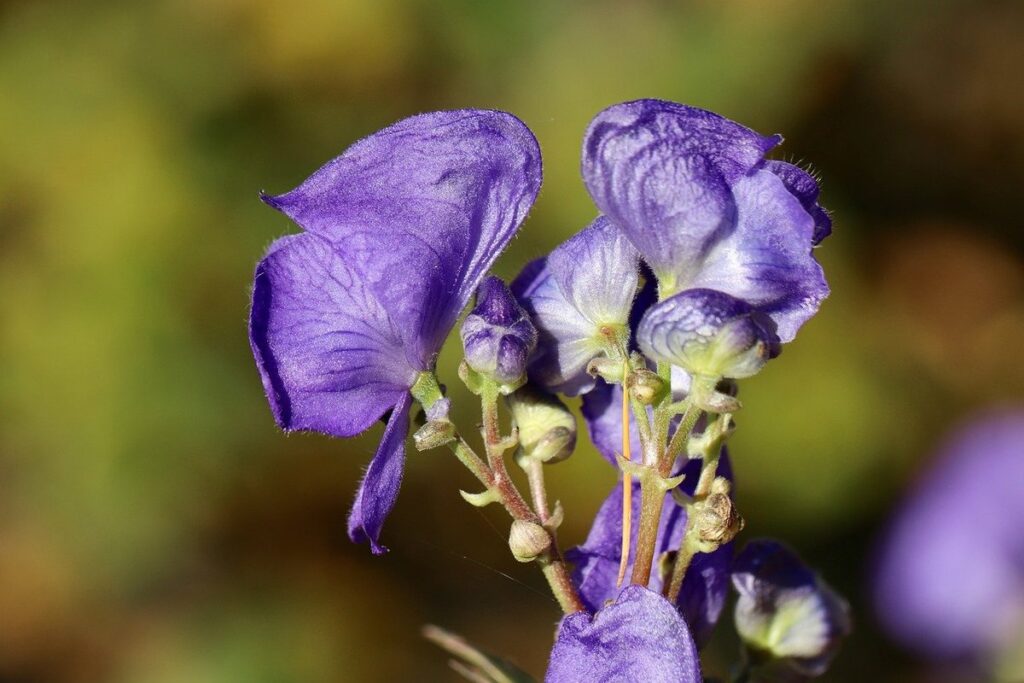
Understanding Canine Toxins and Plant Hazards
As a dog owner, it’s essential to know which garden vegetable plants can be toxic to your furry friends, and we’re here to help you understand these hidden hazards in your own backyard. Let’s dive into the details of canine toxins.
Recognizing Signs of Plant Poisoning in Dogs
When you suspect that your dog has ingested a toxic plant from your garden, it’s essential to recognize the signs of poisoning. The symptoms can vary depending on the type and amount of toxin consumed, but there are some common indicators to look out for.
Vomiting is often one of the first signs of plant poisoning in dogs. You may notice that they’re bringing up food or bile, which can be a worrying sight. Diarrhea is another common symptom, as well as lethargy and depression. In severe cases, you might see seizures or tremors.
It’s crucial to remain calm and act quickly if you suspect plant poisoning. If your dog is experiencing any of these symptoms, contact your vet or the ASPCA’s Animal Poison Control Center (APCC) immediately for advice. Keep in mind that some plants can cause more severe reactions than others, so prompt action is vital.
If you’re unsure about which plants are toxic to dogs, research the specific types you have in your garden and take steps to prevent access. This might involve moving plants to a secure area or using deterrents like citrus sprays or hot pepper powder to discourage digging.
Why Some Garden Plants Pose a Greater Risk to Dogs
Some garden vegetables pose a greater risk to dogs due to their plant characteristics. These characteristics can make them hazardous to canine health. One common hazard is the presence of toxic alkaloids, which are naturally occurring compounds found in some plants. For instance, the leaves and stems of the tomato plant contain solanine, a toxic alkaloid that can cause vomiting, diarrhea, and abdominal pain if ingested by dogs.
Another plant characteristic that can be hazardous to dogs is the sap or latex contained within certain garden vegetables. These saps can cause skin irritation, allergic reactions, and even gastrointestinal problems in dogs. For example, the sap of the potato plant contains toxic compounds called glycoalkaloids, which can cause vomiting, diarrhea, and abdominal pain if ingested by dogs.
If you have a dog that loves to explore your garden or eat fresh produce, it’s essential to be aware of these plant characteristics and take precautions to keep them safe.
Common Garden Vegetables Toxic to Dogs
When it comes to creating a dog-friendly garden, some common vegetables can be toxic to our furry friends. Let’s take a closer look at these potentially hazardous plants.
Rhubarb (Rheum rhabarbarum) – The Hidden Danger in Your Garden
Rhubarb (Rheum rhabarbarum) is often misunderstood as a sweet and safe addition to pies and jams, but its leaves pose a significant threat to our furry friends. The main culprit behind rhubarb’s toxicity is the high concentration of oxalic acid in its leaves. This naturally occurring compound can cause severe damage to a dog’s kidneys if ingested in large amounts.
If your dog accidentally nibbles on rhubarb leaves, it may not seem like an immediate threat, but the long-term consequences can be devastating. Oxalic acid can bind with calcium in the dog’s body, leading to kidney stones and potentially even renal failure. The symptoms of oxalic acid poisoning in dogs may take days or even weeks to appear, making it challenging for owners to identify the cause.
If you have a rhubarb patch in your garden, consider removing any accessible leaves or moving them to an area where your dog can’t access them. Keep in mind that even small amounts of ingested oxalic acid can cause harm, so it’s always better to err on the side of caution when it comes to your furry companion’s safety.
Mushrooms (Various Species) – A Deadly Threat to Canine Health
When it comes to garden vegetables toxic to dogs, mushrooms often get overlooked as a threat. Unfortunately, various species of mushrooms can be found in gardens, posing a deadly risk to canine health.
Some common poisonous mushroom species that can grow in gardens include the Death Cap (Amanita phalloides), Destroying Angel (Amanita virosa), and False Morel (Gyromitra esculenta). These fungi can cause liver and kidney failure in dogs, often resulting in death if left untreated.
Even small amounts of mushroom ingestion can be toxic to dogs. If you suspect your dog has ingested a poisonous mushroom, seek veterinary attention immediately. Keep an eye out for symptoms such as vomiting, diarrhea, lethargy, and abdominal pain.
To minimize the risk of accidental ingestion, keep your garden tidy by regularly removing weeds, debris, and mushrooms that grow near edible plants. Consider fencing off areas where you know mushrooms tend to grow to prevent your dog from accessing them. Remember, it’s always better to err on the side of caution when it comes to your furry friend’s safety.
Botanical Plants That Are Poisonous to Dogs
When spending time outdoors with your furry friends, it’s essential to be aware of certain botanical plants that can pose a toxic threat to their health. Here are some common garden vegetables to watch out for.
Daffodil (Narcissus pseudonarcissus) and Other Spring Bulbs
As you plant your spring garden, it’s essential to remember that not all beautiful blooms are safe for your furry friends. Daffodils (Narcissus pseudonarcissus), tulips, and hyacinths are popular choices for their vibrant colors and sweet fragrance, but their bulbs contain toxic compounds called alkaloids.
These spring-blooming plants can cause vomiting, diarrhea, and abdominal pain in dogs if ingested. In severe cases, they can lead to more serious symptoms like tremors, seizures, and even heart problems. The most significant risk is during the planting process when dogs may accidentally dig up and eat the bulbs while exploring the garden.
To avoid any potential harm, it’s crucial to take precautions. Plant these toxic bulbs in areas inaccessible to your pets or make sure to keep them buried at a depth that prevents digging. If you suspect your dog has ingested any part of these plants, seek veterinary attention immediately. Always double-check the plant list before planting and research ways to garden safely with pets around.
Nightshade Family (Solanaceae) Plants – The Hidden Dangers in Your Garden
The nightshade family (Solanaceae) is comprised of over 2,000 plants, many of which are commonly grown in home gardens. However, several members of this family are notorious for their toxicity to dogs. If you’re a dog owner who loves gardening, it’s essential to be aware of the hidden dangers lurking among your favorite vegetables.
Tomatoes, peppers, eggplants, and potatoes all belong to the nightshade family and can be hazardous to your furry friends if ingested in large quantities. While these plants are perfectly safe for humans, their toxic compounds – solanine and glycoalkaloids – can cause symptoms ranging from mild vomiting and diarrhea to more severe problems like cardiac arrhythmias and even seizures.
To keep your garden safe for both you and your dog, consider growing nightshade-free alternatives or taking precautions when handling these plants. For instance, wash your hands thoroughly after pruning or harvesting, and avoid leaving fallen fruit or vegetables within reach of your pup. If you suspect your dog has ingested any part of a nightshade plant, seek veterinary attention immediately.
Prevention and Precautions for Safe Gardening with Dogs
To keep your furry friends safe while you’re gardening, it’s essential to take precautions when growing toxic plants in your garden. This includes blocking access to poisonous veggies and protecting your dogs from accidental ingestion.
Fencing and Barrier Strategies for Keeping Dogs Out of Toxic Plants
When it comes to keeping your furry friends safe from toxic garden plants, prevention is key. One effective strategy is to create a physical barrier between your dogs and the poisonous vegetation. Fencing and barriers can be an effective deterrent, but not all options are created equal.
Consider installing a sturdy fence around your garden bed, using materials like wood, metal, or plastic. Make sure it’s at least 3-4 feet tall to prevent even the smallest escape artists from getting in. Alternatively, you can opt for a decorative screen or trellis with sharp spikes or points to discourage digging and climbing.
For smaller gardens or specific areas where dogs frequent, use temporary barriers like baby gates or pet pens to create a safe zone. You can also try using deterrents like citrus sprays or hot pepper powder around the perimeter of your garden to keep curious noses at bay. Remember, it’s all about creating a layered approach to keeping your dogs safe and your toxic plants out of reach. Regularly inspecting your fencing and barriers will also help identify any gaps or weaknesses that need attention.
Identifying and Removing Hazardous Vegetables from Your Garden
If you suspect that your garden contains toxic vegetables for dogs, it’s essential to identify and remove them promptly. Start by researching which plants are poisonous to canines and match them with the vegetables growing in your garden.
Some common hazardous vegetables include rhubarb, eggplant, potato leaves, and tomato plant parts other than the fruit itself. To ensure dog safety, carefully inspect each vegetable for signs of toxicity such as wilting or discoloration.
When removing toxic vegetables from your garden, take precautions to avoid cross-contamination with edible plants. Wear protective gloves, wash tools thoroughly, and disinfect any gardening equipment before using it on other plants. Properly dispose of the hazardous vegetation by bagging it and taking it out with your regular trash or composting them separately if possible.
It’s also crucial to educate family members and dog handlers about these poisonous vegetables so everyone knows what to avoid in the garden.
Treatment and First Aid for Dog Poisoning
If you suspect your dog has ingested something toxic, it’s essential to know what to do next. Here, we’ll cover emergency care and treatment options for preventing further harm.
Understanding the Importance of Prompt Veterinary Care
When your dog ingests toxic garden vegetable plants, prompt veterinary care is crucial in reversing poisoning and preventing long-term health complications. The sooner your furry friend receives medical attention, the higher their chances of recovery.
In the event of plant poisoning, time is of the essence. Each passing minute increases the risk of severe symptoms, organ damage, and even death. If you suspect your dog has ingested toxic plants, contact your veterinarian or a pet poison hotline immediately for guidance. Provide as much information as possible about the type of plant consumed and the amount.
Your veterinarian will likely perform diagnostic tests to assess the extent of the poisoning and develop an effective treatment plan. This may involve inducing vomiting, administering activated charcoal, or providing supportive care such as fluid therapy and monitoring vital signs. Early intervention can make all the difference in preventing long-term health complications and ensuring your dog’s safe recovery.
Keep the phone number of your veterinarian and a pet poison hotline handy to ensure you can act quickly if an emergency arises.
Administering Activated Charcoal and Other Remedies
While waiting for veterinary attention, administering certain remedies can help neutralize toxins and reduce the severity of symptoms. One of the most effective treatments is activated charcoal, which can be given orally. However, it’s crucial to follow proper dosing instructions, as excessive amounts can cause gastrointestinal issues. A typical dose is 1 gram per kilogram of body weight, but this should only be done under veterinary guidance.
Other remedies that may be recommended include inducing vomiting or administering a stomach pump. These methods are usually reserved for severe cases and should only be attempted in emergency situations where prompt veterinary care is not available. Always prioritize caution when trying to induce vomiting, as this can lead to complications like aspiration pneumonia.
In addition to these treatments, maintaining your dog’s hydration is also essential. Encourage them to drink plenty of water, but avoid administering milk or other dairy products, which can exacerbate the situation.
Safety Measures and Best Practices for a Dog-Friendly Garden
To keep your furry friend safe, it’s essential to implement safety measures and best practices that prevent accidental exposure to toxic plants in your garden. Here are some expert tips to get you started.
Companion Planting Strategies to Deter Dogs from Toxic Plants
Companion planting is an excellent strategy to deter dogs from toxic plants without compromising plant growth. By strategically placing certain plants alongside toxic ones, you can create a harmonious and safe environment for both your garden and furry friends.
For instance, basil and mint are known to repel dogs due to their strong scents. Planting these herbs near tomato or eggplant plants can help keep curious canines away from the toxic leaves. Another effective method is using marigolds, which have a natural ability to deter dogs. By intercropping marigolds with vegetables like lettuce or spinach, you can create a safe zone for both plants and pets.
To implement companion planting effectively, research the specific growing requirements of each plant involved and ensure they thrive together. Also, consider the mature size and spread of each plant to avoid overcrowding. With some planning and creativity, companion planting can become an essential tool in maintaining a dog-friendly garden while protecting your beloved vegetables from unwanted attention.
Establishing a Safe Zone in Your Garden for Both Humans and Dogs
Creating a safe and enjoyable garden space for both humans and dogs requires some thoughtful planning. One way to achieve this is by establishing separate areas within your garden that cater to the needs of each group. This can be done by creating dog-accessible zones with non-toxic plants, while safely isolating toxic vegetable plants from curious canine explorers.
When designing a dog-friendly area, consider including features such as water stations, comfortable seating for owners, and plenty of shade to prevent overheating. You can also incorporate dog-friendly plants like lavender, rosemary, or catnip that are safe for dogs to sniff and enjoy.
To keep toxic vegetable plants out of reach, use physical barriers like fencing or screening to block access. Plant these toxic vegetables in areas where they won’t be easily disturbed by pets, such as a separate bed or container garden. By dedicating specific spaces to each group’s needs, you can ensure a harmonious coexistence between humans and dogs in your garden.
Frequently Asked Questions
Can I still grow toxic plants if I have dogs, but take steps to prevent poisoning?
Yes, you can still grow toxic plants if you’re willing to take extra precautions to keep them out of reach and prevent accidental ingestion. However, it’s essential to weigh the risks against the benefits and consider creating a dog-friendly garden with non-toxic alternatives.
What are some common ways dogs accidentally ingest toxic plants in my garden?
Dogs often ingested toxic plants by rummaging through gardens, eating fallen leaves or fruits, or drinking from contaminated water sources. To prevent this, ensure that your garden is well-fenced and that you regularly inspect it for signs of dog activity.
How do I identify which specific plants are toxic to dogs in my garden?
Check the main article’s detailed list of toxic plants, including rhubarb, mushrooms, and nightshade family members like tomatoes. Also, consult with a gardening expert or your veterinarian for guidance on identifying poisonous plants in your area.
Can companion planting strategies really deter dogs from eating toxic plants?
Yes, certain companion plants can repel dogs from specific toxic plants. For example, basil is known to repel mosquitoes and might also help deter dogs from eating nearby plants. However, these strategies should not replace proper fencing or supervision.
What are some immediate actions I should take if I suspect my dog has ingested a toxic plant?
If you suspect your dog has eaten a toxic plant, remain calm and act quickly. Contact your veterinarian immediately for advice on the best course of action, which may include inducing vomiting, administering activated charcoal, or seeking emergency care.