
Are you tired of tripping over scattered garden tools every time you step into your yard? Do you dream of having a peaceful outdoor space that’s both beautiful and functional? If so, you’re not alone! Effective garden tool storage is key to unlocking a well-organized and stress-free gardening experience. Not only does it save you time searching for misplaced items, but it also helps protect your valuable tools from the elements.
In this article, we’ll explore innovative garden tool storage solutions that will revolutionize your yard space. From DIY projects to clever shed organization ideas, we’ve got you covered. You’ll learn how to optimize your storage needs for seasonal maintenance and discover expert tips on keeping your gardening essentials within easy reach. Whether you’re a seasoned green thumb or just starting out, our top garden tool storage ideas will help you create a more efficient and enjoyable outdoor space.
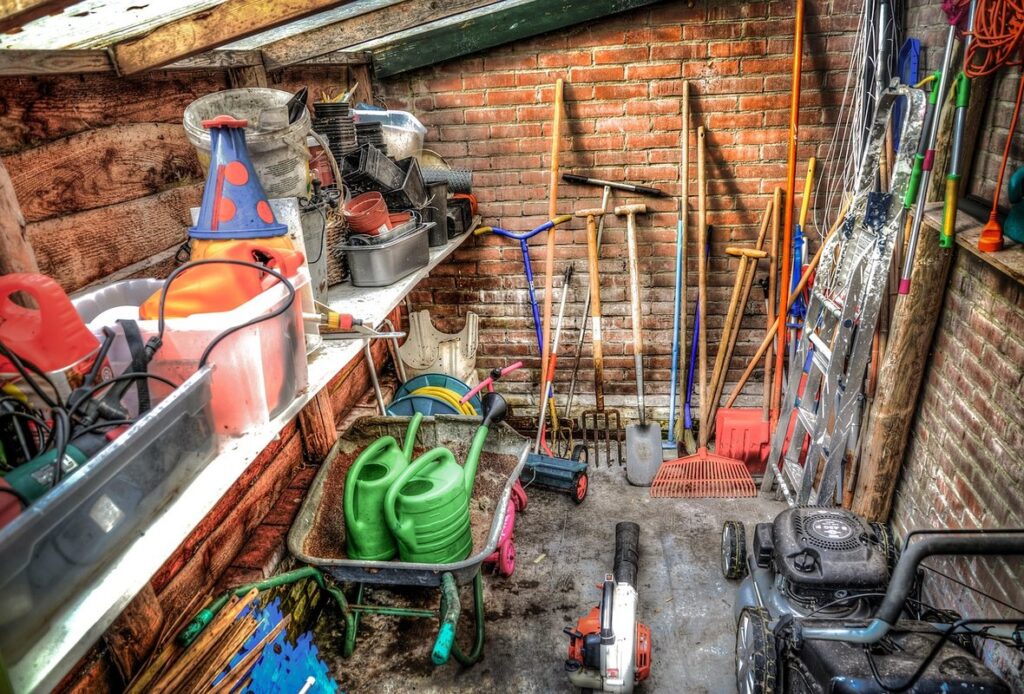
Organizing Small Gardens and Balconies
When it comes to tiny gardens and balconies, making the most of your space is crucial – let’s explore creative ways to organize tools in these compact areas.
Vertical Gardening and Tool Storage Solutions
Vertical gardening and tool storage solutions are perfect for small gardens and balconies where space is limited. By repurposing wall space with planters, hooks, and shelves, you can create a functional and organized area to store essential gardening tools and equipment.
Consider upcycling an old pallet or wooden crate to create a vertical planter or shelf. You can attach it to the wall using screws or brackets, making it easy to install and remove as needed. This DIY project not only saves space but also adds a rustic charm to your garden.
Another creative idea is to use hooks for hanging tools like gloves, pruning shears, and watering cans. You can install hooks made of metal or wood, and even add a small tray or basket to store small items like seeds or fertilizers.
For a more modern look, consider installing modular shelves or wall-mounted planters that can be easily rearranged as needed. This not only keeps your tools organized but also adds visual appeal to your garden. With a little creativity, you can turn your wall into a functional and beautiful tool storage solution that maximizes your yard space.
Compact Toolboxes and Carts for Limited Spaces
When you have limited space in your small garden or balcony, finding creative storage solutions for your tools can be a challenge. That’s why compact toolboxes and carts are perfect for these areas. These portable storage options are designed to keep your tools organized while making the most of the available space.
One option is a mini toolbox on wheels, which allows you to easily move it around the garden or balcony as needed. This is especially useful if you have a small area where you need to work but don’t want to be tied down by a fixed storage solution. You can also opt for a compact cart with multiple compartments to store your tools.
Another alternative is a wall-mounted tool holder, which takes up minimal space while keeping your tools within easy reach. Consider using a magnetic strip to hang small metal tools like trowels or pruners, freeing up space in the toolboxes or carts for larger items.
Make sure to measure your available space before purchasing a compact toolbox or cart to ensure it fits comfortably and can hold all your essential gardening tools. This will also help you choose the right size and style that suits your needs.
Shed Organization Ideas for Large Gardens
If you have a large garden, keeping your shed organized can be a challenge. Here are some ideas to help you maximize your space and keep your tools within easy reach.
Shelving Systems for Gardening Supplies
When it comes to storing garden supplies, a shelving system is an absolute game-changer. By categorizing and storing seeds, fertilizers, pruning tools, and other essentials on sturdy shelves, you’ll save time searching for what you need and keep your shed or outdoor storage area organized and clutter-free.
Think about it: with a shelving system in place, you can easily access the specific supplies you need when tending to different areas of your garden. For example, store pruning tools, loppers, and shears on one shelf near the entrance of your shed, so they’re always within arm’s reach when heading out to prune or trim.
Another benefit of shelving systems is that they allow for airflow and visibility, which helps prevent damage from moisture and pests. Use separate shelves for seeds, fertilizers, and other chemicals to keep them organized and out of reach of children and pets. You can also label each shelf with a sign or stickers to ensure everyone knows where to find what.
By implementing a shelving system in your shed or outdoor storage area, you’ll be amazed at how much more efficiently you can manage your gardening tasks – and enjoy the added peace of mind that comes from knowing everything is tidy and organized.
Maximize Your Shed’s Wall Space with Hooks and Racks
Maximizing your shed’s wall space is crucial when working with limited yard storage. Hooks and racks are an excellent solution to store items like hoses, rakes, and gardening gloves within easy reach. Consider installing a pegboard on one or more walls of your shed for ultimate customization.
You can use hooks in various sizes and materials, such as metal or plastic, to hang tools like shovels, trowels, and pruners. This not only keeps the tools organized but also saves space by preventing them from getting scattered around the floor. For longer items like hoses, consider installing a hose reel rack that can be wall-mounted or freestanding.
In addition to hooks and pegboards, you can also install slatwall panels with built-in hooks for additional storage. These are perfect for hanging items like gardening gloves, watering cans, or other smaller tools. Consider combining different types of hooks and racks to create a customized storage system that suits your specific needs and keeps your shed tidy.
When installing hooks and racks, be sure to follow the manufacturer’s instructions and ensure they can support the weight of the items you plan to store.
Outdoor Tool Storage Ideas for Patios and Decks
When it comes to patios and decks, keeping your outdoor tools organized is crucial. Let’s explore some creative storage ideas that will keep your space clutter-free and beautiful.
Under-Deck Storage Solutions
When it comes to maximizing your yard space for garden tool storage, consider investing in under-deck storage solutions. These clever compartments and slide-out drawers can be installed directly beneath your deck, providing a hidden yet easily accessible space for stowing away tools and equipment.
Not only do under-deck storage solutions keep your deck surface clutter-free, but they also protect your valuable items from the elements. A sudden rain shower or intense sunlight won’t damage your tools if they’re stored safely below deck. Plus, slide-out drawers make it simple to grab what you need without having to dig through a crowded storage area.
To maximize the benefits of under-deck storage solutions, choose units with dividers and organizers to keep small items like seeds, gloves, and pruning shears separate from larger tools. Consider adding a lockable access panel for enhanced security. With a well-designed under-deck storage system, you’ll be able to enjoy your garden space without the hassle of cluttered storage areas.
Outdoor Cabinets and Lockers with Built-In Toolboxes
When it comes to storing essential gardening gear, outdoor cabinets and lockers with built-in toolboxes are an excellent option. These units provide a dedicated space for tools, while also keeping them organized and within easy reach.
Consider a cabinet or locker with multiple shelves or compartments to store smaller items like gloves, pruning shears, and hand trowels. Some models even come equipped with hooks for hanging items like hoses, rakes, or brooms. This helps maintain a clutter-free space and prevents tools from getting lost or damaged.
When choosing an outdoor cabinet or locker with built-in toolboxes, consider the material it’s made of – durable materials like cedar, pine, or recycled plastic are ideal for withstanding harsh weather conditions. Also, think about the size: larger units can store more gear, but may not fit in smaller spaces.
Some popular options include the Rubbermaid FastTrack Outdoor Tool Cabinet and the Suncast BMS2900 Outdoor Storage Locker, both of which come equipped with built-in shelves and compartments for storing gardening essentials.
DIY Garden Tool Storage Projects
Get creative and build your own garden tool storage solutions, from repurposed pallets to upcycled crates, to keep your yard organized and clutter-free. We’ll show you how to make them!
Repurposing Old Items into Gardening Tools
Repurposing old items is an excellent way to breathe new life into your garden tool storage solutions. Think about it: those worn-out pallets and crates just waiting to be repurposed in the garage or shed can become unique and functional gardening tools holders. For instance, you can upcycle a wooden pallet by adding small hooks to hang rakes, trowels, and other small tools. Alternatively, an old crate can be transformed into a planter or a storage unit for seeds, fertilizers, and other essentials.
When repurposing items, consider the material’s durability and resistance to moisture. For example, if you’re using pallets, make sure they’ve been properly treated to prevent rotting. Additionally, think about adding a waterproof coating or sealant to protect your creations from the elements. To get started, scour your local thrift stores, garage sales, or online marketplaces for discarded wooden items that can be transformed into functional gardening tools holders. With a little creativity and elbow grease, you’ll have a one-of-a-kind garden tool storage solution that not only saves space but also adds character to your yard.
Upcycled Wooden Crates for Tool Organization
Upcycling wooden crates into tool storage containers is an excellent way to add some creativity and functionality to your garden shed. Not only will this DIY project save you money on expensive storage solutions, but it’ll also give you a chance to repurpose old materials and reduce waste.
To get started, gather some sturdy wooden crates in various sizes, along with a drill, screws, hooks, and dividers. Begin by disassembling the crates and cleaning them thoroughly. Next, attach hooks to the sides or top of each crate for hanging tools like rakes, hoses, or gloves. You can also add dividers inside the crates to separate small items from larger ones.
For added organization, consider adding labels or a label maker to identify what’s stored in each crate. This will make it easier to find what you need when working in the garden. With a few simple steps and some creativity, your upcycled wooden crates can become a practical and stylish tool storage solution for your yard.
Seasonal Garden Tool Storage Tips
As the seasons change, it’s essential to rethink your garden tool storage strategy to keep your gear organized and protected from the elements. Here are some seasonal tips to get you started.
Preparing Your Tools for Winter Storage
As winter approaches, it’s essential to prepare your garden tools for storage to prevent damage and rust. Proper cleaning, drying, and storing of tools during this period will not only extend their lifespan but also ensure they’re ready for use come spring.
Start by cleaning your tools thoroughly using a wire brush or steel wool to remove dirt and debris. This is particularly crucial for metal tools like trowels, rakes, and hoes. For wooden handles, gently scrub with soap and water to prevent warping. Rinse all tools well and allow them to air dry completely before storing.
Once clean and dry, store your tools in a cool, dry place like a garage or shed. Avoid storing tools outdoors or in areas prone to moisture, such as basements or crawlspaces. Group similar items together, like trowels with trowels and rakes with rakes, to make retrieval easier come spring. Label each storage bin or container to ensure you can quickly find what you need.
Consider using breathable storage bags or containers made from materials like canvas or mesh to maintain airflow and prevent rust. For particularly valuable or sentimental tools, consider storing them in airtight containers filled with desiccants to absorb moisture.
Spring Cleaning: Refreshing Your Gardening Tools
As we transition from winter to spring, it’s the perfect opportunity to give our gardening tools some much-needed TLC. Spring cleaning is not just about tidying up your home; it also extends to refreshing and organizing your outdoor space. When it comes to gardening tools, a thorough clean can make all the difference in their performance and longevity.
Start by disassembling any tools that can be broken down, such as rakes or trowels, and wash them with mild soap and warm water. Scrub away any dirt or grime that’s built up on handles, blades, and other components. Don’t forget to dry your tools thoroughly before reassembling them. This will help prevent rust and corrosion.
For metal tools, mix baking soda and water to create a paste, and apply it to any rusty areas. Let it sit for 30 minutes before rinsing off with warm water. For wooden handles, use a gentle wood cleaner or oil to maintain their finish.
By giving your gardening tools a good clean and some TLC, you’ll be ready to tackle the growing season ahead with confidence. A well-maintained toolset will not only look better but also perform more efficiently, saving you time and effort in the long run.
Summer Maintenance: Regularly Inspecting and Sharpening Tools
As we dive into summer, it’s essential to ensure that our garden tools are in top condition. Regular maintenance not only prolongs their lifespan but also ensures they’re ready for the next growing season. Start by inspecting each tool for signs of wear and tear, such as rusted handles or dull blades. For metal tools like pruning shears and loppers, use a wire brush to remove any corrosion.
Next, sharpen your tools regularly. A sharp blade is not only more effective but also reduces the risk of injury. Use a whetstone or sharpening steel to hone your tools. For instance, gardening knives can be sharpened using a whetstone with a coarse grit for initial sharpening and then fine-tuning with a higher grit.
Don’t forget about your tool handles! Check for cracks, splits, or signs of rot. If damaged, consider replacing them. Additionally, apply a waterproof coating to protect the wood from moisture damage. A well-maintained set of garden tools will reward you with efficient gardening sessions and years of reliable service.
Frequently Asked Questions
Can I use a combination of vertical gardening and tool storage solutions to optimize my small garden or balcony space?
Yes, combining vertical gardening with tool storage is an excellent way to make the most of your compact area. Consider using planters and shelves that double as tool holders to maximize wall space and keep essential items within easy reach.
How do I protect my tools from rust and corrosion when storing them outdoors during winter?
To prevent rust and corrosion, store your tools in a dry place, such as a shed or garage, if possible. If you must store them outside, use waterproof covers or bags to shield them from the elements. Regularly inspect and clean your tools before storing them for the season.
What’s the best way to label and organize my garden tool storage solutions so I can easily find what I need?
Use clear labels and signage to identify stored items, and consider implementing a color-coding system for different types of tools or tasks. This will help you quickly locate what you need, even in a cluttered or busy workspace.
Can I repurpose old pallets and crates as garden tool storage solutions?
Yes, upcycling old pallets and crates is a creative way to reuse materials while creating functional storage spaces. Simply clean and disinfect the material, add hooks or shelves as needed, and you’ll have a unique and eco-friendly tool storage solution.
How often should I inspect and maintain my garden tools to keep them in good working condition?
Regularly inspect your tools after each use, and schedule seasonal maintenance sessions (e.g., spring cleaning, summer sharpening) to ensure they remain in optimal condition. This will help prevent damage, extend their lifespan, and save you time in the long run.