
Are you tired of having an unkempt outdoor space that lacks a sense of style and flow? A beautifully designed garden pathway can completely transform your yard, but where do you start? With so many options available, from classic brick pathways to modern and sustainable designs, it’s easy to get overwhelmed. But don’t worry, we’ve got you covered! In this article, we’ll explore the best garden pathway ideas that will take your outdoor space to the next level. We’ll cover everything from planning and designing a path that reflects your personal style to learning how to maintain your new feature. Whether you’re looking for timeless elegance or modern flair, our expert tips and tricks will guide you through the process of creating a beautiful and functional pathway that enhances your garden’s beauty.
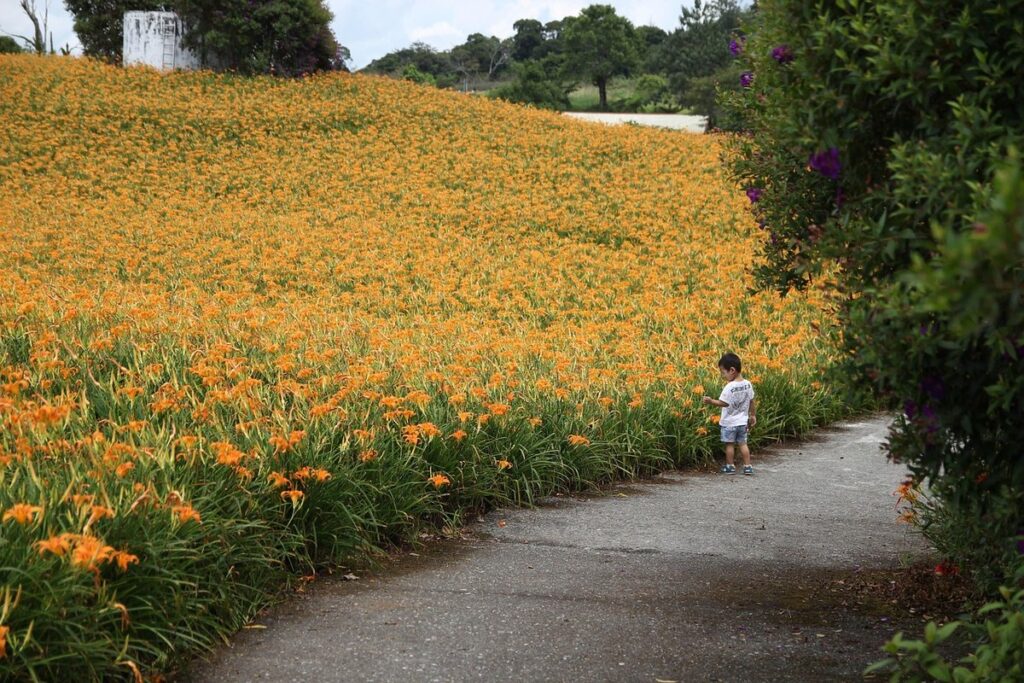
Planning and Designing Your Dream Pathway
Now that we’ve explored different types of garden pathways, let’s dive into the fun part: planning and designing your dream pathway to transform your outdoor space.
Choosing the Perfect Location
When choosing the perfect location for your garden pathway, it’s essential to consider several factors that will impact its functionality and aesthetic appeal. First and foremost, think about sunlight: will your pathway be situated in a spot that receives direct sunlight or partial shade? This decision will influence the type of plants you can use along the path.
Next, evaluate the drainage of the area. A sloping site may require additional planning to ensure water doesn’t accumulate on the pathway. Consider how rainwater will flow through the space and whether any modifications are needed to prevent erosion.
Also, consider existing features in your garden, such as gardens or patios, which can impact pathway design. Think about integrating them with your new path for a seamless look. Nearby structures like sheds or decks can also influence the layout of your pathway. Make sure to leave enough space between these features and the pathway for safe navigation.
Evaluate slopes carefully by measuring their angle and deciding whether any leveling is necessary. Consider using stepping stones or other raised surfaces to create a visually appealing yet functional path.
Setting a Budget and Considering Materials
When planning your dream pathway, it’s essential to set a realistic budget before making any decisions. This will help you narrow down your material options and ensure that your project stays on track. A general rule of thumb is to allocate 10-15% of your overall budget for the pathway itself.
As you consider various materials, think about durability and maintenance needs. For example, gravel pathways are an affordable option (around $2-$5 per square foot) but require regular raking to maintain their appearance. Brick pathways, on the other hand, are more durable (lasting up to 50 years) but can be pricier (ranging from $15-$30 per square foot). Stone and composite materials offer a middle ground in terms of cost and upkeep.
Consider your lifestyle and aesthetic preferences when choosing a material. If you have young children or pets, a wood chip pathway might be a good choice due to its soft, shock-absorbing surface. However, it requires more frequent replenishment than other options. Ultimately, weigh the pros and cons of each material and choose one that balances your budget with your design vision.
Inspirational Garden Pathway Ideas by Style
Whether you’re looking for a modern touch or a whimsical feel, we’ll explore how to incorporate different styles into your garden pathway design to match your unique outdoor space.
Classic and Timeless Designs
Classic and timeless designs are often associated with traditional or formal gardens. These types of pathways can add elegance and sophistication to even the most modern outdoor spaces. Stone pathways, for instance, are a classic choice that never goes out of style. They come in various shapes, sizes, and colors, allowing you to customize them to fit your garden’s unique aesthetic.
When incorporating stone pathways into your design, consider using natural materials like limestone or sandstone. These types of stones have a warm, organic appearance that blends seamlessly with the surrounding environment. To add visual interest, try alternating between different textures or patterns.
Brick walkways are another classic option that can elevate your garden’s curb appeal. Use traditional red bricks for a formal look or opt for more rustic options like reclaimed brick for a cozy feel. You can also mix and match different colors to create a unique pattern.
Remember, timeless designs don’t have to mean boring. By incorporating unique elements, such as ornate ironwork or statement lighting fixtures, you can give your garden pathway a one-of-a-kind look that still honors its classic roots.
Whimsical and Unconventional Pathways
When it comes to garden pathway ideas, why settle for traditional and ordinary when you can create a whimsical and unconventional design that reflects your personality? Meandering gravel paths are a great example of this. Instead of following a straight line, these pathways meander through your garden, inviting you to explore and discover new sights and sounds.
You can also incorporate stepping stones into your pathway design. These can be placed throughout your garden, leading visitors on a winding journey through different areas, such as a fragrant herb garden or a vibrant flower bed. For added interest, consider using natural materials like wood or stone for the stepping stones themselves.
For an even more unique look, try repurposing old materials like bricks to create one-of-a-kind pathways. This not only adds visual interest but also gives new life to discarded materials. Simply arrange the bricks in a creative pattern and enjoy your beautiful, eco-friendly pathway.
Modern and Sleek Pathways
Modern garden pathways often prioritize clean lines and minimal ornamentation, making them a great choice for those who crave an up-to-date aesthetic. One way to achieve this look is by incorporating modern materials like concrete, glass, or metal into your design.
For instance, a sleek concrete pathway can be paired with natural stone or gravel to create a visually appealing contrast between the urban and organic elements. Consider using permeable pavers that allow water to seep through and reduce stormwater runoff – a thoughtful nod to sustainability.
Another approach is to incorporate living walls or green roofs into your design, blurring the lines between indoors and outdoors. This integration of natural elements with modern materials not only creates an eco-friendly oasis but also adds a touch of serenity to your outdoor space. To add a pop of color and texture, consider adding planters made from reclaimed wood or metal, which can be easily repurposed for a more sustainable option.
When selecting materials, think about durability and low maintenance – perfect for busy homeowners who want to spend their free time enjoying the outdoors rather than tending to it.
Creating Your Own Unique Garden Pathway Design
Now that you’ve seen some inspiring garden pathway ideas, let’s dive into creating your own unique design to reflect your personal style and garden layout. This section shares expert tips to get you started.
Mixing and Matching Materials
When it comes to creating a unique garden pathway design, one of the most exciting aspects is mixing and matching different materials. This allows you to achieve a look that’s entirely yours, blending different textures, colors, and styles to create visual interest.
Consider pairing stone pavers with brick edging for a classic and timeless appearance. Stone pavers come in various shapes, sizes, and materials, such as bluestone or flagstone, which can be arranged in a pattern or laid randomly for a more organic look. Brick edging adds a touch of elegance and can help frame your pathway, creating a clear boundary between the path and surrounding landscape.
For a more natural look, try incorporating wood chips or gravel into strategic sections of your pathway. These materials can be used to create a soft transition from one material to another or to add a pop of color and texture. For example, you could use brick pavers for the main pathway and then transition to wood chips as you approach a garden bed or seating area. This not only adds visual interest but also helps blend your pathway with its surroundings.
Incorporating Light and Texture
When designing your garden pathway, it’s essential to consider the impact of lighting and texture to create visual interest and depth. Lighting can greatly enhance the ambiance of your outdoor space, making it inviting for relaxation or entertainment. You can incorporate various types of lighting, such as solar-powered lights, lanterns, or string lights, to highlight specific areas or features.
To add texture and interest, consider using materials like gravel, wood chips, or even plants. For example, a meandering pathway made from smooth stones or pebbles can lead the eye through the garden, while a wooden chip path creates a cozy, rustic feel. Alternatively, you can use plants with different textures, such as succulents or ferns, to create a visually appealing and fragrant pathway.
Remember, mixing different materials and textures can add depth and visual interest to your garden pathway design. Experiment with various combinations to find the perfect balance for your outdoor space.
Maintenance and Upkeep for Your Garden Pathway
To keep your garden pathway looking its best, regular maintenance is crucial, so let’s explore some practical tips to help you upkeep your beautiful outdoor feature.
Seasonal Cleaning and Repair
Maintaining your garden pathway throughout different seasons can be a challenging task, but it’s essential to keep it clean and safe for walking. In the spring, as snow melts and leaves start falling, debris can quickly accumulate on your path. Regular sweeping or leaf-blowing can help remove dirt and leaves, while a broom with stiff bristles is perfect for removing stubborn stains.
As summer brings heavy rainfall and high temperatures, the ground beneath your pathway may become soft and uneven. Keep an eye out for cracks or damage caused by water erosion, and fill them promptly to prevent further damage. Consider applying a sealant to protect your path from the elements.
In autumn, fallen leaves can clog drains and cause water to accumulate on your path. Clearing leaves regularly will prevent ice formation in winter and reduce maintenance work come spring. For particularly slippery areas, consider installing handrails or non-slip coatings for added safety.
By incorporating these seasonal cleaning and repair strategies into your routine, you’ll keep your garden pathway looking its best all year round.
Winter Care: Preparing Your Pathway for Snow and Ice
As winter approaches, it’s essential to prepare your garden pathway for the harsh weather conditions. One of the biggest concerns is preventing ice from forming on the surface, which can be hazardous and damage the material. To combat this, use sand or other traction aids strategically. However, be cautious not to overuse these products, as excessive salt content can harm plants and contaminate soil.
A safer alternative is magnesium chloride or calcium chloride-based products, which are more environmentally friendly. When applying them, follow the manufacturer’s instructions carefully and apply a thin layer only where necessary.
When clearing snow from your pathway, avoid using sharp shovels or heavy equipment that can damage the material. Instead, opt for a gentle approach with a soft-bristled broom or a snow rake, which will remove the snow without causing harm. It’s also crucial to clear snow immediately after it falls to prevent water from seeping into cracks and freezing.
By taking these precautions, you’ll be able to enjoy your beautifully designed garden pathway even during the coldest months of the year.
DIY Projects and Professional Installation
Now that we’ve explored beautiful designs, let’s dive into how to bring your garden pathway vision to life, whether you’re a seasoned DIYer or prefer professional installation.
Can I Do It Myself? Tips for a Successful DIY Project
When it comes to implementing a garden pathway project, you may be wondering if you can tackle it on your own. The answer largely depends on the scope and complexity of the project. If you’re looking to install a simple, straight pathway made from materials like gravel or sand, DIY might be a suitable option.
However, if you’re envisioning a more intricate design with multiple curves or slopes, incorporating different textures, colors, or patterns, it’s recommended that you seek professional help. These types of projects often require specialized tools and expertise to ensure stability, drainage, and overall safety.
To increase your chances of success with a DIY project, start by assessing the terrain and selecting materials suitable for the climate and foot traffic in your garden. Make sure to gather all necessary tools, such as a shovel, trowel, and level, before beginning work.
Common mistakes to avoid include incorrect grading, poor drainage, or using low-quality materials that can compromise the pathway’s longevity. If you’re unsure about any aspect of the project, it’s always best to consult with a professional who can guide you through the process.
Hiring a Professional: Knowing When to Seek Help
When tackling a garden pathway project, it’s essential to know when to seek help from a professional landscaper or contractor. While DIY projects can be rewarding and cost-effective, more complex pathways may require specialized expertise.
Consider the scope of your project: are you looking to create a simple, straight path or something more intricate with curves, steps, or unique materials? If your design involves complex angles, irregular shapes, or specific drainage requirements, it’s best to consult a professional. They’ll not only ensure a safe and durable installation but also help you avoid costly mistakes.
Additionally, think about your time constraints and budget. Professional landscapers have the necessary tools, experience, and knowledge to complete projects efficiently and within budget. They can also provide expert advice on material selection, placement, and finishing techniques that will enhance the overall aesthetic of your garden pathway.
Conclusion and Final Tips
As you’ve explored various garden pathway ideas to transform your outdoor space, it’s time to bring everything together. Remember, a beautiful path is not just about aesthetics; it’s also about functionality and safety. To ensure your new path serves its purpose, consider adding adequate lighting to highlight the design features and provide visibility after dark. This will also make it easier for you or guests to navigate through your garden at night.
For added ambiance, incorporate plants and flowers into your pathway design, such as lanterns or potted plants along the edges. Don’t forget to maintain your path regularly by removing debris and weeds that can damage the materials used in its construction. By following these final tips, you’ll not only enhance the beauty of your garden but also create a safe and inviting space for relaxation and entertainment.
Frequently Asked Questions
What are some common materials I can use to create a sustainable garden pathway?
Consider using natural stone, reclaimed wood, or composite materials that are durable and eco-friendly. These options not only minimize waste but also blend seamlessly with your surroundings. For example, you could incorporate recycled brick into your design for a unique touch.
How do I ensure my garden pathway is accessible for all users, including those with mobility issues?
To create an inclusive path, consider using materials like concrete or asphalt that provide a smooth surface. Additionally, incorporate gentle slopes and wide enough pathways (at least 3-4 feet) to accommodate wheelchairs and walkers. You can also add handrails for extra support.
What are some creative ways to light my garden pathway at night?
Incorporate solar-powered lights or string lights to create a warm ambiance. You can place them along the path or in planters, which will not only illuminate your walkway but also highlight your beautiful plants and flowers.
Can I mix different materials for my garden pathway, such as brick and stone?
Absolutely! Mixing and matching materials is a great way to add visual interest and create a unique look. Just ensure that you choose complementary colors and textures to achieve a cohesive design. For example, pairing brick with natural stone can produce a beautiful, eclectic aesthetic.
How often should I clean and maintain my garden pathway to keep it looking its best?
Regular cleaning is essential for maintaining your path’s appearance. Clear debris, leaves, and weeds at least twice a month, depending on the season and usage. Additionally, inspect your path regularly for damage or wear, addressing any issues promptly to prevent further problems.