
Choosing the right garden hose can be overwhelming, especially with so many options available. Whether you’re a seasoned gardener or just starting out, understanding how to select the best garden hose for your needs is crucial for efficient watering and maintenance of your plants. But what factors should you consider when making this decision? Calculating water pressure needs, selecting the right hose diameter and flow rate, and choosing between different materials are all important aspects to think about.
In this article, we’ll break down the process of garden hose selection and provide you with expert tips on how to choose the perfect one for your garden. We’ll cover essential topics such as understanding water pressure requirements, selecting the right nozzle or spray tip, and maintaining your equipment to extend its lifespan. By following these guidelines, you’ll be well-equipped to tackle any gardening task with confidence.
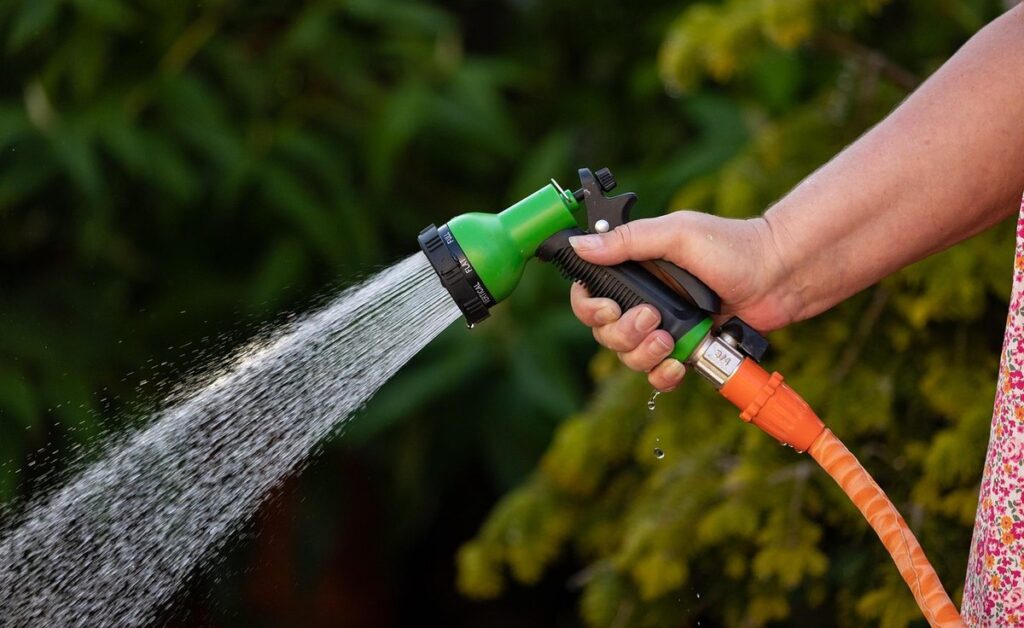
Choosing the Right Type of Garden Hose
When it comes to selecting a garden hose, one crucial decision is choosing the right type for your needs. We’ll break down the different types to help you make an informed choice.
Section Overview
When it comes to choosing the right garden hose for your outdoor needs, you’ll find that there are several types available. Understanding their characteristics will help you make an informed decision.
The most common types of garden hoses include rubber, plastic, and metal hoses. Rubber hoses are known for their flexibility, durability, and resistance to kinking. They’re often more expensive than other options but provide excellent performance in extreme temperatures. Plastic hoses, on the other hand, are lightweight, affordable, and resistant to abrasion. However, they may not be as durable as rubber hoses.
Some garden hoses also come with added features such as built-in spray nozzles or pressure washers. These can be convenient for tasks like cleaning patio furniture or washing cars. When selecting a hose, consider the space you have available, the type of gardening you’ll be doing, and your budget. By weighing these factors and considering the characteristics of different types of hoses, you’ll find one that suits your needs.
1. Rubber Hoses
Rubber hoses are a popular choice for garden watering due to their unique characteristics. One of the main benefits of rubber hoses is their flexibility. They can be easily coiled and stored when not in use, making them ideal for smaller gardens or spaces with limited storage. This flexibility also allows them to withstand rough handling and folding, reducing the risk of kinking or damage.
However, rubber hoses have some drawbacks. Their durability is generally lower than that of other materials like PVC or polyurethane. They may become brittle over time and prone to cracking, especially when exposed to extreme temperatures. Additionally, rubber hoses can be more expensive than their counterparts, which may be a significant consideration for gardeners on a budget.
When choosing a rubber hose, look for ones made from high-quality materials that are resistant to ozone degradation and UV light. This will help extend the lifespan of your hose.
2. PVC Hoses
PVC hoses are one of the most popular and affordable options for garden hoses. They’re made from polyvinyl chloride, a durable plastic material that can withstand various weather conditions. One of the biggest advantages of PVC hoses is their resistance to abrasion, which makes them perfect for areas with rough terrain or frequent foot traffic.
They’re also relatively lightweight, making them easy to handle and store. Moreover, PVC hoses are generally inexpensive compared to other types of garden hoses on the market. However, they do have some drawbacks. For instance, PVC hoses can be prone to kinking and cracking over time, which can reduce their lifespan.
If you’re looking for a budget-friendly option that’s easy to install and maintain, PVC hoses might be a good choice. Just keep in mind that they may not be as durable as other types of garden hoses, such as rubber or composite hoses. To extend the life of your PVC hose, make sure to inspect it regularly for any signs of damage and replace it when necessary.
3. Polyurethane Hoses
Polyurethane hoses are a popular choice for garden hose enthusiasts due to their unique features and benefits. One of the standout advantages of polyurethane hoses is their ability to withstand extreme temperatures. Unlike traditional rubber or PVC hoses, which can become brittle and crack in cold weather or melt in hot conditions, polyurethane hoses remain flexible and durable even in freezing temperatures.
This is because polyurethane materials have a high thermal stability rating, allowing them to resist degradation from UV light, heat, and cold. This means that you can leave your polyurethane hose out in the sun all day without worrying about it cracking or disintegrating. Additionally, polyurethane hoses are resistant to abrasion, making them perfect for areas with rough terrain or debris-filled gardens.
However, it’s worth noting that polyurethane hoses can be more expensive than other types of garden hoses on the market. They may also require a bit more maintenance, as they need to be stored properly when not in use to prevent damage from sunlight and moisture. Overall, polyurethane hoses are an excellent choice for gardeners who need a reliable and long-lasting hose that can withstand the elements.
Measuring Up: Determining the Right Hose Size
When it comes to choosing the right garden hose, determining the correct size is crucial for optimal performance and durability. Let’s explore how to measure up and select a hose that fits your needs perfectly.
Calculating Water Pressure Requirements
When selecting a garden hose, it’s essential to consider the water pressure requirements for your specific application. Water pressure refers to the force exerted by water on the hose, and it plays a significant role in determining the size of the hose you need.
To calculate water pressure needs, start by considering the type of gardening tasks you’ll be using the hose for. For example, if you plan to use the hose for watering plants or washing cars, you may require a higher water pressure than if you’re just using it for a simple garden watering system.
A general rule of thumb is that most residential areas have a water pressure range between 30-50 PSI (pounds per square inch). However, this can vary depending on your location and the municipal water supply. To get an accurate reading, use a water pressure gauge to test the pressure at your outdoor faucet or hose bib.
For general gardening tasks, a lower to moderate water pressure of around 20-40 PSI is usually sufficient. For heavier-duty applications like washing cars or high-pressure cleaning equipment, you’ll need a higher pressure range of 50-80 PSI or more.
Understanding Hose Diameter and Flow Rate
When it comes to choosing the right garden hose, understanding the relationship between hose diameter and flow rate is crucial. A larger hose diameter allows for more water to flow through it, which directly affects its performance. Think of it like a water pipe: if you need to supply multiple faucets or sprinklers in your yard, you’ll want a larger diameter hose to ensure each one gets enough water.
Common garden hose sizes range from 1/2 inch to 5/8 inch, with the most popular being 5/8 inch. This size is suitable for small to medium-sized yards and can support up to two sprinklers or hoses at once. However, if you have a larger yard or need to supply more water-demanding features like a pool or fountain, a 3/4 inch or 1 inch hose may be necessary.
To determine the right flow rate for your needs, consider the total length of all connected hoses and any potential obstructions in the line. A general rule of thumb is to choose a hose with a diameter that’s at least two sizes larger than the recommended size for its intended use. This will ensure you have enough pressure and flow rate to support your yard’s irrigation needs.
Considerations for Specialized Applications
When it comes to garden hose selection, one size doesn’t always fit all. Depending on the specific task at hand, a larger or smaller hose may be necessary to ensure efficient and effective use. For example, washing cars requires a higher flow rate than watering plants, so a 1-inch diameter hose is often preferred for this task.
If you’re planning to fill a pool, a large-diameter hose with a high-pressure rating is essential to save time and water. In contrast, delicate tasks like washing fragile items or filling small water features may require a smaller, more gentle hose size. Consider the flow rate requirements for your specific application when choosing a hose size.
Another consideration is the length of the hose. For tasks that involve moving around the yard, such as cleaning gutters or watering plants in different areas, a longer hose with a suitable diameter can be beneficial. Conversely, shorter hoses are ideal for stationary tasks like filling small containers or washing windows. By taking these factors into account, you’ll be able to choose the right hose size for your specific needs and ensure optimal performance.
Features to Look for in a Garden Hose
When choosing the perfect garden hose, there are several key features to consider that will determine its durability and performance. Look out for these crucial factors when making your selection.
Section Overview
When selecting a garden hose, there are several essential features to consider that can impact its performance and durability. A good garden hose should be able to withstand the rigors of regular use while providing efficient water flow.
First and foremost, consider the material used to make the hose. Look for hoses made from durable materials such as rubber, polyurethane, or polyethylene. These materials are resistant to cracking, kinking, and damage caused by UV rays. For example, a rubber hose is ideal for high-temperature applications, while a polyethylene hose is better suited for low-pressure situations.
Other key features to consider include the hose’s diameter, length, and connection type. A larger diameter hose can increase water flow rate, but may be more difficult to maneuver around tight spaces. On the other hand, a shorter hose may save space, but limit its range. Additionally, ensure that the hose’s connections are compatible with your existing plumbing fixtures.
When shopping for a garden hose, look for ones that have been designed with safety features such as pressure relief valves and secure fittings. These can help prevent accidents caused by burst hoses or loose connections.
Hoses with Built-in Filters
When it comes to selecting a garden hose, one crucial feature to consider is built-in filters. These hoses are designed with integrated filters that remove impurities and debris from the water supply, significantly improving its quality. The benefits of hoses equipped with built-in filters are numerous.
For instance, built-in filters can reduce sediment and particulate matter in the water, which can cause clogging and damage to your garden hose over time. This means you’ll enjoy longer-lasting performance and fewer maintenance issues. Moreover, filtered water can also prevent mineral deposits from building up inside the hose, extending its lifespan even further.
In addition to these benefits, built-in filters can also improve the taste and odor of the water in your garden. By removing impurities and contaminants, you can be confident that the water reaching your plants is clean and safe for them to absorb. As a gardener, this can give you peace of mind, especially if you’re using your hose for irrigation or other applications where water quality is critical.
When shopping for a hose with built-in filters, look for one that has a high-quality filter system designed specifically for garden hoses. Some popular types include activated carbon and ceramic filters, which are effective at removing a wide range of impurities. By investing in a hose with built-in filters, you can enjoy improved water quality, reduced maintenance, and extended hose life – all of which will help you create a thriving garden without the hassle.
Anti-Kink Technology and Flexible Nozzles
When selecting a garden hose, it’s essential to look for features that prevent damage and improve usability. Two notable technologies that can make a significant difference are anti-kink technology and flexible nozzles.
Anti-kink technology is designed to reduce the likelihood of kinks occurring in the hose. This is particularly useful when using longer hoses or navigating around tight spaces. With an anti-kink hose, you’ll enjoy smoother water flow and fewer instances of water pressure loss due to kinks. Imagine trying to wash your car with a kinked hose – it’s frustrating! By investing in an anti-kink garden hose, you can avoid this hassle.
Flexible nozzles are another valuable feature that enhance usability. They allow for precise control over the water flow and direction, making it easier to clean hard-to-reach areas or tackle stubborn weeds. Nozzles with adjustable settings also enable you to adapt to various watering tasks, such as delicate plants or heavy-duty cleaning. For example, a 0-degree nozzle is perfect for targeting specific areas, while a 40-degree nozzle allows for wider coverage.
When shopping for an anti-kink garden hose with flexible nozzles, look for products that combine these features in a single unit. This will provide you with the ultimate flexibility and convenience when tackling your gardening tasks.
Brand Selection: Researching Garden Hose Manufacturers
When selecting a garden hose, it’s essential to research reputable manufacturers who offer high-quality products that meet your needs and budget. Let’s explore how to choose from top-rated brands.
Evaluating Manufacturer Reputation
When choosing a reputable garden hose brand, it’s essential to consider multiple factors beyond just product features and prices. One of the most reliable indicators of a manufacturer’s reputation is customer reviews and ratings.
Start by checking online review platforms such as Amazon or Home Depot, where customers share their genuine experiences with various products. Look for brands with high overall ratings (average 4+ stars) and pay attention to the number of reviews – a reputable brand should have multiple reviews from diverse sources.
Another crucial aspect is to check if the manufacturer has any certifications or affiliations with industry organizations. For instance, look for brands that are certified by the International Association of Plumbing and Mechanical Officials (IAPMO) or the American National Standards Institute (ANSI). This not only ensures compliance with safety standards but also reflects the brand’s commitment to quality.
Lastly, research the manufacturer’s history, product offerings, and warranty policies. A reputable brand should have a clear and transparent website, providing detailed information about their products and customer support channels.
Certifications and Compliance with Industry Standards
When selecting a garden hose, it’s not just about finding one that looks good or fits your budget. It’s also crucial to ensure that the hose is safe for use and complies with industry standards. This is where certifications like NSF/ANSI 61 come into play.
NSF/ANSI 61 is a widely recognized certification that ensures drinking water systems, including garden hoses, meet strict safety standards. To achieve this certification, manufacturers must undergo rigorous testing to verify the hose’s compliance with guidelines for material and chemical safety. This means you can have peace of mind knowing your garden hose won’t leach chemicals into your water supply.
Look for other certifications like ASME A112.18.3 (water pressure) and UL 19 (electrical connections), which further ensure that the hose meets performance standards for both functional durability and electrical safety. By considering these certifications, you can choose a garden hose that not only looks great but also provides safe and efficient watering.
Accessories for Your Garden Hose: A Guide
Now that you’ve chosen the perfect garden hose, it’s time to think about accessories to make your watering routine even more efficient and enjoyable. We’ll explore some must-have additions for a happy, healthy garden.
Choosing the Right Nozzle
When choosing the right nozzle for your garden hose, there are several key features to consider. The spray pattern is a crucial aspect, as it determines the type of tasks you can accomplish with your hose. A full-circle spray pattern is ideal for general watering and cleaning large areas, while a narrow jet setting is better suited for targeted applications like pruning or washing delicate plants.
Flow rate control is another essential feature to consider. This allows you to adjust the amount of water coming out of the nozzle, giving you greater flexibility when performing various tasks. Some nozzles offer multiple flow rate settings, such as a standard setting and an economy setting that uses less water but may not be as effective for heavy-duty cleaning.
When selecting a nozzle, consider the types of tasks you’ll be using it for most often. If you need to water large lawns or clean tough stains, look for a nozzle with a high flow rate and adjustable spray pattern. For smaller areas or delicate plants, a low-flow nozzle may be more suitable.
Hoses with Built-in Pressure Regulators
When choosing a garden hose, it’s essential to consider accessories that ensure a consistent water flow and pressure. Hoses with built-in pressure regulators are an excellent option for maintaining optimal water pressure throughout the length of the hose.
These hoses have a specialized valve or regulator that controls the water flow, preventing excessive pressure drops as you move further away from the source. This feature is particularly beneficial in large gardens or areas with high water demand, where inconsistent pressure can be a significant issue.
A built-in pressure regulator ensures that the water pressure remains stable, even when using multiple outlets or spraying water over long distances. For instance, if you’re using a hose to wash your car or a large section of your lawn, the regulator helps maintain consistent water flow and prevents sudden drops in pressure.
When shopping for hoses with built-in pressure regulators, look for products that are specifically designed for high-pressure applications. These hoses often feature durable materials, such as heavy-duty rubber or PVC, and are equipped with reliable valves and fittings to withstand the demands of consistent water pressure.
Maintenance and Care for Your Garden Hose
To keep your garden hose performing at its best, proper maintenance and care are essential. Regular checks can help prevent damage and extend its lifespan significantly.
Regular Cleaning and Inspection
To get the most out of your garden hose, it’s essential to maintain regular cleaning and inspection. This simple yet crucial step can extend its lifespan and ensure it continues to perform optimally. Dirt, debris, and mineral deposits can accumulate inside the hose over time, reducing water pressure and flow rate. If left unaddressed, this buildup can lead to kinking, cracking, or even bursting of the hose.
Inspect your garden hose regularly for signs of wear and tear. Check for cracks, cuts, or abrasions on the exterior surface. Look out for corrosion or mineral deposits that may be forming inside the hose. To clean the hose, use a gentle soap solution and a soft-bristled brush to scrub away any debris or grime. Rinse thoroughly with fresh water, ensuring no soap residue remains.
In addition to regular cleaning, inspect your garden hose after each use. Check for kinks, twists, or tangles that can cause blockages or damage the hose over time. This simple habit will help you catch potential issues before they become major problems, saving you from costly repairs and replacements in the long run.
Storage and Winterization Tips
When not in use, it’s essential to properly store and winterize your garden hose to prevent damage from harsh weather conditions. Exposure to extreme temperatures, freezing rain, and direct sunlight can cause cracks, brittleness, and even complete failure of the hose.
To store your garden hose during periods of inactivity:
* Coil it neatly around a sturdy reel or hook to remove any kinks or tangles.
* Drain any remaining water from the hose by turning on the faucet slowly while holding the nozzle. This will help prevent mineral buildup and bacterial growth.
* Consider storing the hose in a shaded area, such as a garage or under an awning, to protect it from direct sunlight.
During winter months, take extra precautions:
* Disconnect the hose from any outdoor faucets and drain the water completely.
* Use a specialized winterization kit or antifreeze solution specifically designed for hoses to prevent freezing temperatures from causing damage.
* If you live in an area prone to extreme cold, consider using a freeze-resistant hose that’s designed to withstand harsh winter conditions.
By following these storage and winterization tips, you’ll be able to extend the lifespan of your garden hose and ensure it remains functional when you need it most.
Frequently Asked Questions
What is the recommended maintenance schedule for my garden hose to ensure optimal performance?
Regular cleaning and inspection of your garden hose are essential to extend its lifespan. We recommend checking your hose every 1-2 months, rinsing it with soap and water after each use, and storing it properly during winterization.
Can I mix different types of hoses (e.g., rubber and PVC) for a larger gardening project?
While it’s technically possible to mix different types of hoses, we recommend using the same type throughout your garden. Mixing materials can lead to inconsistent performance and increased risk of damage or leakage.
How do I determine if my garden hose has built-in pressure regulators, and what are their benefits?
Check your hose for manufacturer markings indicating built-in pressure regulators. These features regulate water pressure to prevent over-watering and reduce wear on the hose. They’re especially useful in areas with high water pressure or long hose runs.
What should I consider when choosing a garden nozzle or spray tip for my specific gardening needs?
Consider the type of plants you’re watering, soil conditions, and desired coverage area. For example, a fan spray tip is ideal for covering large areas, while a fine nozzle is better suited for delicate plants or precise watering tasks.
Can I use a garden hose with built-in filters for non-potable water sources, such as well water?
Yes, some garden hoses come equipped with built-in filters designed to remove debris and contaminants from non-potable water sources. However, it’s essential to check the manufacturer’s recommendations and ensure the filter is compatible with your specific water type and pressure requirements.