
Are you tired of feeling stuck when it comes to designing your garden? Do you want to create a vibrant oasis that brings joy to your daily life? Choosing the right color scheme for your flowers can be overwhelming, but with a little guidance, you’ll be on your way to creating a stunning outdoor space. A well-planned color scheme is key to making your garden stand out, and it’s easier than you think. In this article, we’ll explore three essential color schemes – monochromatic, complementary, and analogous colors – and provide tips on how to select flowers by color, create visual balance, and maintain your vibrant garden throughout the seasons. By the end of this guide, you’ll be equipped with the knowledge to bring your garden vision to life and enjoy a beautiful outdoor space that reflects your personal style.
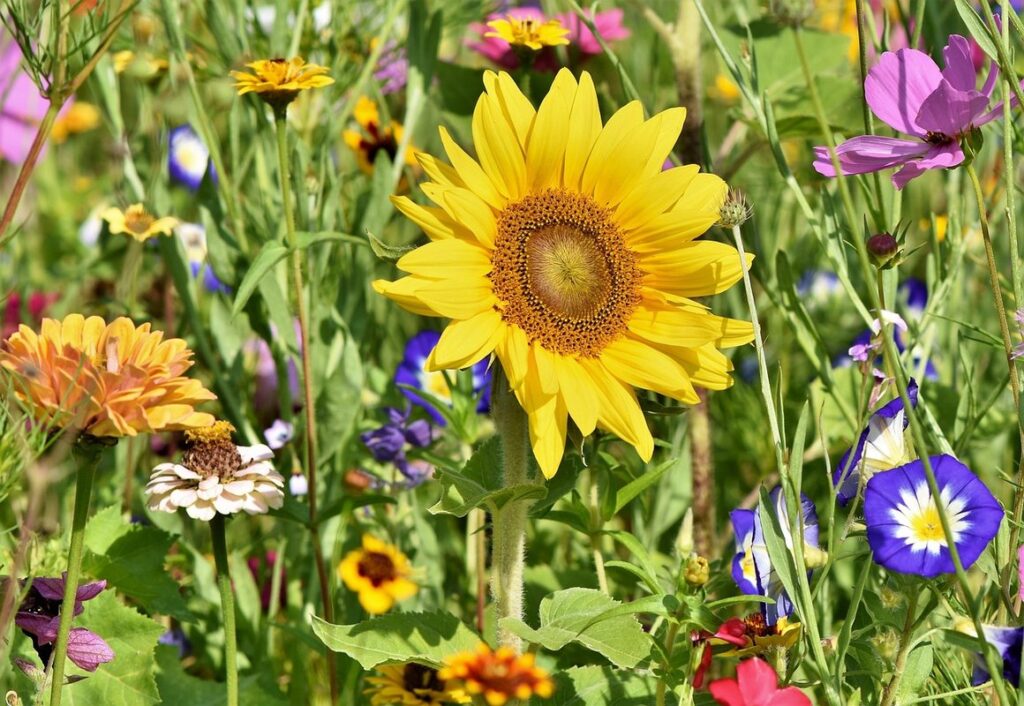
Choosing a Color Scheme
When it comes to designing a garden color scheme, one of the most critical decisions is selecting a palette that complements your flowers. Let’s explore some tips for creating a harmonious and visually appealing color combination.
Monochromatic Magic
A monochromatic color scheme may seem like an unusual choice for a garden, but trust us, it can be incredibly effective. By focusing on different shades and tones of the same color, you can create a cohesive look that’s both soothing and visually striking.
One of the benefits of working with monochromatic colors is that they provide a sense of harmony in your garden. When all the flowers are the same hue, the eye can move freely without being distracted by competing colors. This creates a sense of calmness and serenity, perfect for a relaxing outdoor space.
However, creating a successful monochromatic scheme can be challenging. It requires selecting shades that work well together, from light pastel tones to deep rich shades. Consider the time of day when choosing your color palette – soft pinks and lavenders will look beautiful in the morning sunlight, while deeper blues and purples will come alive at dusk.
To create a cohesive monochromatic scheme, try pairing different shades with varying textures and foliage. For example, combine velvety red roses with delicate pink petunias and wispy grasses for a romantic and whimsical effect. Experiment with different shades and see how they interact with each other in your garden – you might be surprised at the beauty that emerges!
Complementary Colors
Complementary colors are pairs of hues that lie opposite each other on the color wheel. When used together, they create a visually stunning effect and add depth to your garden design. For example, pairing blue delphiniums with orange marigolds creates a vibrant and energetic atmosphere in your garden.
Another popular complementary color combination is yellow roses with purple coneflowers. These flowers may seem like an unlikely pair, but their contrasting colors create a beautiful visual balance that adds interest to your garden. To incorporate this combination into your design, plant the yellow roses towards the back of your bed and the purple coneflowers in front, creating a sense of depth.
When balancing warm and cool tones in your garden, remember that warm colors like red, orange, and yellow tend to evoke feelings of energy and warmth, while cool colors like blue, green, and purple create a calming atmosphere. To achieve harmony, balance warm and cool colors by placing them strategically throughout your design or using a mix of flowers with varying color temperatures.
By incorporating complementary color pairs into your garden design, you can add visual interest and create a unique look that showcases your personal style.
Analogous Colors
When choosing a color scheme for your garden, it’s essential to consider analogous colors – those next to each other on the color wheel. This palette creates a sense of continuity and flow, making it perfect for larger gardens where you want to create a seamless transition between different areas.
Using adjacent colors can have numerous benefits. For instance, they can evoke a soothing atmosphere, ideal for a relaxing garden retreat or a peaceful patio space. By selecting analogous colors, you’ll also create visual interest without overwhelming the senses. This is particularly effective in small gardens where a bold color scheme might feel overwhelming.
Take lavender and lilac, two adjacent colors on the purple spectrum, for example. Planting these flowers together creates a beautiful, monochromatic effect that’s both calming and visually appealing. By incorporating analogous colors into your garden design, you can achieve a sense of harmony and balance, making it an ideal choice for any size garden. Experiment with different combinations to find the perfect palette for your outdoor space.
Color Wheel Fundamentals
Let’s break down color wheel basics, which will serve as the foundation for creating harmonious and visually appealing garden color schemes. We’ll start with the primary colors of red, blue, and yellow.
Understanding the Color Wheel
The color wheel is the foundation of creating harmonious color combinations in your garden. It’s essential to understand its basics to ensure that your flower arrangements and garden color schemes look visually appealing. The color wheel consists of primary colors – red, yellow, and blue – which cannot be created by mixing other colors together.
These primary colors are then mixed to form secondary colors: orange (red + yellow), green (blue + yellow), and purple (blue + red). Understanding the relationships between these colors is crucial in selecting harmonious color combinations. Colors that are opposite each other on the color wheel, known as complementary colors, create a visually appealing contrast when paired together. For instance, pairing blue flowers with yellow or orange flowers creates a beautiful contrast.
When choosing colors for your garden, remember to consider the color wheel’s principles. By doing so, you’ll be able to create stunning and harmonious color combinations that add beauty and vibrancy to your outdoor space.
Primary Colors and Their Variations
The primary colors – red, blue, and yellow – form the foundation of our color wheel. These base colors can be used as the starting point for creating various garden color schemes with flowers. But did you know that these primary colors have many variations? Let’s break down how to create different shades, tints, and tones from these base colors.
To create a shade, you simply add black to a primary color. For example, if you mix blue with a hint of black, you’ll get a rich, darker blue called navy. This is perfect for creating contrast in your garden by using navy blue flowers or foliage against lighter-colored blooms. On the other hand, tints are created by adding white to a primary color. Mixing yellow with a touch of white produces a soft, pale yellow ideal for creating a sunny and cheerful atmosphere.
Understanding how to mix primary colors is crucial when designing your garden color scheme. By experimenting with different shades, tints, and tones, you can create unique combinations that reflect your personal style and enhance the beauty of your outdoor space.
Selecting Flowers by Color
When creating a vibrant garden color scheme, selecting flowers that harmonize with one another is crucial. Choosing flowers based on their color palette can add depth and visual interest to your outdoor space.
Hot Colors in Your Garden
When it comes to creating a vibrant and energetic atmosphere in your garden, hot colors like reds, oranges, and yellows are perfect for the job. These warm hues can evoke feelings of passion, excitement, and warmth, making them ideal for adding a pop of color to your outdoor space.
To incorporate hot colors into your design, start by choosing flowers that feature these vibrant shades as their primary color. Some great options include gerbera daisies, marigolds, and zinnias. You can also consider using annuals like petunias and snapdragons in bold red or orange varieties to add a splash of color to your garden beds.
Remember to balance out hot colors with cooler tones to avoid overwhelming the senses. A simple way to do this is by pairing bright flowers with foliage plants that have a more subdued color palette, such as hostas or ferns. This will create a visually appealing contrast and prevent your garden from feeling too bold or overpowering. By incorporating hot colors thoughtfully into your design, you can create a vibrant and energetic atmosphere in your garden that’s sure to draw attention.
Cool Colors in Your Garden
When it comes to creating serenity and calmness in your garden, cool colors play a vital role. Blues, purples, and greens are some of the most soothing hues that can instantly transport you to a peaceful state of mind. These colors not only provide visual tranquility but also bring a sense of nature into your outdoor space.
To incorporate cool colors into your garden, consider planting flowers like delphiniums, hydrangeas, or morning glories in shades of blue and purple. For a pop of green, add some lush foliage like ferns or hostas to your landscape. Remember, it’s all about balance – mixing cool colors with warmer hues can create a harmonious look.
To achieve this balance, try pairing cool-colored flowers with warm-toned foliage or incorporating natural elements like wood and stone into your design. For example, combine blue delphiniums with sun-kissed terra cotta pots or pair purple irises with weathered wooden planters. This thoughtful mixing of color temperatures will result in a visually appealing and peaceful garden space that invites relaxation and tranquility.
Designing Your Garden Color Scheme
When designing a garden color scheme, it’s essential to consider not only the colors you love but also how they’ll look together throughout the growing season. Let’s explore some expert tips for creating a harmonious palette.
Creating a Focal Point
When designing your garden color scheme, one of the most crucial elements to consider is creating a focal point. This attention-grabbing feature serves as a visual anchor for the entire space, drawing the eye and guiding the viewer’s gaze through the garden. A well-crafted focal point can elevate the overall aesthetic of your garden, making it more interesting and dynamic.
To create a striking focal point, consider incorporating colorful flower arrangements or displays. For instance, a vibrant cluster of geraniums or sunflowers can add a pop of color and become the garden’s central attraction. Alternatively, architectural features like a beautifully crafted stone fountain, arbor, or pergola can provide an attractive contrast to softer floral elements.
Think beyond just flowers when creating your focal point – consider incorporating other visual interest points like water features, sculptures, or even statement furniture pieces. By strategically placing these elements and thoughtfully selecting their colors, you’ll create a visually appealing focal point that ties the entire garden together.
Visual Balance and Harmony
When designing your garden color scheme, achieving visual balance and harmony is crucial to creating a visually appealing space. This can be achieved through thoughtful color selection and placement. To start, consider the 60-30-10 rule: allocate 60% of your color scheme to a dominant color, 30% to a secondary color, and 10% to an accent color. This ratio creates balance and prevents any one color from overwhelming the space.
To add visual interest, incorporate contrasting elements by combining warm and cool colors. Warm colors like red, orange, and yellow evoke feelings of energy and warmth, while cool colors like blue, green, and purple promote relaxation. Place warm colors near water features or in areas where you want to create a sense of activity, and reserve cool colors for more subdued spaces.
For example, pair bright yellow flowers with deep blue hydrangeas to create a striking contrast that adds visual appeal. Alternatively, balance bold red roses with soft green foliage to achieve harmony. Remember, the key is to find a balance between contrasting elements and harmonious color combinations.
Maintenance and Upkeep
To keep your vibrant garden color schemes thriving, regular maintenance is essential – let’s dive into some practical tips for upkeep and care.
Seasonal Color Rotation
As we explore the dynamic world of garden color schemes with flowers, it’s essential to consider the changing seasons and their impact on our outdoor spaces. A seasonal color rotation is crucial to maintaining a vibrant and dynamic garden that adapts to the ever-changing weather conditions.
In spring, welcome the season with bright and cheerful blooms like tulips, daffodils, and hyacinths in shades of yellow, pink, and purple. As summer arrives, incorporate heat-tolerant flowers such as sunflowers, zinnias, and cosmos in warm colors like orange, red, and coral.
As fall sets in, transition to a palette of rich jewel tones with asters, sedum, and alstroemeria in shades of blue, purple, and burgundy. In winter, don’t let your garden go dormant – use evergreen plants like holly, boxwood, and rosemary to add depth and structure, along with hardy cyclamen and snowdrops for a touch of color.
To update your color scheme seasonally, consider the following tips: plant in zones that receive sufficient sunlight, choose flowers that thrive in local climate conditions, and don’t be afraid to mix and match plants from different seasons for a unique look. By embracing seasonal color rotation, you’ll create a dynamic garden that evolves with the changing seasons.
Tips for Long-Term Care
As you’ve invested time and effort into creating a stunning garden color scheme with flowers, it’s essential to prioritize their long-term care. Healthy plants are the backbone of any thriving garden, and neglecting their maintenance can lead to a decline in their vibrancy and ultimately, their survival.
To prevent this, establish a regular watering schedule that takes into account your plant species‘ specific needs. Overwatering can be detrimental to many flowers, so make sure not to drown them. Mulching around the base of plants helps retain moisture and suppress weeds. Fertilize your flowers seasonally with a balanced fertilizer to promote healthy growth.
Be on the lookout for common pests like aphids, whiteflies, and spider mites, which can quickly destroy your garden’s beauty. Regularly inspect your plants and use organic pest control methods whenever possible. Finally, stay vigilant against diseases like powdery mildew and root rot by removing infected leaves or stems promptly.
By following these tips, you’ll be able to maintain the health and vibrancy of your flowers throughout the year, ensuring that your garden color scheme continues to thrive and bring joy for years to come.
Frequently Asked Questions
What if I have a small garden, can I still create a cohesive color scheme?
While it’s true that a smaller garden may present more challenges when designing a color scheme, it’s not impossible to achieve a harmonious look. Focus on a limited palette of 3-5 colors and group flowers by similar hues to create visual interest without overwhelming the space.
How do I transition from one season to another with my garden color scheme?
To ensure your garden remains vibrant throughout the seasons, incorporate plants with varying bloom times or use seasonal flowers that complement your existing palette. This will help maintain visual balance and prevent a “color shock” effect when spring flowers replace summer blooms.
Can I mix different color schemes in one garden?
While it’s possible to combine multiple color schemes, it’s essential to strike a balance between harmony and contrast. Avoid mixing too many bright and bold colors, as this can create visual chaos. Instead, use analogous or complementary colors to create a cohesive look that still incorporates different hues.
What if I want to add some foliage plants to my garden color scheme?
Foliage plants are an excellent way to add depth and texture to your garden while also providing year-round interest. Choose foliage with varying leaf shapes and sizes to create visual contrast, but be mindful of their color; avoid overpowering the flowers with too much green.
How often should I update or rotate my garden color scheme?
While it’s not necessary to overhaul your entire color scheme annually, seasonal rotation can help maintain visual interest and prevent boredom. Update your flower selection every 2-3 seasons or replace plants that have outgrown their space to keep your garden fresh and engaging.